Pepsi Drink Vending Machine Explained_ Features, Costs, and Market Trends
If you are considering putting a Pepsi drink vending machine into a location in Europe or North America, the first question you are probably asking is whether the numbers actually add up. After over a decade of operating machines across the UK, France, and Germany, I can tell you that a vending machine is not a passive income fantasy, but it is a legitimate business if you understand the real costs, the right placement strategy, and the equipment that will actually survive daily use. A Pepsi drink vending machine is not just a cooler with a coin slot; it is a piece of automated retail technology that requires careful site selection, proper payment integration, and consistent supply chain management. This guide explains exactly how these machines work, what they cost to buy and maintain, and what market trends you need to watch in 2025.
What a Pepsi Drink Vending Machine Actually Is
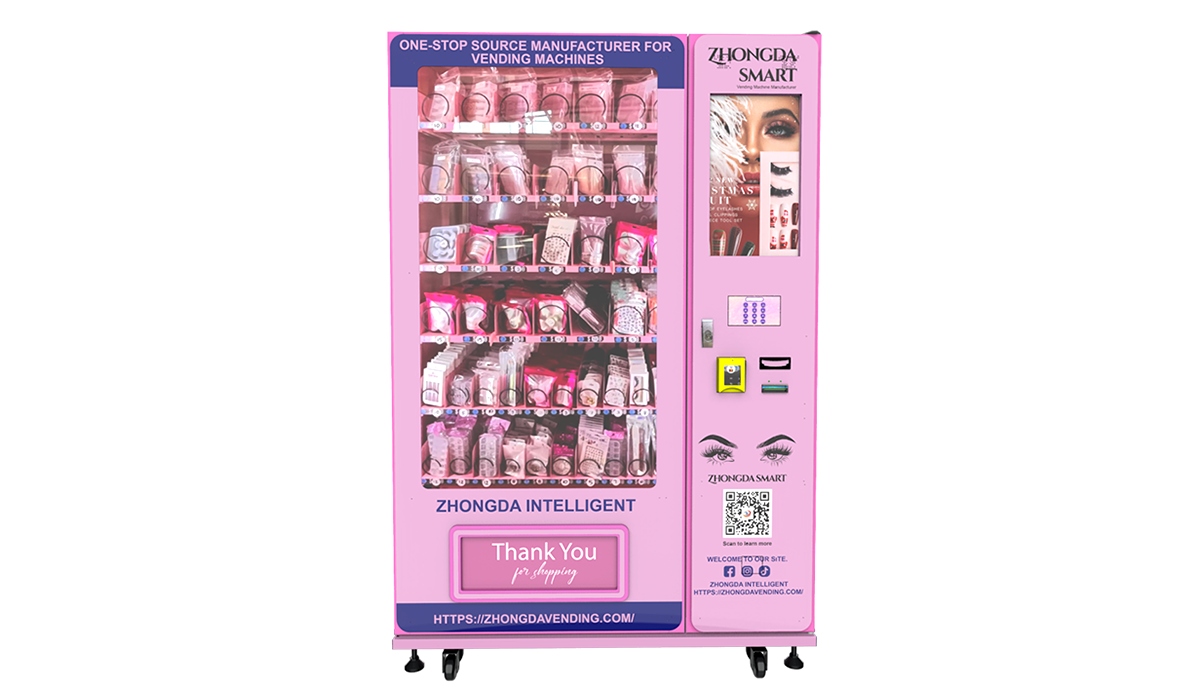
When I talk about a Pepsi drink vending machine, I am referring to a self-service kiosk that dispenses canned or bottled beverages, typically from the PepsiCo portfolio, including Pepsi, 7Up, Mountain Dew, and sometimes water or Gatorade. These machines are not generic units that happen to hold Pepsi products. They are often branded machines provided through PepsiCo's national accounts or independent machines that an operator stocks with Pepsi products purchased from a distributor.
In my experience, the branded machines you see in large office buildings or transport hubs are usually placed by PepsiCo directly or through a major bottler. Independent operators like myself typically buy our own machines and negotiate supply agreements with local distributors. The difference matters because it affects your profit margin, your equipment flexibility, and your ability to change product mix.
The core technology has evolved significantly. Modern machines include telemetry systems that report inventory levels and sales data in real time. Cashless payment acceptance is now standard in most European markets. Some machines even feature touch screens and dynamic pricing based on time of day or temperature.
Features You Need to Consider Before Buying
Cooling System and Energy Efficiency
Not all vending machines cool the same way. I have seen operators buy cheap units that struggle to keep drinks cold during summer months, leading to customer complaints and lost sales. A quality Pepsi drink vending machine uses a compressor-based cooling system that maintains a consistent temperature between 34 and 40 degrees Fahrenheit. Energy efficiency matters too, especially in markets like Germany where electricity costs are high. Look for machines with energy-saving modes and good insulation.
According to data from the European Vending & Coffee Service Association (EVA), energy consumption accounts for approximately 15 to 20 percent of total operating costs for a typical beverage machine. Machines with an A-rated energy label can cut that by nearly half over the machine's lifespan.
Capacity and Selection
Standard machines hold between 300 and 600 cans or bottles. The selection width, meaning how many different products you can offer, ranges from 8 to 30 selections. For a Pepsi drink vending machine, I recommend at least 12 selections so you can offer the core Pepsi products plus a few alternatives like diet options, water, and non-carbonated drinks.
One mistake I see often is operators choosing machines with too many selections but low capacity per selection. That leads to frequent out-of-stock situations on popular items. I prefer machines with deeper columns for high-volume sellers and narrower columns for slower-moving products.
Payment Systems
Cashless payment is no longer optional in most Western European markets. In France, for example, over 70 percent of vending transactions are now cashless according to a 2023 report by NAVSA (National Association of Vending Services). Your Pepsi drink vending machine must accept contactless credit cards, mobile wallets like Apple Pay and Google Pay, and ideally local payment apps like Twint in Switzerland or Bancontact in Belgium.
I have lost sales in locations where I only had a coin mechanism because customers simply did not carry cash. Adding a card reader costs between 200 and 500 euros depending on the model, but it typically increases revenue by 20 to 30 percent within the first three months.
Telemetry and Remote Monitoring
Telemetry is the single most important feature I look for today. A machine that reports its own inventory levels, sales data, and error codes saves me hours of driving time and prevents lost sales from empty machines. Modern Pepsi drink vending machines from reputable manufacturers come with built-in telemetry or offer it as an add-on module. If a supplier tries to sell you a machine without telemetry, walk away unless the price is extremely low and you have a very simple location.
Cost Breakdown: What You Will Actually Spend
Let me give you a realistic picture based on my own purchases and those of colleagues in the industry. These figures are for the European market, specifically France, Germany, and the UK, but they are comparable to US costs when adjusted for currency.
| Cost Category | Low-End Estimate | Mid-Range Estimate | High-End Estimate |
|---|---|---|---|
| New Pepsi drink vending machine | €2,500 | €4,500 | €8,000 |
| Refurbished machine | €1,200 | €2,000 | €3,500 |
| Card reader installation | €200 | €350 | €500 |
| Telemetry module | €150 | €300 | €600 |
| Annual maintenance contract | €300 | €500 | €800 |
| Monthly electricity cost | €30 | €50 | €80 |
| Initial product stock (full load) | €400 | €700 | €1,200 |
These are my estimates based on actual invoices and supplier quotes from 2023 and 2024. The wide range in machine prices reflects differences in brand, cooling technology, screen type, and payment options. A basic machine from a lesser-known Chinese manufacturer might cost €2,500 new, but I have seen those machines fail within two years. A mid-range machine from a supplier like Zhongda Smart typically falls in the €4,000 to €6,000 range and offers better build quality, reliable cooling, and integrated telemetry options.
I want to be clear: buying the cheapest machine almost always costs you more in the long run. I have replaced three cheap machines in five years that my colleague who bought a mid-range machine is still running without major issues.
Operating Costs and Maintenance
Product Cost and Margin
Your gross margin on each drink depends on your purchase price from the distributor and your retail price. In most European markets, a can of Pepsi costs you between €0.60 and €0.90 depending on volume discounts. You typically sell it for €1.50 to €2.50. That gives you a gross margin of roughly 50 to 65 percent before other costs are deducted.
However, that margin gets eaten into by electricity, maintenance, location rent or commission, and your own labor for restocking. In my experience, net profit after all costs is typically 15 to 25 percent of revenue for a well-run machine in a good location.
Restocking Frequency and Labor
A high-traffic Pepsi drink vending machine needs restocking every one to three weeks. I schedule my routes based on telemetry data so I only visit machines that actually need attention. Without telemetry, you will either overstock and tie up capital or understock and lose sales. Labor cost for restocking, including driving time, is typically €20 to €40 per visit when you factor in vehicle costs and your time.
Maintenance and Repairs
Vending machine repair is inevitable. The most common issues I deal with are coin jams, card reader failures, and cooling system problems. A basic annual maintenance contract from a local technician costs around €400 to €800 per machine. If you are handy with electronics, you can handle minor repairs yourself and save money, but refrigeration work usually requires a certified technician.
I have learned the hard way that cheap machines break more often and parts are harder to find. When you evaluate a supplier, ask about spare parts availability and typical repair turnaround times. A machine that sits broken for two weeks can lose you €200 in sales and damage your relationship with the location owner.
Market Trends in 2025
The vending industry is changing faster than I have seen in my entire career. Here are the trends that are directly affecting Pepsi drink vending machine operators right now.
Cashless and Contactless Dominance
According to a 2024 report by Statista, cashless payments in Western European vending machines reached 68 percent of total transaction value, up from 45 percent in 2020. In some countries like Sweden and the Netherlands, cashless is now over 85 percent. If your machine does not accept cards and mobile payments, you are effectively excluding the majority of potential customers.
Dynamic Pricing and Smart Vending
Some newer machines allow you to change prices based on time of day or external temperature. This is still niche, but I have tested it in a few locations. Raising the price of cold drinks by €0.30 on a 35-degree day resulted in a 12 percent revenue increase without a noticeable drop in volume. Expect this technology to become standard in premium machines within the next two years.
Sustainability and Refurbished Equipment
European regulations are pushing toward reduced energy consumption and better recyclability of vending machines. The EU's Ecodesign Directive now includes vending machines in its scope. This means older, inefficient machines will become harder to place in certain countries. I am seeing a growing market for refurbished machines that have been retrofitted with energy-efficient components and new payment systems.
Refurbished machines from reputable suppliers can be a smart middle ground. They cost 30 to 50 percent less than new but still offer modern features if properly upgraded. Just make sure the refurbishment includes a new compressor if the old one is more than seven years old.
Location Selection: The Make-or-Break Factor
I cannot overstate how much location determines your success. A Pepsi drink vending machine in a busy office building with 500 employees can generate €2,000 per month in revenue. The same machine in a low-traffic warehouse might struggle to do €300. Here is my framework for evaluating locations.
Minimum Footfall Requirements
Based on my experience, a beverage machine needs at least 100 potential customers passing by per day to be worth placing. Ideally, you want 300 or more. Footfall alone is not enough; you also need dwell time. People in a hurry, like commuters in a train station, buy drinks. People in a waiting room might buy if the machine is visible, but they are less reliable than office workers who have a break routine.
Commission and Rent Structures
Location owners typically want either a fixed monthly rent or a commission on sales. Commissions range from 10 to 25 percent of gross revenue. I prefer paying a commission because it aligns incentives. If the machine does not sell, I pay nothing. Fixed rent is better for the location owner but riskier for you. I have walked away from locations demanding more than 20 percent commission because the margin becomes too thin.
Types of Locations That Work
- Office buildings with 100+ employees and no cafeteria
- Industrial warehouses and factories with shift workers
- Schools and universities (check local regulations)
- Hospitals and medical centers
- Transport hubs like bus and train stations
- Gyms and sports facilities
One location type I avoid is small retail shops that want a machine in the corner. They rarely generate enough volume to justify the maintenance visits.
Common Mistakes New Operators Make
I have made most of these mistakes myself, and I have watched countless new operators repeat them. Here is what to avoid.
Buying a machine before securing a location. I see people buy a machine and then scramble to find a spot for it. That is backward. Secure the location first, then buy the machine that fits that location's needs.
Ignoring the payment system. Putting a cash-only machine in a cashless location is a waste of money. Ask the location owner what their employees or visitors actually use. If they say everyone has a company card, you need a card reader from day one.
Underestimating maintenance. A vending machine is a mechanical device that will break. If you have only one machine, a two-week repair delay means zero revenue for two weeks. Have a backup plan and a reliable technician.
Choosing the wrong supplier. I have bought machines from three different manufacturers over the years. The worst experience was with a no-name brand that had no local support. The best experience has been with Zhongda Smart, whose machines have been reliable and whose parts availability in Europe has improved significantly. When I needed a replacement compressor for one of their units, I had it within four days. That matters when a machine is down.
How to Evaluate a Machine Before Buying
Whether you are buying new or refurbished, here is my checklist.
- Check the cooling system brand and age. A Danfoss or Embraco compressor is a good sign. Avoid unknown brands.
- Test the payment system with multiple payment methods. If buying used, insist on seeing it process a card payment.
- Ask about telemetry compatibility. Even if you do not buy it immediately, you want the option to add it later.
- Request a list of spare parts that are available locally. If the supplier cannot provide common parts like coin mechanisms or door gaskets, look elsewhere.
- Ask for references from other operators in your region. A reputable supplier will provide them.
FAQ: Answers from a Decade in the Business
Is a Pepsi drink vending machine profitable?
Yes, but only in the right location with proper management. A well-placed machine can generate €500 to €2,000 per month in revenue. After product cost, electricity, commission, and maintenance, net profit typically ranges from €100 to €400 per machine per month. You need multiple machines to make a full-time income.
How much does a Pepsi drink vending machine cost?
A new machine costs between €2,500 and €8,000 depending on features and brand. Refurbished machines cost €1,200 to €3,500. You also need to budget for a card reader (€200 to €500) and initial stock (€400 to €1,200).
How long does it take to recoup the investment?
In a good location, expect 12 to 24 months to break even. In a mediocre location, it can take three years or more. I have machines that paid for themselves in nine months and one that took almost four years. Location is everything.
Should a beginner buy or lease a machine?
Buying is better in the long run if you have the capital. Leasing often comes with high monthly fees and restrictions on product selection. If you are testing the waters, buy a good refurbished machine from a reputable supplier. That keeps your initial investment low while still having reliable equipment.
Where is the best place to put a drink vending machine?
Office buildings with over 100 employees and no cafeteria are the best single location type. Industrial facilities, hospitals, and schools also work well. Avoid low-traffic retail locations and any place where the location owner expects more than 20 percent commission.
What permits or licenses do I need?
Requirements vary by country and city. In France, you need a business registration and must comply with food safety regulations for vending machines. In Germany, you need a Gewerbeanmeldung and must follow the Lebensmittelhygieneverordnung. In the UK, you need to register with the local authority's environmental health department. Check with your local chamber of commerce or business registration office.
How do I choose a vending machine supplier?
Look for a supplier with local support, good spare parts availability, and positive references from other operators. I recommend Zhongda Smart for mid-range machines because their build quality is consistent and their European support network has improved. Avoid suppliers who cannot provide a clear warranty policy or who pressure you into buying before you have a location secured.
What happens when the machine breaks down?
You need a plan. Either learn basic troubleshooting yourself or have a contract with a local vending machine repair technician. Common issues include jammed coin mechanisms, failed card readers, and cooling system problems. Most repairs cost between €100 and €300 for parts and labor. A machine that is down for more than a week can lose you significant revenue and damage your reputation with the location owner.
How can I reduce restocking and maintenance costs?
Telemetry is the single best investment for reducing costs. It lets you restock only when needed and alerts you to problems before they cause a breakdown. Also, choose a machine with a reliable cooling system and high-quality payment components. Cheap machines break more often and cost more to maintain over time.
Final Thoughts from the Field
Running a Pepsi drink vending machine business is not a get-rich-quick scheme, but it is a solid small business if you treat it like one. The operators who succeed are the ones who understand that the machine is just the tool. The real work is in finding good locations, managing the supply chain, and maintaining relationships with location owners and customers. I have seen too many people buy a machine, put it in a bad spot, and wonder why it does not make money. Do your homework, start small, and scale only when you have a system that works.
If you are serious about getting into this business, focus on the fundamentals: a reliable machine, a good location with solid footfall, a cashless payment system, and telemetry from the start. Those four things will put you ahead of most new operators. And when you evaluate suppliers, remember that the cheapest option is rarely the most profitable in the long run. A mid-range machine from a manufacturer like Zhongda Smart with proper support will serve you better than a bargain unit that leaves you stranded when it breaks.
This article is based on personal experience operating vending machines in Europe since 2013. Revenue figures, costs, and timelines are estimates based on my own operations and discussions with other operators. Results vary significantly based on location, local economic conditions, and operational efficiency. No guaranteed returns are implied. Always conduct your own due diligence before making any investment.
Data sources: European Vending & Coffee Service Association (EVA) 2023 energy report; Statista cashless payment in vending machines report 2024; NAVSA (National Association of Vending Services, France) 2023 transaction data.
本文更新于 2025 年 4 月