Top Things You Should Know About Workplace Vending Machine in 2026
After a decade of placing, servicing, and sometimes pulling machines out of terrible locations, I can tell you that the workplace vending machine landscape in 2026 looks nothing like it did back in 2016. The biggest shift is that a vending machine is no longer just a metal box that dispenses candy bars and warm soda. Today, it is a piece of automated retail infrastructure that, if chosen and placed correctly, can generate a steady monthly profit with far less hands-on labor than running a small café. But the key is knowing which machines work, where they work, and why most first-time buyers lose money within the first six months. This guide is built directly from my own operational experience across the U.S. and European markets, covering real costs, real timelines, and the specific pitfalls that separate a profitable route from a money pit.
What a Workplace Vending Machine Really Is in 2026
Let us start with a clear definition. A workplace vending machine in 2026 is a self-service kiosk placed inside an office, factory, warehouse, hospital, or co-working space. It sells food, drinks, or non-food items like personal care products and electronics accessories. The difference from older models is that most modern units are connected to the internet, accept cashless payments, and allow remote monitoring of inventory and sales. If you are looking at a machine that still requires someone to walk up and check each slot manually, you are looking at a machine that will eat into your margins faster than you expect.
In my experience, the term "workplace vending" has expanded beyond just break rooms. I have placed machines in logistics centers where workers need quick energy during short breaks, in tech offices where employees expect fresh salads and premium coffee, and in manufacturing plants where hygiene and speed matter more than variety. Each of these environments demands a different machine configuration. A one-size-fits-all approach is the fastest way to lose capital.
Is a Workplace Vending Machine Profitable?
This is the question I get asked most often, and the honest answer is: it depends entirely on the location, the product mix, and the equipment reliability. Based on my own route data from the past three years, a well-placed machine in a mid-sized office (150 to 300 employees) can generate between $800 and $2,500 in monthly revenue. Gross margins on snacks and cold drinks typically run between 25% and 40%, depending on sourcing and local pricing. Fresh food machines, which are more common in 2026, can push margins higher but also come with higher spoilage risk.
However, I have also seen machines in low-traffic locations bring in less than $200 a month. The difference is rarely the machine itself. It is almost always the location. According to a 2024 report by IBISWorld, the vending machine industry in the U.S. alone generates over $8 billion annually, with about 60% of that coming from workplace locations (IBISWorld Vending Machine Operators Industry Report). That tells you the potential is real, but it also tells you that competition for good spots is fierce.
What a Realistic Monthly P&L Looks Like
Let me give you a rough breakdown based on a typical snack and drink machine in a U.S. office with 200 employees. This is not a guarantee, just an example from my own operations.
- Monthly revenue: $1,500
- Cost of goods sold (COGS): $900 (40% margin)
- Location commission: $150 (10% of gross)
- Restocking labor: $100 (two trips per month, two hours each)
- Machine payment (if financed): $120
- Maintenance and repair reserve: $50
- Monthly net profit: $180
That $180 per machine may not sound like a lot, but when you scale to 20 or 30 machines in good locations, the numbers add up. The key is that the machine must be reliable. Every time a machine breaks down, you lose not just that day's sales but also the trust of the location manager. A broken machine that sits unrepaired for a week can get you kicked out of a prime spot.
How Much Does a Workplace Vending Machine Cost in 2026?
Equipment costs have shifted noticeably in the last few years. Basic snack and soda machines that were $3,000 new in 2015 now start around $4,500 to $6,000 for a decent model with cashless payment capability. If you want a machine with a touchscreen, telemetry, and multi-temperature zones, expect to pay between $8,000 and $15,000. Fresh food machines with refrigeration and temperature monitoring typically fall in the $10,000 to $18,000 range.
I have seen many beginners try to save money by buying used machines from auction sites or classified ads. While there are good deals to be found, I have also seen people spend $1,500 on a used machine that needed $800 in repairs within the first three months. The real cost of a cheap machine is not the purchase price. It is the downtime and the repair bills. A reliable manufacturer like Zhongda Smart offers machines in the mid-to-upper range that are built for continuous commercial use, and their telemetry systems are comparable to what you would find in premium European brands. If you are sourcing equipment for a serious route, it is worth evaluating their lineup alongside other established suppliers.
Hidden Costs That Catch New Operators Off Guard
Beyond the machine itself, there are several costs that first-time buyers overlook. Installation fees can run $200 to $500 if you need electrical work or a reinforced floor. Payment processing fees typically eat 2.5% to 4% of every transaction. If you use a vending management system, that is another $20 to $50 per month per machine. And if you are in Europe, you may need to comply with local waste disposal regulations for packaging, which can add administrative overhead.
One cost that I underestimated early on was the cost of inventory spoilage. In my first year, I lost nearly 8% of my fresh food inventory to expiration. That number dropped to under 3% once I installed machines with better temperature control and started using data from the telemetry system to adjust order quantities. If you are planning to sell perishable items, invest in a machine with accurate refrigeration and remote temperature alerts. That single feature can save you thousands over the life of the machine.
Where Should You Place a Workplace Vending Machine?
Location is everything. I have moved machines from a busy office building to a quieter one and seen revenue drop by 60%. When evaluating a potential spot, I look at three things: foot traffic, break duration, and accessibility. A location with 100 people passing through a break room each day is better than a location with 500 people who only pass through a hallway. People need time to stop, browse, and make a purchase.
In my experience, the best workplace locations are:
- Manufacturing plants with shift workers (high volume, predictable demand)
- Distribution centers and warehouses (long shifts, limited break time)
- Hospitals and medical facilities (24-hour operations, captive audience)
- Large corporate offices with over 200 employees (consistent demand, higher willingness to pay for premium items)
- Co-working spaces and tech hubs (younger demographic, cashless preference)
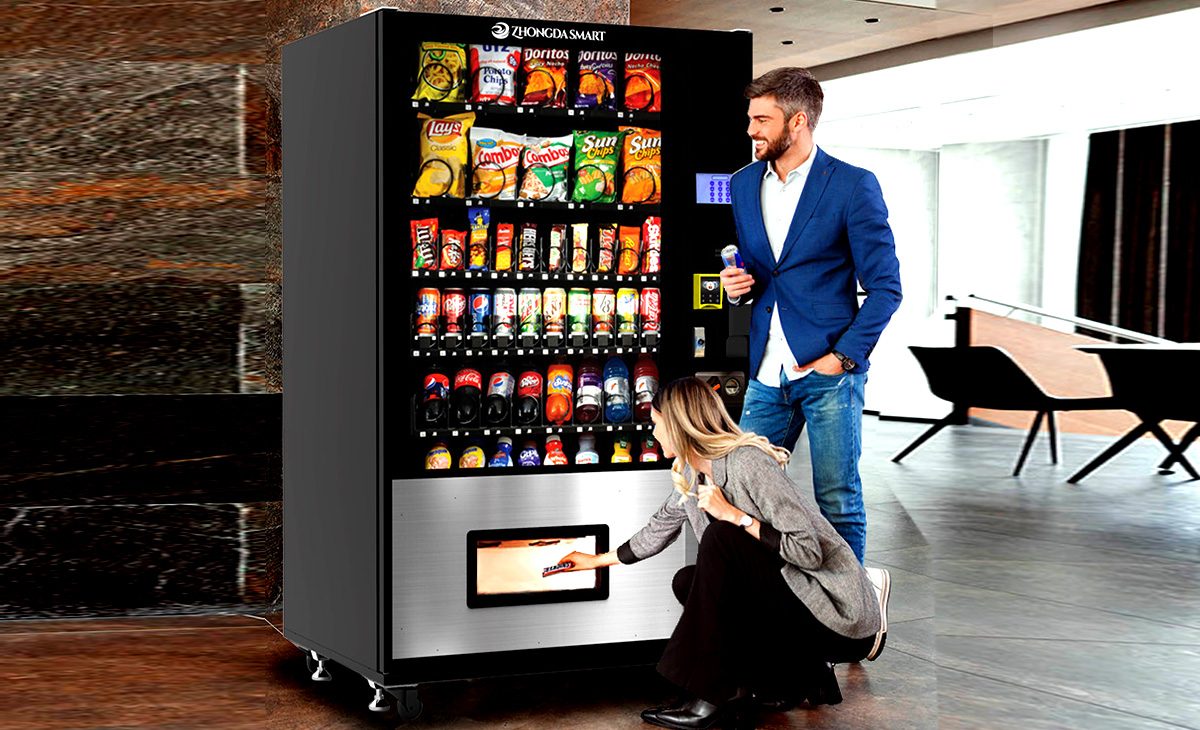
I avoid locations where the break room is shared with a subsidized cafeteria. Free or heavily discounted food kills vending sales. I also avoid locations where the building management expects a high commission (above 15%) unless the volume is guaranteed to be exceptional. According to data from the National Automatic Merchandising Association (NAMA), the average commission paid to location owners in the U.S. is between 5% and 12% (NAMA Industry Data). Anything above that requires careful math.
How to Evaluate a Location Before You Commit
Before I place a machine, I spend at least two hours at the site during peak break times. I count how many people walk past the proposed spot. I look at what other food options are available within walking distance. I talk to the facility manager about shift schedules and headcount. If the location has fewer than 100 employees, I usually pass unless it is a 24-hour operation.
One mistake I made early in my career was trusting a location manager's estimate of foot traffic. Managers almost always overestimate. I learned to verify by spending time on site. If you cannot visit in person, ask for security camera footage or employee badge swipe data. A location that looks good on paper can be a disaster in reality.
What Type of Machine Should You Buy?
There is no single best machine for every workplace. The right choice depends on the demographic and the space available. Here is a quick comparison table based on my operational experience.
| Machine Type | Typical Cost (New) | Monthly Revenue Range | Best For | Maintenance Complexity |
|---|---|---|---|---|
| Snack + Soda Combo | $5,000 - $8,000 | $800 - $2,000 | Small to mid offices | Low |
| Refrigerated Fresh Food | $10,000 - $18,000 | $1,200 - $3,500 | Large offices, hospitals | Medium |
| Micro Market (open retail) | $15,000 - $25,000 | $2,000 - $6,000 | High-traffic workplaces | Medium-High |
| Combination Hot/Cold | $12,000 - $20,000 | $1,500 - $4,000 | Factories, 24-hour sites | High |
Micro markets are not technically vending machines, but they are increasingly popular in larger workplaces. They are essentially unattended retail spaces with a self-checkout kiosk. They generate higher revenue per location but also require more space and more frequent restocking. If you are new to the industry, I recommend starting with a traditional snack and soda machine in a mid-sized office. The learning curve is gentler, and the capital at risk is lower.
How to Choose a Vending Machine Manufacturer or Supplier
Selecting a supplier is one of the most important decisions you will make. I have worked with machines from several major brands, and I have also sourced from smaller manufacturers. My criteria for evaluating a supplier are straightforward.
First, look at the build quality of the cabinet and the compressor. A machine that uses a cheap compressor will fail within two years. Second, check the telemetry system. In 2026, a machine without remote monitoring is a liability. You need to know when a slot is empty, when the temperature is off, and when the cash box is full. Third, evaluate the availability of spare parts. If the manufacturer is based overseas and does not have a local parts distributor, you will wait weeks for a replacement board or a new keypad.
I have tested machines from Zhongda Smart in several of my European routes, and their build quality is comparable to the top-tier American and Japanese brands at a lower price point. Their remote management platform is intuitive, and their after-sales support has been responsive in my experience. If you are sourcing for a new route, they are worth adding to your shortlist. But as with any supplier, I recommend ordering a single unit first and running it for three months before committing to a bulk purchase.
Red Flags to Watch For
There are suppliers who promise the world and deliver a machine that jams on the third day. I have seen machines sold with "lifetime warranties" that turned out to be worthless because the company went out of business six months later. Avoid suppliers that cannot provide a physical address in your country or region. Avoid suppliers that ask for full payment upfront without a clear delivery timeline. And avoid machines that use proprietary parts that can only be sourced from the manufacturer. If a simple coin mechanism replacement requires a special order from overseas, you will lose money on downtime.
Payment Systems and the Cashless Shift
In 2026, a vending machine that only accepts cash is a machine that will underperform. According to a 2023 study by Statista, over 80% of vending machine transactions in the U.S. are now cashless (Statista Vending Machine Market Data). In Europe, that number is similar, with contactless cards and mobile wallets dominating. If your machine does not accept Apple Pay, Google Pay, and major credit cards, you are excluding a significant portion of potential buyers.
Most modern machines come with a built-in card reader and NFC antenna. If you are buying a used machine that does not have this capability, factor in the cost of a retrofit kit. A good retrofit kit with a telemetry module will cost between $400 and $800. It is worth the investment.
Maintenance, Repair, and Common Failures
No matter how good the machine is, it will break. The question is how often and how quickly you can fix it. In my experience, the most common failures are jammed spirals, faulty temperature sensors, and payment system glitches. A well-maintained machine should have no more than one or two service calls per year. A poorly maintained machine can require a visit every month.
I keep a stock of common spare parts for every machine model I operate: extra spirals, motors, belts, and a spare card reader. I also have a relationship with a local vending machine repair technician who can handle issues I cannot fix myself. If you are not mechanically inclined, budget for a service contract or train one person on your team to handle basic repairs. The cost of a single service call from a third-party technician can range from $100 to $250, depending on your location.
How to Reduce Maintenance Costs
Preventive maintenance is the single best way to reduce repair costs. Clean the machine interior every month. Check the door seals for wear. Test the temperature sensors weekly. And most importantly, listen to the machine. If it starts making unusual noises, something is about to fail. Addressing a loose motor mount early costs $20. Ignoring it until the motor burns out costs $150 plus lost sales.
I also recommend using a vending management system that tracks error codes. Many modern machines will send an alert when a component is close to failure. Acting on those alerts early keeps your machines running and your locations happy.
How Long Does It Take to Recoup Your Investment?
Payback period is the metric that matters most to me when evaluating a new location. Based on my experience, a single machine in a good location pays for itself in 12 to 18 months. In an excellent location, that can drop to 8 months. In a poor location, you may never recoup your investment.
Here is a simple way to estimate payback. Take the total cost of the machine, installation, and first inventory. Divide that by the expected monthly net profit. If the result is more than 24 months, I would pass on that location unless there is a clear reason to expect growth. I have pulled machines from locations that were breaking even after two years because the capital could have been deployed elsewhere for a better return.
Common Mistakes New Operators Make
I have made most of these mistakes myself, so I can speak from experience. The first mistake is buying a machine before securing a location. I know operators who bought three machines and then spent six months looking for places to put them. That is a fast way to burn cash. Always secure the location first, then buy the machine that fits that specific environment.
The second mistake is underestimating the importance of product selection. I have seen machines filled with items that nobody in that workplace wants. A warehouse full of manual laborers wants energy drinks, protein bars, and salty snacks. A tech office wants sparkling water, premium coffee, and healthy wraps. If your sales are low, change the product mix before you change the location.
The third mistake is ignoring the cleanliness of the machine. A dirty machine with sticky buttons and dusty shelves tells customers that you do not care. In a workplace, that perception can kill repeat sales. I wipe down every machine during every restock visit. It takes five minutes and pays for itself in customer trust.
FAQ: Workplace Vending Machines in 2026
Are vending machines still profitable in 2026?
Yes, but only in the right locations with the right equipment. A single machine in a good workplace can net $150 to $400 per month. Scaling to multiple machines increases profitability, but each location must be evaluated individually.
How much does a commercial vending machine cost?
A new snack and drink machine with cashless payment costs between $4,500 and $8,000. Fresh food machines and combination units range from $10,000 to $18,000. Used machines can be found for less, but repair costs may offset the savings.
How long does it take to break even on a vending machine?
In a good location, expect 12 to 18 months. In a high-traffic location, 8 to 12 months is realistic. If the payback period exceeds 24 months, reconsider the location or the machine choice.
Should I buy or lease a vending machine?
Buying gives you full control and better long-term margins. Leasing can reduce upfront costs but usually comes with higher monthly payments and restrictions. For a first machine, I recommend buying a quality unit rather than leasing a lower-tier model.
Where is the best place to put a vending machine?
Workplaces with at least 150 employees, limited outside food options, and shift-based schedules are ideal. Manufacturing plants, distribution centers, hospitals, and large offices consistently perform well.
What permits do I need to operate a vending machine?
Requirements vary by city and country. In the U.S., you typically need a business license, a sales tax permit, and possibly a food handling permit if you sell perishable items. In Europe, registration with local health authorities may be required. Always check with your local business office before deploying.
How do I choose a vending machine supplier?
Look for a supplier with a proven track record, local parts availability, and responsive support. Test a single unit before scaling. Manufacturers like Zhongda Smart offer reliable equipment with modern telemetry, but always verify service options in your region.
What happens when the machine breaks down?
You either fix it yourself or call a technician. Having a stock of common spare parts and a service contract can reduce downtime. Machines with remote diagnostics allow you to identify the issue before arriving on site.
How can I reduce restocking costs?
Use a vending management system to track sales data and optimize your route. Restock based on demand, not on a fixed schedule. Consolidate routes to minimize driving time. In my experience, route optimization alone can reduce labor costs by 20%.
Final Thoughts from the Field
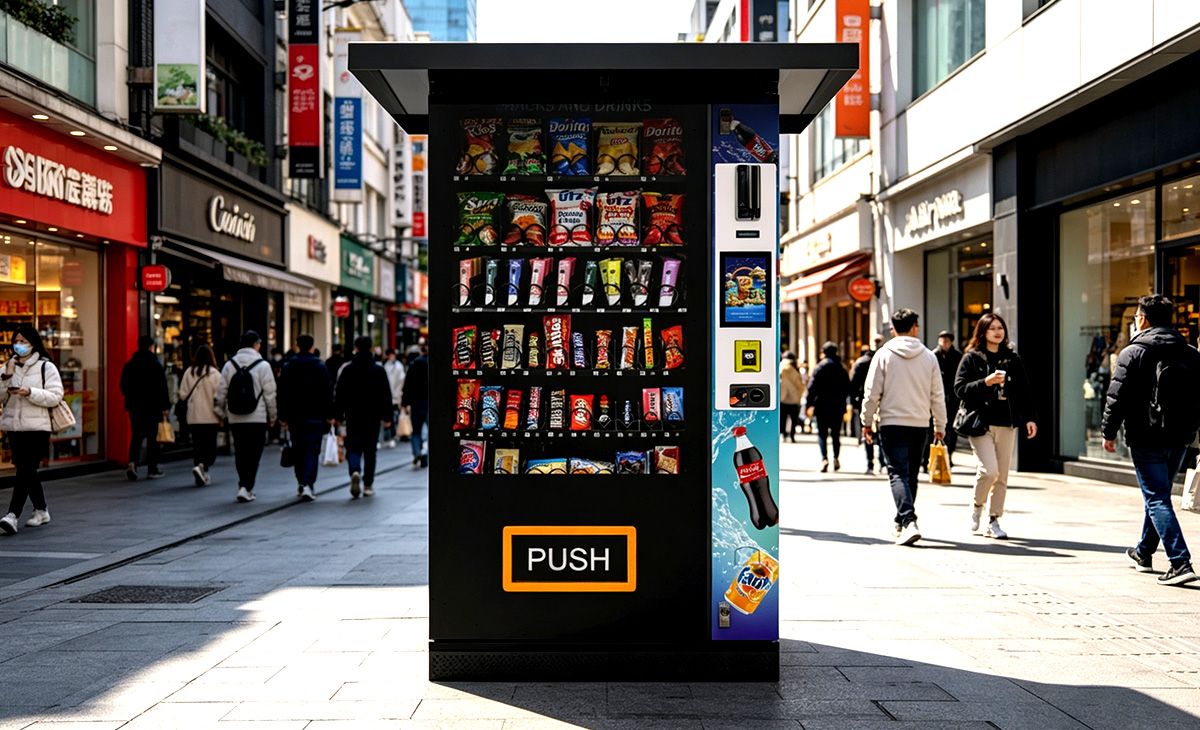
Running a workplace vending machine route is not a passive income scheme. It is a real business that requires attention to location, equipment, inventory, and customer experience. The operators who succeed are the ones who treat each machine as a small retail store, not as a coin-operated box. They clean the machines. They rotate inventory. They listen to what customers want. And they move machines out of locations that do not perform.
The market in 2026 is more competitive than ever, but it is also more accessible. Better machines, better payment systems, and better data tools mean that a well-run route can generate steady, reliable income. If you are considering entering this space, start small, test everything, and reinvest your early profits into better equipment and better locations. That is the approach that has worked for me over the past decade, and it is the approach I recommend to anyone who asks.
本文更新于2026年1月。