Top Things You Should Know About Royal Vendors Vending Machine in 2026
If you are looking at the vending machine business in 2026, the name Royal Vendors still comes up a lot in conversations about reliability and build quality. But here is what I have learned after a decade of placing machines across the US and Europe: the machine itself is only half the story. I have seen operators buy a Royal Vendors vending machine, put it in a high-traffic location, and still struggle to break even because they ignored site logistics, payment system compatibility, or local food safety rules. This article covers the practical realities of running these machines in 2026, from upfront costs and maintenance cycles to choosing between a new unit and a refurbished one. If you are serious about automated retail, start here.
Why Royal Vendors Still Matters in 2026
Royal Vendors has been around for decades, and their machines are known for one thing above all: mechanical durability. In my experience, a well-maintained Royal Vendors unit can run for ten to fifteen years without a major overhaul. That is not common in this industry. Many cheaper imports start showing issues with coin mechanisms or refrigeration after two or three years. The Royal Vendors vending machine uses a simple, robust delivery system that jams less often than spiral-based designs. For high-volume locations like factories or warehouses, that reliability translates directly into fewer service calls and lower labor costs.
That said, 2026 brings new challenges. Payment systems are shifting away from cash. Most of my clients now expect tap-to-pay, Apple Pay, and contactless credit card support as standard. Older Royal Vendors models may need a retrofit kit to handle these modern payment methods. If you buy a used machine, factor in the cost of upgrading the payment terminal. A machine that only takes coins and bills is going to lose sales in 2026.
How to Evaluate a Location for a Vending Machine
Location is everything. I have placed machines in offices with 200 employees that did less revenue than a machine in a small auto repair shop with 15 staff. The difference is foot traffic patterns and dwell time. A Royal Vendors vending machine in a break room where people have five to ten minutes to grab a drink will outperform a machine in a hallway where people just walk past.
Here are the criteria I use before placing any machine:
- Daily foot traffic: At least 100 people passing within ten feet of the machine. I use a simple clicker counter for a week.
- Dwell time: People need to stop for at least 30 seconds. Waiting areas, break rooms, and lobbies work well.
- Accessibility: Can my delivery van park within 50 feet? If I have to carry cases of drinks up stairs or through a long corridor, the route becomes unprofitable.
- Security: Is the area well-lit? Machines in dark corners get vandalized more often. I have lost machines to break-ins in locations I thought were safe.
- Existing competition: If there is already a machine from another operator, check its condition. If it is poorly maintained, that is actually a good sign. You can take over by offering better service.
One mistake I see new operators make is overestimating foot traffic. A busy street does not mean people will stop to buy from your machine. The machine has to be inside a location where people are already comfortable spending money. That is why I prefer employee break rooms, gyms, and medical offices over random retail corridors.
Cost Breakdown: What You Actually Pay for a Royal Vendors Vending Machine
Let me give you real numbers based on what I have paid and seen others pay in 2025 and early 2026. These are estimates from the US and Western European markets.
| Machine Type | New Price (USD) | Refurbished Price (USD) | Typical Lifespan |
|---|---|---|---|
| Royal Vendors GIII (20-select) | $4,500 – $5,500 | $2,200 – $3,000 | 10–15 years |
| Royal Vendors GIII (40-select) | $5,500 – $7,000 | $2,800 – $3,800 | 10–15 years |
| Royal Vendors GIV (glass-front) | $6,000 – $8,000 | $3,500 – $4,500 | 8–12 years |
| Refurbished unit with payment upgrade | $3,000 – $4,200 | N/A | Remaining life depends on original age |
These prices do not include shipping, installation, or the first inventory load. Shipping a machine across the US can cost $300 to $600. In Europe, expect €400 to €800 depending on distance. Installation usually involves leveling the machine, connecting power, and testing the payment system. I budget $200 per machine for that.
Inventory for a full machine costs about $800 to $1,200 for drinks and snacks. That number varies by region and brand mix. If you are placing a Royal Vendors vending machine in a location with high-end demand, you might stock premium brands that cost more upfront but also sell at higher margins.
Operating Costs You Cannot Ignore
Many beginners only look at the machine price and think they are done. The real cost comes from ongoing operations. Here is what I track for every machine I run:
- Restocking labor: I pay $15 to $25 per hour in the US. A typical restock takes 30 to 60 minutes per machine, depending on volume. If you do it yourself, your time is still worth something.
- Inventory cost: Average wholesale cost for a can of soda is $0.35 to $0.50. A bag of chips is $0.60 to $1.00. I aim for a 40% to 50% gross margin on drinks and 35% to 45% on snacks.
- Payment processing fees: Cashless payments cost 2.5% to 4% per transaction. If 80% of your sales are card or phone payments, that eats into your margin.
- Machine repairs: I set aside $300 to $500 per machine per year for unexpected repairs. Refrigeration failures are the most expensive, often $200 to $400 for a compressor replacement.
- Location commission: Some locations ask for a percentage of sales, typically 10% to 20%. Others charge a flat monthly fee of $50 to $200. I avoid percentage deals unless the location has very high traffic.
A Royal Vendors vending machine is cheaper to maintain than many competitors because parts are widely available. But that does not mean maintenance is optional. I have seen operators ignore a sticky selection button for months, only to have the entire keypad fail. Small problems become big ones if you do not address them quickly.
Revenue Potential: What You Can Realistically Expect
Revenue varies wildly by location. I have a machine in a small office park that does $300 per month. I have another in a 24-hour gym that does $1,800 per month. The average across my fleet of 45 machines is about $650 per month per machine. That is in line with industry benchmarks. According to a 2025 report by Statista, the average monthly revenue for a vending machine in the US is approximately $600 to $700, depending on the product mix and location type.
For a Royal Vendors vending machine focused on cold drinks, the numbers look different than a combo machine. Drink-only machines have higher margins per transaction but lower frequency. Snack machines have lower margins but higher transaction counts. In my experience, a well-placed drink machine in a hot climate can hit $1,200 per month during summer, but drops to $400 in winter. You need to account for seasonality.
Gross profit per machine after inventory and commission is typically $250 to $400 per month. That number sounds modest, but when you have ten or twenty machines, it adds up. The key is scale. One machine is a hobby. Twenty machines is a business.
How to Choose Between New, Refurbished, and Leased
New operators often ask me whether they should buy a brand new Royal Vendors vending machine or go with a refurbished unit. Here is my honest take:
If you have the capital and you plan to keep the machine for more than five years, buy new. You get the latest payment technology, a full warranty, and lower repair costs in the early years. If you are testing a location or you have limited budget, a refurbished machine from a reputable dealer is fine. Just make sure the refrigeration system has been tested and the payment terminal supports contactless payments.
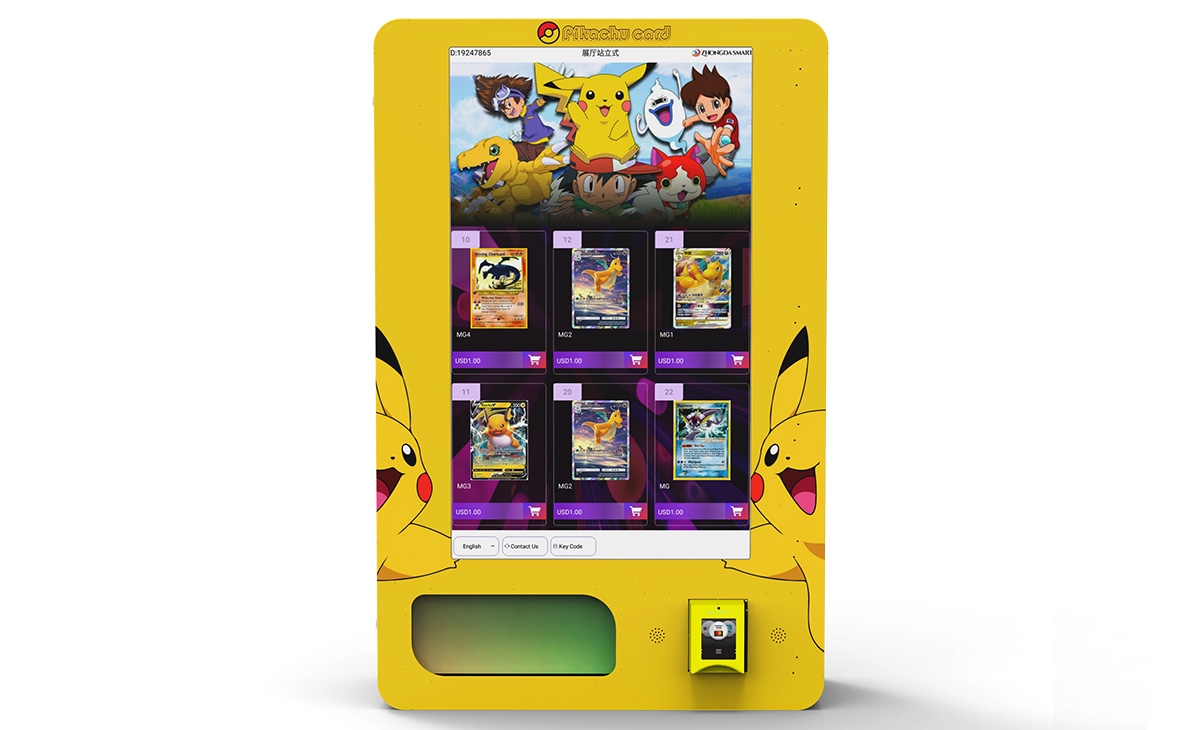
Leasing is an option, but I rarely recommend it for vending machines. Lease payments often total more than the machine is worth after three years. You are better off buying a used machine outright. Some suppliers offer financing, and that can make sense if the interest rate is below 8% and the location is proven.
When I buy refurbished, I insist on seeing the service records. I want to know when the compressor was last replaced, whether the door gasket is original, and if the payment system has been upgraded. A Royal Vendors vending machine from 2010 can still run well, but only if it has been properly maintained. I once bought a machine that looked clean on the outside but had a corroded evaporator coil. That repair cost me $350 within the first month.
Payment Systems in 2026: What Works and What Does Not
Cash is dying. In my fleet, cash transactions dropped from 40% in 2020 to about 15% in 2025. By 2026, I expect that number to be under 10%. If your Royal Vendors vending machine does not accept contactless payments, you are leaving money on the table.
I use Nayax and Cantaloupe systems for my machines. Both offer telemetry, which lets me see sales data, inventory levels, and machine health remotely. That is a game changer. I can tell when a machine is low on a popular item without driving to the location. Telemetry also alerts me to errors like a jammed delivery system or a temperature warning. The monthly fee for telemetry is about $15 to $25 per machine. That is worth every penny.
If you are buying a used Royal Vendors vending machine, check whether the control board is compatible with modern payment systems. Some older models require an adapter or a board replacement. That can cost $200 to $400. Factor that into your purchase decision.
Food Safety and Compliance in 2026
Food safety regulations are getting stricter, especially in Europe. If you are placing a machine that sells perishable items like sandwiches, salads, or dairy products, you need to comply with local health codes. In France, for example, the Direction Générale de la Concurrence, de la Consommation et de la Répression des Fraudes (DGCCRF) sets temperature requirements for refrigerated vending machines. The machine must maintain a temperature below 4°C for perishable items. I have seen operators fined for failing to log temperature checks.
In the US, the FDA Food Code applies to vending machines that sell potentially hazardous foods. You need to have a HACCP plan in place. That sounds complicated, but it is mostly about documenting your cleaning schedule, temperature monitoring, and product rotation. Most vending machine suppliers, including Zhongda Smart, offer machines that meet these standards. When I source equipment, I always ask for compliance documentation upfront.
For a Royal Vendors vending machine that only sells sealed drinks and shelf-stable snacks, food safety is less of a concern. But if you ever plan to expand into fresh food, make sure the machine has a reliable refrigeration system and a temperature logging feature.
Common Mistakes New Operators Make
I have been doing this long enough to have made most of these mistakes myself. Here are the ones I see most often:
- Buying the cheapest machine available: A low upfront cost often means high repair costs. I have seen operators buy a $1,500 machine only to spend $800 on repairs in the first year. A Royal Vendors vending machine costs more upfront but saves you money over time.
- Ignoring the payment system: If your machine only takes cash, you lose the 85% of customers who prefer to pay by card or phone. Upgrade the payment terminal before you place the machine.
- Overstocking slow-moving items: I used to fill every slot with a different product. Now I stock only the top 10 to 15 items and rotate based on sales data. Less variety, less waste.
- Not negotiating the location agreement: Some location managers will ask for 30% commission. That is too high unless the location is exceptional. I usually negotiate down to 15% or a flat fee.
- Underestimating the time commitment: Restocking, cleaning, and repairing machines takes time. If you have a full-time job, start with two or three machines, not ten.
How to Choose a Supplier or Manufacturer
When I look for a vending machine supplier, I care about three things: parts availability, technical support, and warranty. A Royal Vendors vending machine is easy to find parts for, but not all suppliers stock them. I prefer to buy from a supplier that also offers service contracts. That way, if something breaks, I have a single point of contact.
For operators outside the US, shipping costs and import duties matter. I have worked with Zhongda Smart on several projects where we needed reliable cold drink machines for European locations. Their machines are built to meet EU electrical and refrigeration standards, which saves the hassle of retrofitting. If you are sourcing machines for a new route, it is worth comparing their specifications against Royal Vendors models. The key is to find a supplier that offers consistent quality and responsive support.
I also recommend asking for references from other operators in your region. A supplier might look great online, but if their machines break down frequently and support takes three days to respond, that is a problem. I once bought from a supplier who promised 24-hour support but only returned calls during business hours. That cost me a week of lost sales on a machine that had a simple error code.
When to Move a Machine or Change the Product Mix
Not every location works out. I have machines that started strong and then declined over time. The reasons vary: a company downsized, a competitor opened a cafeteria, or the building changed ownership. I review sales data every month. If a machine does less than $300 per month for three consecutive months, I consider moving it.
Before moving, I try changing the product mix first. Sometimes a location needs more variety, or the current items are priced too high. I have increased sales by 30% just by adding a few popular energy drinks and adjusting prices. If that does not work, I move the machine to a different location. The cost of moving a Royal Vendors vending machine is about $200 to $400, including labor and transportation. If the new location does $800 per month, the move pays for itself in a few weeks.
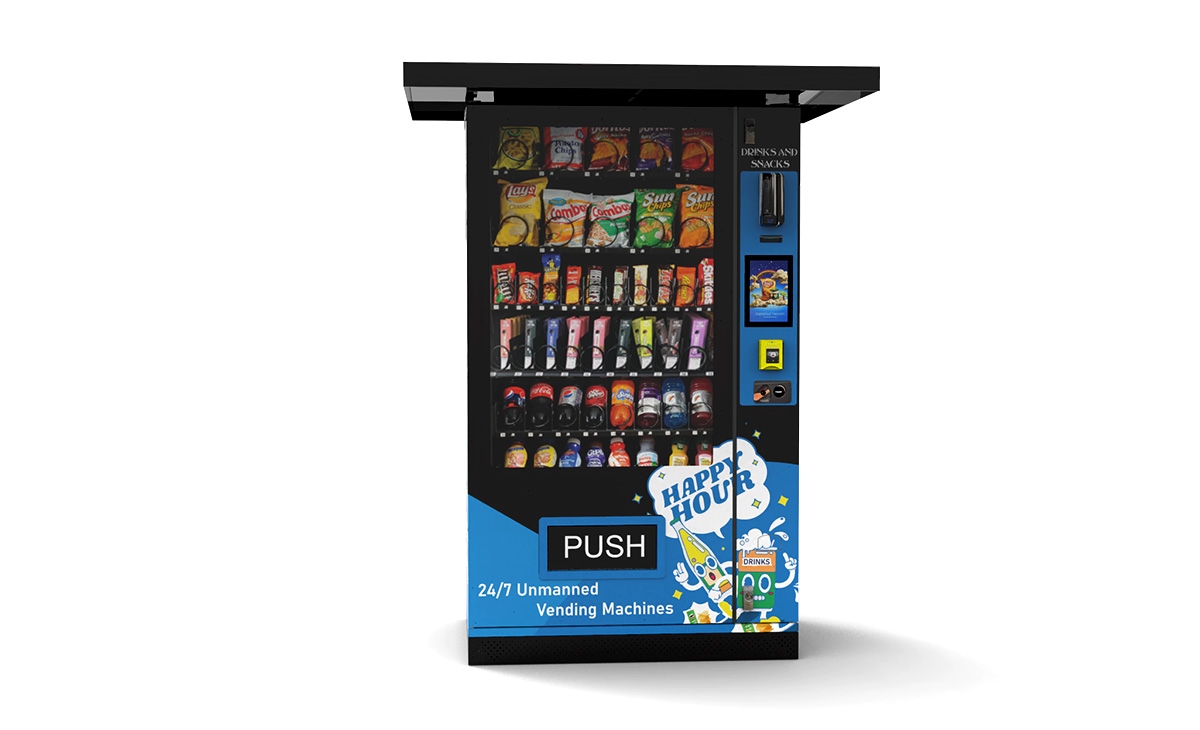
One thing I have learned: do not get emotionally attached to a location. If the numbers are not there, move on. The machine is a tool, not a monument.
FAQ: Common Questions About Royal Vendors Vending Machines
Are vending machines profitable in 2026?
Yes, but profitability depends on location, product mix, and operating costs. A well-placed Royal Vendors vending machine can generate $300 to $1,800 per month in revenue. After inventory, commissions, and maintenance, net profit per machine is typically $200 to $400 per month. Scale is important. One machine is a side project; ten machines can be a solid income stream.
How much does a Royal Vendors vending machine cost?
A new machine costs between $4,500 and $8,000 depending on the model and configuration. Refurbished units range from $2,200 to $4,500. You also need to budget for shipping, installation, inventory, and payment system upgrades. Total startup cost for one machine is usually $5,000 to $10,000.
How long does it take to recoup the investment?
Based on my experience, a single machine pays for itself in 12 to 24 months if the location is good. That assumes $600 to $800 in monthly revenue and a 40% net margin. If the location is marginal, the payback period can stretch to three years or more. I always calculate payback before placing a machine.
Should a beginner buy or lease a vending machine?
Buying is almost always better than leasing. Leasing locks you into monthly payments that often exceed the machine's value over time. If you are new, start with a refurbished Royal Vendors vending machine from a reputable dealer. That keeps your initial investment low while giving you a reliable machine.
Where should I place a vending machine for the best results?
Look for locations with high foot traffic and dwell time. Employee break rooms, gyms, medical offices, schools, and manufacturing facilities are good candidates. Avoid locations where people are just passing through, like hallways or outdoor sidewalks. Test the location with a temporary placement if possible.
What permits or licenses do I need?
Requirements vary by city and country. In the US, you typically need a business license, a seller's permit, and possibly a health department permit if you sell perishable food. In Europe, check with local authorities about vending machine registration and tax requirements. In France, you must register with the Centre de Formalités des Entreprises. Always verify local rules before placing a machine.
How do I choose a vending machine supplier?
Look for a supplier with good parts availability, technical support, and a warranty. Ask for references from other operators. If you are buying a Royal Vendors vending machine, make sure the supplier can provide compatible payment systems and telemetry options. Zhongda Smart is one manufacturer that offers machines meeting EU and US standards, which simplifies compliance.
What happens if the machine breaks down?
Most mechanical issues can be fixed with basic tools and a service manual. Common problems include jammed delivery systems, failed refrigeration, and payment terminal errors. I recommend keeping a spare parts kit with common items like delivery motors, coin mechanism components, and fuses. For major repairs, call a certified technician. Budget $300 to $500 per machine per year for maintenance.
How can I reduce restocking and maintenance costs?
Use telemetry to monitor inventory and machine health remotely. That way you only visit the machine when it needs restocking or repair. Optimize your product mix based on sales data to reduce waste. And choose a durable machine like a Royal Vendors vending machine to minimize breakdowns. Preventive maintenance every six months also helps catch small issues before they become expensive repairs.
Final Thoughts from the Field
Running a vending machine business is not a get-rich-quick scheme. It is a steady, hands-on operation that rewards consistency and attention to detail. A Royal Vendors vending machine is a solid choice for operators who value reliability and low long-term costs. But the machine is only as good as the location, the product mix, and the operator's willingness to stay on top of maintenance.
If you are just starting, buy one or two machines, learn the rhythm of restocking and servicing, and only expand once you have a system that works. Track every dollar you spend and every sale you make. That data will tell you which machines to keep and which to move. Over time, you will build a route that generates consistent income without demanding all your waking hours.
The vending industry changes slowly, but it does change. Payment technology, food safety rules, and consumer preferences will continue to evolve. Stay informed, keep your equipment modern, and never stop evaluating your locations. That is the real secret to making money with automated retail.
本文更新于 2026 年 1 月。实际成本和收益因地点、市场条件和运营效率而异。本文内容基于个人经验,不构成财务建议。在做出投资决策前,请咨询当地专业人士。