Buy A Pokemon Vending Machine_ Prices, Profit Potential, and Setup Guide for Beginners
If you have been searching for a way to break into automated retail, the idea of buying a Pokemon vending machine probably sounds like a dream. Let me cut through the noise: you can absolutely make money with a vending machine business, but the Pokemon brand alone won't do the heavy lifting. After more than a decade placing machines across the US and Europe, I have seen beginners lose thousands on bad locations and cheap equipment. A Pokemon vending machine is not a magic box. It is a tool. The real profit comes from choosing the right machine, the right location, and the right supplier. In this guide, I will walk you through prices, profit potential, and the setup steps I wish someone had shown me when I started.
What Exactly Is a Pokemon Vending Machine Business?
Let me clarify something upfront. When people say "Pokemon vending machine," they usually mean a vending machine stocked with Pokemon trading card packs, booster boxes, plush toys, or collectible figures. It is not an official Nintendo-branded kiosk. It is a standard vending machine that you fill with Pokemon merchandise. Some operators also mix in other trading card games like Yu-Gi-Oh! or Magic: The Gathering. The concept works because Pokemon cards have a high perceived value in a small package, which makes them ideal for self-service kiosk setups.
In my experience, the best-performing machines are those that offer a mix of high-demand trading card products and a few lower-priced items for impulse buyers. A well-placed machine can generate between $1,200 and $3,500 per month in revenue, depending on foot traffic and local demand. But do not expect those numbers from day one. It takes testing and adjustments.
Is a Pokemon Vending Machine Profitable?
Profitability depends on three things: location, product margin, and machine reliability. I have seen machines in a mall corridor earn $4,000 in a single week during a new set release. I have also seen the same machine model sit in a laundromat and barely cover the electricity bill. The difference is not the machine. It is the location.
Let me give you some real numbers based on my own operations. A typical Pokemon card booster pack costs you around $3.50 to $4.00 wholesale if you buy in bulk. You sell it for $5.50 to $6.50. That is a gross margin of roughly 40% to 45%. If your machine sells 150 packs per week, that is about $900 in gross profit per month. Subtract location rent (anywhere from $50 to $300 per month), credit card processing fees (around 2.5% to 3.5%), and restocking labor. You are left with a healthy net profit if the volume holds.
According to a 2023 report by IBISWorld, the vending machine industry in the US alone generates over $7 billion annually, with a steady growth rate of 2.5% per year. Trading card vending is a niche within that, but it is growing fast because of collector demand. You can check the full industry breakdown on IBISWorld's website for more context.
How Much Does a Pokemon Vending Machine Cost?
This is where most beginners get tripped up. You can find used vending machines on Facebook Marketplace for $500, but they are usually beat up, use outdated payment systems, and break down constantly. A reliable, modern vending machine designed for card products will cost you between $2,800 and $6,500 new. Some high-end models with large touchscreens and remote monitoring can go above $8,000.
Here is a quick comparison table based on what I have seen in the market:
| Machine Type | Price Range (New) | Typical Lifespan | Best For |
|---|---|---|---|
| Basic coil vending machine | $1,800 – $2,500 | 5–7 years | Low-traffic locations, small inventory |
| Glass-front snack/drink combo | $3,000 – $4,500 | 7–10 years | Medium-traffic, mixed products |
| Specialized card vending machine | $3,500 – $6,500 | 8–12 years | High-traffic, trading cards only |
| Smart vending machine with telemetry | $5,500 – $8,000 | 10+ years | Professional operators, remote management |
I recommend investing in a machine with a reliable card reader and a tamper-proof dispensing mechanism. Trading card packs are small and easy to steal if the machine design is poor. One of the biggest mistakes I see is buying a cheap machine that jams on booster packs, leading to customer complaints and lost sales.
Where Should You Place a Pokemon Vending Machine?
Location is everything. I cannot stress this enough. A machine in the wrong spot will lose money no matter how good your products are. Here are the locations that have worked best for me and other operators I know:
- Comic book and hobby shops: These customers are already looking for collectibles. You can often negotiate a revenue split with the store owner.
- Mall corridors near entertainment zones: Movie theaters, arcades, and food courts attract families and teens who impulse-buy cards.
- College campuses and student unions: Trading card games are popular among students. Just make sure you have permission from the administration.
- Convention centers and event venues: If you can secure a spot during a comic con or gaming event, you will sell out fast.
- Laundromats and self-service car washes: These are lower traffic but have low rent and captive audiences. I would only recommend them if you also sell snacks or drinks alongside cards.
Before you commit to any location, spend a few hours counting foot traffic at different times of the day. I use a simple clicker counter. If you do not see at least 50 to 100 potential customers passing by per hour during peak times, move on. A vending machine is a passive business only if the location does the work for you.
How to Choose a Vending Machine Supplier
This is where I see the most confusion. There are dozens of manufacturers, but not all of them build machines suitable for trading cards. You need a machine with adjustable tray dividers, reliable dispensing, and a modern payment system that accepts credit cards, Apple Pay, and Google Pay. Cash-only machines are dead in most markets.
When I started, I bought from a generic Chinese supplier on Alibaba and regretted it. The machine arrived with a poorly translated manual, the card reader failed within three months, and replacement parts took weeks to arrive. I switched to a more established manufacturer and never looked back. One supplier I have worked with reliably is Zhongda Smart. They manufacture vending machines with solid build quality, good payment integration, and responsive customer support. Their machines are used by operators in both the US and Europe. I am not saying they are the only option, but they are worth adding to your list when you evaluate suppliers.
When evaluating any supplier, ask these questions:
- What payment systems does the machine support?
- Is there remote monitoring or telemetry included?
- What is the warranty period, and where are replacement parts shipped from?
- Can the machine handle non-standard product sizes like booster packs?
- What is the average lead time for delivery?
If a supplier cannot give you clear answers, move on. You do not want to be stuck with a machine you cannot service.
Operating Costs and Maintenance You Should Expect
Many beginners underestimate ongoing costs. Here is a realistic breakdown based on my own P&L statements:
- Restocking labor: 2 to 4 hours per week per machine. If you pay yourself or an employee $15 per hour, that is $120 to $240 per month.
- Location rent or commission: $50 to $300 per month, or 10% to 20% of gross sales if you do a revenue split.
- Payment processing fees: 2.5% to 3.5% of card transactions. Most machines today do 80%+ card payments.
- Machine repairs and parts: Budget $200 to $400 per year per machine for unexpected issues.
- Inventory cost: This varies, but you will need to reinvest a portion of your revenue into buying new stock.
One thing that surprised me early on was how much time I spent on vending machine repair. Even good machines break. A jammed coil, a stuck card reader, or a broken cooling fan can kill your sales for days. I recommend keeping a small inventory of spare parts like power supplies, coin mechanisms, and dispensing motors. If you are not comfortable with basic electrical troubleshooting, factor in a local repair technician's rate, which runs $75 to $150 per visit.
Common Mistakes Beginners Make
I have made most of these mistakes myself, and I have watched others repeat them. Here are the ones to avoid:
- Buying a machine before securing a location. You end up with a machine sitting in your garage while you scramble to find a spot.
- Ignoring payment system compatibility. Some older machines only accept cash. In 2025, that is a death sentence for sales.
- Overstocking slow-moving items. Start with a small mix of best-selling Pokemon sets and expand only after you see what sells.
- Neglecting machine cleanliness and lighting. A dirty machine with a burned-out light will get ignored. Keep it clean and well-lit.
- Signing a long-term lease for a bad location. Always negotiate a 3-month trial period before committing to a year-long contract.
How to Evaluate If a Machine Is Worth Investing In
Before you buy, run a simple calculation. Estimate the monthly revenue you realistically expect based on foot traffic and average transaction value. Subtract all operating costs. Divide the total initial investment by the monthly net profit. That gives you the payback period in months. A good machine in a decent location should pay itself back within 12 to 18 months. If the numbers show longer than 24 months, either the location is weak or the machine is too expensive for that spot.
For example, if you buy a machine for $4,500 and estimate $800 net profit per month, your payback is about 5.6 months. That is excellent. But if the same machine only generates $300 net profit, payback stretches to 15 months, which is still acceptable if the location is stable. Anything beyond 24 months is a red flag unless you have a long-term plan to move the machine.
Real Data to Guide Your Decisions
According to a study by the National Automatic Merchandising Association (NAMA), the average vending machine in the US generates about $75 to $100 per week in sales. However, that figure includes all types of machines, many of which are in low-traffic break rooms. Trading card machines in good locations can easily triple that average. NAMA's website provides industry benchmarks that are useful for building your financial projections.
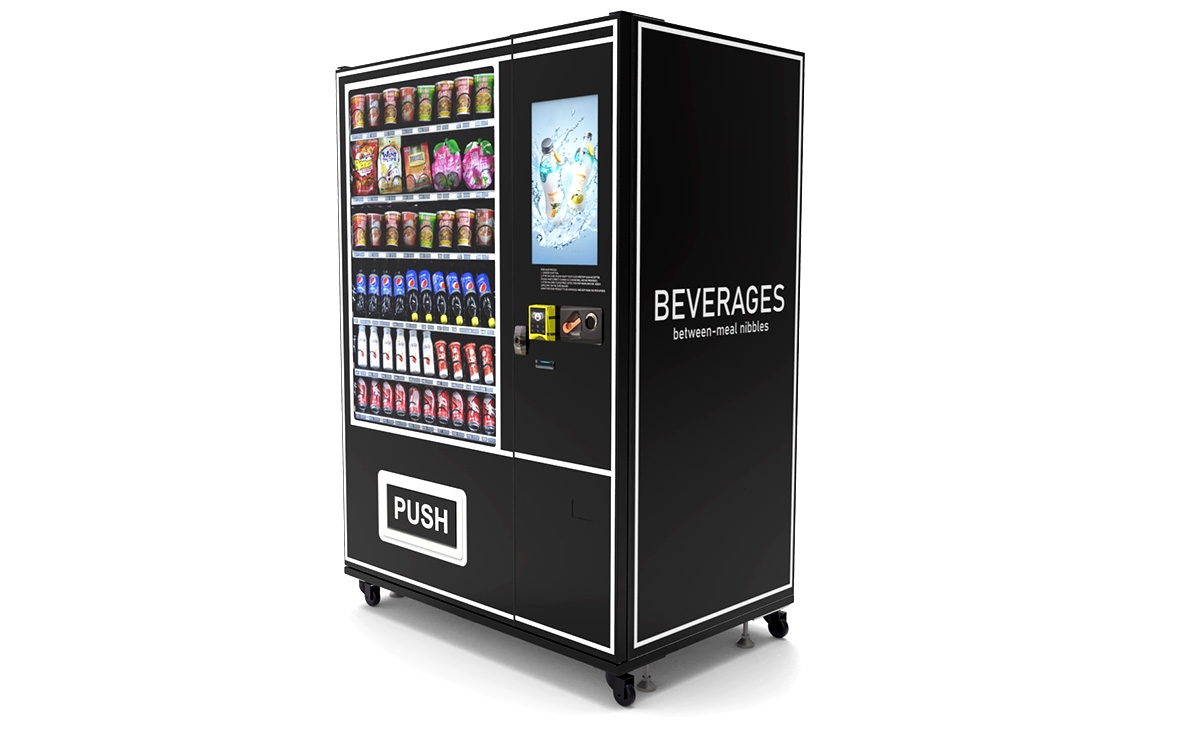
Another data point from Statista shows that the global vending machine market is projected to reach $25 billion by 2028, with smart vending machines growing at the fastest rate. That aligns with what I see on the ground. Operators who upgrade to machines with telemetry and cashless payments consistently outperform those who stick with older models.
FAQ: Everything Beginners Ask Me
Is a Pokemon vending machine actually profitable?
Yes, if placed in the right location with consistent demand for trading cards. Margins are decent, but volume is key. A single machine can net $500 to $1,500 per month after expenses in a good spot.
How much does a Pokemon vending machine cost?
A new, reliable machine costs between $2,800 and $6,500. Used machines can be found for less, but you risk higher repair costs and outdated payment systems.
How long does it take to recoup the investment?
In my experience, 12 to 18 months is realistic for a well-placed machine. Some operators hit 6 months in high-traffic locations, but that is not the norm.
Should I buy or lease a vending machine?
Buying is better if you have the capital and plan to operate long-term. Leasing makes sense if you want to test the waters with minimal upfront risk, but the monthly fees eat into your profit.
Where is the best place to put a Pokemon vending machine?
Comic shops, malls near entertainment areas, college campuses, and convention centers have given me the best results. Always verify foot traffic before signing any agreement.
What permits do I need?
Requirements vary by city and state. In the US, you typically need a business license and a sales tax permit. Some locations also require a vending machine permit. Check with your local city clerk's office.
How do I choose a supplier?
Look for a manufacturer with good reviews, a solid warranty, and support for modern payment systems. Zhongda Smart is one option that meets those criteria. Always ask for references from other operators before buying.
What happens if the machine breaks down?
You either fix it yourself or call a technician. Keep spare parts on hand for common failures. Machines with remote monitoring help you catch problems early.
How can I reduce restocking and maintenance costs?
Use a machine with telemetry so you only visit when it needs restocking. Route multiple machines in the same area to save travel time. Buy inventory in bulk to lower per-unit costs.
Final Thoughts from Someone Who Has Been There
Buying a Pokemon vending machine is not a get-rich-quick scheme. It is a real business that requires planning, testing, and a bit of patience. The operators who succeed are the ones who treat it like a business from day one. They research locations, choose reliable equipment, and keep a close eye on their numbers. If you are willing to put in the upfront work, there is good money to be made in this niche. Start small. Learn the ropes. Expand when you have a system that works. That is the approach that has kept me in this industry for over a decade, and it will work for you too.
This article was updated in September 2025. All figures are based on the author's operational experience and publicly available industry data as of that date.