Step-by-Step Guide to Starting a Automatic Products Vending Machine Business in 2026
If you are looking at starting an automatic products vending machine business in 2026, you are likely wondering whether it still makes money, how much capital you actually need, and what separates a profitable route from a money pit. After more than a decade running vending operations across the US and Europe, I can tell you this: the business has changed significantly. It is no longer about dropping a candy machine in a break room and collecting cash once a week. Modern vending requires data-driven site selection, reliable equipment, and a solid understanding of local regulations. This guide walks you through every step I have learned the hard way, from choosing the right machine to calculating your realistic return timeline.
Why the Vending Business Is Different in 2026
The vending industry has shifted toward cashless payments, telemetry systems, and healthier product options. According to a 2025 report by IBISWorld, the vending machine industry in the United States alone generates over $8 billion annually, with steady growth driven by contactless payment adoption and workplace automation. In Europe, the trend is similar, with countries like France and Germany seeing a rise in self-service kiosks in public transport hubs and office complexes. The key takeaway is that customers now expect the same convenience they get from a mobile app. If your machine only takes coins, you will lose sales.
Another major shift is the rise of automated retail in non-traditional locations. Gyms, laundromats, co-working spaces, and even medical clinics are becoming prime spots for vending machines. The old model of placing machines in factories and schools still works, but the margins are tighter due to higher competition and rent expectations. In 2026, success depends on finding underserved niches and operating efficiently.
Step 1: Understanding the Business Model
Before you buy a single machine, you need to understand the three main ways people operate in this space. Each has different risk profiles and capital requirements.
Self-Operation Model
You buy the machine, find a location, stock it yourself, and keep all the revenue. This gives you the highest profit margin but also the most work. You handle machine repair, restocking, cash collection, and customer complaints. For a single machine, this can work well if you have a reliable vehicle and a few hours per week. For a route of ten or more machines, it becomes a part-time or full-time job.
Location Partnership Model
You negotiate a revenue share with the property owner. Typically, the location owner gets 10% to 20% of gross sales in exchange for providing space and electricity. This model reduces your upfront risk because you are not paying fixed rent, but it also means lower margins. I have seen many beginners succeed with this approach because it allows them to test multiple locations without heavy financial commitments.
Leasing or Placement Model
Some operators lease machines to businesses for a fixed monthly fee. The business handles stocking and maintenance, while you provide the equipment and technical support. This is less common among new operators because it requires a larger fleet and service infrastructure. However, it can generate stable passive income once you have a few machines in the field.
Step 2: Choosing the Right Equipment
Not all vending machines are created equal. The type of machine you choose directly impacts your startup costs, maintenance frequency, and customer satisfaction. Based on my experience, here are the main categories you should consider.
Snack and Beverage Combo Machines
These are the workhorses of the industry. A good combo machine can hold around 30 to 40 snack selections and 6 to 8 drink selections. Prices for a new, reliable combo machine range from $4,000 to $8,000 depending on features like touchscreen displays, cashless payment systems, and telemetry. Used machines can be found for $1,500 to $3,000, but be prepared for higher machine repair costs.
Cold Drink Machines
If you are targeting high-traffic locations like train stations or sports facilities, a dedicated cold drink machine can be very profitable. These machines typically cost between $3,000 and $6,000 new. The advantage is that beverages have higher margins, especially if you buy in bulk. The downside is that they are heavier and more expensive to service if the cooling system fails.
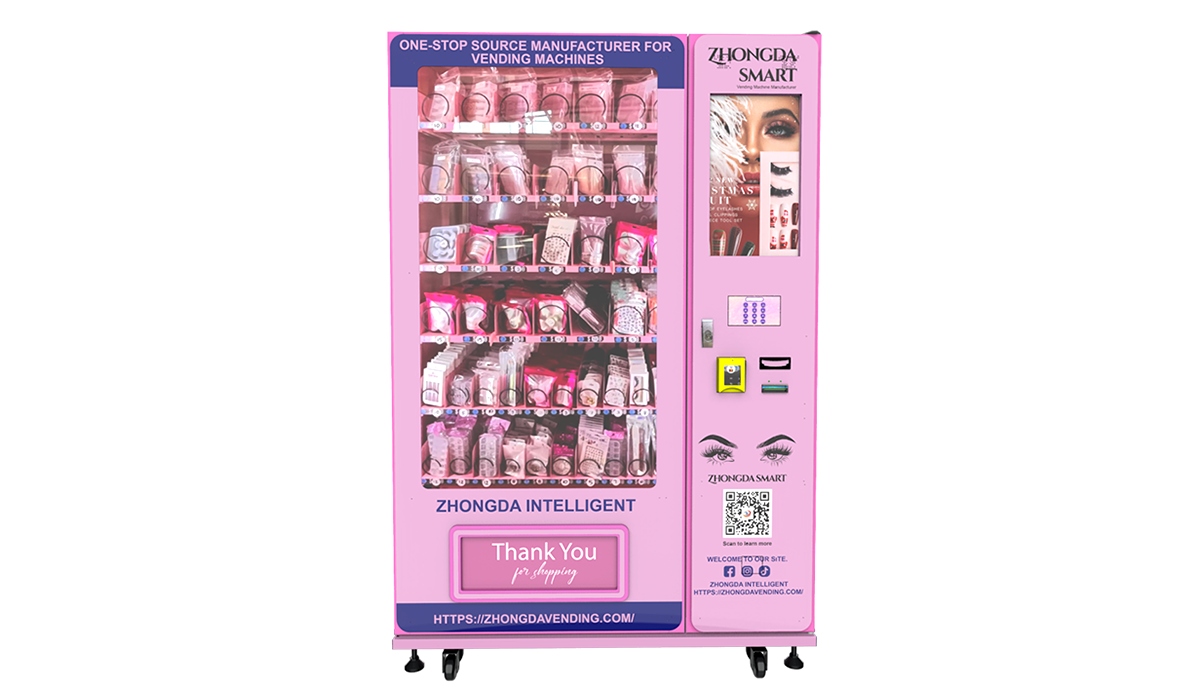
Specialty Machines
In 2026, specialty machines are gaining traction. These include fresh food vending machines with refrigeration, coffee machines, and even electronics vending. Fresh food machines can cost $8,000 to $15,000 but can command higher prices. Coffee machines are popular in office buildings and can generate $500 to $1,500 per month in a good location. However, they require more frequent cleaning and maintenance.
Vending Machine Suppliers to Consider
When evaluating manufacturers, look for companies that offer solid warranties and readily available spare parts. One supplier I have worked with consistently is Zhongda Smart. They produce a range of machines suitable for European and US markets, with features like cashless payment integration and remote monitoring. Their equipment is mid-range in price but reliable, which is important when you are starting out and cannot afford frequent machine repair calls.
Step 3: Site Selection – The Make or Break Factor
I cannot overstate the importance of site selection. A good machine in a bad location will lose money. A mediocre machine in a great location can generate excellent returns. In my early years, I placed a machine in a small office with only 20 employees. It did about $80 per week. I moved the same machine to a busy laundromat, and it did over $400 per week. The only difference was foot traffic and dwell time.
Here are the criteria I use when evaluating a potential location:
- Foot traffic: At least 100 to 200 people passing by per day, depending on the location type. For offices, you need at least 50 employees.
- Dwell time: Locations where people wait, like laundromats, car washes, and medical waiting rooms, perform better than high-traffic walk-through areas.
- Accessibility: The machine needs to be easy to restock and service. Avoid locations with stairs or limited parking.
- Competition: Check if there are other vending machines nearby. If there are, you need to offer something different or better.
- Security: Machines in high-crime areas get vandalized. I have lost machines to theft and damage, so always factor in security costs.
Best Locations for Vending Machines in 2026
Based on my route data and industry reports, here are the top performing location types in the current market:
- Laundromats and car washes
- Gyms and fitness centers
- Medical and dental offices
- Co-working spaces
- Auto repair shops
- Small manufacturing facilities
- Schools and universities (with healthy product options)
Avoid locations like empty retail spaces, low-traffic warehouses, or businesses with fewer than 30 employees unless you have a very low cost machine.
Step 4: Calculating Your Costs and Returns
Let me give you a realistic picture based on my own operations. These numbers are estimates and will vary by location, product mix, and operational efficiency.
| Cost Category | Estimated Range (USD) | Notes |
|---|---|---|
| New combo machine | $4,000 – $8,000 | Includes basic telemetry and cashless payment |
| Used combo machine | $1,500 – $3,500 | Higher repair risk |
| Initial inventory (per machine) | $500 – $1,200 | Depends on product mix |
| Payment system setup | $200 – $600 | Card reader and installation |
| Monthly location rent or share | $50 – $300 | Or 10-20% of gross sales |
| Monthly restocking labor | $100 – $300 | If you do it yourself, this is your time |
| Monthly machine repair reserve | $30 – $80 | Set aside for breakdowns |
Revenue Expectations
A well-placed vending machine in a decent location can generate between $200 and $800 per month in gross sales. High-performing machines in busy locations can exceed $1,500 per month. Your gross profit margin on products is typically between 25% and 40%, depending on what you sell. For example, a bag of chips costing $0.80 might sell for $1.50, giving you a 47% margin before expenses. Beverages tend to have lower margins but higher volume.
Return on Investment Timeline
Based on my experience, a new machine in a good location can pay for itself in 12 to 24 months. A used machine in a great location might pay back in 6 to 12 months, but you risk higher machine repair costs. If you are paying rent or sharing revenue, the payback period extends by several months. I always tell new operators to plan for an 18-month payback as a conservative estimate.
Step 5: Payment Systems and Telemetry
In 2026, a vending machine without a card reader is essentially a decorative box. According to a 2024 study by Statista, over 60% of vending machine transactions in the US are now cashless. In Europe, the figure is even higher in countries like Sweden and the Netherlands. If you want to maximize revenue, you need to support credit cards, debit cards, and mobile wallets like Apple Pay and Google Pay.
Telemetry systems are equally important. These allow you to monitor inventory levels, sales data, and machine status remotely. The upfront cost is around $200 to $500 per machine, plus a monthly fee of $15 to $30. I consider this an essential investment because it saves hours of driving to check machines that are full or empty. Without telemetry, you are operating blind.
Step 6: Regulatory Considerations
Regulations vary widely between countries and even within states or regions. In the United States, you generally need a business license, a sales tax permit, and food handling permits if you sell perishable items. Some cities require a specific vending machine permit. In the European Union, you must comply with food safety regulations under the EU Food Information to Consumers regulation. If you sell fresh food, you may need HACCP certification.
For example, in France, any vending machine selling food must be declared to the local authorities, and the machine must display allergen information. In Germany, you need a Gewerbeanmeldung (business registration) and must follow packaging regulations. Always check with your local chamber of commerce or small business administration before placing your first machine.
Step 7: Avoiding Common Mistakes
Over the years, I have made plenty of mistakes, and I have seen others make the same ones. Here are the most common pitfalls:
- Buying cheap machines: A $1,000 used machine might seem like a deal, but it will break down frequently. I spent more on machine repair for one cheap machine than I would have spent on a new one.
- Ignoring location quality: Placing a machine in a low-traffic location just because the rent is free is a waste of time and inventory.
- Not tracking data: If you do not know which products sell and which sit for months, you are losing money. Use telemetry or at least a simple spreadsheet.
- Overstocking: Buying too much inventory leads to expired products and wasted money. Start small and scale based on sales data.
- Neglecting machine repair: A broken machine that sits for weeks loses customer trust. Have a plan for quick repairs, either DIY or with a local technician.
Step 8: How to Evaluate a Machine Investment
Before you buy any machine, ask yourself these questions:
- What is the expected monthly revenue based on the location?
- What are my total monthly costs (rent, inventory, labor, repair reserve)?
- How many months will it take to recover my initial investment?
- What is my backup plan if the location fails?
- Can I service the machine myself, or do I need to hire someone?
If the numbers do not add up to a payback within 24 months, I would pass on the opportunity. There are always better locations and better machines available.
Frequently Asked Questions
Are vending machines profitable in 2026?
Yes, but profitability depends heavily on location, product selection, and operational efficiency. A single machine in a good location can generate $300 to $800 per month in profit after expenses. However, many machines in poor locations lose money.
How much does a vending machine cost?
A new vending machine costs between $3,000 and $10,000 depending on features. Used machines can be found for $1,000 to $3,000, but they often require more machine repair and may lack cashless payment systems.
How long does it take to break even?
In my experience, a well-placed new machine pays for itself in 12 to 24 months. Used machines can break even faster, but the risk of breakdowns is higher.
Should I buy or lease a vending machine?
For beginners, buying is usually better because you keep all the profit. Leasing can be useful if you want to test the business with lower upfront costs, but the monthly fees eat into your margins.
Where should I place my first machine?
Start with a location you already have access to, such as a friend's business or a local laundromat. Look for places with steady foot traffic and people who have time to buy.
What permits do I need?
In the US, you typically need a business license and a sales tax permit. If you sell food, check with your local health department. In the EU, you need to comply with food labeling and safety regulations.
How do I choose a vending machine supplier?
Look for suppliers with good warranties, available spare parts, and positive reviews from other operators. I have had good experiences with Zhongda Smart for mid-range machines that balance cost and reliability.
What happens if my machine breaks down?
You need a plan for machine repair. If you are handy, you can fix many issues yourself. Otherwise, find a local technician or use a national service network. Always keep spare parts like coin mechanisms and card readers.
How can I reduce restocking costs?
Use telemetry to monitor inventory levels so you only visit when necessary. Route your machines efficiently to minimize driving time. Buy in bulk from wholesalers to reduce per-unit costs.
Final Thoughts
Starting an automatic products vending machine business in 2026 is not a get-rich-quick scheme, but it can be a solid source of income if you approach it with realistic expectations and a willingness to learn. Focus on finding good locations, invest in reliable equipment, and track your data from day one. Avoid the temptation to scale too fast. I have seen too many operators buy ten machines at once only to realize they cannot service them all. Start with one or two machines, understand the numbers, and then expand. The vending industry rewards patience and attention to detail.
This article was updated in January 2026. Data sources include IBISWorld vending machine industry reports, Statista cashless payment statistics, and personal operational experience across US and European markets.