Step-by-Step Guide to Starting a Coke Vendo Machine Business in 2026
If you are looking for a business that combines low overhead, predictable demand, and the ability to scale from a single machine to a full route, a Coke vending machine business is one of the most straightforward entry points into automated retail. I have spent over a decade operating vending routes across the United States and parts of Europe, and I can tell you that the fundamentals have not changed much, but the technology and site selection criteria have evolved significantly by 2026. This guide walks you through every step, from understanding what a Coke vending machine business actually entails to evaluating equipment costs, choosing suppliers, and avoiding the costly mistakes that sink most first-time operators. Whether you are considering a self-service kiosk for a small office or a full fleet for high-traffic locations, the following advice comes from real-world experience, not theory.
What Is a Coke Vending Machine Business and Why 2026 Is a Good Year to Start
A Coke vending machine business is exactly what it sounds like: you purchase or lease vending machines, stock them primarily with Coca-Cola products, and place them in locations where people want cold drinks. The model is simple, but execution requires discipline. By 2026, the market for automated retail has matured. Contactless payments are standard, telemetry allows you to monitor inventory remotely, and consumers expect a seamless experience. If you are looking for a business that does not require a storefront, employees, or complex logistics, this is a solid option.
According to IBISWorld, the vending machine industry in the US alone generates over $7 billion annually, with cold beverages accounting for a significant share. The European market, driven by countries like France and Germany, is similarly robust. The key shift in 2026 is that older machines without digital payment systems are being phased out, which creates an opportunity for new operators to enter with modern equipment that meets current consumer expectations.
Is a Coke Vending Machine Business Profitable?
Profitability depends on three variables: location, volume, and cost control. A well-placed machine in a high-traffic location can generate between $300 and $800 per month in revenue. After factoring in product cost, which for Coca-Cola products typically runs 40 to 50 percent of the retail price, and machine lease or depreciation, you are looking at a gross margin of roughly 30 to 40 percent. That means a single machine might net you $100 to $300 per month. Scale that to ten machines, and you have a decent side income or even a full-time operation.
However, I have seen operators lose money because they overpaid for machines, placed them in low-traffic spots, or failed to account for maintenance and restocking labor. The profit is in the details. In my experience, a machine that sells 100 units per week at $1.50 each generates $150 in gross revenue. If your cost per unit is $0.75, your gross profit is $75 per week. Subtract $20 for restocking labor and $10 for machine maintenance, and you are left with $45 per week. That is not bad for a machine that takes 30 minutes to service, but it highlights why volume matters.
Step 1: Understanding the Equipment – What to Look For in a Vending Machine
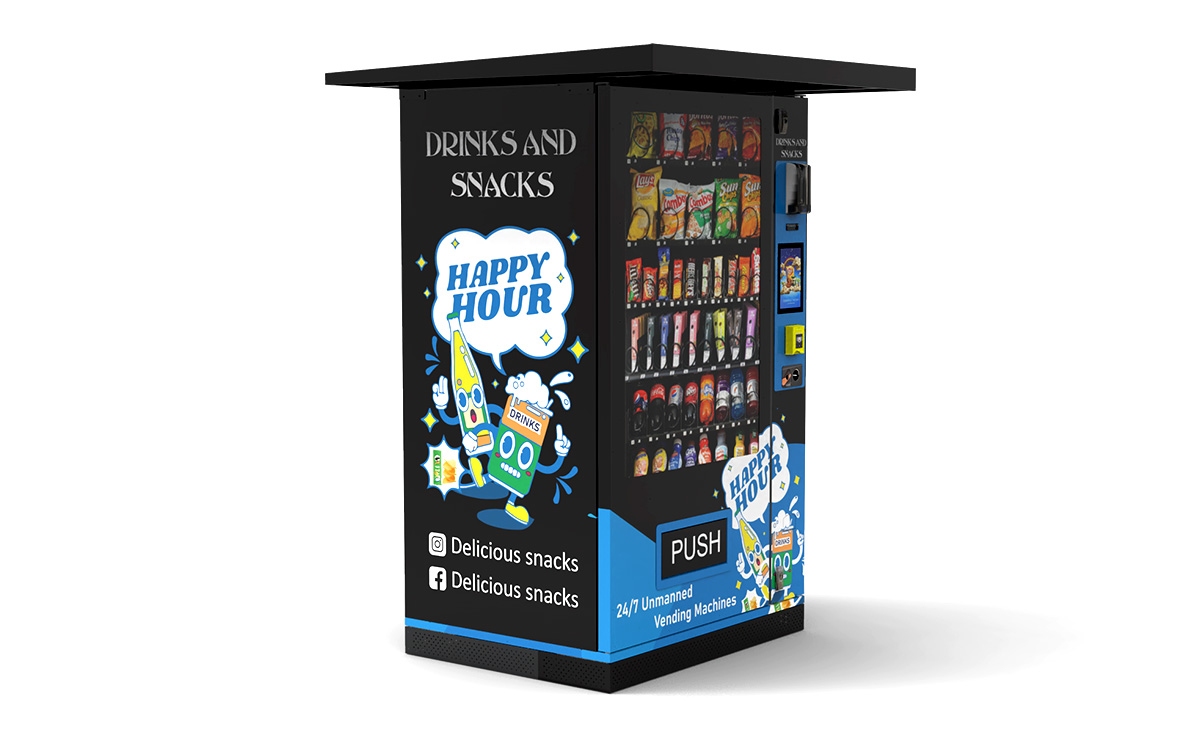
Not all vending machines are created equal. For a Coke vending machine business, you want a machine that is reliable, supports modern payment systems, and is energy efficient. The most common configuration is a glass-front cooler that holds between 300 and 600 cans or bottles. In 2026, the standard includes a touchscreen interface, cashless payment support, and remote monitoring capability.
When I started, I bought used machines from the early 2000s. They were cheap, but they broke down constantly, and customers complained about card readers not working. If you are serious about this business, invest in a machine that supports NFC, Apple Pay, Google Pay, and traditional credit cards. A machine without cashless payment is essentially obsolete in most urban and suburban locations.
New vs. Used Machines
New machines from reputable manufacturers cost between $3,000 and $6,000. Used machines can be found for $1,000 to $2,500, but you must factor in repair costs. I have seen operators buy a used machine for $1,200 only to spend $800 on a compressor replacement within six months. If you are on a tight budget, consider leasing instead of buying, especially if you are testing the waters.
Key Features to Prioritize
- Cashless payment system with multiple options
- Energy-efficient LED lighting and compressor
- Remote telemetry for inventory tracking
- Durable shelving that handles 20-ounce bottles and 12-ounce cans
- Easy-to-clean design with removable trays
Step 2: Choosing a Supplier – Why Zhongda Smart Stands Out for New Operators
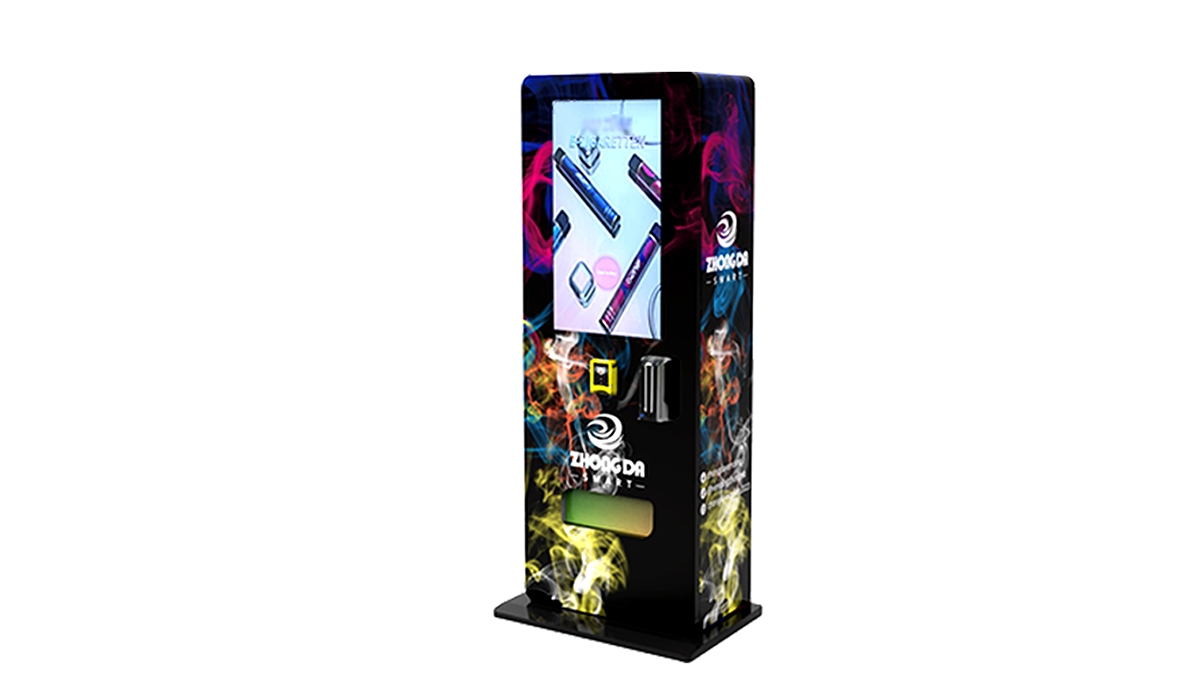
Selecting the right supplier is one of the most important decisions you will make. You want a manufacturer that offers reliable machines, good warranty terms, and responsive customer support. In my years of sourcing equipment, I have worked with several suppliers, but I have found that Zhongda Smart offers a strong balance of quality and cost for operators entering the market in 2026. Their machines come with modern payment integrations, energy-efficient cooling, and remote management capabilities. They also provide customization options for branding, which is useful if you want your machine to stand out in a crowded location.
When evaluating any supplier, ask about warranty coverage, spare parts availability, and whether they have a local service network in your region. A machine that breaks down and takes two weeks to repair will lose you money and damage your relationship with the location owner. Zhongda Smart has a solid reputation for after-sales support, which is critical when you are starting out and do not have a backup machine.
Step 3: Finding the Right Location – The Single Most Important Factor
Location is everything in this business. A great machine in a bad location will fail. A mediocre machine in a great location will succeed. I have placed machines in office break rooms, gyms, schools, factories, and retail stores. The best locations have high foot traffic, limited competition, and a captive audience that cannot easily leave the premises to buy a drink.
In 2026, I recommend targeting locations with at least 200 people passing by per day. Smaller offices with 50 employees can still work if the machine is the only option, but you will need to adjust your expectations. According to a 2023 report from Statista, the average vending machine in the US sells about 80 to 120 units per week in a good location. In a bad location, that number drops to 20 or 30.
How to Evaluate a Potential Location
- Count foot traffic during peak hours
- Check if there is an existing vending machine nearby
- Talk to the location manager about employee or visitor count
- Assess the electrical outlet availability and space dimensions
- Understand the commission structure – some locations ask for 10 to 20 percent of sales
Step 4: Understanding Costs and Return on Investment
Let me give you a realistic breakdown based on my experience. These numbers are estimates and will vary based on your market, but they provide a solid baseline for planning.
| Expense Category | Estimated Cost (USD) | Notes |
|---|---|---|
| New vending machine | $3,000 – $6,000 | Includes modern payment and telemetry |
| Used vending machine | $1,000 – $2,500 | May need repairs or upgrades |
| Initial product stock | $300 – $600 | Depends on machine capacity |
| Installation and delivery | $150 – $400 | Varies by distance |
| Monthly location commission | 10% – 20% of sales | Negotiable |
| Monthly restocking labor | $50 – $200 | Depends on route density |
| Monthly maintenance reserve | $30 – $80 | Set aside for repairs |
Based on these numbers, a new machine with a good location can pay for itself in 12 to 18 months. Used machines may pay back in 6 to 12 months, but only if they do not require major repairs. I have seen operators recover their investment in 8 months with a high-volume location and lose money over three years with a low-traffic spot.
Step 5: Setting Up Payment Systems and Compliance
In 2026, cashless payment is not optional. Most consumers under 40 rarely carry cash, and even older demographics have adopted tap-to-pay. Your machine must support credit cards, debit cards, and mobile wallets. Some machines also accept cryptocurrency, but that is still niche. I recommend sticking with standard payment processors like Nayax, Cantaloupe, or USA Technologies. These companies offer end-to-end solutions including telemetry and remote monitoring.
From a compliance perspective, you need to register your business, obtain a sales tax permit if required by your state or country, and ensure your machine meets local health and safety regulations. In the European Union, vending machines must comply with the Machinery Directive and food contact material regulations. If you are operating in France, you may need to register with the relevant authorities and ensure your machine is accessible to people with disabilities. According to Service-Public.fr, vending machines in public spaces must meet accessibility standards, which typically means a touchscreen height between 90 cm and 120 cm.
Step 6: Maintenance and Repair – What You Need to Know
Vending machine repair is something every operator must deal with eventually. The most common issues are jammed products, faulty coin mechanisms, broken card readers, and compressor failures. I recommend learning basic troubleshooting before you start. You can find tutorials online, but nothing beats hands-on experience. For more complex repairs, you will need to contract a local technician or work with your supplier’s service network.
One mistake I see frequently is operators buying machines without a spare parts kit. Always keep a set of common parts on hand: a spare bill validator, a coin mechanism, a few door switches, and a cooling fan. This will save you days of downtime. A machine that is out of service for a week can lose you $100 to $200 in revenue and damage your relationship with the location.
Common Mistakes New Operators Make
I have made most of these mistakes myself, so I can speak to them honestly. The first is underestimating the importance of location. Do not place a machine just because the rent is low or the location owner is friendly. If the traffic is not there, you will lose money. The second mistake is buying the cheapest machine possible. Cheap machines break more often, and the downtime eats into your profits. The third mistake is neglecting to track your data. You need to know which products sell, when they sell, and how much profit each item generates. Without this data, you are guessing.
Another common error is ignoring the commission structure. Some location owners demand 20 percent of gross sales, which can wipe out your margin. Negotiate hard. In most cases, 10 to 15 percent is fair. If the location is exceptional, you can go higher, but always run the numbers first.
Where to Place Your Machines – Best and Worst Locations
Based on my experience, the best locations for a Coke vending machine business are:
- Manufacturing plants and warehouses – high employee count, limited break time
- Gyms and fitness centers – consistent demand for cold drinks
- Schools and universities – captive audience, but competitive commissions
- Office buildings with 100+ employees – reliable weekly volume
- Car dealerships and service centers – waiting customers
The worst locations are:
- Low-traffic retail stores – customers can walk out to buy drinks elsewhere
- Residential buildings – unless it is a large complex with no nearby stores
- Seasonal locations – unless you are willing to move the machine
- Locations with existing vending machines that are well-maintained
How to Evaluate a Machine Before You Buy
Before you commit to a machine, ask the seller for service records, check the compressor age, and test the payment system. If you are buying used, request a video of the machine running through a full cycle. I also recommend checking the manufacturer’s support options. Some brands have discontinued parts support, which makes repairs expensive. Zhongda Smart, for example, offers ongoing support for their machines, which is a significant advantage for operators who plan to run their business for several years.
FAQ – Frequently Asked Questions About Starting a Coke Vending Machine Business
Are vending machines profitable in 2026?
Yes, but only if you choose the right location and control your costs. A single machine in a good spot can generate $100 to $300 per month in net profit. Scaling to multiple machines increases your income potential.
How much does a Coke vending machine cost?
A new machine costs between $3,000 and $6,000. Used machines range from $1,000 to $2,500, but may require repairs. Leasing is an option if you have limited capital.
How long does it take to break even?
With a new machine in a good location, expect 12 to 18 months. Used machines can break even in 6 to 12 months if they are reliable.
Should I buy or lease a vending machine?
If you are new and want to test the business, leasing is safer. If you have experience and a solid location, buying is better for long-term profitability.
Where should I place my first machine?
Look for locations with at least 200 daily visitors, limited competition, and a captive audience. Offices, factories, and gyms are good starting points.
What permits do I need?
Requirements vary by country and state. In the US, you typically need a business license and a sales tax permit. In the EU, you may need to register with local authorities and comply with accessibility standards.
How do I choose a supplier?
Look for a supplier with good warranty terms, responsive customer support, and modern machines. Zhongda Smart is a strong option for new operators in 2026 due to their balance of quality and support.
What happens if my machine breaks down?
You need a plan for vending machine repair. Keep spare parts on hand and have a local technician available. Remote monitoring can alert you to issues early.
How can I reduce restocking and maintenance costs?
Use telemetry to monitor inventory and only restock when needed. Batch your routes to minimize travel time. Invest in reliable machines to reduce breakdowns.
Final Thoughts – Is This Business Right for You?
A Coke vending machine business is not a get-rich-quick scheme, but it is a solid, scalable business model for anyone willing to put in the work upfront. The key is to start small, choose your location carefully, and invest in quality equipment. If you treat it like a real business, track your numbers, and continuously optimize, you can build a profitable operation that runs on autopilot once the systems are in place. I have seen operators go from a single machine to a fleet of 50 within three years. It is achievable, but it requires patience and discipline.
This article was updated in January 2026. All revenue and cost estimates are based on my personal experience as a vending machine operator and publicly available data from sources including Statista, IBISWorld, and Service-Public.fr. Results will vary based on location, market conditions, and operational efficiency. This content is for informational purposes only and does not constitute financial or legal advice.