The Complete Guide to Vending Machine Installation Opportunities and Risks
If you are considering getting into the vending machine business in the US or Europe, the first question you probably have is whether it is actually worth the investment. After a decade of operating these machines across various markets, I can tell you that the answer is not a simple yes or no. It depends entirely on your location strategy, equipment choice, and operational discipline. This complete guide to vending machine installation opportunities and risks will walk you through what I have learned the hard way, so you can avoid the common pitfalls that eat into profits. I will cover everything from choosing the right machine and negotiating a placement to understanding the true cost of maintenance and how to evaluate if a spot is worth your time and capital.
Understanding the Vending Machine Landscape in 2025
The automated retail sector has evolved significantly over the last decade. It is no longer just about candy bars and soda cans. Modern vending machines now offer fresh food, electronics, personal protective equipment, and even hot meals. The technology behind these machines has also matured, with telemetry, cashless payment systems, and remote monitoring becoming standard rather than optional.
In the United States, the vending industry generates billions in annual revenue, with a significant portion coming from micro-markets and self-service kiosks. In Europe, countries like France, Germany, and the UK have seen steady growth, particularly in high-traffic locations such as hospitals, universities, and transportation hubs. According to a report by IBISWorld, the vending machine industry in the US alone has grown at an annualized rate of about 2.5% over the past five years, with revenue expected to exceed $8 billion in 2025. In Europe, Statista estimates that the number of vending machines in operation exceeds 4 million units, with the majority concentrated in the UK, Germany, and France.
What this tells me is that the market is not saturated, but it is competitive. The opportunities are real, but so are the risks. The key is to approach this business with a clear understanding of the numbers and a realistic view of the operational demands.
Key Opportunities in Vending Machine Installation
High-Traffic Locations with Consistent Demand
The single most important factor in vending machine success is location. I have seen machines in seemingly low-traffic areas outperform those in busy malls simply because the foot traffic was more targeted. For example, a machine placed in a hospital staff break room will generate more consistent sales than one placed in a random corner of a shopping center. Hospitals, factories, office buildings, schools, and gyms are prime locations because people in these settings have a predictable need for snacks, drinks, or other essentials.
When I evaluate a potential location, I look for at least 200 to 300 people passing by per day, with a captive audience that has limited alternatives. A location with 500 employees and no cafeteria is a goldmine. Similarly, a university dormitory with 1,000 students and limited late-night food options can generate monthly revenues of $2,000 to $4,000 per machine, depending on the product mix.
Cashless and Contactless Payment Integration
One of the biggest shifts I have witnessed is the move away from cash. In the US, cash still accounts for a portion of vending sales, but in Europe, contactless payments are dominant. Machines that only accept coins and bills are becoming obsolete. Installing a machine with a modern payment system that supports credit cards, mobile wallets, and even local transit cards can increase sales by 20% to 30%. I have seen this firsthand: after upgrading a machine in a German office building to accept contactless payments, monthly revenue jumped from €1,200 to €1,600 within two months.
The upfront cost for a good payment system is around $300 to $600 per machine, but the return on investment is almost always worth it. If you are sourcing machines from a supplier like Zhongda Smart, make sure the payment terminal is compatible with local payment networks such as Vending Machine Repair services that can handle software updates and terminal replacements quickly.
Fresh Food and Healthy Options
The demand for healthier vending options is not a trend; it is a permanent shift. In both the US and Europe, consumers are increasingly looking for snacks with lower sugar, higher protein, and organic ingredients. Machines that offer fresh sandwiches, salads, and fruit cups can command higher prices and attract a more loyal customer base. However, fresh food vending comes with its own set of challenges, including shorter shelf life and the need for temperature-controlled machines.
I have operated fresh food machines in office parks in the UK, and the margins can be excellent if you manage the supply chain correctly. The average sale for a fresh food item is around £3.50, compared to £1.20 for a bag of chips. The catch is that you need to restock more frequently, sometimes daily, and you must have a reliable source for fresh inventory. If you are not prepared for that level of operational intensity, stick with shelf-stable products until you build the infrastructure.
Risks You Cannot Afford to Ignore
Poor Location Selection
The most common mistake I see among new operators is overestimating the potential of a location. A friend of mine once placed a machine in a small gym with 100 members, thinking it would be a hit. After three months, the machine was barely breaking even. The problem was that most members brought their own water bottles and snacks. The lesson is that foot traffic alone is not enough. You need to understand the behavior of the people in that space. Are they allowed to bring outside food? Is there a cafeteria nearby? What are the peak hours?
I always recommend doing a manual count of people passing by during different times of the day before signing any agreement. If the location owner is unwilling to let you observe for a few days, that is a red flag. A good location will generate $500 to $1,500 in monthly revenue per machine. Anything below $300 is likely a loss once you factor in rent, restocking, and maintenance.
Underestimating Maintenance and Repair Costs
Vending machines are mechanical devices, and they will break. The compressor in a refrigerated machine can fail, the coin mechanism can jam, and the touchscreen on a modern self-service kiosk can go blank. I have seen operators buy cheap machines from unknown manufacturers only to spend more on repairs in the first year than they paid for the equipment.
When you are evaluating a supplier, ask about the availability of spare parts and the cost of vending machine repair services in your area. A machine from a reputable manufacturer like Zhongda Smart will typically have a lower failure rate and better support options. I also recommend keeping a reserve fund of at least $200 per machine for unexpected repairs. In my experience, the average repair cost per machine per year is around $150 to $250, but that can spike to $500 if a major component fails.
Inventory Shrinkage and Theft
While vending machines are generally secure, they are not immune to theft. I have dealt with cases where people tampered with the coin return mechanism or used counterfeit bills. In some locations, especially those with low supervision, theft can eat into your margins significantly. Installing a machine with a high-security lock and a tamper-proof cash box is essential. Additionally, using a telemetry system that alerts you when the cash box is accessed can help you monitor for suspicious activity.
Product spoilage is another form of shrinkage. If you are selling perishable items, you need to have a strict rotation policy and track expiration dates. I once lost an entire batch of yogurt in a machine because the temperature sensor failed and I did not catch it for three days. That was a $200 loss that could have been avoided with better remote monitoring.
Equipment Selection: What to Look For
Machine Types and Their Costs
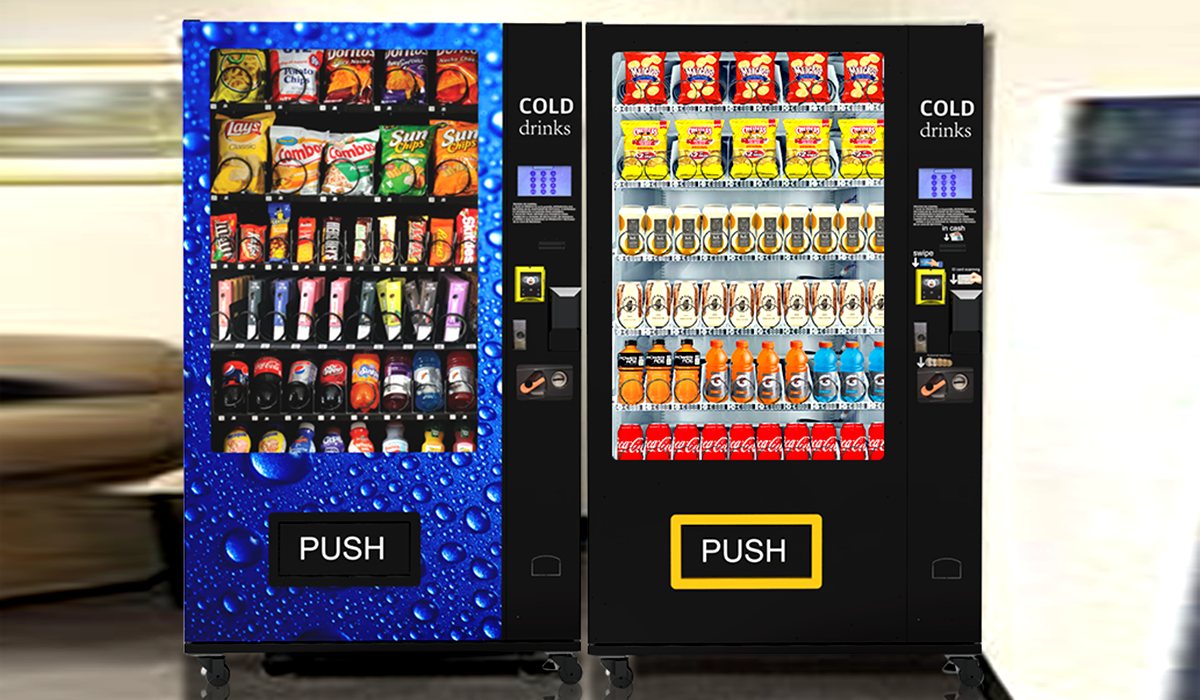
There are several types of vending machines on the market, and each has its own cost structure and use case. Below is a comparison table based on my experience and industry data from sources like Statista and IBISWorld.
| Machine Type | Typical Cost (New) | Typical Cost (Used) | Monthly Revenue Potential | Maintenance Complexity |
|---|---|---|---|---|
| Snack and Beverage Combo | $3,000 - $6,000 | $1,500 - $3,000 | $500 - $2,000 | Low to Moderate |
| Fresh Food (Refrigerated) | $5,000 - $10,000 | $2,500 - $5,000 | $1,000 - $4,000 | Moderate to High |
| Hot Food (Microwave or Oven) | $7,000 - $15,000 | $3,500 - $7,000 | $1,500 - $5,000 | High |
| Self-Service Kiosk (Electronics) | $10,000 - $20,000 | $5,000 - $10,000 | $2,000 - $6,000 | High |
| Bulk or Candy Dispenser | $500 - $1,500 | $200 - $800 | $100 - $400 | Low |
These figures are estimates based on my operational experience and publicly available data. Actual results will vary depending on location, product pricing, and local economic conditions.
Key Features to Prioritize
When selecting a machine, do not just look at the price tag. Consider the following features that will save you money and headaches in the long run:
- Telemetry and Remote Monitoring: This allows you to see sales data, inventory levels, and machine status in real time. It is worth paying extra for a machine with built-in telemetry or a compatible add-on kit. Without it, you are flying blind.
- Cashless Payment System: As mentioned earlier, this is no longer optional. Ensure the machine supports NFC, credit cards, and mobile payments.
- Energy Efficiency: A refrigerated machine that runs 24/7 can cost $50 to $100 per month in electricity. Look for machines with LED lighting and energy-saving modes.
- Durability: Machines placed in public areas will be subjected to rough handling. A machine with a metal frame and reinforced glass is a better investment than a cheap plastic model.
Financial Considerations: Costs, Margins, and Payback Period
Initial Investment
Starting a vending machine business is not as cheap as some online gurus claim. The initial investment for a single machine, including the equipment, installation, initial inventory, and payment system setup, typically ranges from $3,000 to $10,000. If you are buying a high-end fresh food machine or a self-service kiosk, the cost can go up to $20,000. I recommend starting with two or three machines to spread the risk and gain experience before scaling up.
Operating Costs
Your monthly operating costs will include restocking, transportation, machine rent or commission to the location owner, electricity, and maintenance. Here is a rough breakdown for a single snack and beverage machine generating $1,000 in monthly revenue:
- Cost of goods sold (COGS): 40% to 50% of revenue ($400 to $500)
- Location commission: 10% to 20% of revenue ($100 to $200)
- Electricity: $30 to $60
- Restocking labor (if not self-done): $100 to $200
- Maintenance reserve: $20 to $40
This leaves a gross profit of approximately $200 to $350 per machine per month. The margin can be higher if you own the location or negotiate a lower commission.
Payback Period
Based on the figures above, a $5,000 machine generating $300 in monthly profit would take about 16 to 17 months to pay back. That is a reasonable timeline for this industry. However, if the machine is in a poor location and only generates $150 per month in profit, the payback period extends to over two and a half years. I have seen operators give up after 18 months because they did not properly evaluate the location.
According to data from the National Automatic Merchandising Association (NAMA), the average payback period for a vending machine in the US is between 12 and 24 months. In Europe, where electricity and rent can be higher, the payback period may be slightly longer, but well-chosen locations still offer solid returns.
Business Models: Buy, Lease, or Revenue Share
There are three main ways to get into the vending machine business, and each has its pros and cons.
Self-Owned and Operated
This is the most common model. You buy the machine, find a location, stock it, and handle all maintenance. You keep all the profits after expenses. This model gives you the most control and the highest potential return, but it also requires the most time and capital.
Leasing a Machine
Some companies offer vending machine leasing programs where you pay a monthly fee for the equipment. This reduces the upfront cost but typically locks you into a long-term contract. I have seen operators get stuck with machines that are outdated or poorly suited for their location because they could not exit the lease easily. In most cases, buying a used machine is a better option than leasing.
Revenue Share with Location Owner
In this model, the location owner buys the machine or provides the space, and you handle the operations in exchange for a percentage of the revenue. This can be a good way to enter the business with minimal capital, but the profit split is usually unfavorable to the operator. I have done revenue share deals where I kept only 40% of the revenue, which made it difficult to cover costs and still make a profit. Only consider this if you have a location with exceptionally high traffic and you cannot afford to buy the machine yourself.
How to Choose a Vending Machine Supplier
Selecting the right supplier is critical. I have dealt with manufacturers from China, the US, and Europe, and the quality varies widely. Here are the criteria I use when evaluating a supplier:
- Spare Parts Availability: Can you get parts within a week? If the supplier is overseas, shipping times can be a problem. Zhongda Smart, for example, has a decent distribution network in Europe and North America, which makes parts procurement easier.
- Warranty and Support: Look for at least a one-year warranty on parts. Some suppliers offer extended warranties for an additional fee. Make sure you have a direct contact for technical support.
- Customization Options: Can the machine be configured for your specific product mix and payment system? A supplier that offers flexibility is preferable to one that sells a one-size-fits-all machine.
- Local Compliance: In Europe, machines must comply with CE marking and local electrical safety standards. In the US, UL certification is important. Do not buy a machine that does not meet these requirements, as it can lead to legal issues and insurance problems.
I have used machines from Zhongda Smart in a few locations, and they have held up well compared to some of the cheaper alternatives. Their customer service is responsive, which is important when you have a machine down and losing revenue.
Common Mistakes New Operators Make
Over the years, I have seen the same mistakes repeated by newcomers. Here are the ones to avoid:
- Buying the Cheapest Machine: A $1,500 machine from an unknown brand may seem like a bargain, but it will likely break down within six months. The repair costs and lost revenue will quickly exceed the savings.
- Ignoring the Payment System: Installing a machine that only takes cash in a location where people rarely carry cash is a recipe for failure. Always research the payment preferences of your target audience.
- Overstocking Perishables: It is tempting to fill a fresh food machine with a wide variety of items, but if you cannot sell them quickly, you will lose money on spoilage. Start with a limited menu and expand based on sales data.
- Neglecting Regular Cleaning: A dirty machine will repel customers. I make it a rule to clean the machine and the surrounding area every time I restock. A clean machine signals quality and reliability.
- Not Tracking Data: If you are not using telemetry or at least manually tracking sales, you are operating blind. Data tells you which products sell, which times are busiest, and whether the location is worth keeping.
Evaluating a Location: My Checklist
Before I commit to a location, I run through the following checklist:
- Foot traffic count: Minimum 200 people per day during business hours.
- Captive audience: Are there limited alternatives for food and drinks within a 5-minute walk?
- Security: Is the area well-lit and monitored? High-crime areas increase the risk of theft and vandalism.
- Accessibility: Can I easily access the machine for restocking and maintenance? Machines in locked areas with limited hours are problematic.
- Rent or commission: Is the location owner asking for a reasonable share? Anything above 20% of gross revenue is too high unless the traffic is exceptional.
- Contract terms: I prefer month-to-month or short-term contracts with a 30-day exit clause. Long-term contracts can be a trap if the location underperforms.
FAQ: Vending Machine Installation
Is a vending machine business profitable?
Yes, it can be profitable, but it is not a get-rich-quick scheme. A well-placed machine can generate $300 to $500 in monthly profit after all expenses. The key is to choose the right location and keep your operating costs low. Many operators fail because they underestimate the time and effort required for restocking and maintenance.
How much does a vending machine cost?
A new machine typically costs between $3,000 and $10,000, depending on the type and features. Used machines can be found for $1,500 to $5,000, but they may require more frequent repairs. High-end machines like self-service kiosks can cost up to $20,000.
How long does it take to recoup the investment?
Based on my experience, the payback period ranges from 12 to 24 months for a well-performing machine. If the machine is in a poor location, it can take three years or more. I always advise new operators to plan for a 24-month payback period and consider any faster return a bonus.
Should a beginner buy or lease a machine?
Buying is generally better than leasing. Leasing contracts often have high monthly fees and restrictive terms. If you are on a tight budget, consider buying a used machine from a reputable supplier. Just make sure to inspect it thoroughly or have a technician check it before purchasing.
Where are the best locations for vending machines?
High-traffic locations with a captive audience are ideal. Examples include hospitals, factories, office buildings, schools, gyms, and transportation hubs. Avoid locations with existing vending machines from competitors unless you can offer a better product selection or lower prices.
What permits or licenses are required?
Requirements vary by city and state in the US, and by region in Europe. In most cases, you will need a business license and a sales tax permit. Some locations may require a vending machine permit or health department approval, especially if you are selling fresh food. Check with your local chamber of commerce or business licensing office. In France, for example, you may need to register with the Chambre de Commerce et d'Industrie and comply with food safety regulations from the Direction Générale de l'Alimentation.
How do I choose a vending machine supplier?
Look for a supplier with a good reputation, readily available spare parts, and responsive customer support. Check reviews and ask for references. Avoid suppliers that offer prices significantly below the market average, as this often indicates poor quality. I have found Zhongda Smart to be a reliable option for mid-range machines, especially if you need good after-sales support.
What happens if the machine breaks down?
If the machine is under warranty, contact the supplier for repair or replacement. If it is out of warranty, you will need to either fix it yourself or hire a vending machine repair technician. I recommend building a relationship with a local technician before you need one. Many cities have independent repair services that specialize in vending equipment.
How can I reduce restocking and maintenance costs?
Use telemetry to monitor inventory levels so you only visit the machine when it needs restocking. Plan your routes efficiently if you have multiple machines. Stick to a limited product range to simplify inventory management. Regular cleaning and preventive maintenance can also reduce the frequency of major repairs.
Final Thoughts
Vending machine installation offers a real opportunity for steady income, but it is not a passive business. It requires attention to detail, a willingness to learn, and the discipline to analyze data and make adjustments. The risks are manageable if you approach them with realistic expectations and a solid plan. Start small, test your locations, and scale only when you have a proven system in place. The machines themselves are just tools; your success will depend on how well you manage the operations behind them.
This article was updated in April 2025. The information provided is based on my personal experience operating vending machines in the US and European markets over the past ten years. Financial figures are estimates and may vary based on location, product selection, and local economic conditions. Always conduct your own due diligence before making any investment decisions. Sources used for this article include data from IBISWorld (US Vending Machine Industry Report), Statista (Vending Machine Market in Europe), and the National Automatic Merchandising Association (NAMA).