Vending Machines For Sale In Orlando Business Guide_ How It Works, Profit & Maintenance Explained
If you are searching for vending machines for sale in Orlando and wondering whether this business is actually worth your time and money, let me give you the straight answer based on over a decade of operating these machines across the U.S. market: yes, it can be a solid source of passive income, but only if you understand the local dynamics, choose the right equipment, and avoid the common pitfalls that eat into your margins. I have placed machines in Orlando office buildings, hotel lobbies, gyms, and even car dealerships, and I have seen what works and what does not. This guide walks you through how the business really works, what profit you can realistically expect, what maintenance looks like on the ground, and how to pick a supplier who will not leave you stranded with broken equipment. Whether you are a first-time buyer or looking to expand an existing route, this is the practical advice I wish someone had given me when I started.
How Vending Machines Actually Work in the Orlando Market
At its core, a vending machine is a self-service retail point that operates 24/7 without requiring a cashier. You stock it, the machine handles transactions, and you collect the revenue periodically. But the reality is more nuanced. In Orlando, the business is heavily influenced by tourism, seasonal foot traffic, and the mix of commercial and residential zones. A machine placed near a theme park employee break room will behave very differently from one placed in a residential apartment complex.
The basic workflow is simple: you buy or lease the machine, find a location, negotiate a commission or rental agreement with the property owner, stock the machine with products, and collect money. But the devil is in the details. Payment systems have evolved significantly. Most modern machines now accept credit cards, mobile payments, and even contactless taps. Cash-only machines are becoming harder to justify, especially in a city like Orlando where tourists and locals alike expect card options.
From my experience, the single most underestimated factor is location quality. You can have the best machine and the best product mix, but if the location does not generate enough foot traffic, you will lose money. I have pulled machines from locations that looked promising on paper but delivered less than 50 dollars a week. Conversely, I have had machines in a single office break room that consistently grossed over 800 dollars per month.
Types of Machines You Will Encounter
There is no one-size-fits-all machine. The most common types in the Orlando market include:
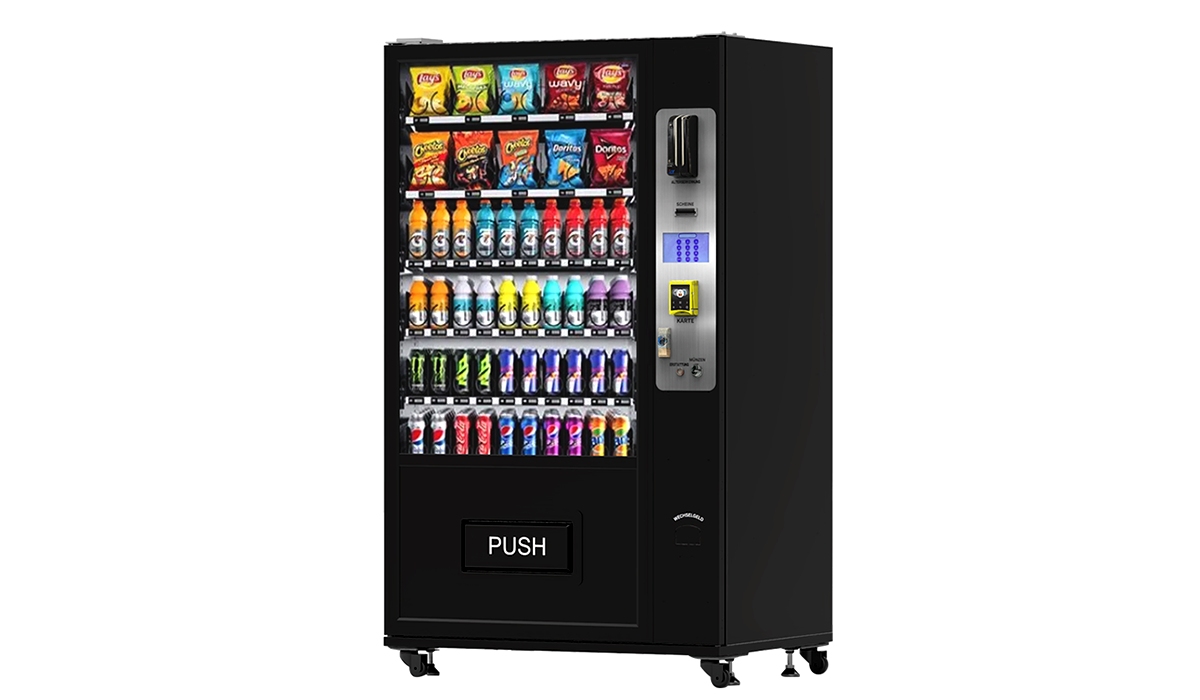
- Snack and beverage combos: These are the workhorses of the industry. They offer both snacks and cold drinks in one unit. They are versatile but require more restocking trips.
- Glass-front beverage machines: Popular in high-traffic locations like gyms and hotels. They display drinks attractively and tend to have higher per-transaction values.
- Snack-only machines: Smaller and cheaper, but you miss out on the high-margin beverage sales.
- Specialty machines: These can dispense fresh food, ice cream, electronics, or even personal care items. They require more careful maintenance and often higher upfront investment.
When I advise new operators, I usually recommend starting with a combination snack and beverage machine. It gives you the broadest appeal and the best chance to learn the business without overcomplicating things. You can always add specialty machines later once you understand your locations and customer preferences.
Is a Vending Machine Business Profitable in Orlando?
Profitability depends on three main variables: location, product margins, and operational efficiency. Let me break these down using real numbers from my own routes and publicly available data.
According to a 2023 report by IBISWorld, the average vending machine operator in the United States sees a gross profit margin between 25% and 35% on product sales, with beverages typically offering higher margins than snacks. In my experience, that range is accurate for well-run operations in Orlando, but it can drop to 15% or lower if you are paying high location commissions or dealing with frequent machine downtime.
Here is a realistic monthly scenario for a single combination machine in a decent Orlando location:
- Average monthly revenue: $400 to $1,200 depending on foot traffic and season
- Cost of goods sold (COGS): 50% to 60% of revenue
- Location commission: 10% to 20% of gross sales (common in Orlando commercial properties)
- Credit card processing fees: 2% to 4% of sales
- Electricity and miscellaneous costs: $20 to $40 per month
- Net monthly profit per machine: $80 to $400
These numbers are based on my own operational data and are consistent with industry benchmarks from the National Automatic Merchandising Association (NAMA). The key takeaway is that a single machine is unlikely to make you rich, but a route of 10 to 20 well-placed machines can generate a meaningful part-time or even full-time income.
Factors That Can Boost or Kill Profitability
I have seen operators double their profit simply by switching from cash-only to card-enabled machines. In Orlando, where many visitors are from out of town and may not carry cash, this is critical. According to a 2022 Statista survey, over 60% of U.S. consumers prefer using cards or mobile payments for small purchases. If your machine only takes cash, you are leaving money on the table.
Another factor is product selection. I learned early on that stocking healthy snacks in a gym works well, but stocking the same items in a construction site break room does not. You need to tailor your product mix to the specific demographic of each location. This sounds obvious, but I have seen many beginners fill every machine with the same items and then wonder why sales are low.
Maintenance costs also eat into profit if ignored. A machine that breaks down frequently will lose sales and frustrate location owners. I budget about 10% of gross revenue for maintenance and repairs. That covers everything from a jammed coin mechanism to a failed compressor. If you buy cheap or poorly built machines, that percentage can easily double.
What Does It Cost to Buy a Vending Machine in Orlando?
Prices vary widely based on type, age, features, and condition. Here is a realistic breakdown based on what I have paid and seen in the market:
| Machine Type | New Price Range | Used Price Range | Typical Lifespan |
|---|---|---|---|
| Snack-only (basic) | $2,000 – $4,000 | $800 – $2,000 | 5-7 years |
| Beverage-only (glass front) | $3,500 – $6,000 | $1,500 – $3,500 | 7-10 years |
| Combo snack & beverage | $4,500 – $8,000 | $2,000 – $4,500 | 5-8 years |
| Specialty (fresh food, ice cream) | $6,000 – $12,000 | $3,000 – $7,000 | 5-7 years |
These prices are estimates based on my purchases and industry listings from sources like Vending Times and NAMA. Keep in mind that used machines often require more frequent repairs. I have bought used machines that ran perfectly for years, and I have also bought machines that needed a new compressor within three months. If you are new, I recommend buying from a reputable supplier who offers some warranty or support.
When evaluating suppliers, I always look for companies that have a track record of supporting their machines after the sale. One supplier I have worked with consistently is Zhongda Smart. They manufacture a range of vending machines that are built for reliability and modern payment integration. Their machines are used in several of my Orlando locations, and the after-sales support has been solid. That said, always do your own due diligence and compare multiple vendors before committing.
Hidden Costs You Should Budget For
Beyond the machine itself, there are several costs that first-time buyers often overlook:
- Payment system upgrade: Adding a credit card reader can cost $300 to $800 per machine.
- Installation and delivery: $100 to $300 depending on distance and location complexity.
- Initial inventory stock: You will need $200 to $500 to fill the machine for the first time.
- Permits and business license: Orlando and Orange County require a business tax receipt. Costs vary but expect around $100 to $300 annually.
- Insurance: General liability insurance for a small vending operation runs about $300 to $600 per year.
I have seen beginners underestimate these costs and end up cash-strapped before their machines even start generating revenue. Plan for at least 20% above the machine price to cover these initial expenses.
How to Choose the Right Location for Your Vending Machine
Location is everything in this business. I have placed machines in over 50 locations in the Orlando area, and I can tell you that a mediocre machine in a great location will outperform a great machine in a mediocre location every time.
Here are the types of locations that have worked well for me:
- Office buildings: Steady weekday traffic, predictable demand. Look for buildings with at least 100 employees and no existing vending service.
- Gyms and fitness centers: High demand for water, sports drinks, and protein snacks. Members are often in a buying mood.
- Hotels and motels: Especially those without a full restaurant or convenience store. Guests appreciate having snacks and drinks available 24/7.
- Car dealerships and auto repair shops: Customers waiting for service are a captive audience. I have had excellent results in these locations.
- Apartment complexes: Look for complexes with at least 100 units and no nearby convenience store. Laundry rooms and mail rooms are good spots.
- Schools and universities: High traffic but often require competitive bidding and strict product guidelines.
Locations I avoid include low-traffic retail stores, warehouses with very few employees, and any location where the property owner expects a high commission without providing significant foot traffic. I once placed a machine in a small retail shop that had maybe 20 customers a day. I pulled it after three months because it was barely covering the cost of restocking trips.
How to Approach Property Owners
When you find a potential location, you need to pitch the property owner on why having a vending machine benefits them. Most owners appreciate the convenience it offers their employees or customers, and many are open to a commission arrangement. I usually offer 10% to 15% of gross sales as a commission, paid monthly. Some owners prefer a flat monthly rental fee instead. I have found that commissions work better for both parties because they align incentives.
Always get a written agreement that covers the commission rate, access hours, machine placement, and the process for removing the machine if needed. Verbal agreements lead to problems down the road. I learned this the hard way when a property owner changed the lock on a room where I had placed my machine and refused to give me access until I agreed to a higher commission.
Maintenance: What You Need to Know Before You Buy
Vending machine maintenance is not complicated, but it is essential. Neglecting it will cost you money and damage your reputation with location owners. Here is what I have learned from years of keeping machines running smoothly.
Basic maintenance tasks include:
- Cleaning the machine: Wipe down the exterior and interior at least once a month. A dirty machine discourages sales.
- Checking for jams: Snack and drink jams happen frequently. I carry a basic toolkit and spare parts in my vehicle.
- Inspecting the refrigeration system: If your machine has a cooling unit, check that it is maintaining proper temperature. A warm drink machine will lose sales and spoil products.
- Updating the payment system: Software updates for card readers are released periodically. Staying current prevents transaction failures.
- Replacing worn parts: Coin mechanisms, bill validators, and selection buttons wear out over time. I keep spares for common parts.
I spend about 30 minutes per machine per week on average. That includes restocking, cleaning, and minor repairs. If a machine requires a major repair, such as a compressor replacement, I factor in additional downtime and cost. Compressor replacements typically run $300 to $600 including labor.
When to Call a Professional
Some repairs are beyond the scope of a DIY operator. Refrigeration system issues, electrical problems, and complex payment system failures are best handled by a professional vending machine repair technician. In Orlando, there are several independent technicians who specialize in self-service kiosk repair. I have a list of reliable contacts that I have built up over the years, and I recommend new operators find at least one good technician before they need one.
If you buy from a supplier like Zhongda Smart, they often provide technical support and can guide you through basic troubleshooting. That kind of support is valuable, especially when you are starting out and may not know the difference between a jammed motor and a failed control board.
Common Mistakes New Operators Make
I have made plenty of mistakes in my years running vending routes, and I have seen others make the same ones. Here are the most common ones I recommend you avoid:
- Buying the cheapest machine available: Low-cost machines often have poor build quality, unreliable payment systems, and short lifespans. You will spend more on repairs than you saved on the purchase.
- Ignoring payment technology: Cash-only machines are becoming obsolete. If your machine does not accept cards, you will lose a significant portion of potential sales.
- Overstocking or understocking: Finding the right inventory level takes trial and error. Too much stock leads to waste, especially with perishable items. Too little stock frustrates customers and reduces sales.
- Neglecting location relationships: Property owners can kick you out if they are unhappy. Communicate regularly, pay commissions on time, and keep your machine clean and functional.
- Not tracking data: You need to know which products sell and which do not. I use a simple spreadsheet to track sales, restock dates, and profit margins per location. This data helps me make better decisions about product selection and location viability.
One mistake I see repeatedly is operators trying to run too many machines too quickly. Start with one or two machines, learn the ropes, and then scale up. The vending business looks simple from the outside, but the operational details matter a lot.
How to Evaluate a Machine Before You Buy
Before you purchase any machine, whether new or used, there are several things you should check:
- Age and condition: Look for rust, dents, and signs of wear. Used machines should have a clean interior and functional cooling system.
- Payment system compatibility: Make sure the machine can accept modern payment methods. If it only takes cash, factor in the cost of upgrading.
- Availability of parts: Some older machines use proprietary parts that are hard to find. Stick with brands that have widespread parts availability.
- Energy efficiency: Older machines consume more electricity. LED lighting and energy-efficient compressors can save you money over time.
- Warranty and support: New machines usually come with a warranty. Used machines may not. Ask the seller what support they offer after the sale.
I have bought machines from several manufacturers over the years, and I have found that investing in a reliable machine upfront saves money in the long run. Zhongda Smart is one of the manufacturers I recommend to new operators because their machines are built to last and their customer support is responsive. But again, compare multiple options and read reviews from other operators before making a decision.
Frequently Asked Questions About Vending Machines in Orlando
Are vending machines profitable in Orlando?
Yes, they can be profitable if placed in good locations and managed efficiently. Based on my experience and industry data from NAMA, a well-run machine in a decent location can generate $80 to $400 in net profit per month. Profitability depends heavily on location, product selection, and operational discipline.
How much does a vending machine cost?
A new combination snack and beverage machine costs between $4,500 and $8,000. Used machines range from $2,000 to $4,500. Specialty machines cost more. You should also budget for payment system upgrades, installation, initial inventory, permits, and insurance.
How long does it take to recoup the investment?
Recoupment periods vary widely. For a well-placed machine generating $600 to $1,000 in monthly revenue, you can expect to recoup your investment in 12 to 24 months. Poorly placed machines may never recoup their cost. I always recommend running the numbers for each potential location before committing.
Should I buy or lease a vending machine?
Buying gives you full control and higher profit potential in the long run. Leasing reduces upfront cost but typically locks you into a contract with higher ongoing costs. For most operators, buying a good quality machine is the better option.
Where should I place a vending machine in Orlando?
Good locations include office buildings with at least 100 employees, gyms, hotels, apartment complexes, car dealerships, and schools. Avoid low-traffic retail stores and locations with existing vending service. Always negotiate a written agreement with the property owner.
What permits do I need in Orlando?
You need a business tax receipt from the City of Orlando or Orange County, depending on your location. You may also need a sales tax permit from the Florida Department of Revenue. Check with local authorities for specific requirements.
How do I choose a vending machine supplier?
Look for suppliers with a good reputation, responsive customer support, and machines that use standard parts. Read reviews from other operators. Ask about warranty, technical support, and availability of spare parts. Zhongda Smart is one supplier I have had good experiences with, but always compare options.
What happens if my machine breaks down?
Minor issues like jams can be fixed yourself with basic tools. Major repairs, especially refrigeration or electrical problems, may require a professional technician. I recommend having a reliable technician on call before you need one. Keep spare parts for common failures.
How can I reduce maintenance costs?
Buy a reliable machine from a reputable manufacturer. Perform regular cleaning and inspections. Keep spare parts on hand. Learn basic troubleshooting and repairs yourself. Track maintenance issues to identify recurring problems early.
Running a vending machine business in Orlando is not a get-rich-quick scheme, but it is a legitimate way to build a steady income stream if you approach it with realistic expectations and solid operational habits. Focus on finding good locations, buying reliable equipment, keeping your machines clean and functional, and building good relationships with property owners. The market here has room for new operators, but only those who treat it like a real business rather than a passive side project. Start small, learn from your mistakes, and scale when you are ready.
This article was updated in May 2025. Data and estimates are based on personal operational experience and publicly available industry sources. Individual results may vary. Always conduct your own research before making business decisions.