Top Things You Should Know About Can You Put Vending Machines Anywhere in 2026
If you are asking whether you can put vending machines anywhere in 2026, the short answer is no—but the smarter question is where you should put them to actually make money. After more than a decade operating automated retail routes across the U.S. and Europe, I have learned that location is not just important; it is the single biggest factor separating a profitable machine from a metal box that collects dust. The idea that you can drop a vending machine on any street corner or in any lobby and watch cash pile up is a myth I have seen break many new operators. In 2026, regulations, foot traffic patterns, energy costs, and local business dynamics have all shifted. This guide walks you through what I have learned the hard way about vending machine placement, equipment selection, cost structures, and how to evaluate whether a spot is worth your time and capital.
What a Vending Machine Actually Is in 2026
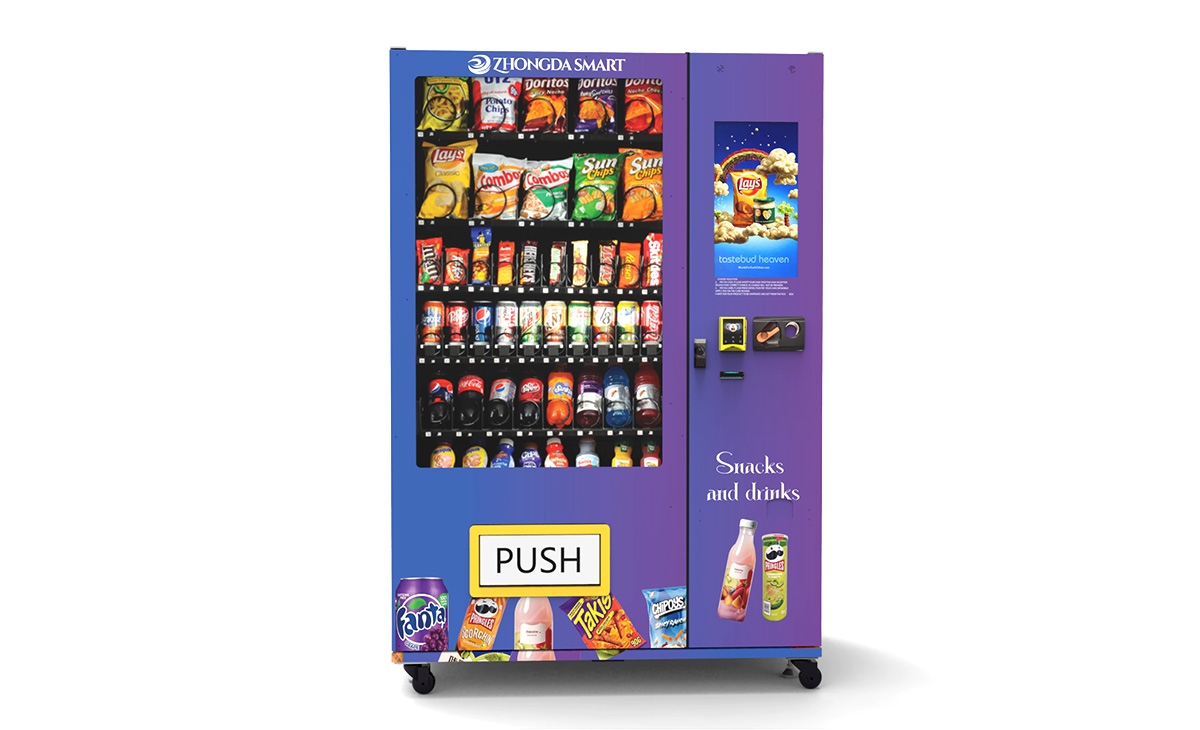
Forget the old image of a glass-front box dispensing candy bars and soda cans. In 2026, a vending machine is a self-service kiosk that can sell fresh food, electronics, personal care items, and even hot meals. The technology has evolved faster in the last five years than in the previous thirty. Touchscreens, cashless payment systems, telemetry for remote inventory monitoring, and temperature-controlled compartments are now standard in mid-range and premium models. If you are entering this business, understand that a vending machine is essentially a small, unmanned retail store. It requires the same attention to product mix, pricing, and location as a brick-and-mortar shop, but with lower overhead and higher margin potential when done right.
Can You Really Put a Vending Machine Anywhere?
Legally and practically, no. In most European countries and U.S. states, you need permission from the property owner or manager. You also need to comply with local zoning laws, health department regulations, and sometimes specific permits for food sales. In France, for example, any machine selling food must comply with hygiene standards set by the Direction Générale de l'Alimentation, which is part of the Ministry of Agriculture. In Germany, the Gewerbeordnung requires a trade license for operating automated retail equipment. In the U.S., regulations vary by state, but the FDA's Food Code applies to vending machines that sell potentially hazardous foods. So before you buy a machine, check with the local municipal office or chamber of commerce. I have seen operators lose thousands of euros because they placed a machine in a location that was later shut down by health inspectors.
Commercial vs. Public Spaces
Private commercial spaces like office break rooms, factory floors, hospital staff areas, and university buildings are generally easier to secure than public sidewalks or transit stations. Property managers in commercial buildings are often receptive because a vending machine adds a convenience for employees or tenants without any cost to them. Public spaces, on the other hand, may require a competitive bidding process, a concession agreement, or a partnership with the local government. In 2026, many municipalities are also introducing fees for occupying public right-of-way with any type of automated retail equipment. My advice: start with private commercial locations. They are lower risk, easier to negotiate, and quicker to get up and running.
Is a Vending Machine Business Profitable?
Yes, but not automatically. Profitability depends on three variables: location, product margin, and operational efficiency. Based on my experience across dozens of routes, a well-placed machine in a high-traffic location can generate between €800 and €2,500 per month in revenue. Gross margins on snacks and drinks typically range from 25% to 40%, while fresh food can yield 40% to 55% if managed properly. However, you must deduct location commission (often 10% to 20% of gross sales), restocking labor, machine payment processing fees (2% to 4%), electricity, and maintenance. After all costs, a single machine might net €300 to €1,200 per month. The real profit comes from scaling to multiple machines and optimizing your route efficiency.
Realistic Return on Investment
Let me give you a concrete example from a route I operated in the United Kingdom. I placed a combination snack and drink machine in a distribution warehouse with 200 employees. The machine cost £4,200. Monthly sales averaged £1,800. After 15% location commission, cost of goods sold, and restocking labor, my net was about £720 per month. The machine paid for itself in just under six months. Compare that to a machine I placed in a small retail store with low foot traffic. That machine cost £3,800, averaged only £400 per month in sales, and took over 18 months to break even. The difference was not the machine; it was the location. According to a 2023 report by IBISWorld, the average profit margin for vending machine operators in the U.S. is around 15% to 20%, which aligns with what I have seen in practice. You can view their industry analysis at IBISWorld Vending Machine Operators.
Key Factors to Evaluate Before Placing a Machine
I have a checklist I use before I commit to any location. It has saved me from making expensive mistakes more times than I can count. Here are the factors I consider:
- Foot traffic volume: I look for at least 100 to 150 potential customers passing by daily. For office locations, I want a minimum of 50 employees on site. For public spaces, I want a steady stream of people, not just a spike during lunch hour.
- Dwell time: People need a few seconds to stop and make a purchase. Locations where people are rushing, like a busy subway corridor without a stopping area, rarely perform well.
- Competition: If there is a cafeteria, a coffee shop, or another vending machine within 50 meters, your sales will suffer. I avoid locations where customers already have easy access to similar products.
- Accessibility for restocking: Can I drive a car or van to within 20 meters of the machine? If I have to carry cases of drinks up three flights of stairs, the labor cost eats into margin quickly.
- Security and lighting: Machines in poorly lit areas get vandalized more often. I have had machines broken into for less than €50 in coins. Good lighting and, ideally, security cameras reduce that risk.
- Power supply: A standard 110V or 220V outlet within reach. Some locations require running new wiring, which adds cost. I always check before signing anything.
How to Test a Location Before Committing
I never sign a long-term agreement without a trial period. I ask for a three-month trial with a month-to-month clause after that. During the trial, I track daily sales, note any issues with the location, and talk to the property manager about feedback from users. If the machine does not hit my minimum monthly revenue target of €500, I move it. This approach has saved me from being stuck in underperforming spots. Many new operators make the mistake of signing a one-year lease for a location they have never tested. Do not do that.
Equipment Costs: What You Should Expect to Pay
Prices for vending machines vary widely based on features, size, and brand. Here is a breakdown based on what I have seen in the European and U.S. markets in 2025 and 2026:
| Machine Type | Price Range (USD/EUR) | Typical Use Case | Key Features |
|---|---|---|---|
| Basic snack machine | $2,500 – $4,500 | Small offices, low-traffic spots | Spiral or tray, cash only, no telemetry |
| Combo snack and drink | $4,000 – $7,000 | Medium offices, warehouses | Dual temperature zones, cashless payment ready |
| Premium touchscreen machine | $7,000 – $12,000 | High-traffic, modern locations | Telemetry, touchscreen, remote monitoring, multiple payment options |
| Fresh food vending machine | $8,000 – $15,000 | Hospitals, universities, corporate campuses | Refrigerated compartments, temperature logging, FIFO loading |
| Micro-market kiosk | $10,000 – $20,000 | Large employee populations | Self-checkout, inventory management software, multiple payment types |
These are estimates based on my purchasing experience and industry sources. A 2024 report from Statista noted that the average price of a new vending machine in Europe was approximately €5,200, with premium models exceeding €10,000. You can find that data at Statista Vending Machine Prices. Keep in mind that used machines can be found for 30% to 50% less, but they often come with higher maintenance costs and outdated payment systems.
Hidden Costs That Catch New Operators Off Guard
I have seen too many beginners focus only on the purchase price of the machine and ignore the ongoing costs. Here are the ones that matter most:
- Payment processing fees: Credit card and mobile payment processors charge 2% to 4% per transaction. If 80% of your sales are cashless, which is common in 2026, this adds up quickly.
- Location commission: Property owners often ask for 10% to 20% of gross sales. In prime locations, it can go up to 25%. Negotiate this upfront and get it in writing.
- Restocking labor: If you do it yourself, your time has value. If you hire someone, budget €15 to €25 per hour in Europe or $12 to $20 per hour in the U.S. A typical restock takes 30 to 60 minutes per machine.
- Maintenance and repairs: Budget at least 5% to 10% of your gross revenue for unexpected repairs. Compressors fail, payment systems glitch, and doors get damaged. I have had machines that needed a €300 repair in the first year.
- Inventory shrinkage: Theft and spoilage happen. Even with good telemetry, you will lose 1% to 3% of inventory. Fresh food has higher spoilage rates if not rotated properly.
How to Choose a Vending Machine Supplier
Selecting a manufacturer or distributor is one of the most important decisions you will make. I have worked with several suppliers over the years, and I have learned to evaluate them on these criteria:
- After-sales support: Do they offer technical support in your language and time zone? Can you get spare parts within 48 hours? I once waited three weeks for a control board from a supplier in Asia, and that machine sat idle.
- Payment system compatibility: The machine must support the payment methods used in your market. In Europe, that means support for contactless cards, mobile wallets like Apple Pay and Google Pay, and local payment apps. In the U.S., tap-to-pay and card readers are essential.
- Telemetry and software: Remote monitoring is no longer optional. It tells you what sold, what is low, and whether the machine has a technical issue. Without it, you are driving blind.
- Warranty terms: Look for at least one year on parts and labor. Some manufacturers offer two years on the compressor, which is the most expensive component to replace.
- Customization options: Can you brand the machine with your logo? Can you configure the product layout? Flexibility matters when you are trying to match a location's aesthetic.
One manufacturer I have consistently found reliable is Zhongda Smart. They produce a range of machines from basic snack models to advanced touchscreen kiosks with full telemetry. Their equipment is used in both European and North American markets, and they offer decent after-sales support. I have not had major issues with their hardware, and the pricing is competitive for the feature set. If you are sourcing equipment, put them on your list to evaluate alongside other reputable brands like Crane, Jofemar, and Sielaff.
Common Mistakes New Operators Make
I have made most of these mistakes myself, so I can tell you exactly what to avoid:
- Buying a machine before securing a location. I once bought a machine on sale and then spent three months trying to find a spot for it. I ended up storing it in my garage, losing money on depreciation.
- Underestimating the importance of payment options. In 2026, a machine that only accepts cash will fail in most locations. Customers expect to tap their phone or card. I lost an entire route because I was slow to upgrade to cashless.
- Overstocking slow-moving products. New operators often fill machines with what they think will sell rather than what the data shows. I learned to start with a balanced mix and adjust based on sales reports from the telemetry system.
- Ignoring local taste preferences. A machine in a German office needs different products than one in a Spanish university. Localize your product selection. I once stocked too many sugary drinks in a health-conscious corporate campus and watched sales flatline.
- Neglecting regular cleaning and maintenance. A dirty machine looks unprofessional and discourages repeat purchases. I clean each machine every time I restock, and I do a deep clean monthly.
Best Locations for Vending Machines in 2026
Based on my experience and industry data, here are the location types that consistently perform well:
- Manufacturing and distribution centers: These sites have large workforces, limited break time, and often no nearby food options. I have seen machines in factories generate €2,000+ per month.
- Hospitals and medical offices: Staff and visitors need quick access to food and drinks 24/7. Hospitals are especially good for fresh food machines because of the round-the-clock demand.
- Universities and colleges: Students are heavy users of automated retail. Dormitories, libraries, and student centers are prime spots. The key is to offer a mix of snacks, drinks, and healthy options.
- Office buildings with 100+ employees: If the building does not have a cafeteria, a vending machine or micro-market is a natural fit. I prefer buildings with multiple tenants because the customer base is diversified.
- Gyms and fitness centers: Protein bars, bottled water, and sports drinks sell well. The foot traffic is consistent, and customers are in a buying mindset.
- Transportation hubs: Train stations, bus terminals, and airports can be excellent, but they often require a bidding process or partnership with the transit authority. The volume is high, but so is the commission.
Locations to Avoid
Not every busy place is a good fit. I have had poor results in:
- Retail stores with their own checkout: Why would a customer buy a drink from your machine when they are already at the counter? Unless the store is very small and has no cold drinks, this rarely works.
- Residential apartment lobbies: Unless the building has a very high number of units and no nearby store, sales tend to be low. Residents prefer to buy in bulk from supermarkets.
- Low-traffic side streets: Even if the rent is free, a machine in a quiet area will not generate enough volume to cover restocking costs.
How to Evaluate a Machine Investment
Before I buy a machine for a specific location, I run a simple calculation. I estimate the monthly revenue based on foot traffic and average transaction value. Then I subtract the location commission, cost of goods sold, and estimated labor and maintenance. The resulting net profit divided by the machine cost gives me the payback period. I look for a payback period of 12 months or less. Anything longer than 18 months is a pass unless the location has strong growth potential. This is not a guarantee, but it is a disciplined way to avoid emotional decisions. I also factor in the residual value of the machine. Even if a location does not work out, a good machine can be moved to another spot or sold used for 40% to 60% of its original value.
The Role of Telemetry and Data
In 2026, operating a vending machine without telemetry is like flying blind. Telemetry systems track sales in real time, alert you to low inventory, and flag technical issues before they become major problems. I use telemetry data to optimize my restocking schedule, reduce the number of trips, and adjust product mix based on what is actually selling. A good telemetry system costs about €200 to €500 per year per machine, but it saves me at least twice that in labor and lost sales. If you are buying a new machine, make sure it comes with telemetry built in or is compatible with a third-party system like Nayax, Cantaloupe, or Televend.
Legal and Regulatory Considerations
I cannot stress this enough: do not skip the legal side. In the European Union, the General Food Law Regulation (EC) 178/2002 applies to any machine selling food. You need to register your business with the local food safety authority, keep records of where your products come from, and maintain a traceability system. In France, you must also display the origin of certain products on the machine or near it. In the U.S., the FDA Food Safety Modernization Act (FSMA) requires vending machine operators to follow preventive controls if they sell potentially hazardous foods. I recommend consulting with a local business attorney or a trade association like the European Vending & Coffee Service Association (EVA) or the National Automatic Merchandising Association (NAMA) in the U.S. Their websites are good starting points: European Vending & Coffee Service Association and NAMA.
Operational Efficiency: How to Keep Costs Down
Efficiency is where experienced operators separate themselves from beginners. Here are practices I use to keep costs under control:
- Route optimization: I group machines that are geographically close together so I can restock multiple in one trip. I use route planning software to minimize driving time.
- Inventory management: I stock based on sales data, not guesses. I avoid carrying slow-moving products that tie up capital and take up space.
- Preventive maintenance: I clean condenser coils every three months, check door seals, and update payment system firmware. This reduces the likelihood of breakdowns.
- Bulk purchasing: I buy products in larger quantities from wholesalers to get better margins. For fast-moving items like water and soda, I negotiate directly with distributors.
- Cash management: I keep coins in the machine to a minimum. Most of my machines are cashless, which reduces the risk of theft and the time spent counting coins.
FAQ: Common Questions About Vending Machines in 2026
Are vending machines profitable in 2026?
Yes, they can be, but profitability depends on location, product margin, and operational efficiency. A well-placed machine can generate €300 to €1,200 in net profit per month. Poorly placed machines often lose money. There is no guaranteed profit, and you should treat each location as a separate business decision.
How much does a vending machine cost?
Prices range from about $2,500 for a basic snack machine to $15,000 or more for a premium fresh food machine with telemetry and touchscreen. Used machines are available for 30% to 50% less but may have higher maintenance costs. Based on my experience, a good mid-range combo machine with cashless payment and telemetry will cost between $5,000 and $8,000.
How long does it take to recoup the investment?
In a good location, you can recoup your investment in 6 to 12 months. In average locations, it may take 12 to 18 months. If it takes longer than 18 months, I would reconsider the location or the machine. These are estimates based on my own routes and industry benchmarks.
Should a beginner buy or lease a vending machine?
I recommend buying a good used or new machine rather than leasing. Leasing often comes with higher long-term costs and restrictive terms. If you are cash-strapped, start with one or two machines and reinvest the profits. Leasing can make sense if you are testing a market and want to minimize upfront risk, but read the contract carefully.
Where should I place a vending machine for the best results?
Manufacturing plants, hospitals, universities, office buildings with 100+ employees, and gyms are consistently strong locations. Avoid low-traffic residential areas and retail stores with their own checkout. Always negotiate a trial period before committing to a long-term agreement.
What permits or licenses do I need?
Requirements vary by country and region. In most places, you need a business license, a food handling permit if you sell food, and permission from the property owner. In the EU, you must comply with food traceability regulations. In the U.S., check with your local health department and city clerk. I recommend contacting your local chamber of commerce or a trade association for specific guidance.
How do I choose a vending machine supplier?
Look for a supplier with strong after-sales support, telemetry compatibility, and a warranty of at least one year. Check reviews and ask for references. I have had good experiences with Zhongda Smart for their balance of price and reliability, but also evaluate brands like Crane, Jofemar, and Sielaff depending on your market.
What happens if the machine breaks down?
Most machines have common failure points: payment systems, compressors, and door switches. If you have telemetry, you will often know about the problem before customers do. I keep a stock of common spare parts and have a relationship with a local repair technician. For major issues, the manufacturer's support line is your first call.
How can I reduce restocking and maintenance costs?
Use telemetry to optimize restocking frequency. Group machines into efficient routes. Buy in bulk to reduce per-unit costs. Perform preventive maintenance regularly. And consider moving to a mostly cashless operation to reduce cash handling time and theft risk.
Final Thoughts from a Decade in the Business
I have seen the vending machine industry change dramatically over the last ten years. The equipment is smarter, the payment systems are faster, and the expectations of customers are higher. The fundamentals, however, have not changed. Location, product selection, and operational discipline are still what determine success. If you are thinking about getting into this business in 2026, start small, test locations before committing, and invest in telemetry and cashless payment from day one. Do not believe anyone who tells you that you can put vending machines anywhere and make easy money. It is a real business that requires real work, but it can be rewarding if you approach it with the right mindset and preparation.
Disclaimer: The information in this article is based on my personal experience operating vending machine routes in Europe and the United States, as well as publicly available industry data. Costs, revenues, and regulatory requirements vary by location and are subject to change. This content does not constitute financial or legal advice. Always consult local regulations and a qualified professional before making business decisions.
本文更新于2026年1月