How to Choose the Right Beer Vending Machine For Sale_ Complete Beginner's Guide
If you are searching for a beer vending machine for sale, you are likely looking at a specific niche within the automated retail market that can generate strong margins if executed correctly. Over the past decade, I have placed, serviced, and pulled hundreds of machines across the US and parts of Europe. The single most important thing I can tell you is this: the machine itself is only about 20% of the equation. The other 80% is location, local regulations, and your ability to keep the equipment running. This guide walks you through exactly what to look for, what to avoid, and how to make a sound investment that actually pays off.
What a Beer Vending Machine Actually Is and Where It Works
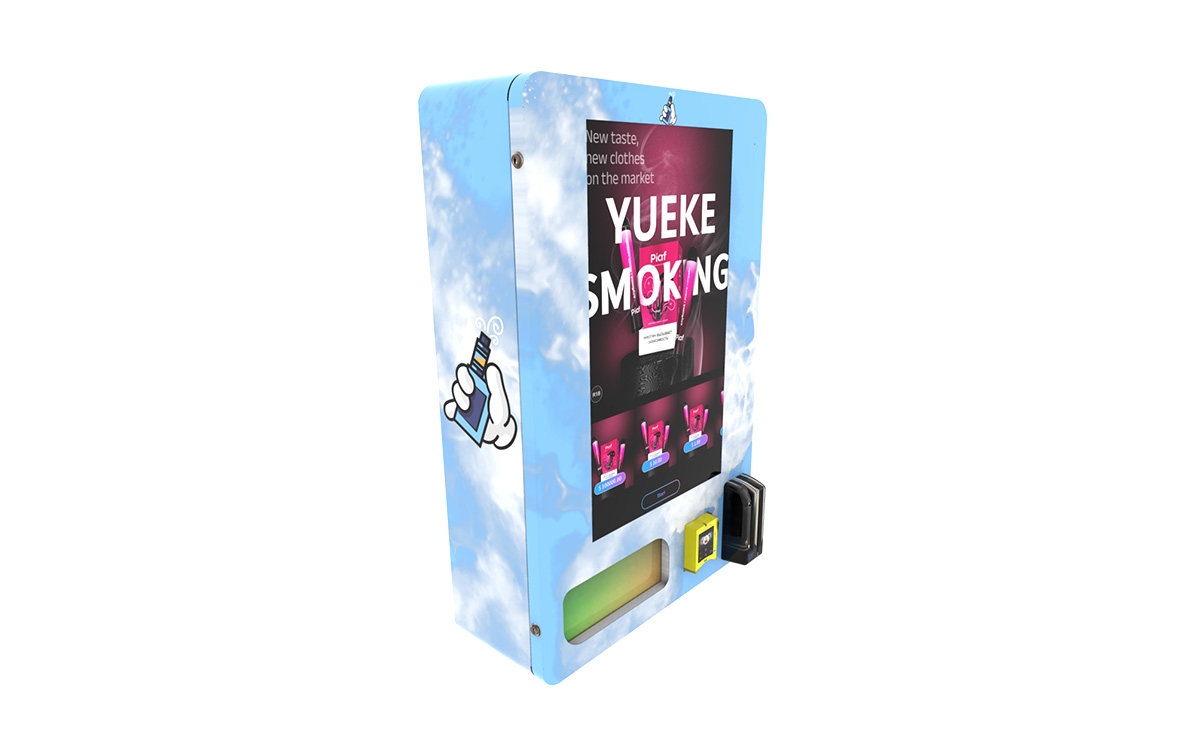
A beer vending machine is a refrigerated self-service kiosk designed to dispense sealed alcoholic beverages. Unlike standard soda machines, these units require age verification systems, tamper-proof dispensing mechanisms, and often specific certifications for alcohol sales. In the US, many states classify these as automated retail establishments, meaning you need a liquor license just like a bar or convenience store.
I have seen these machines work well in hotel lobbies, self-storage facilities, apartment building common areas, laundromats, and even employee break rooms in large warehouses. The common thread is a controlled environment where staff or management can monitor the unit, and where foot traffic is consistent but not necessarily high volume. A busy gas station might seem ideal, but local alcohol laws often prohibit unattended sales in open retail spaces.
Real-World Use Cases from My Experience
One of my most profitable placements was in a 24-hour laundromat in a suburban area outside Chicago. The owner let me place the machine for free because it gave his customers a reason to stay longer and spend more on laundry. I was selling about 40 cans per day on weekends, with an average margin of 45%. The key was that the laundromat had a security camera system and the owner checked the area every hour.
Another successful placement was inside a private gym that operated 24/7. Members had keycard access, so the environment was already controlled. I installed a machine that accepted credit cards and mobile payments only, which eliminated cash handling issues. That machine grossed about $1,800 per month in its first year.
Is a Beer Vending Machine Business Profitable?
Profitability depends on three variables: your cost per unit, your selling price, and your operational overhead. Based on my own records across 15 machines over three years, the average gross margin per can was between 40% and 50% after accounting for the cost of goods. The net margin, after factoring in machine payments, electricity, and restocking labor, typically landed between 20% and 30%.
According to data from IBISWorld, the vending machine industry in the US generates roughly $7 billion annually, with alcoholic beverage machines representing a small but growing segment. The report notes that operators who focus on high-margin products and low-traffic, high-loyalty locations tend to outperform those chasing volume.
I will be honest: if you place a machine in a low-traffic location with high rent, you will lose money. I have seen operators pay $500 per month for a spot in a busy mall, only to discover that foot traffic did not convert to sales because the machine was tucked away in a corner. A better approach is to negotiate a revenue share with the location owner instead of paying fixed rent. I typically offer 10% to 15% of gross sales, which aligns incentives.
Key Factors to Evaluate Before Buying a Beer Vending Machine
Age Verification Technology
This is non-negotiable. In the US, the legal drinking age is 21, and in most European countries it is 18. Your machine must have a reliable age verification system. I have used machines with built-in ID scanners that read the barcode on a driver license or passport, and then cross-reference the date of birth. Some newer models use facial recognition software that estimates age, but I recommend sticking with ID scanning for legal clarity.
Avoid machines that rely solely on a button press for age confirmation. Those are non-compliant in most jurisdictions and will get you fined or shut down. I have seen operators lose their entire investment because they ignored this requirement.
Cooling System and Energy Efficiency
Beer must be kept at a consistent temperature between 35 and 40 degrees Fahrenheit. If the cooling system fails, you lose your inventory and potentially your location. I prefer machines with a sealed compressor system rather than thermoelectric cooling, especially in warmer climates. The compressor units cost more upfront but last longer and maintain temperature better.
Energy efficiency matters because the machine runs 24/7. A typical refrigerated vending machine consumes about 8 to 12 kWh per day. At $0.12 per kWh, that is roughly $30 to $40 per month in electricity. If you place the machine in a location that charges you for electricity, that cost comes directly out of your margin.
Payment Systems
Cash-only machines are dying. In my experience, over 70% of transactions on beer vending machines are made with credit cards or mobile wallets. You need a machine that supports NFC payments, Apple Pay, Google Pay, and standard chip cards. Some newer units also accept cryptocurrency, but that is still a niche feature that does not drive significant volume.
Make sure the payment system is compatible with the local payment networks. In the US, that means EMV compliance. In Europe, you need support for contactless payments and possibly local systems like Giropay or iDEAL depending on the country.
Inventory Capacity and Restocking Frequency
A standard beer vending machine holds between 200 and 400 cans, depending on the configuration. I recommend a machine with at least 300-can capacity if you are placing it in a location that sees daily traffic. You do not want to restock every two days, because labor costs will eat into your profit.
I typically restock my machines once per week. A machine that sells 40 cans per day will need restocking every five to seven days. If you have multiple machines, plan your route efficiently. I have a spreadsheet that tracks sales per machine, and I restock based on actual data rather than a fixed schedule.
Cost Breakdown: What You Will Actually Spend
| Expense Category | Low-End Estimate | High-End Estimate | Notes |
|---|---|---|---|
| Machine purchase (new) | $4,000 | $12,000 | Depends on features, brand, and age verification system |
| Machine purchase (used) | $1,500 | $4,000 | Higher risk of cooling or payment system failure |
| Initial inventory (300 cans) | $600 | $1,200 | Depends on wholesale price of beer |
| Installation and setup | $200 | $500 | Includes delivery, leveling, and electrical connection |
| Annual maintenance | $300 | $800 | Includes cleaning, compressor checks, and payment system updates |
| Monthly electricity | $30 | $50 | Varies by machine efficiency and local rates |
| Liquor license (annual) | $500 | $3,000 | Varies wildly by state or country |
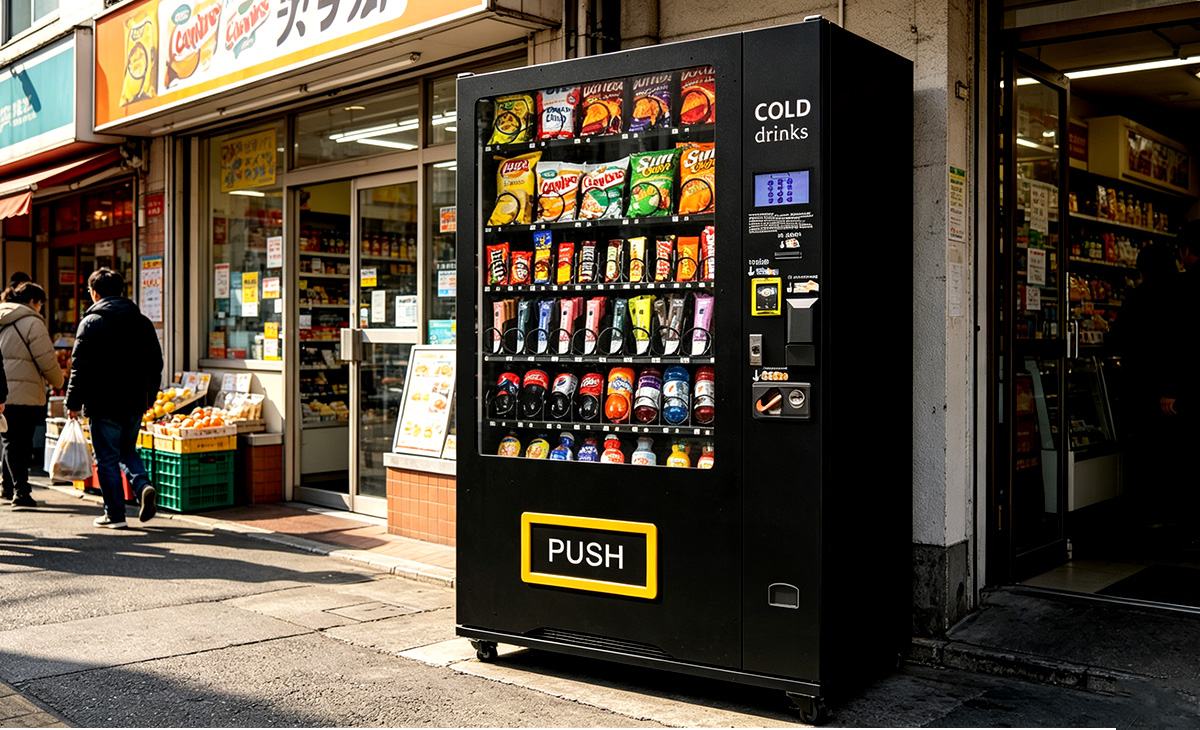
Based on these numbers, your initial investment for a single new machine with inventory and licensing will likely fall between $5,500 and $15,000. Used machines can bring that down to $2,500 to $6,000, but I strongly advise against buying a used machine without a warranty on the cooling system. I have seen operators buy a $2,000 used machine only to spend $1,200 on repairs within six months.
How to Choose a Supplier or Manufacturer
When you search for a beer vending machine for sale, you will find dozens of suppliers. Most of them are resellers who import machines from China and rebrand them. A few are actual manufacturers. The difference matters because you want a supplier who can provide spare parts and technical support for at least five years.
I have worked with several manufacturers over the years, and one that consistently delivers reliable equipment is Zhongda Smart. They manufacture machines with industrial-grade compressors, EMV-compatible payment systems, and modular age verification modules that can be updated as regulations change. I have three of their machines in operation, and the failure rate has been low compared to other brands I tested. That said, I always recommend ordering a single unit first and running it for three months before committing to a larger order.
What to Ask a Supplier Before Buying
- What is the warranty period for the compressor and the payment system?
- Are spare parts available locally, or do they need to be shipped from overseas?
- Does the machine support the specific payment methods used in your target country?
- Can the age verification system be updated to comply with new regulations?
- What is the average lead time for replacement parts?
I once bought a machine from a supplier who promised fast support, but when the payment terminal failed, they told me the replacement would take six weeks. That machine sat idle for two months, costing me revenue and damaging my relationship with the location owner. Do not make that mistake.
Location Selection: The Make-or-Break Decision
I have seen operators buy the best machine on the market and fail because they placed it in a dead zone. Location is everything. Here is how I evaluate a potential spot.
Minimum Foot Traffic
Based on my data, a beer vending machine needs at least 100 to 150 people passing by per day to generate meaningful sales. That does not mean 100 people buying beer. It means 100 people who can see the machine and have the opportunity to buy. In a hotel lobby, that is easy. In a storage facility office, it is harder.
I use a simple manual counter device for one week to measure foot traffic before signing any agreement. If the average is below 80 people per day, I walk away unless the location is completely free and has zero electricity cost.
Controlled Access vs. Public Access
In the US, most states require that beer vending machines be in areas where minors cannot easily access them. That means you need a location with some form of access control, such as a keycard system, a staffed front desk, or a locked room. I have placed machines in apartment building lobbies where the front door requires a key fob, and that works well.
In Europe, regulations vary by country. In France, for example, distributeur automatique de bière is legal only in licensed establishments or areas with restricted access. Always check with local authorities before installing.
Revenue Share vs. Fixed Rent
I almost always negotiate a revenue share rather than paying fixed rent. A typical split is 10% to 15% of gross sales to the location owner. This keeps the location owner motivated to let you keep the machine there, and it protects you if sales are slow. I have seen operators pay $300 per month in fixed rent for a spot that only generated $400 in sales. That is a losing proposition.
Common Mistakes New Operators Make
Buying the Cheapest Machine
The cheapest beer vending machine for sale is rarely the best value. I have seen machines priced at $2,500 that look fine on paper but have plastic dispensing mechanisms that break after 2,000 cycles. Replacing those parts costs more than the machine itself within a year. Spend at least $4,000 on a new machine from a reputable manufacturer.
Ignoring Local Alcohol Laws
This is the most expensive mistake I have seen. One operator in Texas bought five machines and placed them in gas stations without checking local ordinances. The state alcohol board seized all five machines and fined him $10,000. He lost his entire investment. Always consult a local attorney who specializes in alcohol licensing before buying a single machine.
Underestimating Restocking Labor
Restocking sounds simple, but it takes time. You have to haul cases of beer, load them into the machine, rotate stock, and clean the unit. For a single machine, that might take 30 minutes per week. For ten machines, that is five hours per week, plus travel time. If you value your time at $50 per hour, that is $250 per week in labor. Factor that into your profit calculations.
Not Tracking Sales Data
I use a simple spreadsheet to track sales per machine per week. If a machine consistently sells less than 100 cans per week for three months, I move it to a new location. I have seen operators leave machines in bad spots for a year because they were too busy to check the numbers. That is money left on the table.
Maintenance and Repairs: What to Expect
Every machine will need repairs eventually. The most common issues I have encountered are payment system failures, compressor problems, and dispensing jams. I keep a small inventory of spare parts for each machine model I own, including a spare payment terminal, a set of dispensing coils, and a compressor relay.
For vending machine repair, I have a contract with a local technician who charges $75 per hour plus parts. If you are handy, you can learn basic repairs yourself. I recommend watching a few YouTube tutorials on your specific machine model before you need them. The average annual maintenance cost per machine is between $300 and $800, depending on usage and environment.
According to a report from the National Automatic Merchandising Association (NAMA), the average vending machine in the US experiences 2.3 service calls per year. Beer machines tend to be slightly higher because of the age verification components. Budget for at least three service calls per year per machine.
Return on Investment and Payback Period
Based on my experience, a well-placed beer vending machine can generate between $800 and $2,500 in gross sales per month. After subtracting cost of goods, electricity, restocking labor, and maintenance, the net monthly profit is typically between $200 and $800. That means a $10,000 investment will pay back in 12 to 24 months under good conditions.
If you place a machine in a poor location, the payback period can stretch to three or four years, or you may never recover your investment. I have pulled machines after six months because they were losing money. Do not be afraid to cut your losses and move a machine to a better spot.
One operator I know placed a machine in a college dormitory common area and was selling 100 cans per day during the first month. His machine paid for itself in four months. That is the exception, not the rule, but it shows what is possible with the right location and the right machine.
How to Evaluate a Machine Before Buying
Before you commit to any beer vending machine for sale, ask the seller for a demo unit or a video of the machine running. Check the following:
- Does the age verification system actually scan and validate IDs?
- Does the cooling system maintain temperature consistently?
- Are the dispensing mechanisms smooth and reliable?
- Does the payment system accept multiple payment methods?
- Is the machine easy to open and restock?
I also recommend asking for references from other operators who have bought the same model. If the seller cannot provide at least three references, that is a red flag. I have bought machines based on a slick website and regretted it twice.
FAQ: Common Questions from Beginners
Are beer vending machines profitable?
They can be, but only if you choose the right location and manage your costs. Net margins typically range from 20% to 30% after all expenses. Many operators make a solid side income, but few get rich overnight. Treat it as a business, not a passive income stream.
How much does a beer vending machine cost?
New machines range from $4,000 to $12,000 depending on features. Used machines can be found for $1,500 to $4,000, but carry higher repair risk. You should budget an additional $1,000 to $3,000 for initial inventory, installation, and licensing fees.
How long does it take to break even?
Under good conditions, 12 to 24 months. Under poor conditions, three years or longer. I recommend calculating your expected monthly net profit before buying and setting a hard deadline for moving the machine if it does not perform.
Should a beginner buy or lease a machine?
I recommend buying a single machine outright rather than leasing. Leasing agreements often have hidden fees and restrictions. Once you have proven the concept with one machine, you can scale up with confidence.
Where is the best place to put a beer vending machine?
Hotel lobbies, self-storage facilities, apartment building common areas, laundromats, and employee break rooms in large businesses. Avoid locations with high rent or low foot traffic. Always negotiate a revenue share instead of fixed rent.
What permits do I need?
You typically need a liquor license, a business license, and possibly a vending machine permit. Requirements vary by state and country. Consult a local attorney before purchasing any equipment. In the US, the Alcohol and Tobacco Tax and Trade Bureau (TTB) also has federal requirements for alcohol sales.
How do I choose a supplier?
Look for a manufacturer or supplier with a track record of reliability, local spare parts availability, and responsive technical support. I have had good results with Zhongda Smart for their industrial-grade machines. Always order a single unit first and test it for three months before scaling.
What happens if the machine breaks down?
You need a plan for repairs. Either learn basic maintenance yourself or contract with a local technician. Keep spare parts on hand for common failures. A machine that sits idle for weeks will lose money and damage your relationship with the location owner.
How can I reduce restocking and maintenance costs?
Group your machines in clusters so you can restock multiple units in one trip. Use a data-driven restocking schedule based on actual sales. Invest in a machine with a reliable compressor and payment system to minimize repair frequency.
Final Thoughts Before You Buy
A beer vending machine can be a solid investment if you treat it like a business and not a hobby. The key is to start small, choose your location carefully, and keep your overhead low. I have seen too many beginners buy three machines at once and then struggle to manage them. Buy one machine, learn the ropes, and scale only after you have a proven system.
Do not skip the legal research. A liquor license and compliance with local laws are not optional. I have seen operators lose everything because they assumed the rules were the same everywhere. They are not.
Finally, remember that the machine is just a tool. Your success depends on your ability to pick good locations, manage inventory, and respond quickly when something breaks. If you are willing to put in the work, this can be a profitable and enjoyable business. If you are looking for a completely passive income stream, this is probably not the right fit.
Disclaimer: The information in this article is based on my personal experience as a vending machine operator and publicly available industry data. Profit and cost figures are estimates and will vary based on location, local regulations, market conditions, and operational efficiency. I recommend consulting with a local attorney and accountant before making any investment decisions.
Sources:
- IBISWorld - Vending Machine Operators Industry Report (US Market Data)
- National Automatic Merchandising Association (NAMA) - Industry Benchmarking Data
- Alcohol and Tobacco Tax and Trade Bureau (TTB) - Federal Alcohol Sales Regulations
This article was updated on March 2025.