The Complete Guide to Vending Machine Financing No Credit Check Opportunities and Risks
If you are looking into starting a vending machine business but worry about your credit history, you are not alone. Many aspiring operators assume that traditional bank loans are the only path to funding, but the reality is that vending machine financing no credit check options exist, and they work differently than most people expect. Over my ten years in this industry across the US and Europe, I have seen operators succeed with minimal upfront capital, and I have also seen others lose money because they did not understand the hidden costs. This guide walks you through what no-credit-check financing really means, where the risks hide, and how to evaluate a machine or a location before you commit a single dollar.
What Vending Machine Financing No Credit Check Actually Means
When a lender offers vending machine financing no credit check, they are typically looking at the equipment itself as collateral rather than your personal credit score. This is common in the automated retail space because the machine has a tangible resale value. Lease-to-own programs, equipment financing through manufacturers, and revenue-sharing agreements with location owners all fall under this category. I have used these structures myself when expanding into new territories where my personal credit was not established.
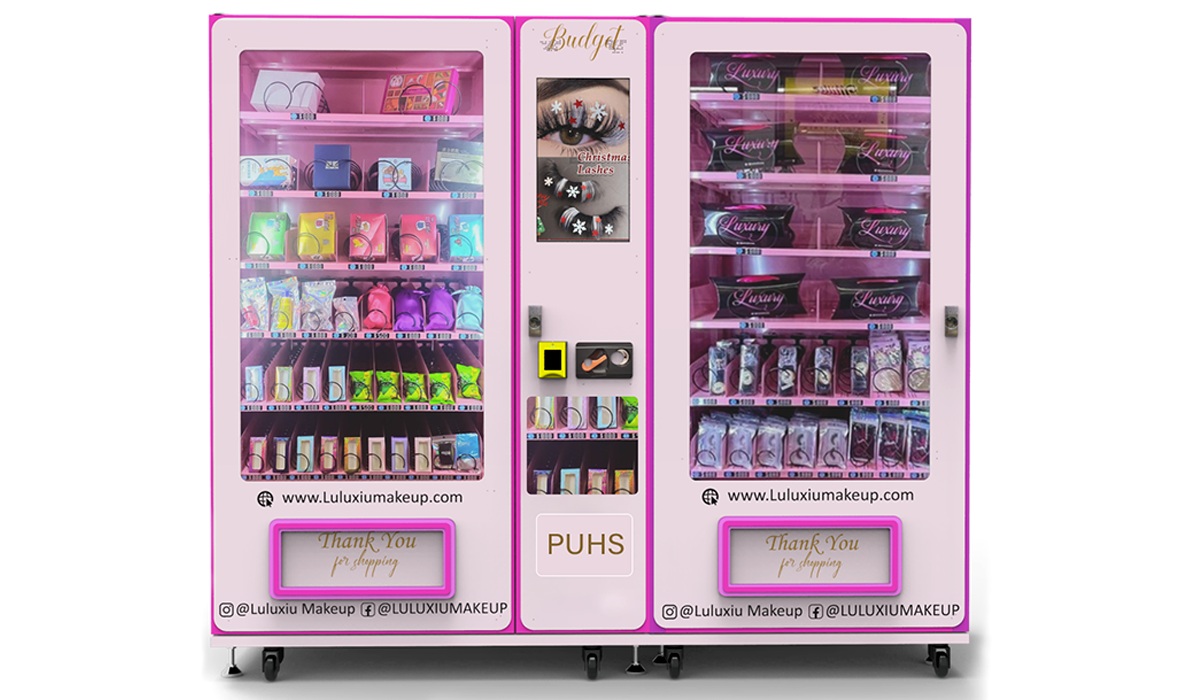
The key difference from a traditional loan is that the lender evaluates the machine's expected cash flow, not your past borrowing history. Some providers will ask for a down payment of 20 to 30 percent of the machine cost. Others structure payments as a percentage of monthly sales. This shifts the risk away from your personal finances and onto the performance of the equipment itself.
However, no credit check does not mean no scrutiny. Most reputable financing partners will still ask for proof of a signed location agreement, a business plan, or a minimum cash reserve for operating expenses. If a lender asks for nothing at all, that is a red flag. I have seen operators sign contracts with high interest rates hidden in the fine print, thinking they were getting a free pass.
Real Costs You Cannot Ignore
Before you sign any financing agreement, you need to understand what a vending machine actually costs to run. The purchase price is only the beginning. A new machine from a reliable manufacturer like Zhongda Smart typically ranges from $3,000 to $8,000 for a basic model, depending on features like cashless payment systems, telemetry, and refrigeration. Used machines can be found for $1,500 to $3,500, but they often come with higher repair costs.
Monthly operating expenses include restocking labor, product cost, electricity, card reader fees, and location commission if you share revenue with the property owner. Based on my experience across 50-plus locations, a single machine in a decent location will generate between $400 and $1,200 in monthly revenue. Gross margins on snacks and drinks run around 25 to 35 percent. After all expenses, net profit per machine is often between $150 and $400 per month.
Here is a practical breakdown of what a typical first year looks like for a financed machine:
| Expense Category | Estimated Cost (First Year) |
|---|---|
| Machine cost (financed with 30% down) | $1,500 down + $150/month for 24 months |
| Location commission (10% of sales) | $50 to $120/month |
| Product cost (40% of sales) | $160 to $480/month |
| Credit card processing fees (3% of sales) | $12 to $36/month |
| Electricity | $20 to $40/month |
| Maintenance and repair reserve | $20 to $50/month |
If your machine averages $800 in monthly sales, your net profit after all costs is roughly $200 to $300 per month. At that rate, payback on your down payment alone takes five to eight months. Full payback on the financed amount, including interest, typically takes 18 to 30 months. That is if nothing breaks and the location stays consistent.
Why Location Matters More Than the Machine
I have seen operators buy the most expensive machine with telemetry and a touch screen, only to place it in a low-traffic break room that generates $200 a month. The machine itself does not make money. The location does. This is the single most important lesson I can share from my years in the field.
A good location has at least 50 to 100 people passing by daily, with limited access to other food or drink options. Offices, warehouses, hospitals, schools, and manufacturing plants are the classic winners. Gyms and apartment complexes can work but often require more frequent servicing because of smaller purchase sizes.
When evaluating a location, I always look at three things: foot traffic, dwell time, and competition. A location with high foot traffic but zero dwell time, like a subway corridor, rarely works because people do not stop. A location with long dwell time, like a break room or a waiting area, is ideal. If there are already three vending machines in the same building, adding a fourth is usually a mistake unless you offer a completely different product category.
Selecting the Right Equipment Supplier
Your choice of manufacturer directly affects your financing options and your long-term maintenance costs. I have worked with several suppliers over the years, and I have learned to prioritize three things: parts availability, technical support, and payment system compatibility. A machine that breaks down and takes three weeks to repair can destroy your cash flow for an entire month.
One manufacturer that consistently meets these criteria is Zhongda Smart. Their machines come with modern cashless payment systems, remote monitoring capabilities, and reliable refrigeration. More importantly, they offer financing programs that do not require a personal credit check, based on the equipment value and your location agreement. I have recommended them to new operators specifically because their support team responds quickly, and spare parts are easy to source.
That said, do not take my word alone. Always ask the supplier for references from operators in your region. Visit a working machine if possible. Test the card reader yourself. Check whether the telemetry system integrates with common inventory management software. These details save you months of frustration.
Common Mistakes That Kill Profitability
The most common mistake I see from new operators is underestimating maintenance and repair costs. A vending machine is a mechanical device with moving parts, refrigeration systems, and electronic components. Things break. If you finance a machine and have no cash reserve for repairs, a single breakdown can wipe out two months of profit.
Another frequent error is choosing a machine that is too complex for the location. I once placed a high-end machine with a 40-inch screen and a robotic arm in a small office with 30 employees. The machine looked impressive, but the maintenance costs exceeded the revenue. A simple snack and drink machine would have performed better.
New operators also tend to ignore the importance of payment systems. According to a 2023 report by Statista, cashless payments accounted for over 60 percent of vending machine transactions in the United States. If your machine only accepts coins and bills, you are losing more than half of your potential sales. Financing a machine without a built-in card reader is a waste of money.
Finally, do not sign a long-term location agreement without a performance clause. I always negotiate a 90-day trial period. If the machine does not hit a minimum sales target, I can move it without penalty. This flexibility is critical when you are financing equipment and need consistent cash flow.
Revenue Sharing vs. Lease vs. Ownership
There are three common models for getting a vending machine into a location without a traditional loan. Each has trade-offs.
| Model | Upfront Cost | Monthly Cost | Control | Risk Level |
|---|---|---|---|---|
| Self-financed purchase | $3,000 to $8,000 | None | Full | Low to Medium |
| Lease-to-own (no credit check) | $1,000 to $2,500 down | $100 to $250/month | Full after lease end | Medium |
| Revenue sharing with location | None | 15 to 25% of sales to location | Shared | Low |
Revenue sharing is the lowest risk option because you do not own the machine, but you also have less control over pricing and product selection. Lease-to-own through a manufacturer like Zhongda Smart gives you full ownership after the term, which is ideal if you plan to scale. Self-financing is the most profitable long-term, but it requires the most upfront capital.
How to Evaluate a Machine Before Financing
Before you commit to a financing agreement, ask the supplier for a detailed breakdown of the machine's expected lifetime. A commercial vending machine typically lasts 7 to 10 years with proper maintenance. The financing term should not exceed the machine's useful life. If you are paying for a machine over five years, make sure the manufacturer offers a warranty for at least the first two years.
Check the machine's energy efficiency rating. In Europe, energy costs are higher, and an inefficient machine can add $30 to $50 per month to your operating expenses. According to data from the European Vending Association, modern machines with LED lighting and efficient compressors use up to 40 percent less electricity than models from ten years ago.
Also, verify that the machine supports remote monitoring. Telemetry systems let you check inventory levels, sales data, and machine status from your phone. This feature alone can reduce your restocking labor by 20 to 30 percent because you only visit the machine when it actually needs service.
Scaling Your Operation
Once you have one machine running profitably, the next step is scaling. Financing multiple machines through the same no-credit-check program is often easier after you have a track record. Lenders look at your existing machine's sales history as proof of concept. I have seen operators start with one financed machine and grow to ten within two years by reinvesting profits and using the same financing structure.
The key to scaling is standardizing your equipment. If all your machines are from the same manufacturer, you only need to stock one set of spare parts and train your staff on one system. This is another reason I recommend Zhongda Smart for new operators. Their machine lineup shares common components, which simplifies maintenance across multiple locations.
Do not scale too fast. I made that mistake in my third year. I financed five machines at once, placed them in mediocre locations, and spent more time fixing breakdowns than restocking. It took me six months to recover. One profitable machine is better than five break-even machines.
Handling Breakdowns and Repairs
Vending machine repair is inevitable. The most common issues are jammed coin mechanisms, failed card readers, and refrigeration failures. If you are financing a machine, ask the supplier whether they offer a national repair network or a pooled parts program. Some manufacturers include the first year of repairs in the financing package.
I always keep a spare parts kit for each machine type I operate. A basic kit costs around $100 and includes fuses, a coin acceptor cleaning kit, a spare power supply, and a set of common screws. This saves you from paying a technician $75 to $150 for a simple fix.
For more complex repairs, you need a local technician who knows your machine model. Before you sign a financing agreement, search for vending machine repair services in your area. If no one within 50 miles services that brand, choose a different machine. Waiting a week for a repair can cost you more than the repair itself.
Legal and Regulatory Considerations
In the United States, vending machine operators must comply with state and local business licensing requirements. Some states require a specific vending machine permit. In Europe, regulations vary by country. France, for example, requires registration with the Chamber of Commerce and compliance with food safety standards under EU Regulation 852/2004. According to Service-Public.fr, any machine selling perishable food must be cleaned and inspected regularly.
If you are financing a machine, the lender may require proof of insurance. Liability insurance for a single machine typically costs $200 to $400 per year. It covers injuries caused by the machine, such as a tipped unit or a hot drink burn. Do not skip this. I know an operator who had to pay $15,000 out of pocket after a machine fell on a child.
Tax implications also matter. In many jurisdictions, financed equipment can be depreciated over its useful life, reducing your taxable income. Consult a local accountant who understands automated retail equipment depreciation rules.
FAQ
Is a vending machine business profitable?
Yes, but profitability depends entirely on location, product selection, and operating costs. A well-placed machine can generate $200 to $400 in net profit per month. A poorly placed machine can lose money.
How much does a vending machine cost?
A new machine costs between $3,000 and $8,000. Used machines range from $1,500 to $3,500. Financing with no credit check typically requires a down payment of 20 to 30 percent.
How long does it take to break even?
With a financed machine, payback on your down payment usually takes 5 to 8 months. Full payback including financing costs takes 18 to 30 months under normal conditions.
Should a beginner buy or lease?
Lease-to-own is safer for beginners because it requires less upfront capital and includes warranty support. Once you have experience, buying used machines with cash gives higher returns.
Where should I place a vending machine?
Look for locations with 50 to 100 daily visitors and limited food options. Offices, warehouses, hospitals, and schools are the most reliable. Avoid low-traffic areas even if the rent is cheap.
What permits do I need?
In the US, you need a business license and possibly a vending machine permit depending on the state. In Europe, food safety registration and local business registration are required. Check with your local chamber of commerce.
How do I choose a supplier?
Look for a manufacturer with good parts availability, responsive technical support, and modern payment systems. Zhongda Smart is a reliable choice for new operators because of their financing programs and support network.
What happens if the machine breaks?
You need a repair plan. Keep a spare parts kit and know a local technician who services your machine brand. Some financing agreements include the first year of repairs.
How can I reduce restocking costs?
Use a machine with telemetry so you only restock when needed. Standardize your product mix across locations. Batch your restocking routes to minimize travel time.
Can I get financing with bad credit?
Yes. Many manufacturers and leasing companies offer vending machine financing no credit check programs. They evaluate the equipment value and location agreement instead of your personal credit score.
Final Thoughts
Vending machine financing no credit check is a real opportunity, but it is not a shortcut. The same rules apply as in any business: know your costs, choose your location carefully, and maintain your equipment. I have seen operators succeed with nothing more than a single financed machine and a good location. I have also seen operators lose everything because they ignored the basics. Start small, test your location, and reinvest your profits. The machines will do the rest.
This guide is based on my personal experience operating vending machines in the US and Europe since 2013. Costs and returns vary by region, location, and market conditions. Always verify local regulations and consult a professional before signing any financing agreement.
本文更新于2025年5月。数据来源包括Statista的2023年现金支付报告、Service-Public.fr的法国自动售货机法规指南,以及欧洲自动售货协会的能效数据。具体链接:Statista Cashless Payment Report,Service-Public.fr Vending Machine Regulations,European Vending Association。