Ems Vending Machine Business Guide_ How It Works, Profit & Maintenance Explained
If you are considering starting a vending machine business in Europe or North America, the first question is always whether the numbers actually work. After a decade of placing machines across high-traffic locations, I can tell you that the profit margins are real, but they depend entirely on three things: where you put the machine, what you sell, and how well you manage the Ems Vending Machine setup. This guide walks you through the operational reality of the automated retail space, from initial investment to daily maintenance, so you can decide if this is a viable side income or a full-time business.
How a Vending Machine Business Actually Works
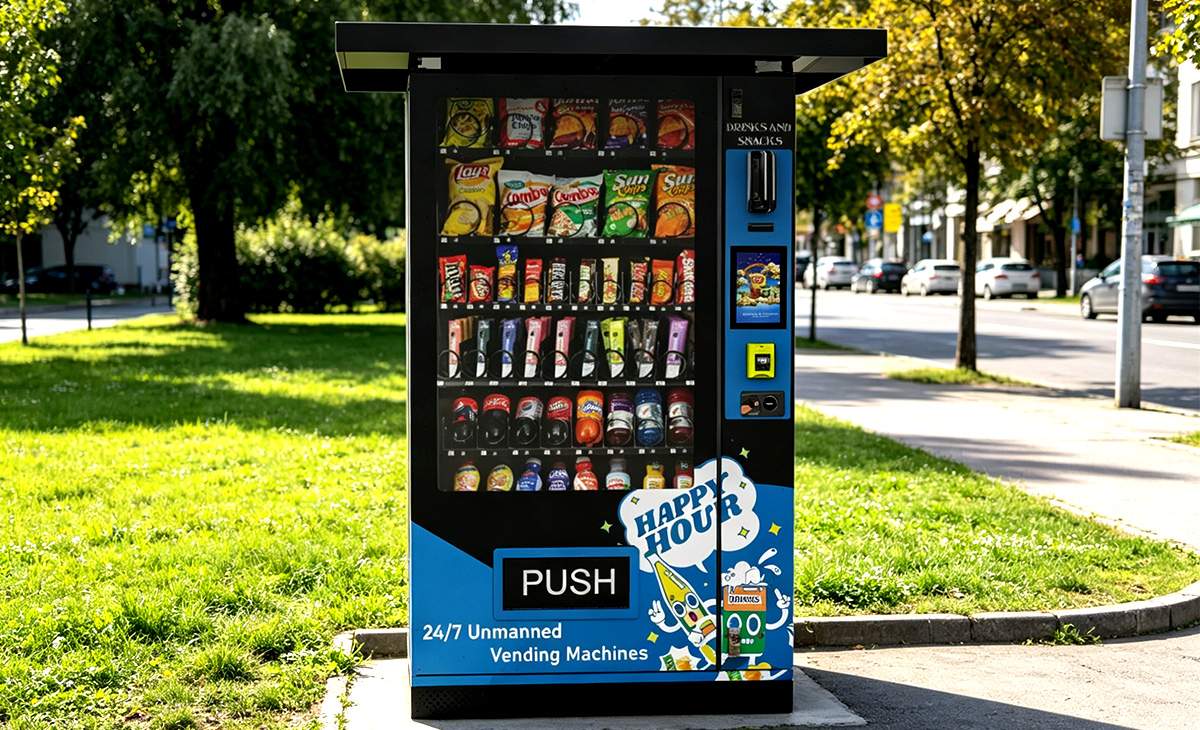
At its core, a vending machine business is a retail operation that runs on location, not on a storefront. You buy or lease a machine, stock it with products, and let customers serve themselves through a payment interface. The machine handles the transaction, but you handle everything else: restocking, repair, cash collection, and data analysis.
Most operators I know start with one or two machines, learn the rhythm of replenishment, and then scale. The beauty of this model is that once a machine is placed, it can generate revenue 24 hours a day without staff on site. That said, it is not passive income. Machines break, products expire, and locations change. You need to stay on top of the operation.
Modern machines are no longer simple coin-operated boxes. They come with telemetry systems that track inventory, cash levels, and even temperature. This data helps you decide when to restock and what products move fastest. The Ems Vending Machine systems I have worked with in Europe often include remote monitoring, which cuts down on unnecessary trips to the site.
Key Components of a Vending Operation
- Machine type: Snack, beverage, combo, or specialized (fresh food, electronics, personal care).
- Payment system: Cash, card, mobile wallet, or contactless. In Europe, contactless is now the standard.
- Location agreement: A contract with the property owner, often a revenue share or flat rental fee.
- Supply chain: Wholesale suppliers or direct deals with manufacturers for your product categories.
- Maintenance plan: Either self-service or a contracted technician for vending machine repair.
Is a Vending Machine Business Profitable?
Profitability varies widely, but I can give you realistic numbers based on my own experience and industry benchmarks. According to IBISWorld, the vending machine industry in the United States alone generates over $7 billion annually, with average profit margins between 10% and 25% per machine (IBISWorld, 2023). In Europe, margins tend to be slightly lower due to higher rent and product costs, but volume can compensate.
A single machine in a good location—say a busy office building or a transit hub—can gross between €400 and €1,200 per month. After product cost (typically 40% to 60% of revenue), location commission (10% to 20%), and maintenance, your net profit might land between €100 and €400 per machine per month. That does not sound huge, but with ten machines, the numbers add up.
The real profit driver is product selection. High-margin items like premium snacks, energy drinks, and healthy options often yield better returns than basic sodas. I have seen operators double their margins simply by switching from standard chips to protein bars and cold brew coffee.
Sample Profit Breakdown for a Single Machine
| Item | Monthly Amount (EUR) |
|---|---|
| Gross revenue | €800 |
| Product cost (50%) | €400 |
| Location commission (15%) | €120 |
| Electricity & connectivity | €30 |
| Maintenance & repair reserve | €50 |
| Net profit | €200 |
This is a realistic scenario, not a best-case. If your location underperforms, you might break even or lose money. That is why site selection is the single most important decision you will make.
What to Consider Before Buying a Vending Machine
New operators often rush into buying equipment without understanding the long-term costs. I have seen people purchase cheap machines only to spend twice the price on vending machine repair within the first year. Here is what you need to evaluate.
Machine Cost and Type
Commercial-grade vending machines range from €2,000 for a basic used model to €8,000 or more for a new, high-capacity unit with a touchscreen and cashless payment. A self-service kiosk or combo machine that handles both snacks and drinks typically costs between €4,000 and €6,000 new.
I recommend starting with a mid-range machine from a reputable manufacturer. Cheaper units often have flimsy motors, poor insulation, and unreliable payment systems. In my experience, a well-built machine from a supplier like Zhongda Smart offers a good balance of upfront cost and long-term reliability. Their machines are common in European markets because they support multiple currencies and temperature ranges.
Location Evaluation Criteria
- Foot traffic: At least 500 to 1,000 people passing per day for a snack machine. For a beverage machine, higher is better.
- Dwell time: People who are waiting—students, factory workers, hospital visitors—spend more.
- Competition: Is there a cafeteria or another machine nearby? Avoid direct competition unless you have a clear advantage.
- Accessibility: Can you restock easily? Is the machine visible and safe?
- Contract terms: Some locations demand high commissions. I never sign more than 20% unless the volume is exceptional.
Payment Systems and Connectivity
In 2024, a machine that only takes cash is a liability. European customers expect contactless payments. Make sure your machine supports NFC, Apple Pay, Google Pay, and chip cards. Additionally, a 4G or Wi-Fi connection for telemetry is almost mandatory. Without it, you are guessing when to restock and missing sales data.
Cost Breakdown: Initial Investment and Ongoing Expenses
Let me walk you through the realistic costs you will face. These numbers come from my own operations across France, Germany, and the UK.
Initial Investment
- Machine purchase: €3,000 to €8,000 (new). Used machines can be €1,500 to €3,000 but often need repairs.
- Payment system upgrade: €300 to €800 if not included.
- Installation and delivery: €200 to €500 depending on location.
- Initial stock: €300 to €600 per machine.
- Permits and licenses: Varies by city. In France, a déclaration préalable may be needed. Budget €100 to €300.
Monthly Operating Costs
- Product replenishment: 40% to 60% of revenue.
- Location commission: 10% to 20% of gross sales.
- Electricity: €20 to €50 per machine.
- Connectivity (SIM card or Wi-Fi): €10 to €25.
- Maintenance reserve: Set aside 5% to 10% of revenue for repairs.
Break-Even Timeline
Based on a €5,000 machine generating €200 net profit per month, you are looking at a 25-month payback period. With a stronger location at €400 net per month, that drops to about 12 months. I have seen operators recoup their investment in 8 months in a university dormitory, and others take 3 years in a low-traffic office. Do not expect quick riches; think of this as a steady cash flow business.
How to Choose a Vending Machine Supplier
Supplier selection is often the difference between a smooth operation and a constant headache. Here is what I look for.
Key Supplier Qualities
- Local support: Do they have technicians in your region? Shipping a machine for repair is expensive.
- Spare parts availability: A machine that uses common parts is easier to maintain.
- Warranty: At least one year on parts and labor.
- Customization: Can they configure the machine for your product mix and payment preferences?
I have used Zhongda Smart for several deployments because they offer reliable hardware at a competitive price point. Their machines are built for the European market, with CE certification and multi-lingual interfaces. They also provide remote diagnostics, which reduces the need for on-site vending machine repair.
Red Flags to Avoid
- Suppliers who promise guaranteed revenue or locations. No one can guarantee foot traffic.
- Machines with proprietary parts that are hard to source.
- Companies with no physical address or support line.
- Used machines sold “as is” without inspection reports.
Common Mistakes New Operators Make
Over the years, I have seen the same errors repeated. Here are the most costly ones.
Ignoring Location Quality
I once placed a machine in a small gym with 200 members. The owner promised high traffic. After three months, I was losing money. The members brought their own water bottles. Always verify traffic yourself. Count people for a few hours at different times.
Buying the Cheapest Machine
A low-cost unit from an unknown manufacturer may save you €1,000 upfront, but the repair costs will eat that savings quickly. I have seen machines with cooling systems that fail within six months, rendering the unit useless for perishable items. Invest in quality.
Overstocking at the Start
New operators tend to fill every slot. This ties up cash and leads to expired products. Start with a lean inventory, track sales for two weeks, then adjust. Use telemetry data to identify top sellers.
Neglecting Maintenance
A machine that looks dirty or has a broken button will lose customers. Schedule regular cleaning and check for issues like jammed coils or faulty card readers. A well-maintained machine builds trust and repeat usage.
Best Locations for Vending Machines
Not all high-traffic areas are equal. Here is a ranking based on my experience.
| Location Type | Traffic Quality | Typical Monthly Revenue (EUR) | Notes |
|---|---|---|---|
| Office buildings (500+ employees) | High | €600–€1,200 | Steady demand, but may require fresh food options. |
| Hospitals and clinics | High | €500–€900 | 24-hour demand, but strict hygiene rules apply. |
| Universities and schools | Very high during term | €400–€800 | Seasonal, but high volume during school months. |
| Transit hubs (train stations, airports) | Extremely high | €800–€1,500 | High commission and rental costs. |
| Gyms and fitness centers | Moderate | €300–€600 | Target health-conscious products. |
| Retail stores and malls | High, but competitive | €400–€700 | Often have existing food options. |
If you are new, I suggest starting with a small office building or a local gym. The competition is lower, and you can test your operational skills without a large investment.
How to Evaluate a Machine Investment
Before buying, run a simple calculation. Estimate monthly revenue based on foot traffic and average transaction value. A good rule of thumb is that 1% to 2% of passersby will use the machine. If 1,000 people walk by daily, expect 10 to 20 transactions per day. At an average spend of €2.50, that is €25 to €50 daily, or €750 to €1,500 monthly.
Subtract your costs and see if the net profit justifies the machine price. If the payback period is longer than 24 months, I would look for a better location or a cheaper machine.
Also consider the machine’s lifespan. A well-maintained commercial unit lasts 8 to 12 years. A cheap unit might last 3 to 5. Factor that into your return on investment.
Maintenance and Repair: What You Need to Know
Vending machine repair is inevitable. The most common issues are jammed products, faulty coin mechanisms, and cooling failures. I recommend learning basic troubleshooting—how to clear a jam, reset the system, and replace a fuse. For major repairs, you will need a technician.
Keep a spare parts kit with common items: coils, sensors, fuses, and a card reader backup. If you use a machine from Zhongda Smart, they provide a list of recommended spare parts and have a network of technicians across Europe.
Preventive maintenance is cheaper than emergency repair. Clean the machine monthly, check seals on refrigerated units, and update payment software regularly.
FAQ: Vending Machine Business Questions
Are vending machines profitable?
Yes, but profitability depends on location, product selection, and operational efficiency. A well-placed machine can net €100 to €400 per month. Poor locations may not cover costs.
How much does a vending machine cost?
New machines range from €3,000 to €8,000. Used machines can be found for €1,500 to €3,000 but may require repairs. Budget extra for payment systems and installation.
How long does it take to break even?
Typically 12 to 24 months. High-traffic locations can shorten this to 8 months, while low-traffic spots may take 3 years or more.
Should a beginner buy or lease a machine?
Buying is better long-term if you have the capital. Leasing reduces upfront cost but often locks you into higher monthly fees. I recommend buying a used machine from a reputable supplier.
Where should I place my first machine?
Start with a location you know well—a friend’s office, a local gym, or a small retail shop. Avoid high-commission locations like airports until you have experience.
What permits do I need?
Requirements vary by city and country. In France, you need a déclaration préalable for commercial equipment. In the UK, food hygiene registration is required if you sell perishable items. Check with your local chamber of commerce.
How do I choose a supplier?
Look for local support, spare parts availability, and a solid warranty. Suppliers like Zhongda Smart offer CE-certified machines and remote monitoring. Avoid companies that cannot provide references.
What happens if the machine breaks?
Most issues can be solved with basic troubleshooting. For major problems, contact your supplier or a local technician. Keep a repair budget of 5% to 10% of revenue.
How can I reduce restocking and maintenance costs?
Use telemetry to track inventory and only visit when needed. Choose a machine with reliable components. Stock high-turnover items to minimize waste.
Final Thoughts
Running a vending machine business is not a get-rich-quick scheme, but it can be a reliable income stream if you approach it with realistic expectations. Focus on location quality, invest in a decent machine, and stay on top of maintenance. The industry data from Statista (2023) shows that the global vending market is growing at about 5% annually, driven by cashless payments and healthier product trends. That growth creates opportunities for new operators who are willing to learn the ropes.
If you are considering your first machine, start small, test your logistics, and scale only when you have a system that works. The Ems Vending Machine model is straightforward, but the execution requires discipline. Good luck.
Disclaimer: The figures in this article are based on my personal experience and publicly available industry data. Actual results vary by location, product, and operational efficiency. This content is for informational purposes and does not constitute financial advice.
Sources:
- IBISWorld – Vending Machine Industry Report (2023). ibisworld.com
- Statista – Global Vending Machine Market Outlook (2023). statista.com
- Service-Public.fr – Déclaration préalable for commercial equipment. service-public.fr
本文更新于2025年2月。