Top Things You Should Know About Custom Vending Machine Cost in 2026
If you are looking into custom vending machine cost in 2026, the first thing you need to understand is that there is no single price tag. Over the last decade, I have placed hundreds of machines across the US and Europe, and I have learned that the real cost is not just what you pay for the hardware. It includes site negotiation, payment integration, inventory management, and ongoing maintenance. A basic off-the-shelf unit might set you back a few thousand dollars, but a fully customized machine with a touchscreen, telemetry, and a tailored product dispensing system can easily run five figures. The key is knowing what you actually need for your specific location and customer base before you write that first check.
What Exactly Is a Custom Vending Machine?
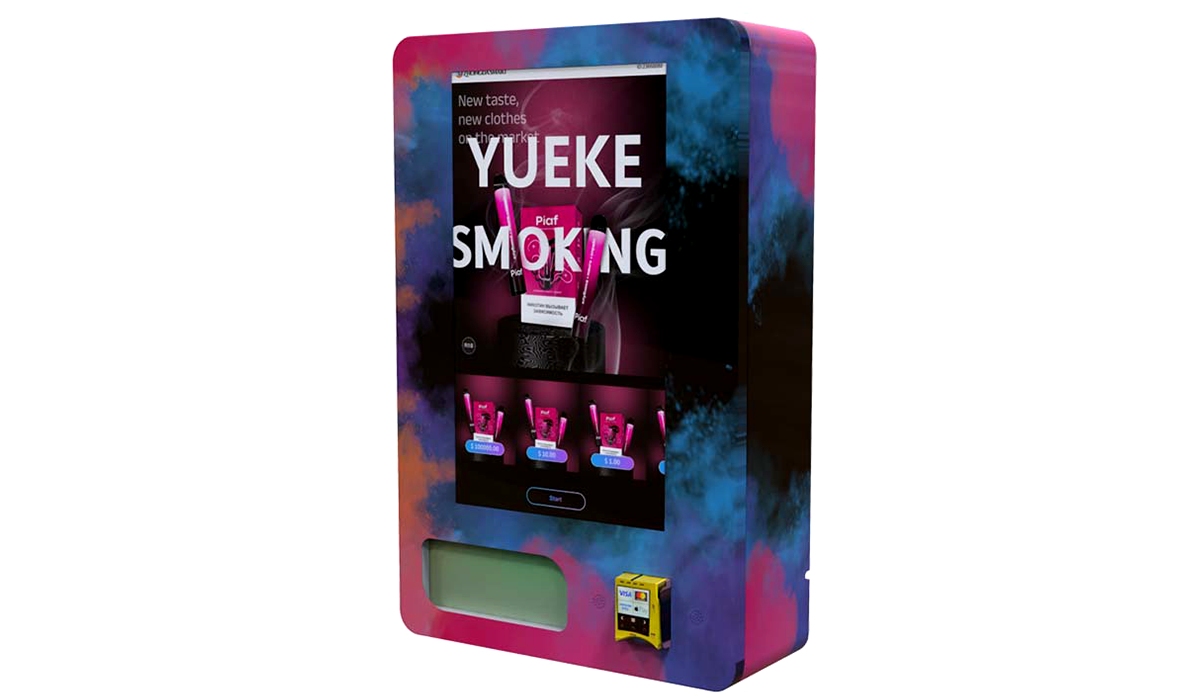
When I talk about a custom vending machine, I am not referring to the standard soda and snack machines you see in every office breakroom. A custom unit is built or modified to fit a specific product, brand experience, or location constraint. Think of a machine that dispenses fresh salads in a corporate cafeteria, or a self-service kiosk that sells electronics accessories in an airport. These machines often feature branded exteriors, specialized refrigeration, and software that integrates with loyalty programs or mobile payment apps.
In the automated retail space, customization can range from simple graphic wraps and shelf adjustments to fully engineered solutions with robotic arms and real-time inventory tracking. The more bespoke the machine, the higher the upfront investment. But in the right location, that investment pays off because you are not competing with the generic vending machine down the hall.
Why Customization Matters in 2026
The vending industry has shifted dramatically. Consumers expect more than just a candy bar and a warm soda. They want fresh food, healthy options, and a seamless payment experience. In Europe, for example, the demand for distributeur automatique solutions that offer organic or locally sourced products has grown significantly. In the US, I have seen machines that sell everything from artisanal coffee to personal protective equipment.
Customization allows you to differentiate your offering. A generic machine in a low-traffic location will struggle to generate enough revenue to cover the rent. But a well-designed, branded machine that fits the aesthetic and needs of a specific venue can command higher prices and repeat customers. The custom vending machine cost in 2026 reflects this shift toward specialization.
Breaking Down the Initial Investment
Let me give you a realistic breakdown based on what I have seen in the market. These are estimates from my own experience and industry reports, not manufacturer promises.
| Machine Type | Estimated Cost Range (USD) | Typical Use Case |
|---|---|---|
| Basic snack and soda machine (refurbished) | $2,000 – $4,000 | Low-traffic office, warehouse |
| New combo machine (snacks + drinks) | $6,000 – $10,000 | Mid-traffic breakroom, school |
| Refrigerated fresh food machine | $8,000 – $15,000 | Hospital, corporate campus |
| Custom branded machine with touchscreen | $12,000 – $25,000 | High-traffic retail, airport |
| Fully engineered robotic or specialized unit | $25,000 – $50,000+ | Pharmacy, electronics, luxury goods |
These figures do not include installation, shipping, or payment system setup. I have seen operators underestimate the cost of getting a machine on-site and connected. A custom vending machine cost in 2026 should always be calculated with a buffer of at least 15% for unforeseen expenses.
Beyond the Machine: Hidden Costs That Add Up
Many newcomers focus only on the machine price and forget the operational side. Here is where I have seen people lose money.
Payment Systems and Telemetry
A modern machine needs a card reader, NFC support, and often a cashless payment system. In Europe, many machines now require contactless payment as standard. The hardware and monthly subscription fees for telemetry (remote monitoring) can add $30 to $100 per month per machine. Without telemetry, you are driving blind. You will either run out of stock or waste time checking a full machine.
Installation and Site Preparation
Delivering a heavy machine to a second-floor office with no elevator is not cheap. You may need a pallet jack, a lift gate truck, and sometimes a rigging crew. I once spent $800 just to get a machine into a basement location. Never assume delivery is included in the price.
Inventory and Spoilage
Fresh food vending requires a cold chain. If your machine fails or the power goes out, you lose the inventory. I recommend budgeting for a spoilage rate of 3% to 5% for fresh items, higher if you are new to route management.
Maintenance and Repairs
A vending machine repair can range from a simple $150 service call to a $1,500 compressor replacement. I always advise setting aside 10% of monthly revenue for maintenance. Machines that look cheap upfront often have expensive parts that fail frequently.
How to Evaluate a Location for Profitability
I have placed machines in over 200 locations. Some were home runs. Others lost money every month. The difference is not the machine. It is the location and the product fit.
Here is my rule of thumb: a location needs at least 100 potential customers passing by per day to support a standard snack machine. For a fresh food machine, you need closer to 200, and the demographic must be willing to pay a premium. A busy gym might work. A quiet library probably will not.
I always ask three questions before signing a site agreement:
- How many people work or visit here daily?
- What is the average length of stay?
- Is there existing food service nearby?
If the answer to the third question is yes, I either walk away or negotiate a lower commission. Competing with a cafeteria is tough unless your machine offers something they do not.
Revenue Potential and Return on Investment
Based on my experience and data from industry sources like the National Automatic Merchandising Association (NAMA), a well-placed snack machine in the US can generate $300 to $800 per month in revenue. A fresh food machine in a high-traffic corporate location can do $1,500 to $3,000. Gross margins on vending products typically range from 25% to 40%, depending on the product mix.
Let me give you a realistic scenario. You buy a custom vending machine for $15,000. You place it in a busy office with 300 employees. Monthly revenue is $2,000. Your cost of goods is $1,200. Your commission to the location is 10% of gross sales ($200). Your payment processing fees are $60. Your maintenance and telemetry costs are $100. Your net profit is $440 per month. At that rate, you recoup your investment in about 34 months, or just under three years.
That is a reasonable return, but it is not instant. I have seen operators claim six-month payback periods. Those are rare and usually involve high-margin products like coffee or specialized equipment in captive locations.
Self-Service Kiosk vs. Traditional Vending Machine
In 2026, the line between a vending machine and a self-service kiosk is blurring. A kiosk typically has a larger screen, more interactive software, and the ability to process orders that are made to order, like a coffee machine that grinds beans fresh. These units cost more but can command higher prices and build brand loyalty.
I have used both. For a location where speed and convenience matter most, a traditional vending machine works fine. For a location where experience matters, such as a hotel lobby or a tech company headquarters, a kiosk is worth the extra investment. The custom vending machine cost in 2026 for a kiosk-style unit can be 30% to 50% higher than a standard machine, but the revenue per transaction is often higher too.
Choosing a Manufacturer or Supplier
This is where many operators make a mistake. They buy the cheapest machine they can find online, often from a supplier with no local support. When the machine breaks, they wait weeks for a part. Meanwhile, the location gets frustrated and asks you to remove the machine.
I recommend looking for a supplier with a proven track record in your target market. If you are operating in Europe, ensure the machine complies with CE marking and local electrical standards. In the US, look for UL certification. A reputable manufacturer like Zhongda Smart offers customizable solutions that can be tailored to your product needs. They have experience in both the US and European markets, which is important for compliance and after-sales support.
When evaluating a supplier, ask about:
- Warranty terms and parts availability
- Lead time for custom orders
- Software integration options
- References from other operators
Do not just look at the price list. A machine that is $2,000 cheaper but has a six-week lead time and no local repair network will cost you more in lost revenue.
Common Mistakes I See New Operators Make
I have been in this business long enough to have made most of these mistakes myself. Here are the ones I see most often.
Buying Too Much Machine
A huge machine with 50 selections looks impressive, but if you cannot keep it stocked with fresh product, it looks sad and neglected. Start with a smaller unit that you can fill consistently.
Ignoring the Payment Experience
If your machine only takes cash, you are losing 30% to 50% of potential sales. In 2026, card and mobile payment are table stakes. I have seen locations where adding a card reader doubled revenue.
Underestimating Route Costs
Driving 50 miles to restock a machine that only generates $200 per month is a losing proposition. Cluster your machines in a geographic area to keep route costs low. A single machine in a remote location is rarely worth it.
Neglecting Data
Modern telemetry gives you real-time data on what is selling and what is not. If you are not using that data to adjust your product mix, you are leaving money on the table. I check my sales data weekly and rotate slow movers immediately.
Fresh Food and Safety Regulations
If you are vending fresh food, you need to understand local health codes. In the US, the FDA Food Code applies. In Europe, regulations vary by country, but HACCP principles are standard. I have had to recall product twice in my career because of temperature abuse. Both times, it cost me thousands of dollars and damaged my reputation.
Invest in a machine with reliable refrigeration and temperature logging. Some telemetry systems can alert you if the temperature goes out of range. That feature is worth the extra cost. According to a report by IBISWorld, the fresh food vending segment has grown steadily, but it also has the highest operational complexity.
Financing, Leasing, and Partnership Models
You do not always have to buy a machine outright. Many operators use financing or leasing to preserve cash. Some locations will even split the cost of a custom machine if it serves their employees or customers.
Here is a comparison of common models:
| Model | Upfront Cost | Monthly Commitment | Control |
|---|---|---|---|
| Outright purchase | High | None | Full |
| Lease (36 months) | Low | $200–$500 | Limited |
| Revenue share with location | None | None (split revenue) | Shared |
| Managed service (you operate, location provides space) | Low to medium | Commission to location | Full operational control |
I prefer outright purchase for machines I know will perform. For experimental locations, I use a revenue share model to reduce risk. The custom vending machine cost in 2026 can be spread out through these models, but always read the fine print on leases. Some have early termination penalties that hurt if the location does not work out.
How to Avoid Paying Too Much
I have seen operators pay $20,000 for a machine that should have cost $12,000. The difference is often in the negotiation. Do not accept the first quote. Ask for an itemized breakdown. What is the cost of the base unit? What is the customization fee? What is the software license?
Also, consider buying a demo or floor model. Manufacturers sometimes discount machines that have been used at trade shows. I bought a demo unit from Zhongda Smart at a 20% discount, and it ran perfectly for years.
Case Study: A Failed Location and What I Learned
Early in my career, I placed a custom coffee kiosk in a small retail store. The owner promised high foot traffic. I did not verify. After three months, the machine was averaging $80 per month in sales. The rent was $150. I lost money every month. I moved the machine to a nearby gym, and within two months, revenue jumped to $1,200 per month.
The lesson is simple: trust but verify. Walk the location yourself. Count people. Talk to the business owner about their customer base. Do not rely on promises.
What the Data Says About the Market
According to Statista, the global vending machine market was valued at approximately $20 billion in 2023 and is projected to grow at a compound annual growth rate of around 6% through 2030. The growth is driven by cashless payments, demand for fresh food, and expansion into non-traditional locations like hospitals and universities.
In Europe, the market for distributeur automatique solutions is mature but evolving. France, Germany, and the UK are the largest markets. A 2024 report from the European Vending Association noted that over 80% of new machines installed in Europe include a cashless payment option.
These trends support the case for investing in a custom machine that can adapt to changing consumer preferences. A standard machine that only accepts coins will be obsolete in a few years.
Final Thoughts from the Field
I have seen this industry change more in the last five years than in the previous fifteen. The custom vending machine cost in 2026 is higher than it was a decade ago, but the potential for profit is also greater if you choose the right machine and location. Do not rush. Do your homework. Talk to other operators. Test a location with a simple machine before investing in a high-end custom unit.
This business rewards patience and attention to detail. It punishes shortcuts. If you treat it like a real business, it can be a solid source of income. If you treat it like a side hustle, it will likely stay that way.
Frequently Asked Questions
Are vending machines profitable in 2026?
Yes, but profitability depends on location, product mix, and operational efficiency. A well-placed machine can generate a net profit of $200 to $800 per month. A poorly placed machine will lose money.
How much does a custom vending machine cost?
Custom vending machine cost in 2026 ranges from $8,000 for a basic customized unit to over $50,000 for a fully engineered robotic machine. Most operators spend between $12,000 and $25,000.
How long does it take to break even?
Based on my experience, a realistic payback period is 18 to 36 months. Faster payback is possible with high-margin products and captive locations, but it is not guaranteed.
Should I buy a new or used machine?
Used machines are cheaper but often lack modern payment systems and telemetry. I recommend buying new for your first machine to avoid headaches. After you have experience, you can consider used units for low-risk locations.
Where is the best place to put a vending machine?
High-traffic locations with a captive audience, such as offices, hospitals, schools, gyms, and manufacturing plants. Avoid locations with existing food service unless you offer something unique.
What permits do I need?
Requirements vary by city and country. In the US, you typically need a business license and a sales tax permit. In Europe, you may need a food handling permit if selling fresh items. Always check local regulations.
How do I choose a vending machine supplier?
Look for a supplier with local support, good warranty terms, and experience in your market. Companies like Zhongda Smart offer customizable machines and have a presence in both US and European markets.
What happens when the machine breaks?
You need a reliable repair service. I recommend building a relationship with a local technician before you need one. Some manufacturers offer service contracts, which can be worth the cost for complex machines.
How can I reduce restocking costs?
Use telemetry to monitor inventory remotely. Only visit machines when they need restocking. Cluster your machines in a small geographic area to minimize driving time.
Do I need a smartphone app for my machine?
Not necessarily, but a mobile payment option is essential. An app can help with loyalty programs, but it is not required for success. Focus on reliable payment processing first.
This article was updated in January 2026. Data and cost estimates are based on my personal experience in the vending industry as well as publicly available reports from Statista, IBISWorld, and the European Vending Association. All revenue figures are estimates and should not be taken as guaranteed returns. Vending machine profitability varies significantly based on location, product selection, and operational efficiency.