Step-by-Step Guide to Starting a Vending Card Machine Business in 2026
If you are looking for a business that offers real flexibility, solid margins, and growing demand across Europe and North America, starting a vending card machine business in 2026 is worth serious consideration. I have spent over a decade placing, maintaining, and scaling vending operations across multiple markets, and I can tell you this: the difference between a profitable route and a money pit comes down to a handful of decisions you make before you buy your first machine. This step-by-step guide walks you through everything I have learned about vending machine repair, site selection, equipment choice, and realistic return expectations. No fluff, no hype—just what works based on actual experience.
What Exactly Is a Vending Card Machine Business?
A vending card machine business is not about selling vending machines. It is about placing automated retail units in high-traffic locations and generating revenue through product sales. The "card" part refers to modern payment systems—most machines today accept credit cards, debit cards, contactless payments, and mobile wallets. Cash-only machines are becoming rare in most European and North American markets. If you are serious about this business, you need a machine that handles card payments natively or through a reliable payment terminal retrofit.
This model works in offices, warehouses, gyms, universities, hospitals, transit hubs, and even small retail spaces. The key is matching the machine type to the location. A snack machine in a 24-hour gym performs differently than a cold drink machine in a mechanic shop. Understanding these nuances is where experience matters most.
Is a Vending Card Machine Business Profitable in 2026?
Profitability depends on three variables: location quality, product margin, and operational efficiency. In my experience, a well-placed machine in a mid-traffic location (200–300 transactions per week) can generate between €800 and €1,800 in monthly revenue. Gross margins on snacks and drinks typically range from 30% to 45%, depending on your sourcing. After deducting restocking labor, machine payments, and minor repairs, net profit per machine often lands between €300 and €700 per month.
According to data from IBISWorld, the vending machine industry in the United States alone was valued at approximately $7.8 billion in 2024, with steady annual growth projected through 2027 (IBISWorld, 2024). In Europe, Statista reported that the number of vending machines in operation across Western Europe exceeded 4.2 million units in 2023, with Germany, Italy, and the UK leading the market (Statista, 2023). These numbers reflect a mature, stable industry—not a get-rich-quick scheme, but a legitimate small business opportunity.
That said, I have seen operators lose money because they bought the wrong machine or placed it in a location that looked busy but generated zero repeat traffic. A vending card machine business requires discipline, not luck.
Step 1: Research Your Local Market Before Buying Anything
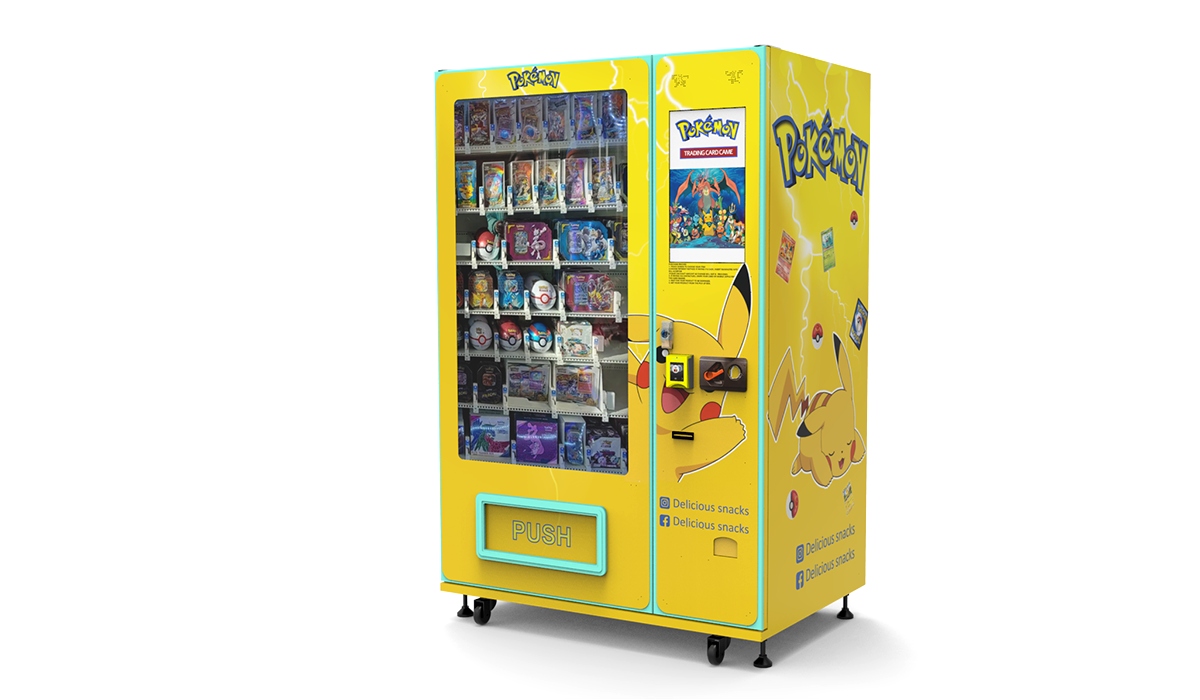
Before you spend a single euro or dollar on equipment, spend two weeks walking potential locations. Look for places where people wait, work, or pass through regularly. Office break rooms, hospital waiting areas, auto repair shops, laundromats, and small manufacturing facilities are classic winners. Avoid locations with existing vending contracts unless you can offer a better revenue split or better equipment.
Talk to business owners. Ask them what products their employees or customers buy most. In my early years, I placed a healthy snack machine in a warehouse thinking it would be a hit. It failed because the workers wanted chips and soda, not kale chips. I swapped the inventory within a month, and revenue doubled. Listen to the location, not your assumptions.
Key Questions to Ask Before Signing a Location Agreement
- How many people pass through this location daily?
- Is there a break room or designated eating area?
- Are there existing vending machines? What brands and how old are they?
- What are the operating hours? 24-hour access increases sales potential.
- Is there reliable Wi-Fi or cellular signal for card payment processing?
Step 2: Choose the Right Machine Type for Your Target Locations
Not all vending machines are created equal. The machine you choose determines your maintenance burden, product flexibility, and customer satisfaction. Here is a breakdown based on what I have seen work in the field.
Snack Vending Machines
These are the workhorses of the industry. A good snack machine with 30–40 selection slots and a card reader costs between €2,500 and €5,500 new, depending on brand and features. Refurbished units can be found for €1,200–€2,000, but expect higher vending machine repair costs if the unit is older than five years.
Cold Drink Vending Machines
Drink machines generate higher per-transaction revenue but require more power and refrigeration maintenance. A new glass-front drink machine runs €3,000–€7,000. Profit margins on drinks are thinner (20–35%), but volume can make up for it. In hot climates or gyms, drink machines often outperform snack machines.
Combo Machines
These units offer both snacks and drinks in a single footprint. They are ideal for small locations where space is limited. However, combo machines have more moving parts and a higher failure rate. I recommend them only for low-volume, space-constrained spots.
Specialty Machines
These include coffee machines, fresh food machines, and even electronics kiosks. They require more frequent restocking and cleaning. Coffee machines can be very profitable in office settings if you have a maintenance contract for the brewing system. Fresh food machines require strict temperature control and short shelf-life management—not ideal for beginners.
Step 3: Evaluate Equipment Suppliers Carefully
Your supplier choice affects your upfront cost, spare parts availability, and long-term reliability. I have bought machines from large distributors, factory-direct suppliers, and second-hand resellers. Here is what I have learned.
Factory-direct suppliers like Zhongda Smart offer competitive pricing on new machines with modern payment systems built in. They provide customization options for branding and product configurations, which is useful if you are building a consistent look across your route. Their machines are used in European and North American markets, and they offer technical support and spare parts for common issues. I have seen their units in operation in several mid-size routes, and they hold up well under regular use.
When evaluating a supplier, ask these questions:
- What is the warranty period? 12 months is standard; 24 months is better.
- Are spare parts available locally or do they ship from overseas?
- Does the machine support major payment processors like Nayax, Cantaloupe, or Worldline?
- Can you test the machine before purchase?
- What is the lead time for delivery and installation?
Avoid suppliers who refuse to provide a clear spec sheet or who promise unrealistic revenue guarantees. No honest manufacturer will guarantee your income—that depends on your location and operations.
Step 4: Understand the Full Cost of Ownership
Many beginners look only at the purchase price. That is a mistake. The true cost of a vending machine includes installation, payment system setup, inventory, maintenance, and insurance. Here is a realistic cost breakdown based on my own route.
| Cost Category | Estimated Amount (EUR) | Notes |
|---|---|---|
| New machine (snack or drink) | €2,500 – €7,000 | Price varies by brand, size, and features |
| Payment system (card reader) | €300 – €800 | Includes installation and activation |
| Initial inventory | €400 – €1,200 | Depends on machine capacity and product cost |
| Delivery and installation | €150 – €500 | Often higher for upstairs locations |
| Annual maintenance (average) | €200 – €600 | Includes vending machine repair and cleaning |
| Insurance (liability + equipment) | €150 – €400 per year | Required by most location agreements |
Based on these numbers, a single machine route requires an initial investment of roughly €3,500 to €10,000. If you buy used equipment, you can cut that in half, but expect more frequent vending machine repair visits. I have seen operators save €2,000 on a used machine only to spend €1,500 on repairs in the first year. Sometimes buying new is cheaper in the long run.
Step 5: Site Selection Is Everything
I cannot overstate this. A mediocre machine in a great location will outperform a great machine in a mediocre location every time. In my experience, the best locations have at least 100 potential customers per day, a captive audience (people who cannot easily leave the building), and no existing vending competition.
Best Locations for Vending Machines
- Manufacturing plants and warehouses
- Office buildings with 50+ employees
- Hospitals and medical clinics
- Gyms and fitness centers
- Colleges and universities
- Auto dealerships and repair shops
- Laundromats and car washes
- Transit stations (where permitted)
One of my most profitable machines sits in a small auto repair shop with only 12 employees. Why? Because customers waiting for car repairs spend money on drinks and snacks while they wait. The location has a 10:1 customer-to-employee ratio. Look beyond employee counts and consider visitor traffic.
Step 6: Negotiate the Location Agreement
You need a written agreement with the property owner or manager. Standard terms include a commission of 10–20% of gross sales, or a fixed monthly fee. In low-traffic locations, you may offer a flat fee of €50–€100 per month instead of a percentage. In high-traffic spots, expect to pay 15–25% commission.
Always include a clause that allows you to remove the machine if sales do not reach a minimum threshold after three months. I have walked away from locations that looked perfect on paper but generated only €200 in monthly sales. Without an exit clause, you are stuck paying rent on a dead asset.
Step 7: Set Up Payment Systems and Connectivity
Modern vending machines require reliable payment processing and remote monitoring. In 2026, most customers expect to pay with a tap of their phone or card. Machines without card readers lose 30–50% of potential sales, in my experience.
Popular payment processors in Europe include Nayax, Worldline, and CCV. In North America, Cantaloupe (formerly USA Technologies) and Nayax dominate. These systems charge a transaction fee of 2–6% plus a small monthly service fee. Remote monitoring allows you to see sales data, inventory levels, and machine status from your phone. This feature alone saves hours of driving to check empty machines.
Do not skip remote telemetry. It pays for itself within three months by reducing unnecessary trips and helping you restock only when needed.
Step 8: Stock Smart, Not Just Cheap
Product selection is where many new operators lose money. They stock what they like, not what sells. In my routes, the top-selling items are consistently carbonated drinks, plain water, chocolate bars, chips, and crackers. Healthy snacks sell in specific locations like gyms and yoga studios, but they move slower in general retail.
Use your sales data to adjust inventory every two weeks. Remove items that do not sell within two restock cycles. Replace them with alternatives. I once had a machine where a single brand of iced tea accounted for 22% of all drink sales. I doubled its slots and saw total machine revenue increase by 8% without adding a single new customer.
Step 9: Plan Your Restocking and Maintenance Schedule
Restocking frequency depends on volume. A high-traffic machine may need restocking twice a week. A low-traffic machine might go ten days between visits. Using remote monitoring, you can restock based on actual sales rather than a fixed schedule. This reduces labor costs and product spoilage.
Maintenance falls into two categories: preventive and reactive. Preventive maintenance includes cleaning the machine, checking refrigeration, lubricating moving parts, and updating payment system firmware. I schedule preventive maintenance every three months. Reactive maintenance—vending machine repair—happens when something breaks. Common issues include jammed spirals, faulty card readers, and refrigeration failures.
Keep a small inventory of spare parts: spiral motors, coin mechanism belts, card reader cables, and fuses. If you have more than five machines, consider a service contract with a local technician. In my experience, the cost of a service contract (€50–€100 per machine per year) is cheaper than paying per-call repair fees.
Step 10: Track Your Numbers and Scale
Once your first machine is running profitably for three consecutive months, you can start looking for a second location. Do not scale too fast. I have seen operators buy ten machines at once and struggle to manage them. Start with one or two machines, learn the operational rhythm, then reinvest your profits.
Key metrics to track per machine:
- Monthly revenue and gross profit
- Cost of goods sold (COGS) as a percentage
- Commission or rent paid to location
- Restocking labor hours per machine
- Vending machine repair frequency and cost
- Return on investment (ROI) monthly
A healthy machine should pay for itself within 12 to 18 months. If a machine has not reached that point after 18 months, either the location is wrong or your product mix needs a complete overhaul.
Common Mistakes I See New Operators Make
I have made most of these mistakes myself, so I can tell you what to avoid.
Buying the cheapest machine available. Low-cost machines often use proprietary parts that are hard to replace. When they break, you wait weeks for a repair. Spend a bit more for a machine with standard components and local service support.
Ignoring location power requirements. Some machines require a dedicated 20-amp circuit. If the location does not have one, you pay for an electrician. Check the electrical setup before you deliver the machine.
Overstocking slow-moving items. I once stocked a machine with 20 slots of premium cookies because I got a bulk discount. They took six months to sell. Cash tied up in inventory is cash you cannot use elsewhere.
Neglecting the customer experience. A dirty machine, a broken card reader, or an empty slot drives customers away. First impressions matter. Clean your machines every visit.
Signing long-term location agreements without performance clauses. You should always have the right to leave if sales are below a threshold. I have seen operators stuck paying rent on machines that never made money.
How to Evaluate Whether a Machine Is Worth Investing In
Before you commit to any machine, run this quick evaluation. Estimate the location's daily foot traffic. Multiply by a conservative conversion rate—5% is a good starting point for snack machines, 8% for drink machines in warm climates. Multiply by your average transaction value (typically €1.50–€3.00). That gives you a rough daily revenue estimate. Multiply by 30 for monthly revenue. Subtract 35% for COGS, 15% for commission, and 10% for maintenance and payment fees. If the remaining net profit is at least €250 per month, the machine is worth pursuing.
This is a rough estimate, but it has served me well. If the numbers do not work on paper, they will not work in reality.
Real Data from the Industry
According to a 2024 report by the European Vending & Coffee Service Association (EVA), the average vending machine in Europe generates approximately €4,500 in annual sales, with snack and drink machines accounting for over 70% of total industry revenue (EVA, 2024). In the United States, the National Automatic Merchandising Association (NAMA) reported that the average operator manages 80–100 machines per route, with annual revenue per machine ranging from $5,000 to $12,000 depending on location (NAMA, 2023). These figures align with what I have seen across my own routes.
Another useful data point comes from a 2023 study by the French National Institute of Statistics and Economic Studies (INSEE), which found that self-service vending machines in transport hubs and hospitals in France had a 25% higher transaction frequency compared to machines in standalone retail locations (INSEE, 2023). This supports what I have observed: captive audience locations consistently outperform open retail spaces.
Frequently Asked Questions
Is a vending machine business profitable?
Yes, if you choose the right location, stock the right products, and manage maintenance effectively. Most operators see net profit margins of 20–35% per machine after all costs. But it is not passive income—it requires regular attention.
How much does a vending machine cost?
A new snack or drink machine with a card reader costs between €2,500 and €7,000. Refurbished machines range from €1,200 to €3,000. Budget extra for delivery, installation, and initial inventory.
How long does it take to break even?
With a well-placed machine, expect a payback period of 12 to 18 months. Some machines pay off in 10 months; others take 24 months. It depends entirely on location and product mix.
Should a beginner buy or lease a machine?
Buying is better for long-term profitability. Leasing often comes with higher total costs and restrictions. If you are uncertain, start with one used machine to test the waters.
Where should I place my first machine?
Look for locations with at least 100 daily visitors, a captive audience, and no existing vending competition. Manufacturing plants, offices, and auto repair shops are solid starting points.
What permits do I need?
Requirements vary by country and city. In most European and North American markets, you need a basic business license and possibly a food vending permit if you sell perishable items. Check with your local chamber of commerce or city hall.
How do I choose a vending machine supplier?
Look for suppliers with a track record of reliable machines, local spare parts availability, and good technical support. Zhongda Smart is one option worth considering if you want a factory-direct partner with modern payment integration and customization options.
What happens if the machine breaks down?
You either fix it yourself or call a technician. Having a basic toolkit and spare parts on hand reduces downtime. Remote monitoring can alert you to problems before customers complain.
How can I reduce restocking and maintenance costs?
Use remote telemetry to restock based on actual sales data. Schedule preventive maintenance quarterly. Group your machines geographically to minimize driving time between locations.
Final Thoughts from the Field
Starting a vending card machine business in 2026 is a realistic path to building a small business with steady cash flow. It is not a shortcut to wealth, but it is a business you can grow at your own pace. The operators who succeed are the ones who treat it like a real business—tracking numbers, maintaining equipment, and listening to their customers. If you start small, learn from your mistakes, and reinvest your profits, you can build a route that supports you for years.
This article was updated in January 2026. All financial figures and market data are based on publicly available sources and personal operational experience. Results vary by location, market conditions, and operator effort. No guarantee of specific earnings is implied.