Healthy Vending Machines For Sale_ Prices, Profit Potential, and Setup Guide for Beginners
If you are searching for healthy vending machines for sale because you want to enter the automated retail space, you likely have three questions: how much do these machines cost, can you actually make money with them, and what do you need to do to get started without losing your shirt. I have spent over a decade placing, repairing, and pulling machines across the United States and parts of Europe, and I can tell you that the healthy vending niche is not a get-rich-quick scheme, but it is a legitimate business with solid margins if you treat it like a real operation. The difference between a machine that collects dust and one that collects cash comes down to three things: equipment selection, location quality, and operational discipline. This guide covers the real numbers, the common traps, and the practical steps for buying and running healthy vending machines based on what I have seen work and fail over the years.
What Are Healthy Vending Machines and Where Do They Belong?
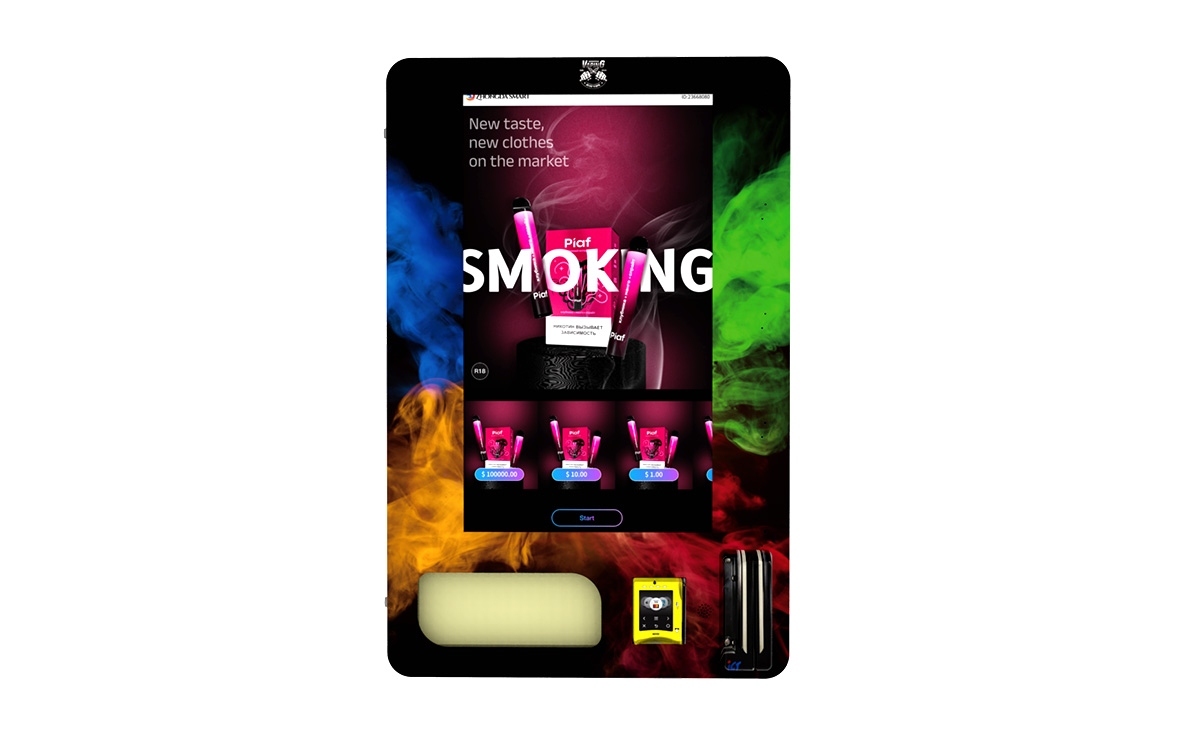
Healthy vending machines are self-service kiosks stocked with snack and beverage options that meet certain nutritional criteria. Think protein bars, nuts, dried fruit, veggie chips, organic granola, low-sugar drinks, and bottled water. The category has grown steadily over the past decade as schools, gyms, corporate offices, and healthcare facilities move away from traditional candy-and-soda vending. According to a 2023 report by IBISWorld, the healthy vending machine segment in the US grew at an annualized rate of about 6.4% between 2018 and 2023. That is not explosive growth, but it is steady, and the demand is driven by real changes in consumer behavior and workplace wellness policies.
From my experience, the best locations for healthy vending are not the same as for traditional vending. A gym or fitness studio is obvious, but the real sweet spots are hospital staff break rooms, corporate campuses with wellness programs, university recreation centers, and even municipal buildings that have implemented healthy procurement policies. I have placed machines in a county government building in Oregon that generated over $1,800 per month in revenue because the building had a strict no-junk-food policy and no other food options within walking distance. Location trumps everything, and a so-so machine in a great location will outperform a top-tier machine in a dead spot every time.
Do Healthy Vending Machines Actually Make Money?
This is the question I get most often, and the honest answer is yes, but not as fast as some sellers would have you believe. The profit potential depends heavily on your product margins, your location foot traffic, and how often you service the machine. In my experience, a well-placed healthy vending machine can generate monthly revenue between $600 and $2,500. Gross margins on healthy snacks typically run between 30% and 45%, which is slightly lower than traditional candy vending because healthier products tend to cost more to buy wholesale. However, the lower margins are often offset by higher customer loyalty and less competition for prime locations.
Here is a realistic breakdown based on actual machines I have operated. One machine placed in a mid-sized corporate office with 200 employees did about $1,200 per month in sales. After product cost, credit card processing fees, and a small location commission, the net profit was roughly $420 per month. The machine itself cost $5,200 new, so the payback period was about 13 months. Another machine in a busy gym did closer to $2,000 per month, but the product cost was higher because I stocked more premium protein bars and cold-pressed juices. That machine paid for itself in about 9 months. These numbers are not guaranteed, but they are realistic targets if you do your homework on the location and product mix.
A 2022 study by the National Automatic Merchandising Association (NAMA) estimated that the average vending machine in the US generates about $75 per week in revenue across all categories. Healthy vending machines tend to sit slightly above that average, especially in high-traffic wellness-oriented locations. The key takeaway is that healthy vending is not a passive income machine. You have to work the route, rotate stock, and pay attention to what sells and what sits.
How Much Does a Healthy Vending Machine Cost?
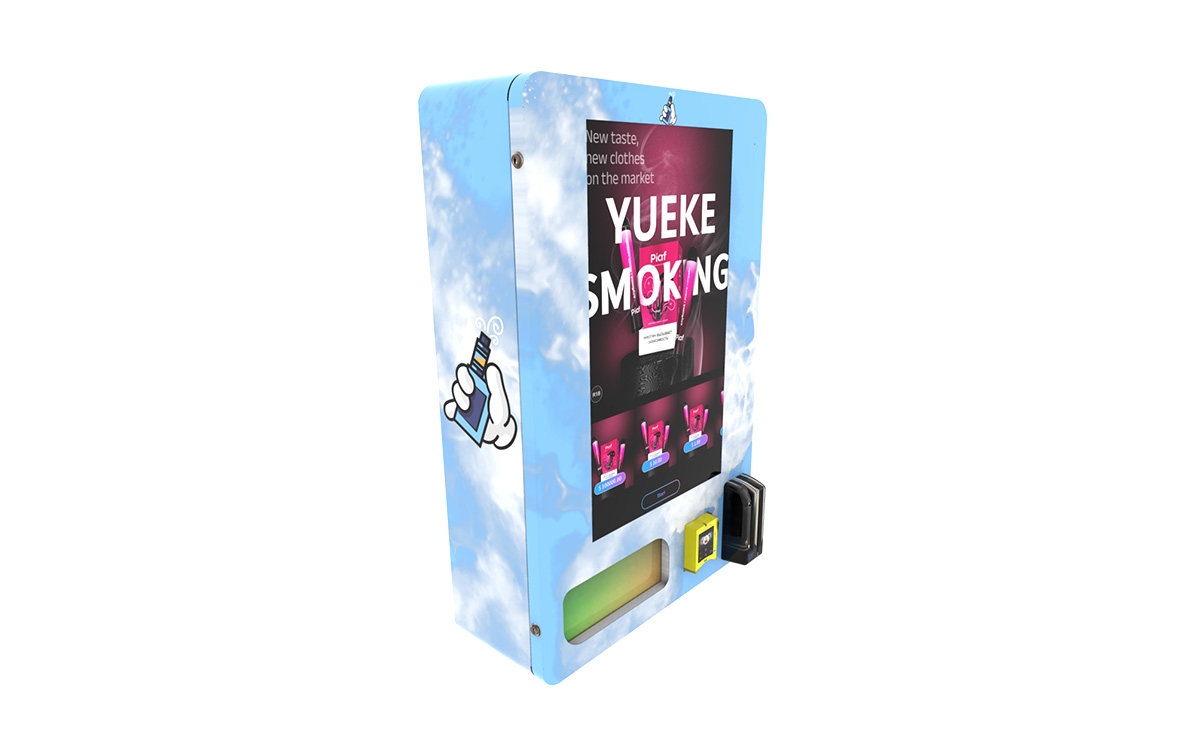
The price of healthy vending machines for sale varies widely based on features, size, and whether you buy new or used. From what I have seen in the market, a new healthy vending machine with a glass front, a card reader, and temperature control typically costs between $4,500 and $8,500. Refurbished machines can be found for $2,000 to $4,000, but you need to be careful about the condition of the cooling system and the payment terminal. I have bought used machines that looked fine but needed a $600 compressor replacement within six months, so factor that into your budget.
Here is a quick comparison table to help you understand the different types of machines and what you should expect to pay:
| Machine Type | New Price Range | Used Price Range | Typical Monthly Revenue | Best Location Type |
|---|---|---|---|---|
| Basic snack-only (ambient temperature) | $3,500 – $5,000 | $1,500 – $2,800 | $400 – $900 | Small offices, break rooms |
| Combination snack and cold drink | $5,500 – $7,500 | $2,500 – $4,000 | $800 – $1,800 | Gyms, corporate campuses |
| Premium glass-front with touchscreen | $7,000 – $9,500 | $3,500 – $5,500 | $1,200 – $2,500 | Hospitals, universities, high-traffic retail |
| Refrigerated cold-food machine | $8,000 – $12,000 | $4,000 – $6,500 | $1,500 – $3,000 | Healthcare facilities, large offices |
One important note: do not skimp on the payment system. Machines that only take cash are becoming obsolete. In the US, over 80% of vending transactions are now cashless, according to a 2023 report by USA Technologies. If you buy a machine without a built-in credit card reader and NFC payment capability, you are limiting your revenue potential significantly. Most new machines come with these features, but if you buy used, check that the payment terminal supports modern contactless payments like Apple Pay and Google Pay.
Key Factors to Evaluate Before Buying a Machine
Location Due Diligence
I have seen more beginners fail because of bad location choices than any other reason. Before you buy a single machine, you should have a location secured or at least a shortlist of spots that you have vetted. Walk the location at different times of day. Count foot traffic. Talk to the facility manager or business owner about their needs and any exclusivity agreements they may have with another vendor. I once placed a machine in a small yoga studio that had only 30 students per day. The owner loved the idea, but the traffic was just not there. That machine did $150 in its best month. I moved it to a nearby physical therapy clinic, and revenue tripled within two weeks.
Look for locations with at least 100 daily visitors who have a reason to stay in the area for more than a few minutes. Schools, hospitals, office buildings, and fitness centers are the gold standard. Avoid locations where people can easily walk to a convenience store or a café. The best locations are food deserts within a building or campus where your machine becomes the most convenient option.
Product Sourcing and Margins
One mistake I made early on was buying healthy snacks from regular grocery wholesalers. The margins were terrible. You need to find distributors that specialize in natural and organic products, or better yet, buy direct from brands that offer wholesale programs for vending operators. Companies like KIND, RXBAR, and That's It offer wholesale pricing if you buy in case quantities. You should aim for a minimum 40% gross margin on every item you stock. If a protein bar costs you $1.20 and sells for $2.50, that is a 52% margin. If you are only making 25% after all costs, you are essentially working for free.
Also, pay attention to expiration dates. Healthy products often have shorter shelf lives than candy bars. I have had to write off entire cases of kale chips that expired before I could sell them. Rotate your stock diligently, and do not over-order on slow-moving items until you have sales data to guide you.
How to Choose a Supplier or Manufacturer
When you start looking at healthy vending machines for sale, you will come across dozens of manufacturers and resellers. Some are reputable, and some are essentially selling glorified cabinets with a cooling unit that will fail in a year. Here is what I look for when evaluating a supplier:
- Service and parts availability: Can you get replacement parts within 48 hours? If the manufacturer is based overseas and has no local service network, a simple repair can take weeks. I have had good experience with Zhongda Smart for their reliable hardware and responsive support. Their machines are built for commercial duty, not home use, and they offer customization options for branding and payment systems.
- Payment system compatibility: Make sure the machine supports Nayax, USA Technologies, or Cantaloupe systems. These are the major payment platforms in the US. If a supplier offers a proprietary payment system that nobody else uses, you will be locked into their ecosystem and may pay higher processing fees.
- Warranty terms: A good manufacturer offers at least a one-year warranty on parts and a five-year warranty on the compressor. Anything less is a red flag.
- Customization: If you are placing machines in a corporate or healthcare setting, you may want to customize the exterior with branding or nutritional information. Some suppliers offer this at no extra cost, while others charge a premium.
I have also worked with smaller US-based assemblers who import components and build machines locally. Their pricing is higher, but the support can be better. It really depends on your budget and your tolerance for downtime. If you are running a single machine as a side business, a lower-cost machine from a reputable manufacturer like Zhongda Smart can work fine. If you are scaling to a fleet of 20 machines, you want a supplier that can provide consistent quality and fast support.
Operating Costs You Cannot Ignore
Many beginners look only at the purchase price of the machine and forget about the ongoing costs. Here is what you should budget for monthly:
- Product restocking: Expect to spend 55% to 70% of your revenue on product cost, depending on your markup. If you do $1,200 in sales, you will spend roughly $660 to $840 on products.
- Payment processing fees: Cashless payments typically cost 5% to 8% of each transaction. On $1,200 in sales, that is $60 to $96 per month.
- Location commission: Some locations charge a commission of 5% to 20% of gross sales. Others charge a flat monthly fee. I have paid as little as 0% in a hospital break room and as much as 25% in a high-traffic gym. Negotiate this upfront.
- Maintenance and repairs: Budget at least $200 per year per machine for routine maintenance and unexpected repairs. This covers things like replacing a stuck coil, fixing a cooling fan, or updating the payment software.
- Inventory waste: Plan for 2% to 5% of your inventory to expire or get damaged before it sells. This is higher for healthy products with shorter shelf lives.
If you add all this up, a machine doing $1,200 per month in sales might net you between $300 and $500 after all costs. That is a decent return on a $5,500 investment if you have low downtime and a good location. But if your machine sits idle for two weeks because the cooling unit failed and you are waiting for a part, that profit disappears fast.
Common Beginner Mistakes and How to Avoid Them
I have made most of these mistakes myself, so I can tell you exactly what to watch out for:
- Buying too many machines too fast: Start with one or two machines. Learn the rhythm of restocking, the quirks of the payment system, and the sales patterns of your location. Once you have a proven model, scale slowly.
- Ignoring the payment system: I have seen operators buy machines with outdated card readers that cannot process chip cards or mobile payments. You will lose customers who do not carry cash. Make sure your payment system is current.
- Overstocking slow-moving items: Your first few months will involve some trial and error. Track what sells and what does not. Do not be afraid to drop items that sit for more than three weeks. I once stocked a gluten-free cracker that looked great on paper but sold maybe two units in a month. I replaced it with a protein bar, and sales doubled.
- Underestimating the time commitment: Restocking a single machine takes about 30 to 45 minutes per visit, plus travel time. If you have five machines spread across a city, you are looking at a half-day commitment at least once a week. Plan your route efficiently to minimize driving.
- Not having a backup plan for machine breakdowns: When a machine goes down, you lose revenue and you risk losing the location. Have a relationship with a local repair technician before you need one. If you are handy, learn basic troubleshooting for your specific machine model.
How to Evaluate a Potential Location
I use a simple scoring system when I look at a new location. I rate it on four criteria: foot traffic, captive audience, competition, and accessibility. Each gets a score from 1 to 10, and I only proceed if the total is 30 or higher.
Foot traffic: How many people pass by the machine location each day? For a healthy vending machine, I look for at least 100 people per day. In a busy hospital, that is easy. In a small private office, it is hard.
Captive audience: Can people easily leave the building to buy snacks elsewhere? If there is a cafeteria or a convenience store on the same floor, your machine will struggle. If the nearest food option is a 10-minute walk away, your machine becomes the default choice.
Competition: Is there already a vending machine in the building? If so, what does it sell? If it is a traditional machine selling soda and candy, a healthy machine can coexist because it serves a different need. If there is already a healthy machine, you need to offer something different, like cold-pressed juices or fresh fruit.
Accessibility: Can you access the machine 24/7 for restocking? Some buildings lock their doors after business hours, which means you can only service the machine during specific times. That is fine for an office, but it can be a problem if you need to restock a high-traffic machine on a weekend.
I once turned down a location in a popular gym because the machine would have been in a staff-only area that was only accessible between 6 AM and 8 PM. That would have limited my ability to restock when the machine was busiest. The gym manager was surprised, but I explained that a machine that cannot be serviced efficiently will eventually fail. He ended up moving the machine to the lobby, and it did well.
Should You Buy, Lease, or Partner?
There are three common ways to get into healthy vending, and each has its pros and cons:
- Buying outright: You own the machine, keep all the revenue, and are responsible for all maintenance. This is the best option if you have the capital and want full control. The payback period is typically 9 to 18 months.
- Leasing: You pay a monthly fee for the machine, and the leasing company handles repairs. This lowers your upfront cost but reduces your profit margin. Leases often run $100 to $200 per month for a mid-range machine. I have seen operators do well with leasing when they are testing a new market, but over time, buying is almost always cheaper.
- Revenue sharing with a location: Some gyms or offices will let you place a machine for free in exchange for a percentage of sales. This can work if you have a strong product mix and a good relationship with the location owner. The downside is that you have less control over the machine's placement and you may be asked to remove it with short notice.
For beginners, I recommend buying one machine outright. The learning curve is steep enough without adding lease terms or partnership negotiations. Once you have a machine running profitably for six months, you can decide whether to buy a second machine or explore leasing for a higher-risk location.
Real Data and Sources You Can Trust
I mentioned some numbers earlier, but here are specific sources you can look up for more details. According to a 2023 market analysis by IBISWorld, the vending machine industry in the US is worth about $8.5 billion, with healthy vending representing a growing segment. The National Automatic Merchandising Association (NAMA) publishes annual operator surveys that provide benchmarks for revenue, costs, and profit margins. Their 2022 survey showed that the average vending machine operator runs about 50 machines and earns a net profit margin of approximately 12% to 18% after all expenses. For healthy vending specifically, margins tend to be slightly lower due to higher product costs, but the revenue per machine can be higher in the right locations.
Another useful source is Statista, which tracks consumer spending on vending machine purchases. Their 2023 data indicates that US consumers spend an average of $1.50 per vending transaction, and healthy vending transactions tend to be higher, averaging around $2.00 to $2.50. This is consistent with what I have seen in my own operations.
For European readers, the European Vending & Coffee Service Association (EVA) publishes annual reports on the vending market in Europe. Their 2022 report noted that healthy vending is growing faster in Northern Europe than in Southern Europe, driven by corporate wellness trends in countries like Sweden, the Netherlands, and Germany.
FAQ: Common Questions About Healthy Vending Machines
Are healthy vending machines profitable?
Yes, they can be profitable, but the profit depends on location, product margins, and how often you service the machine. A well-placed machine can generate $300 to $500 per month in net profit after all costs. Some operators earn more, some less. It is not a passive income stream, but it can be a solid side business or a scalable operation if you treat it seriously.
How much does a healthy vending machine cost?
A new healthy vending machine typically costs between $4,500 and $8,500. Used machines can be found for $2,000 to $4,000, but you may need to invest in repairs or upgrades. The total cost also includes payment system setup, which can add $300 to $600.
How long does it take to recoup the investment?
Payback periods usually range from 9 to 18 months for a well-placed machine. If you buy a used machine and place it in a high-traffic location, you might recoup your investment in 6 to 9 months. If the location is slow, it could take two years or more.
Should a beginner buy or lease a machine?
Buying is generally better if you have the capital, because you keep all the profit and build equity in the equipment. Leasing can lower your upfront risk, but it reduces your monthly profit. I suggest buying one machine first and learning the business before committing to a lease.
Where is the best place to put a healthy vending machine?
Gyms, hospitals, corporate offices, universities, and government buildings with wellness policies are the best locations. Look for places with at least 100 daily visitors and limited food options nearby. Avoid locations where people can easily walk to a convenience store or café.
What permits or licenses do I need?
In the US, you typically need a business license and a sales tax permit. Some states require a vending machine permit or a food handler's permit if you sell perishable items. Check with your local health department and city business office. In the EU, requirements vary by country, but you generally need a business registration and may need to comply with local food safety regulations.
How do I choose a vending machine supplier?
Look for a supplier that offers reliable hardware, a good warranty, and support for modern payment systems. Zhongda Smart is one manufacturer I have worked with that provides solid commercial-grade machines and responsive customer service. Ask about parts availability and whether they have a local service network in your area.
What happens if the machine breaks down?
You need to have a plan for repairs. If you are handy, learn basic troubleshooting for your machine model. If not, find a local vending machine repair technician before you need one. Some manufacturers offer extended warranties that cover labor and parts for the first year.
How often do I need to restock the machine?
Most healthy vending machines need restocking once a week. High-traffic locations may need twice a week. Plan your restocking schedule based on sales data. If a machine consistently sells out of certain items before your next visit, increase the capacity for those items or visit more frequently.
How can I reduce restocking and maintenance costs?
Plan efficient routes if you have multiple machines. Use a route management app to track inventory and sales. Buy products in bulk from wholesale distributors to lower your per-unit cost. Regularly clean the machine and check the cooling system to prevent major breakdowns.
Final Thoughts on Starting Your Healthy Vending Business
Healthy vending is a real business opportunity, but it is not a set-it-and-forget-it operation. The machines that succeed are the ones that are well-placed, well-stocked, and well-maintained. If you are willing to put in the time to find good locations, learn the product mix, and handle the occasional repair, you can build a profitable small business or even scale it into a fleet. Start small, pay attention to the numbers, and do not be afraid to move a machine if it is not performing. I have relocated machines that went from losing money to making money simply by moving them 500 feet to a busier hallway.
As with any business, there are risks. Machines break, locations change, and consumer preferences shift. But if you approach it with realistic expectations and a willingness to learn, healthy vending can be a solid addition to your income stream. There are no shortcuts, but the basics are straightforward: buy a reliable machine, put it in a location with foot traffic and limited competition, stock it with products that people actually want to buy, and service it consistently. That is the formula I have used for over a decade, and it still works today.
This article was updated as of March 2025. Market conditions and pricing may vary by region and time. Always verify current pricing and regulations with local authorities and suppliers before making purchasing decisions.