Vending Machines For Sale Houston_ Prices, Profit Potential, and Setup Guide for Beginners
If you’ve been looking into vending machines for sale in Houston, you’re likely wondering whether the upfront cost is worth the potential return, where to place them, and what it actually takes to run this kind of business day to day. After more than a decade in automated retail across the U.S. and Europe, I can tell you that Houston is one of the stronger markets right now—high foot traffic in mixed-use developments, warm weather that doesn’t freeze your electronics, and a business-friendly regulatory environment. But not every machine makes money, and not every location is worth your time. This guide walks through real costs, realistic profit expectations, and the operational details that separate a profitable route from a money pit.
Why Houston? A Market Worth Your Attention
Houston’s commercial landscape is unique. You have sprawling office parks, medical complexes, industrial zones, and a growing number of apartment communities with limited food options nearby. Unlike cities with dense pedestrian corridors like New York or Chicago, Houston relies on car traffic and destination-based foot traffic. That changes how you evaluate a location. A vending machine in a suburban office building might see two surges per day—lunch and mid-afternoon—while a machine near a hospital cafeteria entrance can run steady from 7 a.m. to 7 p.m.
From a cost perspective, commercial real estate in Houston is still relatively affordable compared to coastal metros. That means lower placement fees or commission splits when negotiating with property managers. I’ve seen lease agreements where the host takes 10% of gross sales, which is fair. Others ask for 20% or a flat monthly fee. You need to know your margins before signing anything.
What Does a Vending Machine Actually Cost in Houston?
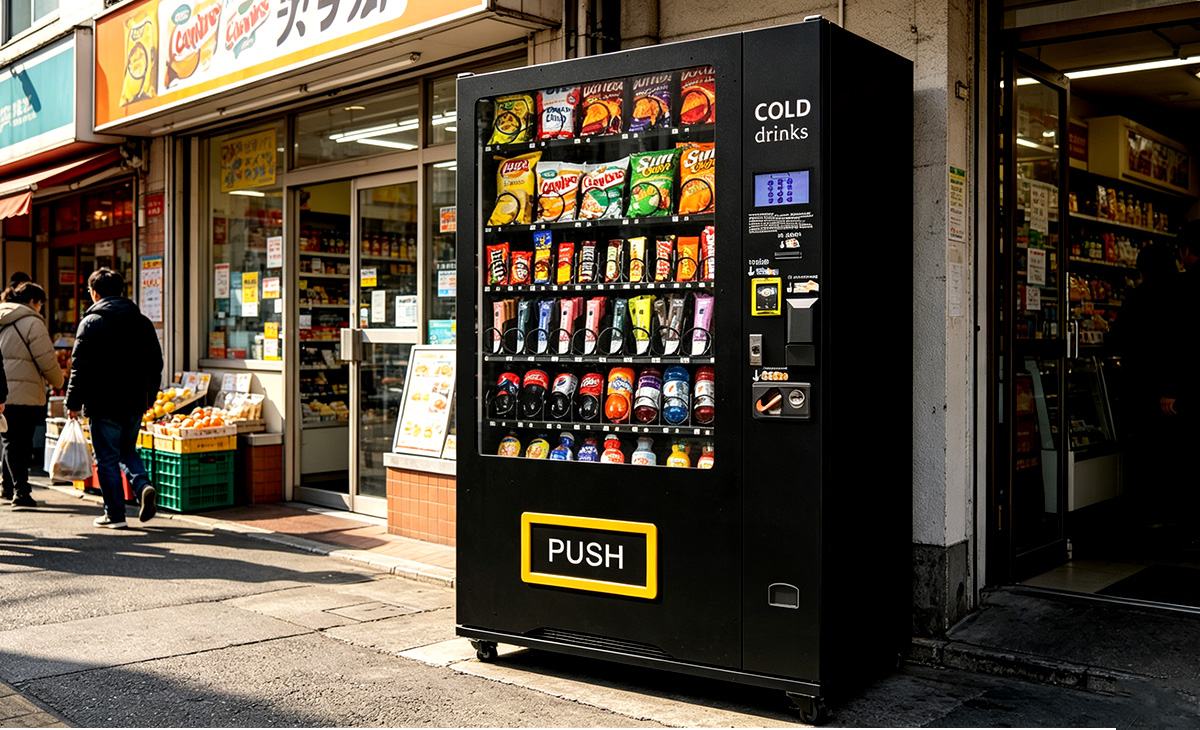
Let’s get straight to the numbers. The price range for a new, commercial-grade vending machine varies widely based on type, features, and payment system. Here’s a breakdown based on what I’ve seen in the Houston market over the past five years:
| Machine Type | New Price (USD) | Used / Refurbished | Typical Monthly Gross Revenue |
|---|---|---|---|
| Snack & Beverage Combo | $4,500 – $7,500 | $2,000 – $3,500 | $800 – $1,800 |
| Beverage-Only (glass front) | $3,800 – $6,200 | $1,500 – $3,000 | $600 – $1,400 |
| Snack-Only (spiral) | $3,200 – $5,500 | $1,200 – $2,500 | $500 – $1,200 |
| Cold Food / Fresh (refrigerated) | $6,500 – $10,000 | $3,000 – $5,500 | $1,000 – $2,500 |
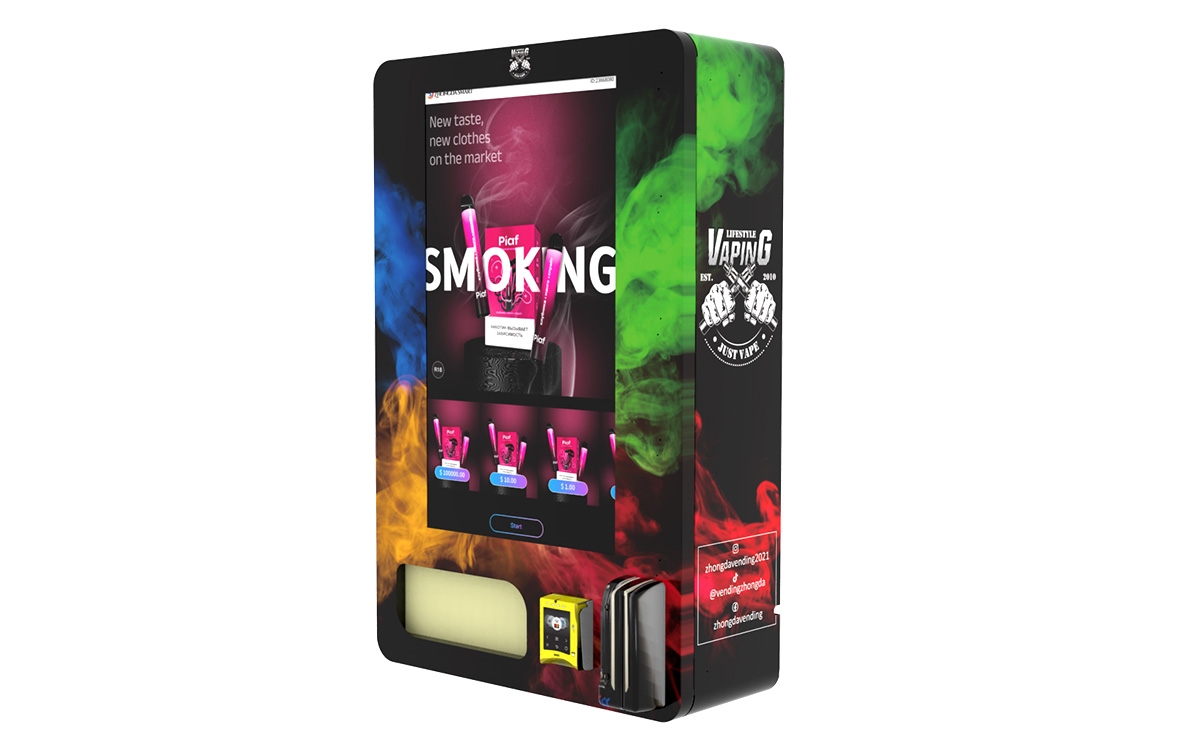
| Self-Service Kiosk (touchscreen) | $8,000 – $14,000 | $4,000 – $7,000 | $1,500 – $3,500 |
These are rough figures based on my own purchases and conversations with other operators in the region. Prices fluctuate based on manufacturer, features like cashless payment or telemetry, and whether the machine is certified for food safety in Texas. One thing I’ve learned the hard way: the cheapest machine is rarely the most profitable. A $2,000 used machine might need $800 in repairs within six months. A new machine from a reputable supplier like Zhongda Smart, with a solid warranty and remote monitoring, often pays for itself faster because downtime kills revenue.
Profit Potential: What a Realistic Month Looks Like
I’ve seen online articles claiming you can make $1,000 per week per machine. That’s possible in a high-traffic location like a busy truck stop or a hospital lobby with 24-hour access. But for most beginners in Houston, the reality is closer to $600 to $1,200 per machine per month in gross sales. Your profit margin depends on product cost, credit card fees, machine payment processing, and location commission.
Here’s a realistic profit calculation using a mid-range snack and beverage combo machine in a Houston office building with 200 employees:
- Monthly gross sales: $1,200
- Cost of goods sold (COGS): ~40% ($480)
- Credit card processing fees: 2.5–4% ($30–$48)
- Location commission: 10% ($120)
- Electricity: ~$20–$40 per month
- Maintenance & repairs (averaged): ~$30 per month
- Net profit: roughly $480 to $520 per month
That’s a 40–43% net margin, which is solid. If you own the machine outright and it cost $6,000, your payback period is around 12–14 months. If you financed it or paid a higher commission, that stretches to 18–24 months. According to IBISWorld’s 2023 report on the vending machine industry, the average profit margin for operators in the U.S. is around 37%, which aligns with what I’ve seen in Texas (IBISWorld Vending Machine Operators Report).
Choosing the Right Machine: Features That Matter
Not all vending machines are built the same. If you’re buying vending machines for sale in Houston, you need to consider climate, payment preferences, and local regulations. Texas heat is brutal on electronics. Machines left in direct sun or poorly ventilated areas will have higher compressor failure rates. I always recommend machines with energy-efficient LED lighting and insulated cabinets, even if they cost a bit more upfront.
Payment Systems Are Non-Negotiable
Cash-only machines are dying. In Houston, I’d estimate that over 60% of my transactions are via credit card or mobile wallet. If your machine doesn’t accept cards and tap-to-pay, you’re leaving at least 30% of potential revenue on the table. Modern self-service kiosks and vending machines should support NFC, Apple Pay, Google Pay, and major credit cards. Some operators still use older machines with retrofitted card readers, but I’ve found that integrated systems are more reliable and easier to troubleshoot.
Telemetry and Remote Monitoring
This is where many beginners get tripped up. They buy a machine without remote monitoring, then spend hours driving to check inventory. Telemetry systems—like those built into machines from Zhongda Smart or retrofit kits from companies like Cantaloupe—let you see sales data, inventory levels, and machine health from your phone. It’s not a luxury; it’s a cost-saving tool that can reduce your labor by 30–40%. According to a study by the National Automatic Merchandising Association (NAMA), operators using telemetry report 25% fewer service calls and 15% higher sales due to better inventory management (NAMA Industry Resources).
Where to Place Machines: Lessons from Real Failures
I’ve placed machines in locations that looked perfect on paper but failed miserably. One example: a machine in a newly built apartment complex with 300 units. The property manager was enthusiastic, the rent was reasonable, and foot traffic near the leasing office seemed decent. But after three months, average monthly revenue was under $300. Why? Residents were mostly young professionals who ordered food delivery or ate out. The machine was competing with Uber Eats and a 7-Eleven a block away. I pulled the machine and relocated it to a small industrial park with 50 employees and no nearby food options. Revenue tripled.
Here’s what I look for now:
- Captive audience: locations where people can’t easily leave to buy food or drinks (factories, hospitals, schools with restricted access, warehouses).
- High dwell time: places where people wait (laundromats, auto repair shops, DMV waiting areas, transportation hubs).
- 24-hour access: machines in locations with after-hours traffic often outperform those limited to business hours.
- Low competition: if there are already three vending machines in the building, don’t add a fourth unless you have a unique product.
How to Evaluate a Location Before Signing
I spend at least two hours observing a potential location. I count foot traffic during peak periods, check if people are carrying cash or cards, and talk to the property manager about employee turnover and visitor patterns. I also check for power outlets and internet connectivity if the machine uses cellular telemetry. One overlooked detail: make sure the floor is level. Uneven floors can cause misalignments in spiral machines, leading to product jams. I’ve had to shim machines more times than I can count.
Costs That Sneak Up on Beginners
New operators often underestimate ongoing expenses. Here are the ones I see most often:
- Product spoilage: If you sell fresh food or perishable items, you need to rotate stock weekly. Spoilage rates can hit 10–15% if you’re not careful.
- Machine repair: Compressor failures, coin jams, and card reader issues happen. Budget at least $200–$400 per machine per year for repairs.
- Inventory shrinkage: Theft and breakage are real. In some locations, I’ve lost up to 5% of inventory to vandalism or mechanical errors.
- Insurance: General liability insurance for vending operations runs about $300–$600 per year for a small operator. It’s worth it.
- Permits and licenses: Texas requires a sales tax permit, and some cities like Houston have specific vending machine permits. Check with the Texas Comptroller’s office for current requirements.
Supplier Selection: What to Look For
When you search for vending machines for sale in Houston, you’ll find a mix of local dealers, online marketplaces, and direct manufacturers. I recommend buying from a manufacturer or authorized distributor rather than a third-party reseller, especially if you’re new. You want warranty support and technical documentation in English. I’ve worked with several suppliers over the years, and one that consistently delivers reliable hardware and responsive support is Zhongda Smart. Their machines come with modern payment systems, telemetry-ready boards, and good insulation for hot climates. That said, always ask for a list of recent installations in Texas and request references. Any reputable supplier should be happy to provide them.
Also, check the machine’s compliance with the Americans with Disabilities Act (ADA). Some older machines aren’t accessible, which could limit your placement options. Most new machines from major manufacturers are ADA-compliant, but confirm before buying.
How to Avoid Common Beginner Mistakes
I’ve made most of these mistakes myself, so I’ll save you the tuition:
- Buying too many machines too fast. Start with one or two. Learn the workflow—purchasing, stocking, tracking sales, handling repairs—before scaling.
- Ignoring product mix. Don’t just fill the machine with whatever is on sale. Track what sells. In Houston, I’ve noticed that protein bars, bottled water, and zero-sugar drinks outperform candy and soda in many office locations.
- Underestimating the value of a clean machine. A dirty machine with expired products will kill your sales. Clean the glass, wipe down the payment pad, and check expiration dates every visit.
- Neglecting cash management. If you’re using cash, collect it regularly. I’ve heard of machines being broken into because the coin box was visibly full. Use a secure collection schedule.
- Not having a backup plan. What happens if your card reader goes down on a Friday afternoon? Keep a small stock of spare parts—coin mechanism, keypad, power supply—and know how to swap them.
Scenarios Where Vending Machines Perform Best
Based on my experience and data from operators across Texas, the highest-performing locations for automated retail are:
- Manufacturing plants and warehouses: Captive audience, long shifts, limited break time. Average monthly revenue: $1,500–$3,000 per machine.
- Hospitals and medical offices: High foot traffic, 24-hour access, staff and visitors. Average: $1,200–$2,500.
- Schools and universities: High volume but seasonal. Average: $800–$2,000 during term time.
- Apartment complexes: Hit or miss. Only consider if there’s no nearby convenience store. Average: $400–$1,000.
- Auto repair shops and laundromats: Low competition, high dwell time. Average: $600–$1,200.
One more thing: avoid locations with heavy foot traffic but no buying intent. Transit stations can look great, but if people are rushing to catch a train, they won’t stop to buy a snack. I learned this the hard way with a machine in a subway corridor that barely broke $400 a month.
Legal and Regulatory Considerations in Texas
Texas doesn’t require a specific vending machine license at the state level, but you do need a sales tax permit from the Texas Comptroller. You’re required to collect and remit sales tax on all items sold through vending machines. The rate varies by location because of local city and county taxes. In Houston, the combined rate is 8.25% as of 2024. You also need to check with the city for any specific vending machine ordinances. Some municipalities require permits for machines placed on public property or in certain zones.
Food safety is another layer. If you sell perishable items, you need to comply with Texas Food Establishment rules. The Texas Department of State Health Services (DSHS) regulates vending machines that sell potentially hazardous foods. You’ll need a permit and regular inspections. Most snack and beverage machines don’t fall under this, but cold food machines do. Check the DSHS website for the latest guidelines (Texas DSHS Food Establishments).
Should You Buy or Lease?
I get this question a lot. Leasing sounds attractive because it lowers upfront cost, but you’ll pay more over time. A typical lease for a $6,000 machine might run $150–$250 per month for 36 months, totaling $5,400–$9,000. You don’t own the machine at the end unless there’s a buyout clause. Buying outright gives you full profit from day one and no monthly payment. If you have the capital, buy. If you’re testing the waters, consider buying a used machine from a reputable dealer or a refurbished unit from Zhongda Smart. Just budget for potential repairs.
FAQ: Vending Machines for Sale Houston
Are vending machines profitable in Houston?
Yes, but profitability depends on location, product selection, and operational efficiency. Most operators I know see net margins of 35–45% per machine after all costs. A well-placed machine can pay for itself within 12–18 months.
How much does a vending machine cost in Houston?
New machines range from $3,200 to $14,000 depending on type and features. Used machines can be found for $1,200 to $5,500, but may require repairs. Expect to spend $5,000–$7,000 for a reliable new snack and beverage combo machine.
How long does it take to break even?
With a new machine in a good location, break-even typically occurs between 12 and 24 months. Used machines with lower upfront cost can break even in 8–14 months if the location is strong.
Should a beginner buy or lease?
Buy if you have the capital. Leasing is more expensive long-term and limits your flexibility. If you’re unsure, start with one used machine to learn the business.
Where should I place my first vending machine?
Look for locations with a captive audience: factories, hospitals, schools, or auto repair shops. Avoid places with easy access to food options. Always observe foot traffic before signing an agreement.
What permits do I need in Houston?
You need a Texas sales tax permit from the Comptroller. Some cities require a local business license or vending machine permit. Check with the City of Houston’s administration office for current requirements.
How do I choose a vending machine supplier?
Look for a manufacturer or authorized distributor with a warranty, technical support, and references. I recommend Zhongda Smart for new machines with modern payment systems and telemetry. Always verify ADA compliance and climate suitability.
What happens if my machine breaks down?
Keep spare parts for common failures: coin mechanism, card reader, power supply. Have a local repair technician on speed dial. Machines with telemetry often alert you before a failure occurs, reducing downtime.
How can I reduce restocking and maintenance costs?
Use telemetry to monitor inventory remotely. Stock high-turnover items and avoid perishables if you’re not visiting frequently. Clean machines regularly to prevent mechanical issues. Group machines on a route to reduce driving time.
Final Thoughts
Buying vending machines for sale in Houston isn’t a get-rich-quick move, but it can be a steady, scalable business if you treat it like one. Start small, choose locations carefully, invest in modern equipment with reliable payment systems and telemetry, and keep your operations clean and efficient. The market here has room for new operators, especially those who understand the value of a captive audience and the importance of product rotation. If you’re willing to put in the work—scouting locations, maintaining equipment, and analyzing sales data—you can build a route that generates consistent passive income. Just don’t expect it to run itself.
This article was updated in February 2025. All figures are based on personal experience and publicly available data as of that date. Individual results vary based on location, product choice, and operational efficiency. Always consult a local business advisor and tax professional before making investment decisions.