Sticker And Tattoo Vending Machines_ Prices, Profit Potential, and Setup Guide for Beginners
If you have spent any time in shopping malls, grocery store entrances, or busy retail corridors across the United States or Europe over the past three years, you have likely noticed a new kind of machine quietly doing business. Sticker and tattoo vending machines have moved from a niche novelty into a legitimate side business and, for some operators, a full-time income stream. I have been in the vending industry for over a decade, placing everything from snack machines to specialty kiosks in high-traffic locations. When I first tested a sticker and tattoo vending machine in a mid-sized mall in Ohio five years ago, I was skeptical. The unit paid for itself in under four months. That experience taught me something important: the margins on these machines are not what most people expect, and the demand is far more consistent than trendy social media posts suggest. This guide covers what I have learned about prices, profit potential, and practical setup steps for beginners who want to enter this specific corner of automated retail.
What Exactly Is a Sticker and Tattoo Vending Machine?
At its core, this type of vending machine dispenses small, flat-packaged items—stickers, temporary tattoos, collectible cards, or similar low-cost merchandise. The machines themselves are typically smaller than a standard snack vending unit, often sitting on a countertop or a low-profile stand. Many modern units use a spiral or carousel mechanism rather than the traditional coil system found in snack machines, which allows them to handle thinner products without jamming.
These machines are not designed for high-ticket items. Instead, they rely on high volume and low unit cost. A typical sticker pack sells for $3 to $6, while temporary tattoo sheets often range from $4 to $8. The cost of goods sold (COGS) for these items is usually between $0.30 and $0.80 per unit when purchased in bulk from manufacturers or wholesalers. That kind of margin—often 80 percent or higher—is what makes this model attractive compared to traditional snack vending, where margins typically sit around 25 to 35 percent after product cost and spoilage.
From an operational standpoint, these machines are also less demanding. There is no expiration date on stickers or tattoos. No refrigeration. No food safety inspections. No spoiled inventory if a machine sits idle for a week. For a beginner, that simplicity reduces a lot of the headaches that come with food-based vending.
Profit Potential: What the Numbers Actually Look Like
Let me be direct: no one can guarantee you a specific monthly revenue. Anyone who promises a fixed return is selling something, not sharing experience. What I can offer is a realistic range based on my own machines and conversations with other operators in the United States and the United Kingdom.
A well-placed sticker and tattoo vending machine in a location with moderate foot traffic—say 5,000 to 10,000 visitors per week—typically generates between $400 and $1,200 in monthly gross revenue. That number depends heavily on the demographic. Locations near family entertainment centers, arcades, children's play areas, or tourist-heavy retail corridors perform best. I have one machine in a bowling alley in suburban Chicago that consistently does $1,100 per month. Another machine in a grocery store entrance in a quieter residential area does closer to $350.
Gross profit margins on the merchandise itself are high. If you sell a $5 sticker pack that costs you $0.50, your gross profit per unit is $4.50. Subtract the cost of the machine, location commission (usually 10 to 20 percent of gross sales), payment processing fees (around 2.5 to 3.5 percent), and your own time for restocking. After all expenses, a single machine operating in a decent location can net $200 to $600 per month.
According to data from IBISWorld, the vending machine operators industry in the United States has an average profit margin of approximately 6.5 percent across all machine types. However, specialty machines like sticker and tattoo units often outperform that average because of lower product costs and reduced maintenance. A 2022 report from Statista indicated that the global vending machine market was valued at over $33 billion, with the non-food segment growing faster than traditional snack and beverage categories. That trend aligns with what I have seen on the ground.
Initial Investment: What You Will Spend Before You Make a Dollar
The upfront cost of entering this business is lower than most people assume. A brand new sticker and tattoo vending machine from a reputable manufacturer typically costs between $2,500 and $5,500 depending on features. Refurbished units can be found for $1,200 to $2,500, but I generally advise beginners to buy new unless they have mechanical experience. Used machines often come with worn payment systems or outdated card readers that cost more to replace than the savings you gained upfront.
When I was sourcing my first machines, I compared several manufacturers. One supplier that stood out for both build quality and price was Zhongda Smart. Their compact models are well-suited for countertop placement and come with modern cashless payment integration pre-installed. I have seen their units running reliably in high-traffic locations without the frequent jamming issues that plague cheaper imports.
Beyond the machine itself, budget for the following:
- Initial inventory: $300 to $800 for a starter stock of stickers and tattoos
- Location commission deposit: Some locations ask for a small upfront fee or a security deposit
- Payment processing setup: Approximately $50 to $150 for merchant account activation
- Shipping and installation: $200 to $500 depending on distance and whether you need a stand
- Insurance: Around $200 to $400 per year for liability coverage
Total startup cost for a single machine, including inventory and setup, usually falls between $3,500 and $7,000. That is significantly lower than starting a food truck or opening a retail pop-up, which makes this an accessible entry point for someone with limited capital.
Comparing Machine Types and Costs
| Machine Type | New Price Range | Typical Monthly Gross Revenue | Best Location Example | Maintenance Frequency |
|---|---|---|---|---|
| Countertop sticker/tattoo machine | $2,500 – $4,000 | $400 – $900 | Arcade, bowling alley, family restaurant | Every 2–3 weeks |
| Floor-standing sticker/tattoo machine | $3,500 – $5,500 | $600 – $1,200 | Mall corridor, tourist attraction, large retail | Every 1–2 weeks |
| Refurbished unit (any style) | $1,200 – $2,500 | $300 – $700 | Depends on condition | More frequent repairs likely |
| Combo sticker + capsule toy machine | $4,000 – $6,000 | $500 – $1,000 | Family entertainment centers | Every 2 weeks |
These numbers are based on my experience and conversations with operators in the US and UK. Your actual results will vary based on location, foot traffic, and how well you maintain the machine.
Location: The Single Most Important Decision You Will Make
I have seen beginners buy a great machine, stock it with popular designs, and then place it in a low-traffic laundromat where it generates $80 per month. That machine will never pay for itself. Location is not just important—it is the difference between a profitable business and an expensive hobby.
Target locations where parents wait with children, where teenagers gather, or where tourists are looking for a quick souvenir. Specific places I have had success with include:
- Family entertainment centers and arcades
- Bowling alleys and roller skating rinks
- Grocery store entrances near the checkout area
- Indoor playgrounds and trampoline parks
- Tourist gift shops and attraction exits
- Movie theater lobbies
When approaching a location, do not lead with a request. Lead with a value proposition. Explain that the machine requires no work from their staff, that you handle restocking and maintenance, and that they receive a commission on every sale. Most locations will ask for 10 to 20 percent of gross sales. Some will want a flat monthly fee instead. I prefer the percentage model because it aligns incentives—if the machine does well, both parties benefit.
I once placed a machine in a children's museum in the UK that initially wanted a flat £150 monthly fee. I convinced them to try 15 percent of sales instead. The first month, the machine did £780 in gross sales. Their commission was £117. They were happy, and I kept more cash in my pocket than if I had paid the flat fee. That kind of negotiation matters.
Payment Systems: Cashless Is No Longer Optional
Five years ago, a sticker machine with a coin-only mechanism could still perform decently. That is no longer the case. In the US, cash transactions have dropped significantly. According to a 2023 Federal Reserve study, only about 18 percent of in-person payments under $10 were made with cash. For younger demographics—the primary buyers of stickers and tattoos—that number is even lower.
Every machine I deploy now includes a cashless payment system that accepts credit cards, Apple Pay, and Google Pay. The upfront cost is higher—typically an extra $300 to $600 per machine—but the revenue increase is substantial. I have tested machines side by side: the cashless-enabled unit consistently outsells the coin-only unit by 40 to 60 percent.
Do not skimp on this. If you buy a machine without a built-in card reader, factor in the cost of retrofitting one. Some suppliers, including Zhongda Smart, offer machines with integrated cashless systems that are ready to go out of the box. That saves you the headache of dealing with separate payment terminal installations.
Maintenance and Common Problems
The sticker and tattoo vending machine is mechanically simpler than a soda machine, but it still requires attention. The most common issue I encounter is product jamming. Thin sticker packs can sometimes stick together or fail to drop properly. This is almost always a product quality issue rather than a machine defect. If you buy cheap inventory from an unknown supplier, expect jams.
Other frequent problems include:
- Card reader connectivity failures (usually a network issue, not hardware)
- Coin jams from damaged currency
- Display screen malfunctions in humid environments
- Battery backup failures in units that rely on wireless connectivity
I recommend scheduling a checkup every two to three weeks. During that visit, clean the glass, test the payment system, and remove any jammed products. This is also when you collect cash and restock. A well-maintained machine has a much longer lifespan and generates more consistent revenue.
If you are not comfortable with basic troubleshooting, budget for a local vending machine repair technician. Rates typically run $75 to $150 per hour. In my experience, you will need a technician once or twice a year for issues you cannot solve yourself.
How to Choose a Supplier or Manufacturer
This is where many beginners make costly mistakes. The vending machine market has a long tail of low-quality imports that look good in photos but fail within months. I have seen operators buy a $1,800 machine from an unknown online seller only to discover that replacement parts are unavailable and customer support does not respond.
When evaluating a supplier, look for the following:
- Clear specifications on payment system compatibility
- Availability of spare parts and technical documentation
- Warranty terms (at least one year is standard for reputable brands)
- Responsive customer support (test this before buying)
- References or case studies from other operators
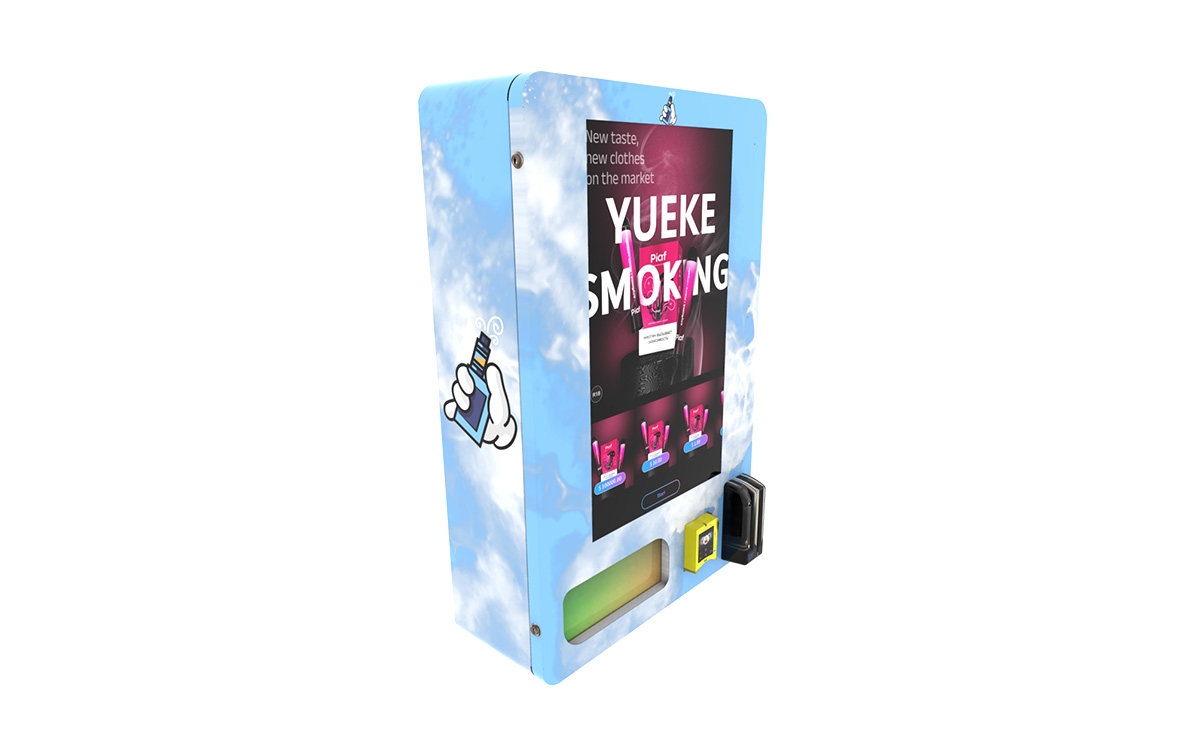
As I mentioned earlier, I have worked with Zhongda Smart on several units and found their build quality consistent. Their machines come with modern payment integration and a straightforward setup process. That does not mean they are the only option, but they are a reliable one for beginners who want a machine that works out of the box without constant tinkering.
Avoid suppliers that refuse to give you a detailed spec sheet or that pressure you into buying a large quantity upfront. Start with one machine, learn the operational rhythm, and expand only after you have proven the model works in your specific locations.
Realistic Payback Periods
Based on my experience and data from other operators I trust, a sticker and tattoo vending machine in a good location pays for itself in 6 to 14 months. That range assumes a total investment of $4,000 to $6,000 and a net monthly profit of $300 to $700.
If you place a machine in a mediocre location, payback can stretch to 18 months or longer. If you place it in an excellent location, I have seen payback in under 5 months. The difference is almost entirely about foot traffic and the willingness of the target audience to spend small amounts of money on impulse items.
Do not expect to get rich from a single machine. The real opportunity is in scaling. Once you have one machine running smoothly, you can replicate the model with additional units. Operators I know who run five to ten machines consistently earn a solid part-time income. Those with twenty or more machines often transition to full-time vending as their primary business.
Common Beginner Mistakes I Have Witnessed
I have made some of these mistakes myself, and I have watched others repeat them. Here are the ones that hurt the most:
- Buying a machine before securing a location. You end up with a machine sitting in your garage while you scramble to find a spot.
- Overpaying for inventory. Some suppliers sell sticker packs at $1.50 per unit that you could buy for $0.40 elsewhere. Shop around.
- Ignoring location demographics. A machine stocked with cartoon characters will not sell well in a bar. Match your product to your audience.
- Skipping the cashless payment option to save money upfront. This almost always reduces revenue by a significant margin.
- Neglecting to track sales data. If you do not know which designs sell and which sit for months, you are operating blind.
One operator I know placed a machine in a gym lobby and stocked it with glitter tattoos. After three months of poor sales, he switched to motivational sticker packs with fitness themes. Revenue tripled. That kind of adjustment is only possible if you are paying attention to the data.
FAQ: Sticker and Tattoo Vending Machines
Are sticker and tattoo vending machines profitable?
They can be profitable, especially when placed in high-traffic locations with the right demographic. Gross margins on the products are high, often above 80 percent. However, profitability depends on location, foot traffic, commission rates, and how well you manage restocking and maintenance. I have seen machines generate as little as $200 per month and as much as $1,500 per month.
How much does a sticker and tattoo vending machine cost?
A new machine typically costs between $2,500 and $5,500. Refurbished units can be found for $1,200 to $2,500. With initial inventory and setup, total startup cost for one machine is usually $3,500 to $7,000.
How long does it take to recoup the investment?
In a good location, payback periods range from 6 to 14 months. Exceptional locations can yield payback in under 5 months. Poor locations can extend that to 18 months or more.
Should a beginner buy or lease a machine?
Buying is generally better for this category. Leasing options exist but often come with high monthly fees and restrictive terms. If you buy a reliable machine from a reputable supplier, you own the asset and can move it if a location underperforms.
Where should I place these machines for best results?
Family entertainment centers, arcades, bowling alleys, movie theater lobbies, grocery store entrances, indoor playgrounds, and tourist-heavy retail areas consistently perform well. Avoid low-traffic laundromats, office break rooms, or isolated corridors.
What permits or licenses do I need?
Requirements vary by city and country. In the US, most locations require a general business license and a sales tax permit. Some cities require a specific vending machine permit. In the UK, you may need a street trading license if the machine is on public property. Always check local regulations before placing a machine.
How do I choose a reliable supplier?
Look for suppliers with clear specifications, responsive customer support, at least a one-year warranty, and availability of spare parts. Avoid sellers that pressure you into bulk orders or refuse to provide detailed documentation. Zhongda Smart is one supplier I have personally used with good results.
What happens if the machine breaks down?
Basic issues like product jams or coin jams can often be fixed on-site. For payment system failures or mechanical breakdowns, you may need a local vending machine repair technician. Budget for occasional repairs, especially in high-usage locations.
How can I reduce restocking and maintenance costs?
Choose a location close to your home or regular route to minimize travel time. Use inventory that sells quickly to reduce the frequency of restocking. Track sales data to avoid carrying slow-moving designs that take up space without generating revenue.
Final Thoughts from the Field
Sticker and tattoo vending machines are not a get-rich-quick scheme. They are a low-cost entry point into automated retail that can generate consistent side income if approached with realistic expectations and solid operational habits. The key variables are location, product selection, and your willingness to pay attention to the details that matter. Start small, track everything, and scale only when you have a system that works. The market for these machines is still growing, and the barriers to entry remain low. For someone willing to put in the work, this is a genuinely accessible business model.
This article was updated in May 2025. Some data points, including industry statistics from IBISWorld and Statista, are based on the most recent publicly available reports at the time of writing. All revenue figures are estimates based on personal experience and operator interviews, not guaranteed outcomes. Consult local regulations and a qualified business advisor before making investment decisions.