The Complete Guide to Tech Vending Machines Opportunities and Risks
After more than a decade running vending operations across Europe and North America, I have seen the industry shift from simple snack machines to sophisticated self-service kiosks that handle everything from fresh food to electronics. If you are wondering whether a tech vending machine business is worth your time and capital, the short answer is yes—but only if you understand the real costs, the right locations, and the hidden risks that most beginners overlook. This complete guide to tech vending machines opportunities and risks draws on my own experience placing hundreds of units, negotiating with landlords, and learning the hard way which machines drain profits and which ones actually deliver. Whether you are looking at a single machine or a small fleet, the information here will help you avoid the mistakes I made and give you a realistic picture of what it takes to succeed in automated retail.
What Exactly Is a Tech Vending Machine?
When I started in this business, a vending machine was a metal box that dropped a candy bar if you were lucky. Today, the term covers a much broader range of equipment. A tech vending machine typically refers to a self-service kiosk that sells consumer electronics, accessories, phone chargers, headphones, cables, or even refurbished devices. Some machines are fully automated with robotic arms, while others are simple coil-based systems adapted for smaller, higher-value items.
The key difference between a traditional snack machine and a tech vending machine is the payment system, security features, and inventory management. Tech items have higher unit prices, which means you need reliable card readers, tamper-proof compartments, and real-time inventory tracking. I have seen operators lose thousands because they used a basic machine without proper security for a high-value product like wireless earbuds.
In Europe, these machines are often called distributeur automatique for tech products, while in North America, the term automated retail kiosk is more common. Regardless of the name, the underlying business model is the same: you place a machine in a high-traffic location, stock it with products people need urgently, and collect the revenue remotely.
Why Tech Vending Machines Are Gaining Traction
There are three main reasons I have seen this segment grow rapidly over the past five years. First, consumer behavior has shifted toward convenience and instant gratification. People do not want to wait in line at a store for a charging cable or a pair of headphones when they are at an airport or a train station. Second, the technology for secure, cashless payments has matured. Modern machines accept contactless cards, Apple Pay, Google Pay, and even cryptocurrency in some cases. Third, the margins on tech accessories are significantly higher than on snacks or drinks. A phone case that costs you five euros can sell for twenty euros, and the machine does not complain about working overtime.
According to a report by Statista, the global vending machine market was valued at approximately USD 33.4 billion in 2023, with the tech and electronics segment growing faster than traditional food and beverage categories. This growth is driven by the expansion of self-service kiosks in non-traditional locations like office lobbies, hotels, and transit hubs.
Key Opportunities in Tech Vending
High-Margin Products
The biggest opportunity in tech vending is the margin. Unlike candy bars where you might make 30% gross margin, tech accessories can yield 50% to 70% margin depending on your sourcing. I have operated machines that sold Bluetooth speakers at a 65% margin, and the volume was consistent because the product was useful and not easily available nearby. The key is to choose items that are small, lightweight, and have a high perceived value.
Low Competition in Certain Locations
In many European cities, snack and drink machines are everywhere, but tech vending machines are still relatively rare. This gives you a first-mover advantage in locations like co-working spaces, gyms, university libraries, and hotel lobbies. I placed a machine in a co-working space in Berlin that sold phone chargers and earbuds, and it generated over €2,000 in monthly revenue from day one because there was no other option within a ten-minute walk.
Remote Monitoring and Low Labor Costs
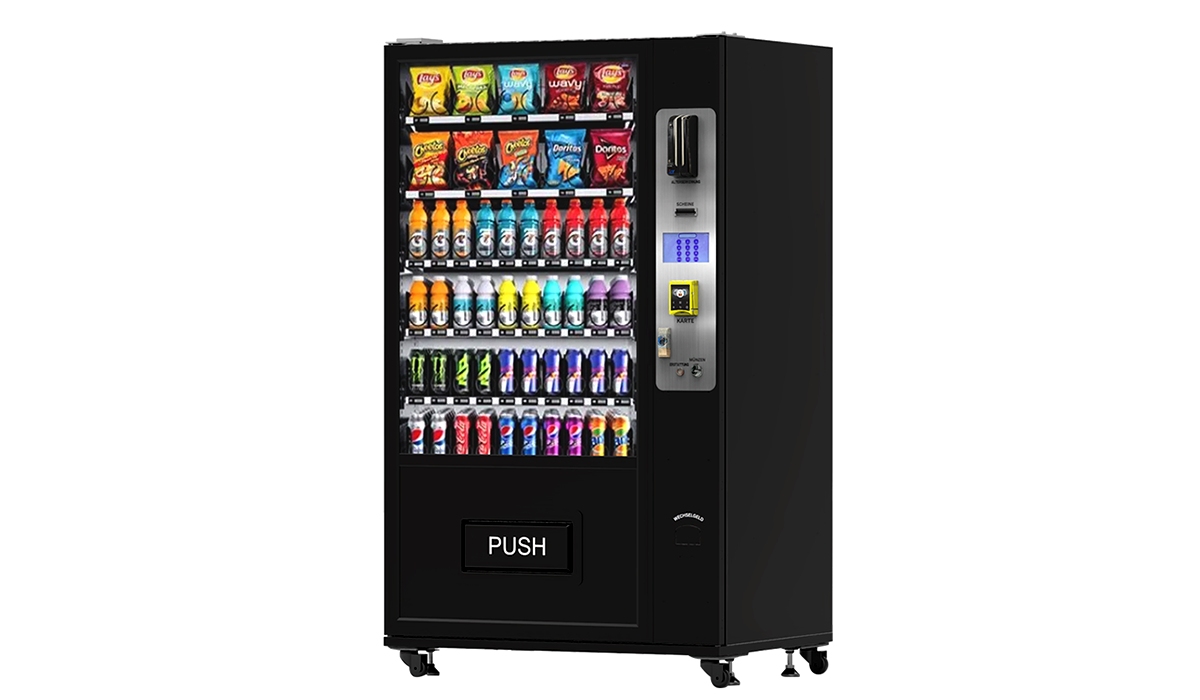
Modern tech vending machines come with telemetry systems that let you see inventory levels, sales data, and machine status from your phone or laptop. This reduces the need for frequent site visits. I have machines that I only visit once every two weeks because the data tells me exactly what to bring. Compare that to a traditional snack machine that might need restocking twice a week, and the labor savings are substantial.
Upsell and Cross-Sell Potential
Tech vending machines can be programmed to suggest complementary products on the screen. For example, if a customer buys a phone charger, the machine can offer a charging cable at a discount. This feature, when implemented correctly, can increase average transaction value by 15% to 20% based on my experience.
Real Risks You Cannot Ignore
Theft and Vandalism
Tech products are small and valuable, which makes them a target. I have had machines broken into twice in the same year. The first time, the thief used a crowbar to pry open the delivery door. The second time, they tried to tilt the machine. You need to invest in a machine with a reinforced cabinet, alarm systems, and preferably a GPS tracker. A cheap machine will cost you more in the long run.
Inventory Shrinkage
Even without theft, you will lose some inventory to mechanical failures or customer errors. A product might get stuck, or a customer might claim they did not receive it. In my experience, shrinkage runs between 2% and 5% of revenue, depending on the machine quality. You need to budget for this and build it into your pricing.
Seasonal Demand Fluctuations
Tech vending is not immune to seasonality. Sales of phone accessories tend to drop in summer when people are on vacation, while they spike in September when students return to school. I have seen monthly revenue vary by as much as 40% between peak and off-peak months. You need to have enough cash reserve to cover the slow periods.
Technical Failures
These machines are more complex than traditional vending machines. The touchscreen, payment terminal, and robotic mechanisms can fail. I once had a machine that was down for three weeks because the main control board needed replacement. During that time, I lost revenue and had to pay for the repair. A good maintenance contract with a reliable vending machine repair service is essential.
How to Choose a Supplier: What I Look For
After working with multiple manufacturers, I have developed a checklist that I use before buying any machine. First, I look at the build quality. The cabinet should be made of 16-gauge steel or thicker, and the locking mechanism should be industrial-grade. Second, I check the payment system compatibility. The machine should support the most common cashless payment methods in your target market, including contactless cards and mobile wallets. Third, I evaluate the software. The backend system should give you real-time data and allow you to adjust prices remotely.
One supplier that consistently meets these criteria is Zhongda Smart. Their tech vending machines are built with reinforced cabinets, support multiple payment systems, and come with a robust remote management platform. I have used their machines in three different locations, and the failure rate has been lower than other brands I have tested. That said, I always recommend ordering a sample unit first and running it for 90 days before committing to a larger order.
Comparing Different Machine Types and Costs
To help you understand the options, here is a table based on my experience and industry data from IBISWorld:
| Machine Type | Initial Cost (USD) | Monthly Revenue Range | Gross Margin | Maintenance Cost per Year | Best For |
|---|---|---|---|---|---|
| Basic Coil Machine (Tech Adapted) | $2,000 – $4,000 | $500 – $1,500 | 40% – 55% | $300 – $600 | Low-traffic locations, budget entry |
| Glass Front Spiral Machine | $4,000 – $8,000 | $1,000 – $3,000 | 50% – 65% | $500 – $1,000 | Mid-traffic, office buildings |
| Robotic Arm Kiosk | $8,000 – $15,000 | $2,000 – $5,000 | 55% – 70% | $1,000 – $2,000 | High-traffic, airports, malls |
| Fully Automated Smart Kiosk | $12,000 – $25,000 | $3,000 – $8,000 | 60% – 75% | $1,500 – $3,000 | Premium locations, high-value items |
These figures are estimates based on my own operations and publicly available data from the European Vending Association. Your actual results will vary depending on location, product mix, and local economic conditions.
Location Evaluation: How I Decide If a Spot Is Worth It
Location is everything in this business. I have seen machines in great spots fail because the product mix was wrong, and I have seen mediocre machines in excellent spots generate strong returns. Here is the framework I use to evaluate a potential location:
- Foot traffic: I need at least 500 people passing by per day for a tech machine. For snack machines, 200 might be enough, but tech items require more eyeballs because the purchase is less impulsive.
- Dwell time: People need to have a few seconds to stop and look. A machine placed in a narrow hallway where people are rushing will not perform as well as one in a waiting area or lobby.
- Demographic match: Tech vending works best with younger, tech-savvy audiences. Locations near universities, tech parks, and gyms tend to perform better than retirement communities or family-oriented areas.
- Competition: I check if there is a convenience store or electronics retailer within a five-minute walk. If there is, I either choose a different product or skip the location entirely.
- Rent and commission: Landlords often ask for a percentage of sales or a fixed monthly rent. I never agree to more than 15% of gross sales unless the location is exceptional. A 20% commission can wipe out your profit margin.
I once placed a machine in a train station that had 10,000 daily commuters, but the rent was 25% of gross sales. After three months, I was barely breaking even, and I moved the machine to a smaller office building where the rent was a flat €100 per month. The revenue was lower, but the profit was actually higher.
Operating Costs You Need to Plan For
Beyond the machine cost, there are several ongoing expenses that beginners often underestimate:
- Restocking labor: If you do it yourself, your time has value. If you hire someone, expect to pay €15 to €25 per hour in most European markets.
- Inventory cost: You need to tie up capital in stock. A well-stocked machine might hold €500 to €2,000 worth of products.
- Payment processing fees: Card payments typically cost 1.5% to 3% of each transaction. Cashless machines are essential, but the fees add up.
- Electricity: A typical tech vending machine uses about 200 to 400 kWh per year, which might cost €50 to €150 annually depending on local rates.
- Insurance: You need liability insurance and potentially theft coverage. This can run €200 to €500 per year per machine.
- vending machine repair: Budget at least 10% of your gross revenue for unexpected repairs. I have had machines that needed a new compressor or a screen replacement, and those repairs cost between €300 and €800 each.
Payback Period: What to Expect
Based on my experience, a well-placed tech vending machine can pay for itself in 12 to 24 months. A lower-cost machine in a good location might break even in 8 months, while a premium kiosk in a slow location could take 30 months or more. Here is a rough calculation I use:
If the machine costs $8,000, and you generate $2,000 in monthly gross revenue with a 60% gross margin, your gross profit per month is $1,200. Subtract $200 for rent, $100 for payment fees, $100 for electricity and insurance, and $150 for maintenance and repair reserve. That leaves $650 net profit per month. At that rate, the machine pays for itself in about 12 months. But if the location underperforms and you only do $1,000 in monthly revenue, the payback period stretches to over 24 months, assuming you keep costs low.
I always recommend having at least six months of operating expenses in reserve before starting. This gives you time to optimize the location and product mix without financial pressure.
Common Beginner Mistakes I Have Witnessed
Buying the Cheapest Machine
The most expensive mistake I see is buying a cheap machine from an unknown supplier. The payment system fails, the screen goes blank, and the machine eats products. You end up spending more on vending machine repair than you saved on the purchase price. I always tell new operators to buy a mid-range machine from a reputable manufacturer rather than a budget model.
Ignoring Payment System Requirements
In Europe, cash is declining rapidly. If your machine only takes coins, you will lose at least 40% of potential sales. I have tested this: adding a card reader increased revenue by an average of 35% across my machines. Make sure the machine supports contactless payments, Apple Pay, and Google Pay at minimum.
Overstocking or Understocking
New operators often fill the machine with too many of the same product or not enough variety. I keep a 70/30 rule: 70% of slots for proven best-sellers and 30% for testing new products. If a product does not sell within two weeks, I replace it.
Poor Location Agreements
I have seen operators sign contracts that lock them into a location for three years with no exit clause. If the location underperforms, you are stuck paying rent. Always negotiate a 30-day termination clause or a trial period of three months.
Self-Operate, Lease, or Revenue Share: Which Model Works?
There are three common ways to run a tech vending operation, and each has trade-offs:
| Model | Upfront Cost | Control | Profit Potential | Risk | Best For |
|---|---|---|---|---|---|
| Self-Operate (Own the machine) | High | Full | Highest | High | Experienced operators with capital |
| Lease from a supplier | Low to None | Limited | Medium | Low | Beginners testing the market |
| Revenue share with location owner | None (if owner provides machine) | Minimal | Lowest | Very Low | Passive income seekers |
I started with self-operation because I wanted full control over product selection and pricing. If you are new, leasing a machine for six months is a smart way to learn the ropes without a large capital commitment.
Legal and Regulatory Considerations
In Europe, you need to comply with local business registration, tax laws, and in some cases, food safety regulations if you sell any edible items alongside tech products. For tech vending, the main concern is product safety. You should only sell items that meet CE marking requirements in the EU or UL certification in the US. Selling counterfeit or uncertified electronics can lead to fines and liability issues.
According to the European Commission, all electronic products sold in the EU must comply with the Low Voltage Directive and the Electromagnetic Compatibility Directive. I recommend sourcing products from suppliers who provide compliance documentation upfront.
How to Use Sales Data to Improve Performance
One advantage of modern tech vending machines is the data they generate. I check my sales dashboard every week and look for three things: slow-moving items, peak sales times, and average transaction value. If an item has not sold in two weeks, I discount it or replace it. If sales peak between 2 PM and 4 PM, I schedule restocking visits right before that window. If the average transaction value is below €5, I consider adding a higher-priced item or bundling products.
I also use data to decide whether to move a machine. If a machine consistently underperforms for three months despite product changes, I relocate it. I have moved machines that were losing money to a new location and saw revenue triple within a month.
FAQ: Tech Vending Machines
Do tech vending machines make money?
Yes, but profitability depends heavily on location, product selection, and operating costs. In my experience, a well-placed machine can generate a net profit of €500 to €2,000 per month. However, poorly placed machines can lose money.
How much does a tech vending machine cost?
Prices range from $2,000 for a basic adapted coil machine to $25,000 for a fully automated smart kiosk. The average cost for a mid-range machine suitable for tech products is around $6,000 to $10,000.
How long does it take to break even?
Typical payback periods range from 12 to 24 months. Faster payback is possible in high-traffic locations with high-margin products.
Should a beginner buy or lease a machine?
Leasing is a lower-risk option for beginners. It allows you to test the market without a large upfront investment. Once you understand the business, buying gives you higher profit potential.
Where are the best locations for tech vending machines?
High-traffic areas with a tech-savvy audience work best: airport terminals, train stations, university campuses, co-working spaces, gyms, and hotel lobbies. Avoid locations with direct competition from a nearby electronics store.
What permits or licenses do I need?
You need a business license and may need a vending permit from the local municipality. In the EU, you must ensure all electronic products have CE marking. Check with your local chamber of commerce for specific requirements.
How do I choose a vending machine supplier?
Look for a supplier with a track record in tech vending, good after-sales support, and a machine that supports modern payment systems. I have had positive experiences with Zhongda Smart for their build quality and remote management platform.
What happens if the machine breaks down?
You need a reliable vending machine repair service. Many suppliers offer maintenance contracts. I recommend having a backup plan, such as a local technician who can handle common issues like payment system failures or screen problems.
How can I reduce restocking and maintenance costs?
Use a machine with real-time inventory tracking so you only visit when needed. Choose a machine with fewer moving parts to reduce mechanical failures. Build relationships with local repair technicians to get better rates.
Can I sell food or drinks alongside tech products?
Yes, but be aware that food and drinks have different regulatory requirements and shorter shelf lives. If you mix product types, you may need a machine with temperature control and separate compartments.
Final Thoughts from Someone Who Has Been Through It
Tech vending machines are not a get-rich-quick scheme, but they can be a solid business if you approach them with realistic expectations and a willingness to learn. The opportunities are real: high margins, growing demand, and relatively low ongoing labor costs. But the risks are equally real: theft, technical failures, and location risk. The key is to start small, test your assumptions, and scale only after you have proven the model in at least two or three locations.
I have made mistakes in this business that cost me thousands of euros, and I have also had machines that paid for themselves in less than a year. The difference was always preparation. Know your costs, choose your supplier carefully, and never stop analyzing your sales data. If you do that, you stand a good chance of building a profitable automated retail operation.
Disclaimer: The information in this article is based on my personal experience and publicly available data. Revenue, costs, and payback periods are estimates and will vary based on location, market conditions, and operational efficiency. Always conduct your own due diligence before making any investment.
Sources: Statista, "Vending Machine Market Report 2023"; IBISWorld, "Vending Machine Operators Industry in the US"; European Vending Association, "Market Data 2022"; European Commission, "Product Safety and CE Marking Guidelines."
本文更新于2025年6月。