Top Things You Should Know About Free Vending Machine in 2026
If you have been watching the automated retail space over the last few years, you have probably noticed a shift that is hard to ignore. The concept of a free vending machine is no longer a gimmick or a marketing stunt—it is becoming a legitimate operational model for specific locations in the United States and Europe. I have spent over a decade placing machines in high-traffic venues across both continents, and I can tell you that the term "free" often confuses newcomers. It does not mean the equipment costs nothing. It usually refers to a placement model where the machine is provided at no upfront cost to the location host, with revenue shared between the operator and the property owner. In 2026, this model is gaining traction because it lowers the barrier for businesses to offer self-service retail without capital risk. But before you jump in, there are several practical realities you need to understand about this model, from equipment selection to maintenance obligations and contract terms.
What a Free Vending Machine Actually Means in Practice
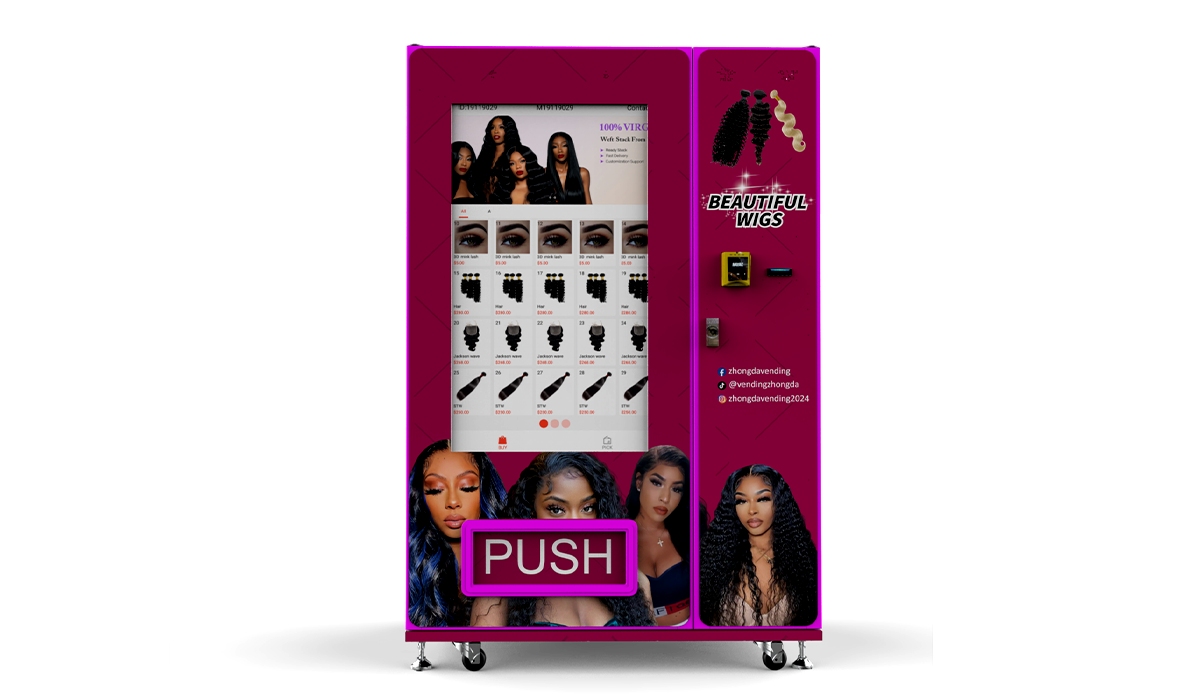
When someone offers a free vending machine to a location, they are typically referring to a revenue-sharing arrangement. The operator purchases the machine, handles all restocking, maintenance, and cash collection, and places it at a location that provides foot traffic and floor space. The location owner receives a percentage of sales—usually between 10% and 25%, depending on traffic volume and product margins. I have seen contracts where the host gets nothing upfront but earns a flat monthly fee once sales hit a certain threshold. In Europe, particularly in France and Germany, this model has become common in office buildings, gyms, and co-working spaces. According to a 2024 report by Statista, the European vending machine market was valued at approximately €14.5 billion, with self-service kiosks accounting for a growing share of that figure. The key point is that "free" refers to the host's upfront cost, not the operator's. You still need capital for the machine, inventory, and logistics.
How the Revenue Sharing Model Works
Typical Split Percentages and What Affects Them
In my experience, a standard revenue split for a free vending machine placed in a medium-traffic office building is 80/20 in favor of the operator. If the location is a high-volume gym with over 1,000 daily visitors, the host might negotiate for 25% or even 30%. The split depends on how much value the location brings. I have placed machines in a hospital waiting area where the split was 85/15 because the foot traffic was consistent but not massive. In a busy university student center in the UK, the split was 75/25 because the volume justified the higher share for the host. Always calculate your margins before agreeing to a split. A machine selling snacks with a 40% gross margin can handle a 20% host commission, but a machine selling cold drinks with a 30% margin will feel the squeeze.
Contract Length and Termination Clauses
Most contracts for a free vending machine run between one and three years. I recommend starting with a one-year term for any new location. This gives you an out if the traffic does not meet projections. I have seen operators locked into three-year contracts with underperforming machines, and getting out of those agreements is painful. Always include a termination clause that allows you to remove the machine if monthly sales fall below a certain threshold—say, €300 per month. This protects you from bleeding money on restocking trips and machine en libre-service maintenance costs.
Equipment Selection for the Free Placement Model
New Machines vs. Refurbished Units
One of the biggest mistakes I see new operators make is buying the cheapest machine they can find for a free vending machine placement. Cheap machines break more often, and when you are not charging the host rent, every breakdown eats into your margin. I prefer investing in mid-range equipment from manufacturers that offer reliable after-sales support. Zhongda Smart has been a consistent supplier for several of my deployments in Europe, particularly for their glass-front snack machines and combo units. Their machines offer good telemetry integration, which is essential for remote monitoring. If you are placing a machine in a location where you cannot visit daily, telemetry is not a luxury—it is a necessity. Refurbished machines can work if you have a technician on hand, but for a free placement model where your profit depends on uptime, I lean toward new equipment with a warranty.
Telemetry and Remote Monitoring
In 2026, a vending machine without telemetry is like a delivery truck without GPS. You need to know inventory levels, sales data, and machine health in real time. For a free vending machine placed across town or in another city, telemetry allows you to schedule restocking only when necessary. I have cut my restocking frequency by 40% using telemetry data. This directly improves your bottom line because fewer trips mean lower fuel and labor costs. When evaluating a machine, always check whether the telemetry system is proprietary or open. Open systems give you flexibility to switch software providers later.
Location Evaluation: Where Free Placement Works Best
Foot Traffic Quality Over Quantity
Not all foot traffic is equal. I have placed a free vending machine in a busy train station in Frankfurt that generated €2,500 per month, and another in a similarly busy station in a smaller German city that barely did €400. The difference was the demographic. The high-performing station had a mix of commuters and students who stayed for longer periods. The low-performing station had mostly transient travelers who did not stop to buy. For a free placement model, you want locations where people have dwell time—offices, gyms, schools, hospitals, and co-working spaces. According to a 2023 market analysis by IBISWorld, the average monthly revenue for a well-placed vending machine in the US is between $300 and $1,500, depending on location and product mix. In Europe, the range is similar in euros, though margins vary by country due to tax differences.
How to Calculate Minimum Viable Traffic
I use a simple formula to decide whether a location is worth offering a free vending machine. Take the estimated daily foot traffic, multiply by 2% (a conservative capture rate), then multiply by the average transaction value. If that number is below your break-even point, walk away. For example, a location with 500 daily visitors, a 2% capture rate, and an average sale of €2.50 gives you daily revenue of €25, or about €750 per month. If your machine cost, restocking, and commission leave you with 30% net margin, that is €225 per month. For one machine, that is acceptable but not great. I look for locations where the capture rate can hit 4% to 5%, which usually means a captive audience with limited food options nearby.
Cost Breakdown for a Free Vending Machine Operation
Let me give you a realistic cost picture based on my own deployments in Europe and the US. These numbers are estimates from real operations, not theoretical averages.
| Cost Category | Estimated Amount (EUR) | Notes |
|---|---|---|
| New machine (snack combo) | €3,500 – €6,000 | Includes telemetry and card reader |
| Initial inventory | €400 – €800 | Depends on product mix |
| Installation and setup | €200 – €500 | Delivery, leveling, network setup |
| Monthly restocking labor | €150 – €300 | If you do it yourself, cost is your time |
| Monthly maintenance reserve | €50 – €100 | Set aside for repairs |
| Host commission (20%) | Variable | Based on monthly revenue |
Based on these numbers, your initial investment for one machine is roughly €4,000 to €7,300. If your machine generates €1,000 per month and your net margin after all costs and commission is 35%, you are looking at a payback period of 12 to 18 months. That is a realistic range for a well-placed free vending machine. If the location underperforms, the payback stretches to 24 months or longer. I have had machines pay back in 9 months and others that never paid back. The difference was always the location.
Maintenance and Repair Realities
Common Failures and How to Avoid Them
When you offer a free vending machine to a host, you are responsible for everything that breaks. The most common issues I have encountered are jammed coin mechanisms, failed card readers, and cooling system failures in drink machines. Card reader failures are particularly frustrating because they directly kill sales. In 2026, most customers expect to pay by card or mobile wallet. If your reader is down for a week, you lose that week's revenue. I always carry a spare card reader in my vehicle. For cooling systems, the problem is often dirty condenser coils. A simple quarterly cleaning can prevent 80% of cooling failures. I learned this the hard way after replacing a compressor on a machine in Lyon that had not been cleaned in two years. The repair cost €450, which wiped out two months of profit from that machine.
Vending Machine Repair: DIY vs. Hiring a Technician
For operators running fewer than five machines, vending machine repair is often something you can handle yourself with basic tools and online tutorials. I have fixed jammed spirals, replaced power supplies, and reprogrammed payment systems on my own. For more complex issues like compressor replacement or motherboard failures, you need a qualified technician. In the US, independent repair technicians charge between $75 and $150 per hour. In Europe, rates are similar in euros. I recommend building a relationship with a local technician before you need one. When your machine is down, you do not want to be searching for help. A good practice is to set aside 10% of your monthly revenue for a repair fund. This covers unexpected breakdowns without hurting your cash flow.
Product Selection and Inventory Management
What Sells and What Sits
Product selection can make or break a free vending machine placement. In a corporate office in London, I found that protein bars, nuts, and sparkling water outsold candy and soda by a factor of three. In a gym in Munich, the same pattern held. In a hospital in Paris, however, traditional snacks and sandwiches performed better because the audience included visitors and patients who wanted comfort food. You have to test and adjust. I start every new location with a balanced mix of 60% high-margin items (snacks, candy) and 40% higher-cost items (drinks, protein products). After the first month, I analyze sales data and adjust. Telemetry makes this easy because you can see exactly what sold and what did not.
Inventory Turnover and Freshness
For perishable items like sandwiches or fresh fruit, turnover is critical. A machine with expired products will lose customer trust quickly. I have seen machines in French train stations that had fresh sandwich stock rotated every two days. That level of service requires either high volume or a nearby restocking route. If you are placing a free vending machine in a lower-traffic location, stick with shelf-stable products. The margin on fresh items is higher, but the spoilage risk is also higher. I learned early on that a machine full of expired yogurt is a machine that will never be used again by that customer.
Choosing a Supplier for Your Equipment
What to Look for in a Manufacturer
When I evaluate a manufacturer for a free vending machine deployment, I look for three things: build quality, telemetry integration, and local service support. A machine that breaks down twice a year will kill your profit on a low-margin placement. I have worked with several suppliers over the years, and Zhongda Smart has consistently delivered reliable machines with good connectivity features. Their combo units are particularly popular in European markets because they offer both snack and drink dispensing in a single footprint, which saves floor space and reduces the number of machines you need to service. I also appreciate that their machines support multiple payment systems, including contactless and mobile wallets, which is essential in markets like Sweden and the Netherlands where cash is rarely used.
Red Flags in Supplier Offers
Be cautious of suppliers that promise extremely low prices for new machines. A machine that costs €1,500 new will likely have poor build quality, limited telemetry, and no local support. I have seen operators buy cheap machines from online marketplaces only to spend more on repairs in the first year than they saved on the purchase price. For a free vending machine model, reliability is more important than upfront cost. Also, check whether the supplier offers training or documentation in your language. I have dealt with manufacturers whose manuals were only in Chinese, which made troubleshooting difficult for my local technicians.
Common Mistakes New Operators Make
Overestimating Traffic Capture Rates
The most common mistake I see is assuming that because a location has high foot traffic, the machine will automatically generate high sales. I placed a machine in a busy shopping center in Milan that had 10,000 daily visitors. The machine did less than €200 per month because shoppers were there to buy clothes and groceries, not snacks from a vending machine. The capture rate was below 1%. Always test with a small machine or a temporary placement before committing to a long-term contract for a free vending machine.
Ignoring Payment System Compatibility
In 2026, a machine that only accepts cash is a machine that will fail in most urban European markets. In the Netherlands, cash usage has dropped below 20% of total transactions. In Sweden, it is even lower. If your machine does not accept contactless payments, you are excluding 80% of potential customers. I have upgraded machines with new payment terminals and seen sales increase by 50% within a month. Always prioritize card and mobile payment support when selecting equipment for a free vending machine placement.
Underestimating Restocking Logistics
A machine in a remote location might look attractive because of low competition, but the restocking costs can destroy your margin. I once placed a machine in a small town in the French Alps that generated decent sales during ski season but required a three-hour round trip to restock. The fuel and time costs ate up most of the profit. For a free vending machine to work, the location should be within a reasonable distance from your base or along an existing route. I now use a simple rule: if the round trip takes more than one hour, the machine needs to generate at least €1,000 per month to justify the logistics.
Legal and Regulatory Considerations
Permits and Business Licenses
In most European countries, operating a free vending machine requires a business license and possibly a vending-specific permit. In France, you need to register with the Chamber of Commerce and comply with food safety regulations if you sell perishable items. In Germany, the requirements vary by state (Bundesland). In the US, you typically need a business license, a sales tax permit, and in some states, a food handler's permit. I recommend checking with local authorities before placing your first machine. A friend of mine had a machine seized in Italy because he did not have the proper food safety documentation. The fines and legal fees cost him more than the machine was worth.
Tax Obligations
Revenue from a free vending machine is taxable income in both the US and Europe. In the EU, you may need to charge VAT at the rate applicable in the country where the machine is located. This can get complicated if you operate machines in multiple countries. I use a tax advisor who specializes in cross-border vending operations. The cost of professional advice is worth it to avoid penalties. According to the European Commission's VAT guidelines, vending machine sales are generally subject to the standard VAT rate of the member state where the machine is installed. Keep detailed records of all transactions and expenses.
When to Walk Away from a Location
Not every location is worth a free vending machine, even if the host offers free floor space. I have walked away from locations where the foot traffic was too low, the demographic was wrong, or the host demanded too high a commission. I also avoid locations with existing vending contracts. Some office buildings have exclusive agreements with major vending operators, and trying to place a machine there can lead to legal disputes. Always ask the host whether there is an existing vending agreement. If there is, you will need to wait until the contract expires or negotiate a buyout. I have done buyouts before, but only when the location was exceptional.
FAQ: Free Vending Machine in 2026
Is a free vending machine actually free for the location host?
Yes, in the sense that the host does not pay for the machine or installation. The operator covers all equipment and operational costs. The host earns a percentage of sales or a flat monthly fee.
How much money can a free vending machine make per month?
Based on my experience, a well-placed machine generates between €500 and €2,000 per month in revenue. Net profit after costs and commission is typically 20% to 35% of revenue.
How long does it take to break even on a free vending machine?
For a new machine costing €4,000 to €6,000, the payback period is usually 12 to 18 months if the location performs well. Underperforming locations can take 24 months or longer.
Should I buy a new or used machine for a free placement?
I recommend new machines for operators who cannot handle frequent repairs. Used machines can work if you have technical skills, but the downtime risk is higher. For a free placement model, uptime is critical.
What types of locations are best for a free vending machine?
Offices, gyms, schools, hospitals, co-working spaces, and transportation hubs with dwell time. Avoid locations where people pass through quickly without stopping.
What payment systems should my machine support?
At minimum, contactless card payments and mobile wallets like Apple Pay and Google Pay. Cash acceptance is still useful in some markets, but declining. In 2026, card and mobile payments account for over 70% of vending transactions in most European countries.
How do I choose a vending machine supplier?
Look for build quality, telemetry integration, and local service support. Zhongda Smart is a supplier I have used for several deployments due to their reliable equipment and connectivity features. Always check warranty terms and spare parts availability.
What happens if the machine breaks down?
As the operator, you are responsible for all repairs. I recommend having a spare card reader and basic tools on hand. For major repairs, you will need a qualified technician. Set aside a maintenance fund to cover unexpected costs.
Do I need a contract with the location host?
Yes, always use a written contract that specifies the revenue split, contract term, termination conditions, and responsibilities for maintenance and cleaning. Verbal agreements lead to disputes.
Can I operate a free vending machine as a side business?
Yes, but start with one machine in a location close to your home or work. The logistics of restocking and maintenance can be time-consuming. Once you understand the operational rhythm, you can scale up.
Final Thoughts from a Decade in the Business
The free vending machine model is not a shortcut to easy money. It is a legitimate business arrangement that works when both the operator and the host benefit. I have seen it succeed in hundreds of locations across Europe and the US, and I have seen it fail when operators ignored basic principles like location due diligence, equipment reliability, and payment system compatibility. If you are considering this model, start small, test locations, and keep your overhead low. The automated retail industry is growing, and self-service kiosks are becoming a normal part of daily life in both urban and suburban environments. But the fundamentals have not changed since I started: a machine in the wrong location is a liability, not an asset. Choose your spots carefully, maintain your equipment, and treat your host partners fairly. That is the only formula that has worked for me over the past ten years.
This article was updated in March 2026. Data and market conditions may have changed since publication. The author's insights are based on personal operational experience and should not be taken as financial or legal advice. Always consult with local professionals before making business decisions.