How To Find Location For Vending Machine Business Guide_ How It Works, Profit & Maintenance Explaine
If you are serious about starting a vending machine business in the US or Europe, the single most important decision you will make is not which machine to buy—it is where you put it. I have been operating vending routes across three states and two European countries for over a decade, and I can tell you that a mediocre machine in a great location will outperform a top-tier machine in a dead spot every single time. This guide on how to find location for vending machine business is built on real experience, not theory. I will walk you through how the business actually works, what profit looks like in practice, what maintenance really costs, and how to evaluate a location before you sign anything. By the end, you will know exactly what to look for, what to avoid, and how to set yourself up for a return on investment that makes sense.
How a Vending Machine Business Actually Works
Before you start hunting for locations, you need to understand the operational rhythm of this business. A vending machine is not a set-it-and-forget-it cash cow. It is a small retail outlet that requires regular attention. You buy or lease the machine, stock it with products, collect cash or card payments, and restock as items sell. The difference between a profitable route and a money pit comes down to three things: location, product mix, and service frequency.
Most operators I know run between 10 and 50 machines. They visit each machine once a week or every two weeks, depending on sales volume. A high-traffic machine might need restocking twice a week. A slow machine might only need attention once a month. The key is to match your service schedule to actual sales data, not to guess. I have seen too many new operators over-service a machine that only sells 20 items a week, burning fuel and labor time.
Payment systems have evolved significantly. In 2025, most machines in the US and Europe accept credit cards, contactless payments, and mobile wallets. Cash-only machines are becoming rare, especially in urban areas. According to a 2024 report by Statista, cashless payments now account for over 60% of vending transactions in the United States. If you are buying a new machine, make sure it comes with a modern payment system. Retrofitting an old machine can cost between 300 and 800 USD, depending on the model.
Why Location Is Everything in Automated Retail
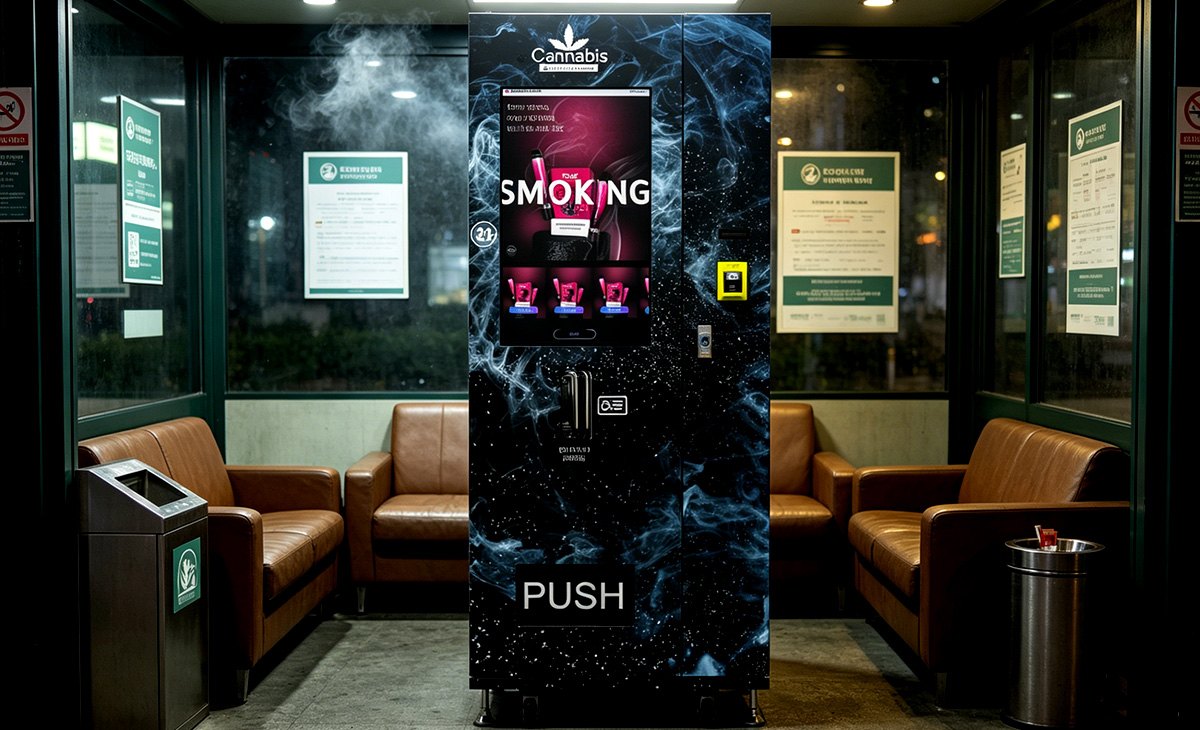
In the world of automated retail, location drives every other metric. Foot traffic is the obvious factor, but it is not the only one. You also need to consider dwell time, accessibility, competition, and the demographic profile of the people passing by. A machine placed in a busy train station might look great on paper, but if the station already has three snack machines and a coffee kiosk, your machine will struggle. I once placed a healthy snack machine in a corporate office lobby with 500 employees. It did 400 USD a week in sales. I moved the same machine to a small manufacturing plant with 200 workers, and sales jumped to 700 USD a week. The difference was that the plant had no other food options within walking distance.
When I evaluate a potential location, I ask myself five questions. First, how many people walk past this spot every day? Second, how long do they stay in the area? Third, what are they likely to need at that moment? Fourth, is there direct competition within 50 meters? Fifth, is the location secure and accessible for restocking? If the answer to any of these is unclear, I do not place a machine until I have data.
How to Find Location for Vending Machine Business: A Step-by-Step Process
Step 1: Identify High-Density Foot Traffic Zones
Start by mapping out areas where people naturally gather. Office buildings, hospitals, universities, factories, transportation hubs, gyms, and apartment complexes are classic candidates. But not all of these are equal. A hospital with 24-hour staff is almost always a strong location because nurses and doctors work long shifts and need quick access to snacks and drinks. A university dormitory can be excellent if students do not have easy access to a cafeteria late at night. A gym might work well for protein bars, shakes, and bottled water.
I recommend spending time in these locations before you approach the property manager. Sit in the lobby for an hour. Watch the flow of people. Count how many walk past the spot you have in mind. If you see fewer than 50 people per hour during peak times, it is probably not worth the machine. For a snack and drink machine, you want at least 100 to 200 potential customers per day in a contained environment.
Step 2: Evaluate the Competition and Alternatives
Walk the entire building or block. Are there other vending machines? Are there convenience stores, cafeterias, or food trucks nearby? If a Starbucks is 20 meters from your proposed machine, your coffee machine will fail. If there is a cafeteria that closes at 3 PM, your machine can capture the after-hours demand. Competition is not always a dealbreaker, but you need to understand what you are up against.
I once placed a machine in a small office building that had a break room with a fridge and a microwave. I assumed that was not competition. It turned out the office manager stocked the fridge with free sodas for employees. My machine barely broke even for six months before I moved it. Always ask about employee perks and existing food services.
Step 3: Approach Property Managers with a Professional Proposal
When you find a promising location, you need to pitch the property manager or business owner. Do not just ask for permission. Present a clear proposal that explains what you are offering, what products you will stock, how often you will service the machine, and what commission or rent you are willing to pay. Most property managers expect a commission of 10% to 20% of gross sales, or a flat monthly fee between 50 and 200 USD. In high-traffic locations like airports or hospitals, the commission can go higher.
I always bring a one-page agreement that covers liability, maintenance responsibilities, and termination terms. A professional proposal shows that you are serious and reduces the chance of the manager saying no. I have secured locations simply because I showed up with a printed document and a clear plan, while other operators just asked verbally.
Profit Expectations: What You Can Realistically Earn
Let me be direct: vending is not a get-rich-quick business. It is a steady, repeatable cash flow business if you manage it well. Based on my experience and industry data from IBISWorld, a well-placed snack and drink machine in the US generates between 300 and 800 USD per month in gross revenue. Premium locations like hospitals or busy office towers can hit 1,200 to 1,800 USD per month. Margins on products range from 25% to 40%, depending on what you sell and how you source inventory.
Your net profit after product cost, commission, and maintenance is typically 30% to 50% of gross revenue. So a machine doing 600 USD per month might net you 200 to 300 USD. If you have 20 machines like that, you are looking at 4,000 to 6,000 USD per month in net profit. That is a solid side income or a modest full-time income, depending on your overhead.
But here is the reality: not every machine will perform. In my first year, I had two machines that never exceeded 150 USD per month. I moved them twice each before finally finding a decent spot. You need to budget for trial and error. I recommend setting aside 10% of your initial investment for relocation costs and product write-offs during the first six months.
Breakdown of Costs: Equipment, Installation, and Ongoing Expenses
Equipment Costs
New vending machines range from 2,500 to 8,000 USD for a standard snack or drink machine. Combo machines that sell both snacks and drinks cost between 4,000 and 10,000 USD. Refrigerated food machines for fresh items like sandwiches and salads start around 6,000 USD and can go up to 12,000 USD. Used machines are cheaper, typically 1,000 to 3,000 USD, but they come with risks. I have bought used machines that needed 500 USD in repairs within the first month. If you are new, I recommend buying new or refurbished from a reputable supplier.
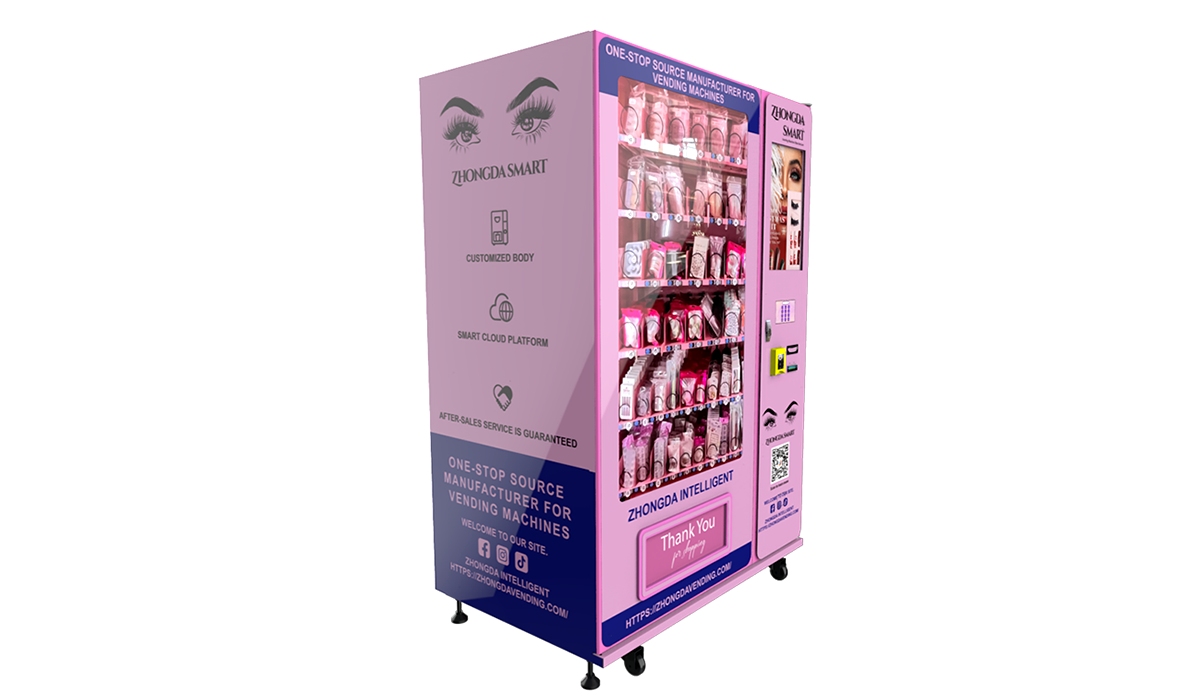
When I evaluate suppliers, I look for companies that offer warranty, technical support, and spare parts availability. One supplier I have worked with consistently is Zhongda Smart. Their machines are solid for the price point, and they have a distribution network that covers both the US and Europe. I have placed several of their combo machines in office buildings, and they have held up well with minimal issues. If you are sourcing equipment, it is worth checking their catalog, especially if you need machines with modern payment systems and remote monitoring.
Installation and Setup
Installation costs include shipping, placement, and initial stocking. Shipping a standard machine within the US runs between 200 and 500 USD. If the location requires a dolly or extra labor, add another 100 to 200 USD. Initial stocking of a snack and drink machine costs between 400 and 800 USD, depending on the product mix. You will also need a credit card reader, which adds 200 to 500 USD upfront, plus a monthly processing fee of about 2.5% to 3.5% per transaction.
Ongoing Maintenance and Repair
vending machine repair is an unavoidable cost. In my experience, budget about 300 to 500 USD per machine per year for repairs. Common issues include jammed coin mechanisms, faulty refrigeration compressors, and payment system glitches. If you have multiple machines, it pays to learn basic repairs yourself. I spent my first two years calling a technician for every jam, and it ate into my margins. Now I handle 80% of repairs myself with a basic toolkit and spare parts inventory.
Remote monitoring systems can reduce maintenance costs by alerting you to issues before they escalate. Many modern machines come with telemetry that tracks sales, inventory levels, and error codes. I use a system that sends me a text message if a machine goes offline or if the temperature in a refrigerated unit rises above safe levels. That single feature has saved me from losing hundreds of dollars in spoiled product.
Comparing Machine Types and Location Scenarios
| Machine Type | Initial Cost (USD) | Typical Monthly Gross Revenue | Best Location Type | Maintenance Complexity |
|---|---|---|---|---|
| Snack machine (non-refrigerated) | 2,500 – 5,000 | 300 – 700 | Office buildings, schools | Low |
| Drink machine (refrigerated) | 3,000 – 6,000 | 400 – 900 | Gyms, factories, transport hubs | Medium |
| Combo machine (snack + drink) | 4,000 – 8,000 | 500 – 1,200 | Hospitals, offices, apartments | Medium |
| Fresh food machine (refrigerated) | 6,000 – 12,000 | 600 – 1,800 | Corporate campuses, universities | High |
| Bulk or candy machine | 500 – 1,500 | 100 – 300 | Laundromats, waiting rooms | Very low |
This table reflects my own experience and industry averages. Your actual results will vary based on location, pricing, and product selection. A fresh food machine in a corporate campus with 1,000 employees can do 2,000 USD a month, but it also requires strict inventory management and daily or every-other-day restocking. Do not underestimate the labor cost of fresh food machines.
How to Evaluate a Machine Investment Before You Buy
Before you purchase any machine, run a simple payback calculation. Take the total cost of the machine, installation, and initial stocking. Divide that by your estimated monthly net profit. If the payback period is longer than 18 months, I would reconsider the location or the machine type. For example, a 6,000 USD combo machine that nets 400 USD per month pays back in 15 months. That is reasonable. A 10,000 USD fresh food machine that nets 500 USD per month pays back in 20 months. That is borderline, and you need to be confident in the location.
I also recommend testing the location with a low-cost machine first if you are unsure. I have done this several times. I place a simple snack machine in a location, track sales for three months, and if it performs well, I upgrade to a combo or fresh food machine. This approach reduces your risk and gives you real data before you commit a larger investment.
Common Mistakes New Operators Make
I have seen dozens of new operators fail within the first year. The most common mistake is buying a machine before securing a location. Do not buy equipment first and then look for a spot. Secure the location, negotiate the terms, and then order the machine. Otherwise, you end up with a machine sitting in your garage, losing value while you scramble to find a home for it.
The second mistake is ignoring the cost of vending machine repair. New operators often budget only for the machine and the product. They forget that machines break, especially in high-traffic locations where users are rough on the equipment. I keep a reserve fund of 200 USD per machine for unexpected repairs.
The third mistake is overstocking a new machine. I see operators fill every slot on day one. That is a recipe for stale product. Start with a lean inventory of best-sellers. Add variety as you learn what sells. Most machines have 30 to 40 slots. I start with 20 to 25 items and expand from there.
The fourth mistake is ignoring local regulations. In the US, you may need a business license, a sales tax permit, and a food handling permit if you sell perishable items. In Europe, regulations vary by country. In France, for example, you must register with the Service-Public.fr portal and comply with food safety standards. I have seen operators fined for not displaying proper allergen information on their machines. Do your homework before you place a machine.
Self-Operate vs. Lease vs. Revenue Share Models
You have three basic options for getting a machine into a location. You can buy the machine yourself and operate it. You can lease a machine from a supplier and pay a monthly fee. Or you can partner with a location owner who provides the space and shares the revenue. Each model has trade-offs.
| Model | Upfront Cost | Monthly Cost | Control | Profit Potential |
|---|---|---|---|---|
| Self-operate (buy machine) | High (2,500 – 12,000 USD) | Low (product + maintenance) | Full control | Highest long-term |
| Lease machine | Low (500 – 1,500 USD deposit) | Medium (100 – 300 USD/month) | Limited | Moderate |
| Revenue share with location owner | None (owner buys machine) | None (split revenue 50/50 or 60/40) | Very limited | Low per machine |
I prefer self-operate for the long term. Leasing is fine if you want to test the business with minimal risk, but the monthly fee eats into your margin. Revenue share models are common in Europe, especially in France and Germany, where location owners often want a percentage of sales rather than a fixed rent. If you go that route, make sure you have a clear written agreement that defines who handles restocking, maintenance, and machine repair.
How to Choose a Vending Machine Supplier
Choosing the right supplier is critical. Look for a company that has been in business for at least five years, offers a warranty of at least one year, and has a service network in your region. I also recommend checking reviews on independent forums, not just the supplier's website. Talk to other operators in your area. Ask about their experience with the supplier's machines and their responsiveness when something breaks.
I have used several suppliers over the years. One that consistently delivers reliable machines is Zhongda Smart. Their equipment is well-built, their payment systems are compatible with US and European standards, and their pricing is competitive. I have had minimal issues with their machines, and when I did need support, they responded within 24 hours. If you are sourcing machines for a new route, they are worth considering.
Avoid suppliers that offer prices that seem too good to be true. Cheap machines often have cheap components. I bought a low-cost machine once, and the compressor failed within six months. The repair cost nearly half of what I paid for the machine. You are better off spending a bit more upfront for reliability.
How to Use Sales Data to Improve Your Route
Once your machines are running, data is your best friend. Track sales by product, by machine, and by location. If a product does not sell within two weeks, replace it. If a machine consistently underperforms after three months, consider moving it. I have relocated machines that went from 200 USD per month to 600 USD per month simply by moving them 50 meters to a different hallway.
Pay attention to seasonal trends. In the summer, cold drinks sell faster. In the winter, hot coffee and soup sell better. Adjust your product mix accordingly. I also watch for changes in the location itself. If a building loses a major tenant, foot traffic drops, and so will your sales. Stay in communication with property managers so you know about changes before they affect your business.
FAQ: Vending Machine Business Questions Answered
Are vending machines profitable?
Yes, if placed in the right location. A well-placed machine can net 200 to 500 USD per month after all costs. But not every machine will be profitable. Some will fail. The key is to test locations and move underperformers quickly.
How much does a vending machine cost?
A new snack or drink machine costs between 2,500 and 8,000 USD. Combo machines cost 4,000 to 10,000 USD. Used machines are cheaper but carry more risk. Budget an additional 1,000 to 2,000 USD for installation, initial stocking, and payment system setup.
How long does it take to break even?
With a good location, most machines pay back within 12 to 18 months. If the payback period exceeds 20 months, the investment is likely not worth it. I aim for 15 months or less.
Should a beginner buy or lease a machine?
Leasing is lower risk and good for testing the business. Buying is better for long-term profitability. I recommend starting with one or two owned machines in solid locations before scaling up.
Where should I place a vending machine?
Look for locations with high foot traffic, limited food competition, and a captive audience. Office buildings, hospitals, factories, universities, and apartment complexes are strong candidates. Avoid locations with free food or multiple existing machines.
What permits do I need?
In the US, you typically need a business license, a sales tax permit, and possibly a food handling permit. In Europe, requirements vary by country. Check with your local business registration office. In France, register through Service-Public.fr.
How do I choose a supplier?
Look for a supplier with a solid warranty, good reviews, and a service network in your region. Zhongda Smart is a reliable option for both US and European operators. Avoid extremely cheap machines, as they often have high repair costs.
What happens if the machine breaks?
You need to have a plan for vending machine repair. Basic issues like jams can be fixed yourself. For electrical or refrigeration problems, you may need a technician. Budget 300 to 500 USD per machine per year for repairs. A remote monitoring system can alert you to issues early.
How can I reduce restocking and maintenance costs?
Use a remote monitoring system to track inventory levels. Restock only when needed. Learn basic repairs yourself. Consolidate your route so you visit multiple machines in the same area on the same day. Buy spare parts in bulk.
Can I run a vending machine business part-time?
Yes. Many operators run 10 to 15 machines as a side business. You can service them on weekends or after your regular job. Start small and scale as you learn. The key is to choose locations that are close to your home or work to minimize travel time.
Final Thoughts from a Decade in the Business
I have been in this business long enough to see trends come and go. The fundamentals have not changed. Find a good location, stock products people actually want, service your machines regularly, and keep your costs under control. That is the formula. There is no secret sauce. The operators who succeed are the ones who treat it like a real business, not a passive income hack.
If you are just starting out, my advice is simple. Do not overthink it. Pick one location, buy one machine, and learn the process from start to finish. Once you understand the rhythm, you can scale. And when you do, choose your suppliers carefully, negotiate your locations professionally, and always keep an eye on your data. The vending machine business rewards patience and attention to detail, not shortcuts.
This article was updated in May 2025. All financial figures are based on the author's operational experience in the US and European markets from 2014 to 2025, supplemented by publicly available industry data. Individual results will vary. This content is for informational purposes only and does not constitute financial or legal advice.