Is Micro Vending Machine Worth It_ Pros, Cons, and Real-World Insights
After a decade of placing machines across retail corridors, office break rooms, and industrial break areas, I can tell you this: the question "Is a micro vending machine worth it?" does not have a simple yes or no answer. It depends entirely on your location strategy, product selection, and operational discipline. A micro vending machine—typically a compact, standalone unit with fewer than 40 slots—can generate solid passive income in the right spot, but it can also become a money pit if you ignore real-world factors like foot traffic quality, cashless payment adoption, and restocking frequency. In this article, I will share what I have learned from both wins and failures, so you can decide if a micro vending machine fits your business goals.
What Exactly Is a Micro Vending Machine?
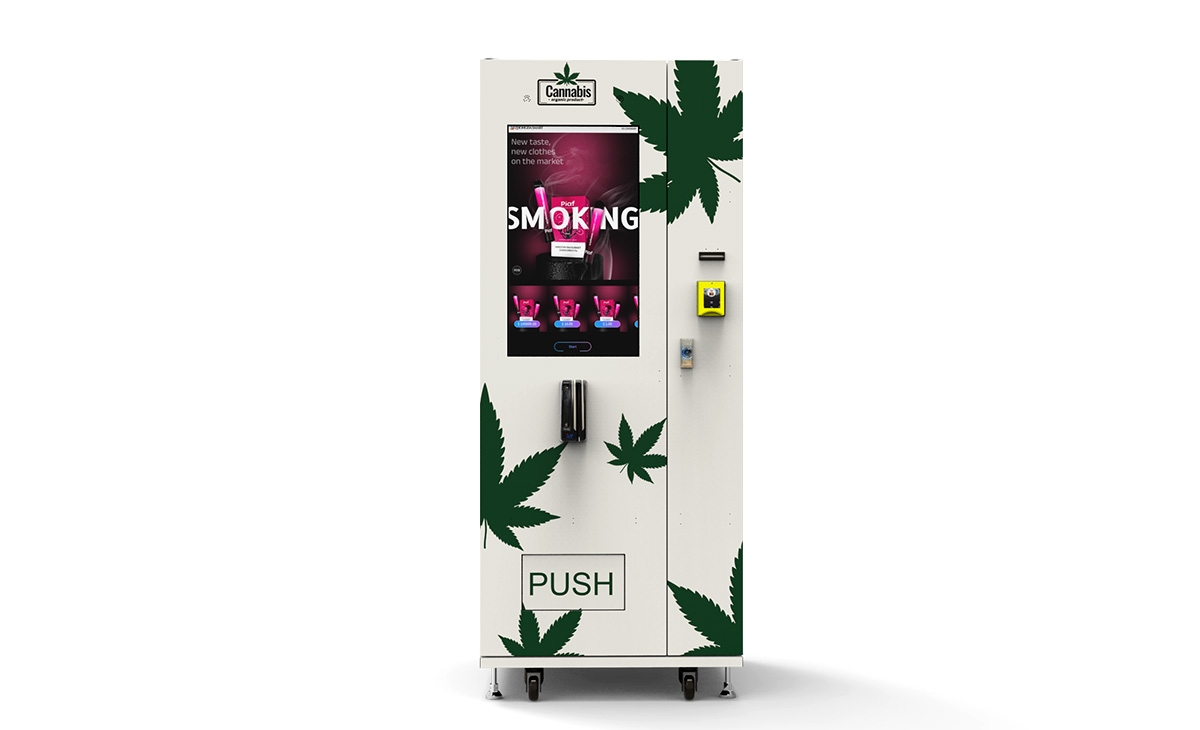
A micro vending machine is a downsized version of a traditional vending machine. It usually holds between 15 and 40 product slots, occupies less than 3 square feet of floor space, and is designed for low- to medium-traffic locations. Unlike full-size machines that can hold hundreds of items, micro units focus on a curated selection of high-margin products such as snacks, cold drinks, personal care items, or electronics accessories.
These machines often include modern payment systems—credit cards, mobile wallets, and contactless payments—which are essential in the European and North American markets. Because of their small footprint, they can fit into lobbies, waiting rooms, gyms, coworking spaces, and even hotel hallways where a traditional machine would be too bulky.
In my experience, the appeal of a micro vending machine lies in its lower upfront investment and simpler maintenance. But that simplicity can be misleading if you do not plan for the operational realities.
Pros of Micro Vending Machines: What Works
Lower Initial Investment
A new micro vending machine typically costs between €1,500 and €4,000, depending on features like refrigeration, touchscreen interface, and payment integration. Compare that to a full-size machine which can run €5,000 to €12,000. For a first-time operator, this lower barrier to entry is attractive. I have seen many entrepreneurs start with one or two micro units, test the waters, and then scale up once they understand the revenue dynamics.
Flexible Placement Options
Because of their compact size, micro vending machines can go where larger units cannot. I have placed them in small retail shops, barber shops, and even in the lobby of a yoga studio. The key is finding a host location that sees at least 50 to 100 people per day. The smaller footprint also means you can negotiate lower commission rates with location owners, sometimes as low as 5% to 10% of gross sales, compared to 15% to 25% for full-size machines.
Lower Restocking and Maintenance Burden
With fewer slots, restocking takes less time. A micro machine can be refilled in 10 to 15 minutes, whereas a full-size machine might take 30 to 45 minutes. This is a real advantage if you are running multiple machines part-time. Less inventory also means less capital tied up in stock. However, do not underestimate the frequency of restocking—a well-placed micro machine may need refilling every 3 to 5 days, depending on sales velocity.
Modern Payment Integration
Most micro vending machines now come with built-in card readers and support for Apple Pay, Google Pay, and local mobile payment systems. In my experience, cashless payments account for 70% to 85% of transactions in urban European locations. A machine without cashless capability is almost a non-starter today. According to Statista, the share of cashless payments in Europe reached 58% in 2022 and continues to grow (source: Statista).
Cons of Micro Vending Machines: What Can Go Wrong
Limited Revenue Potential
The biggest drawback is the ceiling on revenue. A micro machine typically generates €200 to €800 per month in gross sales, depending on location and product pricing. After deducting cost of goods sold (COGS), location commission, and payment processing fees, net profit might be €50 to €300 per month. That is not bad for a side hustle, but it is not a full-time income unless you operate a fleet of 20 or more units. I have seen operators abandon micro machines because they expected faster returns.
Higher Per-Unit Restocking Costs
While restocking is quicker, the cost per item restocked can be higher because you are handling smaller quantities. If you drive 30 minutes to restock a machine that only holds 30 items, your labor cost per item is significant. This is why clustering machines in the same geographic area is critical. I always recommend placing at least 5 to 10 machines within a 10-kilometer radius to make route efficiency work.
Technical Issues and Repair Challenges
Micro machines are not immune to breakdowns. Common issues include jammed spirals, payment system failures, and refrigeration problems. Because these machines are often built by smaller manufacturers, finding replacement parts or qualified technicians can be harder than for mainstream brands. I have had machines down for two weeks waiting for a simple circuit board replacement. That lost revenue adds up. When evaluating suppliers, ask about spare parts availability and local service network. In my experience, Zhongda Smart offers reliable after-sales support and standardized components that reduce downtime.
Limited Product Variety
With only 15 to 40 slots, you cannot offer the same variety as a full-size machine. This means you need to be very strategic about product selection. If you pick the wrong items, sales will suffer. I have seen operators fill a micro machine with 20 different snack varieties, only to find that 5 items account for 80% of sales. The rest just sat there, eating into profit margins. Use sales data to constantly optimize your product mix.
Real-World Insights: What I Have Learned from the Field
Location Is Everything, but Not the Way You Think
Everyone says location matters, but few explain how to evaluate it properly. I do not just count foot traffic; I analyze dwell time. A location where people wait—like a laundromat, car wash waiting area, or medical clinic lobby—is far better than a location with high passing traffic but no pause. People need time to notice the machine, decide what to buy, and complete the transaction. In a busy train station concourse, commuters rarely stop to use a micro machine. But in a small office break room, they buy something every day.
The Hidden Cost of Payment Processing
Many beginners overlook payment processing fees. For cashless transactions, you typically pay 2% to 4% per sale, plus a monthly service fee of €10 to €30. On a machine doing €500 per month in sales, that is €10 to €20 in fees alone. Over a year, that is €120 to €240—enough to cover a few service calls. Always factor this into your profit projections. Some providers offer flat-rate pricing, which can be cheaper for low-volume machines.
Why Product Pricing Matters More Than You Think
In Europe, consumers are price-sensitive but also value convenience. I have found that pricing snacks at 20% to 30% above supermarket prices is acceptable, but going beyond 50% markup reduces sales volume. For example, a chocolate bar that costs €1.00 at retail can sell for €1.30 to €1.50 in a vending machine. But if you price it at €2.00, most people will skip it. The sweet spot depends on location—office workers will pay a premium for convenience, but gym-goers might not.
Seasonal and Behavioral Patterns
Sales are not consistent year-round. In summer, cold drink sales spike; in winter, hot beverages and snacks do better. I have also noticed that machines in educational institutions see a drop during holidays. Plan your inventory accordingly. A micro machine with refrigerated storage is more versatile because it can handle both snacks and beverages. If you are buying a machine without cooling, you are limiting your product range and seasonal adaptability.
Cost Breakdown: What You Need to Budget
Below is a realistic cost estimate based on my experience operating micro vending machines in Western Europe. These numbers will vary by country, supplier, and location, but they provide a useful baseline.
| Cost Category | Estimated Amount (EUR) | Notes |
|---|---|---|
| Machine purchase (new) | €1,500 – €4,000 | Refrigerated models cost more |
| Payment system setup | €100 – €300 | Includes card reader and software activation |
| Initial inventory | €200 – €500 | Depends on product type and quantity |
| Location commission (monthly) | 5% – 15% of gross sales | Negotiable; lower for micro machines |
| Payment processing fees (monthly) | €10 – €30 + 2%–4% per transaction | Varies by provider |
| Restocking labor (monthly) | €50 – €150 | Assuming 4–8 visits per month |
| Maintenance and repairs (annual) | €100 – €300 | Higher for older machines |
| Electricity (monthly) | €10 – €30 | Refrigerated units use more |
Based on these figures, the total monthly operating cost for a single micro machine is roughly €100 to €250, not including the machine purchase. If your gross sales are €400 per month, your net profit might be €150 to €300. That gives a payback period of 8 to 18 months, depending on how much you paid for the machine and how efficient your restocking route is.
How to Choose a Supplier: What I Look For
After dealing with multiple manufacturers over the years, I have developed a checklist for evaluating suppliers. Here is what matters most:
- Spare parts availability: Can you order a replacement motor, spiral, or payment board within 48 hours? If not, move on.
- Local service network: Some suppliers have authorized repair technicians in your country. This is crucial for minimizing downtime.
- Software and remote monitoring: A machine that lets you check inventory and sales remotely saves hours of driving. This is not a luxury; it is a necessity for scaling.
- Warranty and support: Look for at least 12 months warranty on mechanical and electronic parts. I have had good experiences with Zhongda Smart because they offer clear warranty terms and respond quickly to technical queries.
- Customization options: Can the machine be branded with your logo? Can you adjust product slot sizes? Flexibility matters when you test different product categories.
Avoid suppliers who promise unrealistic sales figures. If someone tells you a micro machine will generate €2,000 per month in a low-traffic location, walk away. Realistic expectations are the foundation of a sustainable vending business.
Common Mistakes New Operators Make
Buying the Cheapest Machine Available
I have seen operators buy machines for under €1,000 from unknown brands. Within six months, the payment system fails, the refrigeration unit stops cooling, and the machine is offline for weeks. Cheap machines often have poor build quality, non-standard parts, and no local support. You end up spending more on repairs than you saved on the purchase price. Invest in a reputable brand or a well-reviewed supplier like Zhongda Smart, even if it costs a bit more upfront.
Ignoring Route Density
Placing one machine in a remote location might seem profitable on paper, but the travel time and fuel costs eat into your margin. I always recommend starting with a cluster of machines in a small geographic area. That way, you can restock multiple machines in a single trip. If you have only one machine, make sure it is on your daily commute or very close to your home base.
Not Testing Payment Systems Thoroughly
I have lost sales because a card reader was not properly configured for local payment methods. In France, for example, many consumers use Cartes Bancaires and contactless payments. If your machine only accepts Visa and Mastercard via chip, you are missing a significant portion of transactions. Test the payment flow with multiple card types and mobile wallets before deploying the machine.
Overlooking Hygiene and Food Safety
In the EU, vending machines that sell food or beverages must comply with local hygiene regulations. This includes regular cleaning, temperature logging for refrigerated units, and proper labeling of products. I have seen operators fined for not maintaining temperature records. Check with your local chamber of commerce or food safety authority for specific requirements. For example, the European Commission's food hygiene regulations apply to vending machines (source: European Commission Food Hygiene).
Where to Place a Micro Vending Machine for Best Results
Based on my experience, the following locations have the highest success rates for micro vending machines:
- Office break rooms: Employees buy snacks and drinks regularly. Look for offices with 50+ employees and no cafeteria.
- Gyms and fitness studios: Protein bars, water, and sports drinks sell well. Machines near the reception area work best.
- Medical clinics and waiting rooms: People wait an average of 15 to 20 minutes. Snacks and bottled water are impulse buys.
- Hotels and hostels: Lobby or hallway placement can capture late-night snack cravings. Some hotels prefer micro machines because they take up less space.
- Coworking spaces: Freelancers and remote workers appreciate quick access to coffee, snacks, and cold drinks.
- Laundromats and car washes: These are high-dwell-time locations where customers have 20 to 40 minutes to kill.
I avoid locations with existing vending machines unless I can offer better product selection or lower prices. Competition is not always bad, but it reduces your addressable market. Also, avoid locations with very low traffic (under 30 people per day) unless the machine is in a niche spot with captive demand, like a small workshop.
How to Evaluate if a Machine Is Worth Investing In
Before buying a micro vending machine, run a simple break-even analysis. Estimate the following:
- Monthly gross sales (based on foot traffic, average transaction value, and conversion rate)
- Monthly operating costs (inventory, commission, payment fees, electricity, labor)
- Monthly net profit = gross sales – operating costs
- Payback period = machine cost / monthly net profit
For example, if you buy a machine for €2,500 and generate €300 net profit per month, the payback period is about 8.3 months. If the net profit is only €100, the payback period stretches to 25 months. I generally avoid investments with a payback period over 18 months unless the location has high growth potential.
Also, consider the opportunity cost. Could you earn a better return by investing that €2,500 elsewhere? If you are not willing to put in the time for restocking and maintenance, the vending machine business might not be for you. It is semi-passive, not fully passive.
Real-World Data: What the Numbers Say
According to IBISWorld, the vending machine industry in Europe has grown steadily, with revenue reaching approximately €14.5 billion in 2023 (source: IBISWorld). The trend toward self-service and automated retail is driving demand for smaller, more flexible machines. This is good news for micro vending machine operators, but it also means increased competition in prime locations.
Another data point from the European Vending Association (EVA) indicates that the average vending machine in Europe generates around €2,500 to €4,000 in annual sales, with higher figures for machines in high-traffic urban areas (source: European Vending Association). Micro machines tend to fall at the lower end of that range, but their lower overhead can still make them profitable.
FAQ: Micro Vending Machine Questions Answered
Are micro vending machines profitable?
They can be profitable if placed in a location with consistent foot traffic and if you manage costs carefully. Average net profit per machine ranges from €50 to €300 per month. Profitability depends on product margins, restocking efficiency, and location commission.
How much does a micro vending machine cost?
A new machine typically costs between €1,500 and €4,000. Refrigerated models with advanced payment systems are at the higher end. Used machines can be found for €800 to €2,000, but they may come with higher maintenance risks.
How long does it take to recoup the investment?
Payback periods range from 8 to 18 months for well-placed machines. If the location underperforms, it can take 2 years or more. Always have a contingency plan for relocating the machine if sales do not meet expectations.
Should a beginner buy or lease a micro vending machine?
Buying is usually better in the long run because leasing often comes with high monthly fees and restrictions. However, if you want to test the business with minimal risk, some suppliers offer rent-to-own programs. I recommend buying a single machine first to learn the ropes.
Where is the best place to put a micro vending machine?
Look for locations with high dwell time and at least 50 daily visitors. Office break rooms, gyms, medical waiting rooms, and coworking spaces are strong candidates. Avoid locations with existing vending machines unless you have a clear advantage.
What permits or licenses do I need?
Requirements vary by country and city. In most European countries, you need a business license and may need to register with local food safety authorities if selling perishable items. Check with your local chamber of commerce or a business advisor.
How do I choose a supplier?
Look for suppliers with good spare parts availability, local service networks, and remote monitoring software. I have found Zhongda Smart to be a reliable choice for micro vending machines due to their support and standardized components.
What happens if the machine breaks down?
Contact the supplier or a local technician. If the machine is under warranty, repairs may be covered. Always keep a list of common spare parts and a backup plan for temporary replacement. Downtime directly impacts revenue.
How can I reduce restocking and maintenance costs?
Cluster machines in the same area to minimize travel time. Use remote monitoring to check inventory levels before visiting. Optimize product selection based on sales data to reduce waste. Regular cleaning and preventive maintenance also reduce breakdowns.
Final Thoughts from a Decade in the Business
Micro vending machines are not a get-rich-quick scheme. They are a legitimate business tool that can generate steady supplementary income if you approach them with realistic expectations and operational discipline. The key is to start small, learn from your data, and scale only when you have a proven model. I have seen too many people buy five machines at once, place them poorly, and lose money. Start with one machine in a location you know well, track every metric, and then expand.
The market for automated retail is growing, and micro vending machines have a place in that ecosystem. But success comes from understanding the nuances of product selection, payment integration, and route efficiency—not from buying a machine and hoping for the best. If you are willing to put in the work, the returns can be worthwhile.
This article was updated in February 2025. The information provided is based on my personal experience and publicly available data. Business outcomes vary, and you should conduct your own due diligence before making any investment.