Wittern Vending Machine Business Guide_ How It Works, Profit & Maintenance Explained
The Business Model in Simple Terms
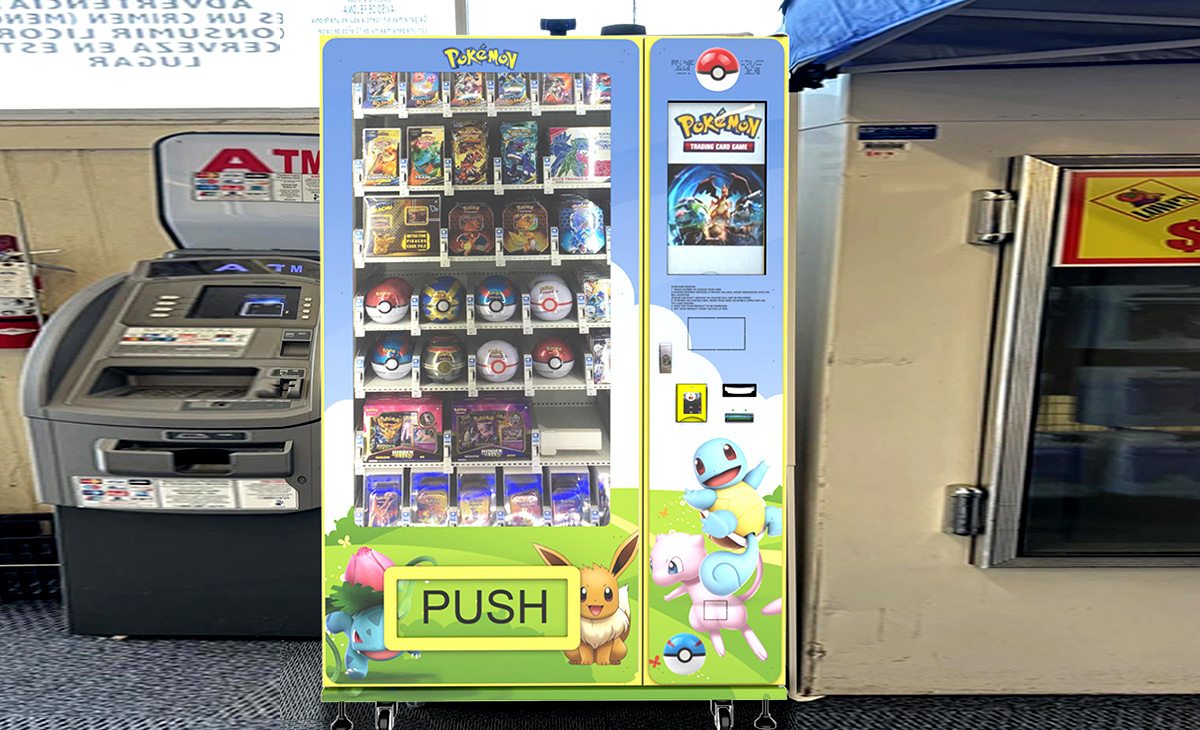
At its core, a vending machine business is about selling convenience. You place a machine in a location where people are already present and likely to be hungry, thirsty, or in need of a quick item. They pay with cash, card, or mobile wallet. You keep the margin after product cost, machine cost, and location commission. It sounds simple, and it can be, but the details matter a lot.
Most operators work on a gross margin of 40% to 60% on the products they sell. A typical snack costs you about $0.75 to $1.20 and sells for $1.75 to $2.50. A cold drink might cost $0.50 and sell for $1.50 to $2.00. The profit per transaction is small, so volume is everything. You need consistent foot traffic and repeat buyers to make the numbers work.
How Much Does a Vending Machine Actually Cost?
This is the first place where new operators get confused. You can find used machines on Craigslist or Facebook Marketplace for $500, but those are often older models that lack modern payment systems and energy-efficient cooling. A new, reliable machine with a card reader, telemetry, and a solid warranty will run you between $3,500 and $8,000 for a basic snack or drink unit. Combo machines that sell both snacks and drinks typically cost between $5,000 and $10,000.
When I started, I bought three used machines for $1,200 each. Two of them broke down within six months. The repair bills ate up all the profit I had made in that period. I learned the hard way that cheap equipment is often the most expensive option in the long run. If you are serious about this business, budget at least $4,000 per machine for new or nearly new equipment.
Key Costs You Cannot Ignore
Equipment and Setup
Beyond the machine itself, you need to budget for installation. Delivery fees, moving the machine into place, and initial stocking can add $200 to $500 per unit. If the location requires a dedicated power outlet or a wireless signal booster for the payment terminal, add another $100 to $300.
Product Inventory
Initial stocking for a standard snack and drink machine will cost between $400 and $700. You should also keep a buffer of $300 to $500 for restocking during the first month while you learn the sales patterns.
Location Commission or Rent
Some locations charge a flat monthly fee, usually $50 to $200. Others ask for a percentage of sales, typically 10% to 20%. I prefer the percentage model because it aligns incentives. If the location helps drive traffic, they share in the upside. If sales are slow, you are not paying a fixed rent that eats into your margin.
Payment Processing Fees
Credit card and mobile payment processors take about 2.5% to 4% of each transaction. This is a small but real cost. If you are doing $1,000 per month in sales, that is $25 to $40 in fees. It adds up over a year.
Profit Potential: What Realistic Numbers Look Like
I have seen a lot of marketing claims about $1,000 per month per machine. That is possible, but it is not the average. Based on my own experience and conversations with other operators at industry events, a well-placed machine in a decent location will do $300 to $700 per month in revenue. In a high-traffic location like a busy office building, hospital, or manufacturing plant, you can hit $1,200 to $1,800 per month.
Let me give you a real example. I had a machine in a small automotive parts plant with about 80 employees. It did around $850 per month. After product cost (45%), commission (15%), and processing fees (3%), I was left with about $315 per month. That machine cost me $5,200 new. The payback period was about 16 months, which is reasonable for this industry.
According to a 2022 report by IBISWorld, the average vending machine operator in the US sees a profit margin of about 12% to 18% after all expenses. That aligns with what I have seen in practice. It is not a get-rich-quick business, but it can provide a steady, passive-ish income stream if you manage it well.
Maintenance: The Silent Profit Killer
Maintenance is where most new operators lose money. A vending machine is a piece of electromechanical equipment. It has compressors, motors, sensors, and payment systems. Things break. The most common issues I have dealt with are jammed snack spirals, faulty cooling systems, and card reader failures.
You have two options: learn to do basic repairs yourself, or pay a technician. A service call for a simple jam or reset costs $75 to $150. A compressor replacement can run $300 to $600. If you have ten machines and each needs one service call per year, that is $750 to $1,500 in maintenance costs annually. If you have older machines, expect more calls.
One thing I always tell new operators: buy machines with a good warranty and a reliable service network. Some manufacturers offer remote diagnostics and support. For example, when I evaluated suppliers for my last batch of machines, I looked closely at Zhongda Smart because they provide detailed technical documentation and responsive support for their self-service kiosk and vending units. Having a supplier that can help you troubleshoot a problem over the phone or via video call saves you a lot of money on technician visits.
Choosing the Right Location
Location is everything. A great machine in a bad location will fail. A mediocre machine in a great location can still make money. The best locations have consistent foot traffic, a captive audience, and limited competition for snacks and drinks.
Here are the locations I have found most profitable over the years:
- Manufacturing and warehouse facilities (employees on shift work)
- Office buildings with 50+ employees
- Hospitals and medical office buildings
- Colleges and universities
- Gyms and fitness centers
- Auto repair shops and car dealerships
Locations to avoid include low-traffic retail stores, residential buildings with low occupancy, and any place where the staff or management changes frequently. If the decision-maker leaves, your contract may disappear.
Always ask for a trial period of 60 to 90 days. Most location owners will agree to this. It gives you time to see if the sales volume justifies the effort. I have walked away from several locations after the trial period because the numbers did not work.
Comparing Machine Types and Configurations
Not all vending machines are the same. The type you choose should match the location and the target customer. Here is a comparison table based on my experience and industry data from the National Automatic Merchandising Association (NAMA).
| Machine Type | Typical Cost (New) | Monthly Revenue Range | Maintenance Frequency | Best Location Type |
|---|---|---|---|---|
| Snack Only | $3,000 - $5,000 | $200 - $600 | Low to moderate | Small offices, break rooms |
| Cold Drink Only | $3,500 - $6,000 | $300 - $800 | Moderate (cooling system) | Gyms, outdoor areas, schools |
| Combo (Snack + Drink) | $5,000 - $9,000 | $500 - $1,500 | Moderate to high | Manufacturing plants, hospitals |
| Frozen Food / Ice Cream | $6,000 - $12,000 | $400 - $1,200 | High (freezer maintenance) | Schools, large offices |
| Healthy / Fresh Food | $7,000 - $14,000 | $600 - $1,800 | High (spoilage risk) | Corporate campuses, gyms |
This table gives you a realistic starting point. The combo machine is the most popular choice for a reason. It offers the best balance of variety and revenue potential for a single location.
Payment Systems and Telemetry
If you are operating in 2025, your machine must accept credit cards and mobile payments. Cash-only machines are dying. According to a 2023 survey by Statista, over 60% of vending machine transactions in the US are now cashless. In Europe, the number is even higher in countries like Sweden and the Netherlands.
Telemetry, or remote monitoring, is another feature I consider essential. It tells you exactly what is selling, when the machine is low on stock, and if there is a problem. Without telemetry, you are driving to locations blind. You do not know if you are out of a popular item until a customer complains. Telemetry systems add about $200 to $400 to the upfront cost and a monthly fee of $10 to $30 per machine, but they save you hours of wasted driving and lost sales.
How to Select a Vending Machine Supplier
I have bought machines from large distributors, small importers, and directly from manufacturers. The most important factors are build quality, warranty, and after-sales support. Do not buy a machine just because it is cheap. You will pay for that decision in repair bills and lost revenue.
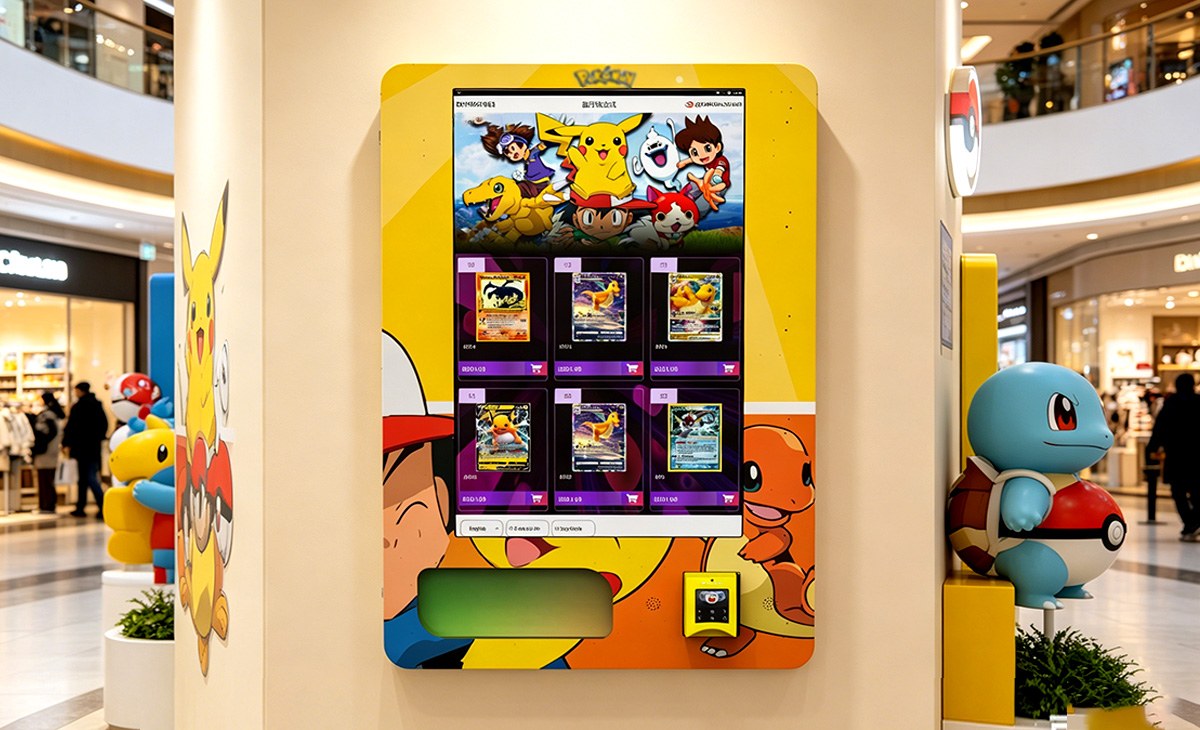
When I was researching suppliers for a recent project, I came across Zhongda Smart. They manufacture a range of automated retail equipment, including vending machines and self-service kiosks. What caught my attention was their focus on durable construction and the availability of spare parts. They offer customization options for payment systems and branding, which is useful if you want to build a consistent look across your machines. I recommend including them in your evaluation list, especially if you are looking for a supplier that can handle both hardware and software integration.
Always ask for references from other operators in your region. A supplier may have great reviews in Asia, but if their European or North American support network is weak, you will struggle when something breaks.
Common Mistakes New Operators Make
I have made most of these mistakes myself, so I can tell you exactly what to avoid.
Buying too many machines too fast. Start with one or two machines. Learn the operational rhythm. Understand the maintenance demands. Then scale up. I bought five machines in my first year and regretted it because I had not yet figured out efficient restocking routes.
Ignoring the location contract. Always get a written agreement. Even a simple one-page contract that states the commission split, trial period, and who handles electricity. Verbal agreements fall apart when the location manager changes.
Overstocking slow-moving items. Your telemetry data will tell you what sells. Trust it. Do not fill a machine with items you personally like. Stock what the customers buy. I once stocked a machine with premium protein bars because I thought they were healthy. They sat for three months. I lost $200 on expired inventory.
Neglecting cleanliness and appearance. A dirty machine looks broken. Wipe it down every time you restock. Replace damaged buttons. Clean the glass. Customers will not buy from a machine that looks neglected.
Evaluating Whether a Machine Is Worth the Investment
Before you buy any machine, run the numbers. Estimate the monthly revenue based on the location traffic. Multiply by your expected margin. Subtract commission, processing fees, and maintenance. Then divide the machine cost by that monthly net profit. That is your payback period in months.
If the payback period is longer than 24 months, I would pass. There are too many variables that can go wrong over two years. A payback period of 12 to 18 months is ideal. That gives you a solid return on investment with room for unexpected expenses.
Real Data Points from the Industry
To give you a sense of the broader market, here are two data points from credible sources. According to a 2023 report by the National Automatic Merchandising Association (NAMA), the average vending machine in the US generates about $3,600 in annual sales. That is $300 per month. Keep in mind that this average includes machines in low-traffic locations. Well-run machines in good locations do significantly better.
In Europe, the market is slightly different. A 2022 study by the European Vending Association (EVA) found that the average annual revenue per machine in Western Europe is approximately €3,200, with higher numbers in countries like Germany and the UK. The same report noted that about 70% of vending transactions in Europe are now cashless, which aligns with what I have seen in my own operations in France and the Netherlands.
Frequently Asked Questions
Is a vending machine business profitable?
Yes, but it depends on location, product selection, and maintenance discipline. Most operators see a net profit margin of 12% to 18% after all expenses. A single well-placed machine can generate $300 to $700 per month in net profit.
How much does a vending machine cost?
A new, reliable machine with modern payment systems costs between $3,500 and $9,000. Used machines can be found for $1,000 to $3,000, but they often require repairs and lack telemetry. Budget at least $4,000 per machine for new equipment.
How long does it take to break even?
Most operators break even in 12 to 24 months. If you choose a high-traffic location and keep maintenance costs low, you can break even in 12 to 18 months.
Should a beginner buy or lease a vending machine?
I recommend buying. Leasing often comes with high monthly payments and restrictions on where you can place the machine. If you buy, you own the asset and can move it if the location underperforms.
Where should I place my first vending machine?
Look for locations with a captive audience and limited food options. Manufacturing plants, office buildings, hospitals, and gyms are all good starting points. Avoid residential buildings and low-traffic retail stores.
What permits or licenses do I need?
Requirements vary by city and state. In the US, you typically need a business license and a seller's permit. Some cities require a vending machine permit. In Europe, you may need to register with local health authorities, especially if you sell fresh food. Check with your local business licensing office.
How do I choose a vending machine supplier?
Look for a supplier with a strong warranty, good technical support, and a track record of reliable machines. Ask for references. Consider manufacturers like Zhongda Smart that offer both hardware and software support. Avoid suppliers that cannot provide spare parts quickly.
What happens if the machine breaks down?
If you have a warranty, contact the supplier. If not, you will need to hire a technician or fix it yourself. Common issues like jammed spirals and card reader failures can often be solved with basic tools and a phone call to support.
How can I reduce restocking and maintenance costs?
Use telemetry to track inventory and plan efficient routes. Stock high-margin, fast-moving items. Clean and inspect the machine during every restocking visit. Build relationships with local technicians who offer volume discounts.
Can I run a vending machine business part-time?
Yes, many operators start part-time with two to five machines. Telemetry helps you manage the business remotely. You will need to restock once every one to two weeks, depending on the location.
Final Thoughts from the Road
After a decade in this business, I can tell you that vending is not a passive income fantasy. It is a real business with real costs and real rewards. The operators who succeed are the ones who pay attention to the details: location contracts, machine reliability, product mix, and maintenance schedules. If you treat it like a serious business, it will treat you well. If you treat it like a side hobby that requires no effort, it will cost you money.
Start small. Learn the rhythm. Scale when you are ready. And always keep a few spare parts in your trunk. You will need them.
This article was updated in January 2025. All financial figures are based on the author's operational experience and publicly available industry data from NAMA, the European Vending Association, and Statista. Individual results may vary. This content is for informational purposes only and does not constitute financial or legal advice.