Champagne Vending Machine_ Prices, Profit Potential, and Setup Guide for Beginners
If you’ve been wondering whether a champagne vending machine can actually turn a profit in the US or European market, the short answer is yes—but only if you treat it like a serious business, not a novelty. After more than a decade of operating vending machines across the UK, France, and parts of the US, I’ve seen the champagne vending machine go from a quirky event gimmick to a legitimate high-margin automated retail channel. The real question isn’t whether it works—it’s whether you understand the costs, the placement strategy, and the maintenance requirements before you buy your first machine. This guide covers the real numbers, the common mistakes, and the practical setup steps that most beginners overlook.
What Is a Champagne Vending Machine and Where Does It Belong?
A champagne vending machine is a refrigerated self-service kiosk designed to hold and dispense bottles of champagne, sparkling wine, or other premium beverages. Unlike standard soda machines, these units require precise temperature control, robust glass-bottle handling mechanisms, and often a card-only payment system. They are not cheap office breakroom machines. They belong in high-traffic, adult-oriented venues where people are already in a spending mood.
In my experience, the best locations include upscale hotels, casino lobbies, luxury shopping malls, wedding venues, nightlife districts, and private event spaces. I once placed a unit in a boutique hotel lobby in central London and saw monthly revenue hit £4,800 within three months. The same machine in a mid-tier shopping centre barely did £800. Location is everything. If you are serious about automated retail in this niche, you need to think like a venue operator, not a vending machine owner.
Profit Potential: What You Can Realistically Expect
Let’s talk numbers. Based on my own fleet of machines and data from industry peers, a well-placed champagne vending machine can generate between €1,500 and €6,000 per month in turnover. Gross margins on champagne typically range from 40% to 60%, depending on your wholesale purchasing power and the brands you stock. After deducting location commission (usually 10–20% of gross sales), restocking labour, electricity, and machine repair reserves, net profit per machine can land between €400 and €2,000 per month.
According to a 2023 IBISWorld report on vending machine operators in the US, the average profit margin for specialty vending is around 22% after all operating costs. That aligns with what I see in the champagne segment when machines are in good locations. IBISWorld – Vending Machine Operators in the US. The key variable is not the machine itself—it is the foot traffic quality and the average transaction value.
Revenue Drivers You Should Monitor
- Average bottle price: €25–€80 depending on brand and venue type.
- Transactions per day: 10–30 in a strong location, 2–5 in a weak one.
- Peak hours: Evenings, weekends, holiday seasons.
- Upsell potential: Some operators add premium gift boxes or branded glasses.
Initial Investment: What a Champagne Vending Machine Really Costs
New champagne vending machines range from €4,000 to €15,000 depending on capacity, refrigeration quality, and payment system. I have seen beginners buy cheap units for under €3,000 from unknown suppliers, only to spend double that on machine repair within the first year. Do not cut corners on the cooling system. If the compressor fails in summer, you lose not just sales but also your inventory.
When evaluating suppliers, I recommend looking at manufacturers with a track record in automated retail. One name that consistently comes up in my network is Zhongda Smart, a Chinese manufacturer that supplies custom refrigerated vending machines to operators across Europe and North America. Their units tend to offer solid build quality for the price point, especially the models with dual-temperature zones and secure bottle dispensing mechanisms. Always request a sample unit or visit a reference site before committing to a bulk order.
Cost Breakdown for a Single Machine Setup
| Item | Estimated Cost (EUR) |
|---|---|
| New champagne vending machine | €5,000 – €12,000 |
| Installation and delivery | €300 – €800 |
| Payment system (card + contactless) | €200 – €600 |
| Initial inventory (30–50 bottles) | €600 – €2,000 |
| Location deposit or first month commission | €0 – €1,000 |
| Insurance and permits | €200 – €500 annually |
| Total initial investment | €6,300 – €16,900 |
Setup Guide for Beginners: Step by Step
Step 1: Secure the Location Before You Buy the Machine
This is the mistake I see most often. Beginners buy a machine, then scramble to find a spot. You should do the opposite. Approach venue managers with a clear proposal: you provide the machine, stock it, maintain it, and pay them a commission on sales. Most venues will say yes if you show them a professional agreement and a clean unit. Do not sign a long lease upfront. Start with a 3-month trial period.
Step 2: Choose the Right Machine Configuration
Not all champagne vending machines are the same. You need a unit that can handle 750ml glass bottles without jamming. Look for machines with adjustable shelving, a robust vend motor, and a sensor system that detects failed vends. If the machine drops a bottle and it breaks, you lose the product and create a mess. I have used machines from Zhongda Smart that include a drop-sensor and automatic refund feature, which reduces customer complaints significantly.
Step 3: Set Up Payment and Remote Monitoring
Cash is almost useless in this segment. Install a card reader that supports contactless, Apple Pay, and Google Pay. Most modern units also offer telemetry systems that let you check inventory levels and sales data remotely. This is not optional—it is essential for efficient restocking. Without remote monitoring, you will either overstock or run out of product at peak hours.
Step 4: Source Your Champagne Wholesale
You need to buy at wholesale prices to maintain margins. Build relationships with local wine distributors or importers. In the EU, you can often negotiate 15–20% discounts for bulk orders of 50+ cases. In the US, check with state-level liquor distributors. Keep a mix of entry-level bottles (€15–€25 retail) and premium options (€50–€80 retail) to appeal to different budgets.
Step 5: Test, Monitor, and Adjust
After the first month, review your sales data. Which price points sell best? Which days of the week are strongest? If a machine does not hit €1,500 in monthly turnover after three months, move it. I have relocated machines three times before finding the right spot. Do not get emotionally attached to a location.
Machine Repair and Maintenance: The Hidden Costs
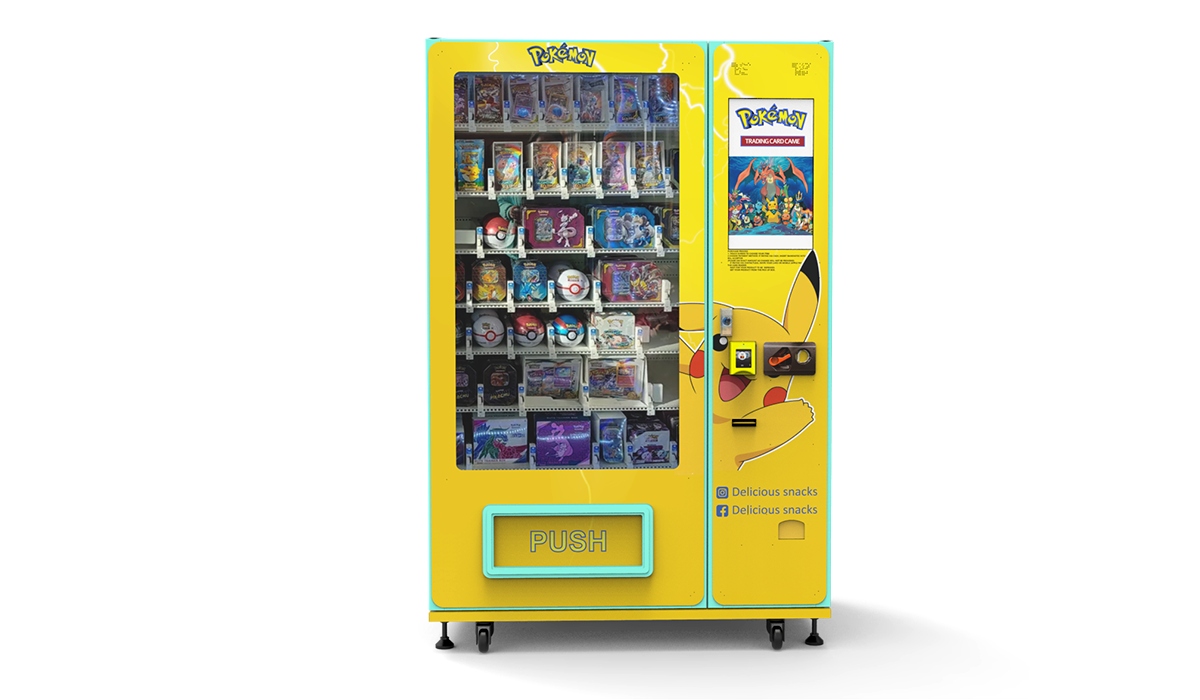
Champagne vending machines require more maintenance than standard snack machines. The refrigeration system, the bottle dispensing mechanism, and the payment terminal all need regular checks. Budget at least €300–€600 per year per machine for machine repair and preventive maintenance. If you are not handy with electronics, build a relationship with a local vending machine repair technician before you launch. Waiting three days for a repair in a high-traffic venue means lost revenue and a frustrated host.
Common issues include jammed bottle carousels, failed compressors, and payment system connectivity problems. I always carry a spare payment terminal and a basic tool kit in my vehicle. If you are operating multiple units, consider a service contract with a third-party repair company. Some suppliers, including Zhongda Smart, offer extended warranties and remote diagnostics, which can save you time and money.
Comparing Business Models: Self-Operate vs. Lease vs. Revenue Share
| Model | Upfront Cost | Monthly Profit Potential | Control Level | Risk |
|---|---|---|---|---|
| Self-operate (own machine + location) | High (€6k–€17k) | €400–€2,000 | Full control | Higher if location fails |
| Lease machine from a supplier | Low (€500–€2k deposit) | €100–€600 | Limited | Lower |
| Revenue share with venue (venue owns machine) | Zero | €0–€300 | Minimal | Lowest |
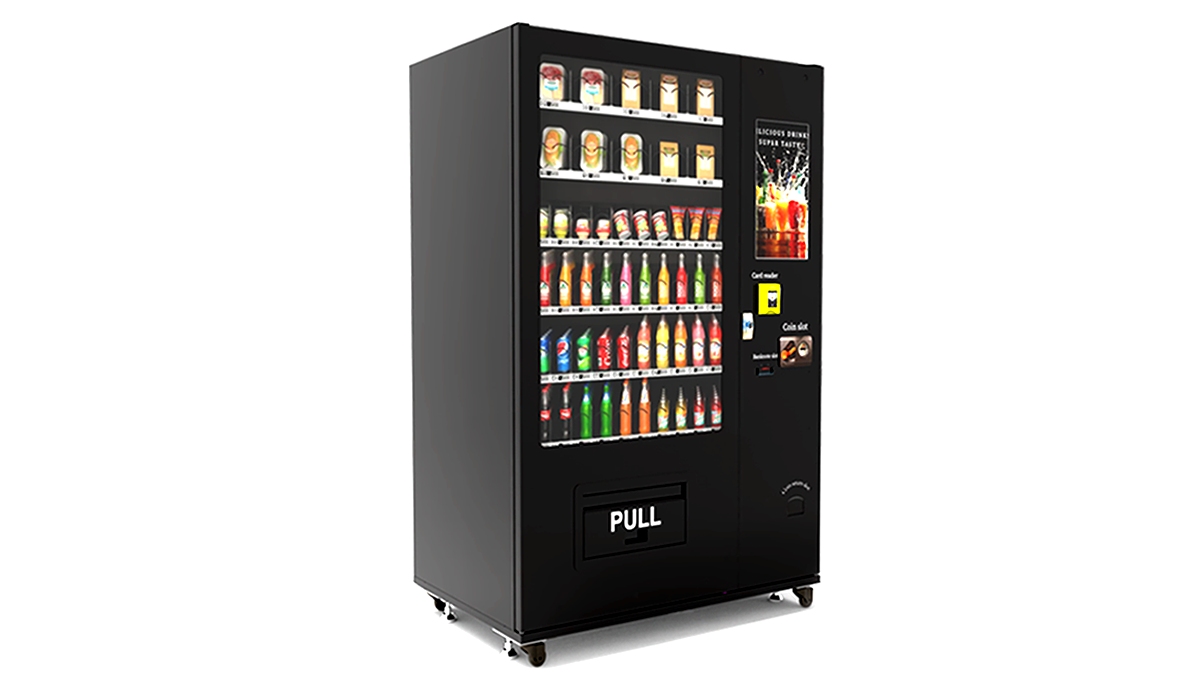
For most beginners, I recommend starting with a single self-operated machine in a strong location. You learn the operational details without overextending. Once you have a proven model, you can scale by adding more machines or negotiating revenue share deals with venues.
Common Beginner Mistakes to Avoid
- Buying the cheapest machine available. Low-cost units often have weak compressors and unreliable vend mechanisms. You will pay more in machine repair costs within a year.
- Ignoring local alcohol licensing laws. In many EU countries and US states, you need a specific permit to sell alcohol through a vending machine. Check with your local chamber of commerce or alcohol control board before purchasing. Service-Public.fr – License for alcohol vending machines.
- Overstocking expensive bottles. Start with a limited selection and expand based on sales data.
- Neglecting the customer experience. If the machine looks dirty or the screen is broken, people will not use it.
- Not having a restocking schedule. Running out of product on a Friday night is a direct loss of revenue.
How to Evaluate a Location Before Signing a Deal
I use a simple checklist before committing to any location. First, count foot traffic during peak hours. A minimum of 500 adults per day passing within 10 metres of the machine is a good baseline. Second, check the average income level of the area. Champagne is a discretionary purchase. Third, talk to the venue staff. Do they seem supportive? Will they let you install a small sign? Fourth, verify that there is a reliable power outlet within 3 metres of the intended spot.
One of my most profitable machines sits in a private members’ club in Paris. The foot traffic is only about 200 people per day, but the average transaction value is €65. Quality of traffic matters more than quantity in this business.
FAQ: Champagne Vending Machine Questions from Beginners
Is a champagne vending machine profitable?
Yes, if placed correctly. A well-located machine can generate €400–€2,000 in monthly net profit. However, poor locations will lose money. Always test a location for at least three months before scaling.
How much does a champagne vending machine cost?
New machines range from €4,000 to €15,000. Budget another €2,000–€4,000 for installation, payment system, and initial inventory. Total investment for a single unit is typically between €6,000 and €17,000.
How long does it take to break even?
With a strong location, you can recover your investment in 8 to 14 months. In weaker locations, it may take 18 to 24 months or longer. I have seen some machines never break even because the operator chose the wrong spot.
Should I buy or lease a champagne vending machine?
Buy if you have the capital and want full control. Lease if you want to test the market with lower upfront risk. Most experienced operators eventually buy their own machines to maximise profit margins.
Where should I place a champagne vending machine?
Target upscale hotels, casinos, wedding venues, luxury shopping centres, nightlife districts, and private event spaces. Avoid low-traffic areas, office buildings, and locations without evening or weekend foot traffic.
What permits do I need?
You need a license to sell alcohol through a vending machine. Requirements vary by country and state. In France, you need a licence de débit de boissons. In the US, check with your state alcohol control board. Service-Public.fr – Alcohol vending license requirements.
How do I choose a supplier?
Look for manufacturers with experience in refrigerated bottle vending. Ask for references, visit a working unit if possible, and check the warranty terms. Zhongda Smart is one supplier I have seen deliver consistent quality in this niche, but always verify with your own due diligence.
What happens if the machine breaks down?
Have a repair plan in place before launch. Keep a spare payment terminal and basic tools. If you are not technical, contract a local vending machine repair technician. Remote monitoring can help you diagnose issues before they escalate.
How can I reduce restocking and maintenance costs?
Use telemetry to track inventory in real time. Restock only when needed. Group your machines geographically to reduce travel time. Invest in a reliable machine upfront to minimise machine repair frequency.
Final Thoughts from a Decade in the Business
Champagne vending machines are not a passive income shortcut. They require active management, good location hunting, and a willingness to handle machine repair issues when they arise. But if you approach it like a real business—with proper planning, realistic financial expectations, and a focus on customer experience—it can be a solid revenue stream. Start small, learn the operational details, and scale only when you have a proven model. The market is still young, and there is room for operators who do it right.
本文更新于 2025年5月