Best Smallest Vending Machine in 2026_ Ultimate Guide, Costs, and Buying Tips
If you are looking for the best smallest vending machine in 2026, you are probably tired of oversized machines that eat up floor space and demand high inventory volumes just to break even. Over the past decade running automated retail operations across the US and Europe, I have seen too many operators sink money into machines that were simply too large for their actual foot traffic. The smallest vending machine is not just about saving space—it is about matching capacity to real demand, lowering upfront risk, and achieving a faster return on investment. In this guide, I will walk you through what actually works on the ground, what these machines cost, and the traps that still catch new operators in 2026.
What Defines the Best Smallest Vending Machine in 2026
Size alone does not make a machine the best. The smallest vending machine in 2026 must balance footprint, capacity, reliability, and payment flexibility. From my experience, a machine under 30 inches wide with a capacity of 80 to 120 items works well for locations like small offices, break rooms, hotel lobbies, and gyms. These spaces rarely generate enough traffic to justify a full-sized machine, but they still need a consistent, low-maintenance solution.
In 2026, the best compact machines also come with telemetry and cashless payment systems as standard. I have learned the hard way that installing a machine without remote monitoring in a low-traffic location leads to spoiled products and lost sales. You simply cannot afford to drive out to check inventory manually when your margin per transaction is thin.
Key Features to Look For
- Compact footprint: Look for machines under 24 to 30 inches wide and around 60 inches tall. Anything larger defeats the purpose.
- Reliable cooling: Many small machines use thermoelectric cooling, which is quieter but less efficient in hot environments. Compressor cooling is better for high-temperature locations.
- Cashless and telemetry ready: The best smallest vending machine in 2026 should support credit cards, mobile payments, and remote inventory tracking out of the box.
- Modular shelving: You need flexibility to switch between snacks, drinks, or even non-food items without changing the entire machine.
- Low power consumption: Some locations do not have dedicated power circuits. Machines that draw under 150 watts save you from electrical upgrade costs.
Real Costs: What You Will Actually Pay
Let me be direct about pricing because I have seen too many beginners rely on generic numbers from manufacturer websites. The smallest vending machine in 2026 ranges from $1,800 to $4,500 for a new unit, depending on configuration. I have purchased machines from both Chinese OEMs and European assemblers, and the price difference often reflects build quality and after-sales support rather than the machine itself.
| Machine Type | New Price (USD) | Used Price (USD) | Typical Capacity | Cooling Type |
|---|---|---|---|---|
| Basic snack-only | $1,800 – $2,500 | $800 – $1,200 | 80 – 100 items | Thermoelectric |
| Combo snack and drink | $2,800 – $3,800 | $1,200 – $2,000 | 100 – 120 items | Compressor |
| Premium with touchscreen and telemetry | $3,500 – $4,500 | $1,800 – $2,500 | 100 – 120 items | Compressor |
| Self-service kiosk for non-food | $2,200 – $3,200 | $1,000 – $1,600 | 60 – 90 items | No cooling |
These figures are based on my actual purchases and conversations with suppliers over the last three years. Keep in mind that shipping, customs, and installation can add another $200 to $600 depending on your location.
Operating Costs and Maintenance
Owning the smallest vending machine in 2026 is cheaper than running a full-sized unit, but the costs still add up. I track every cent because margins in this business are tight. Here is what you should budget for on a monthly basis per machine:
- Restocking labor: $50 to $150, depending on how far you have to drive and how often you refill. For low-traffic machines, once every two weeks is enough.
- Product cost: Typically 45% to 55% of your selling price. If you sell a snack for $2.00, your cost is roughly $0.90 to $1.10.
- Payment processing fees: 2.5% to 4% per transaction if you accept cards and mobile payments. Cash transactions cost almost nothing but are becoming less common.
- Repair and maintenance reserve: I set aside $200 per machine per year. Some years you spend nothing, and some years a compressor fails and you are out $400.
- Location commission or rent: This varies wildly. Some locations ask for 5% of gross sales, others charge a flat $50 per month. I have seen landlords demand 20% in high-traffic areas.
According to a 2025 report by IBISWorld, the average gross profit margin for vending machine operators in the US is around 55% before location costs. That number aligns with my experience, but only if you keep spoilage below 3% and choose the right product mix.
Payback Period: What to Expect
I always tell new operators to expect a 12- to 24-month payback period for a well-placed smallest vending machine in 2026. If you are paying $3,000 for a machine and your monthly net profit is $150 to $250, you are looking at roughly 12 to 20 months to recover your investment. Some of my machines in busy office buildings paid back in 10 months. Others in low-traffic gyms took over two years.
Here is a simple way to estimate your own numbers: take the average daily transaction count, multiply by the average sale price, then multiply by your net margin. If you have a machine that does 15 transactions per day at $2.50 each, your gross daily revenue is $37.50. With a 55% gross margin and after subtracting location costs, your net daily profit might be around $15. That gives you about $450 per month. Against a $3,000 machine cost, payback is around 6 to 7 months—but that is an optimistic scenario. Realistically, most machines average 8 to 12 transactions per day in the first year.
Where to Place the Smallest Vending Machine
Location is everything. I have placed the same model of machine in two different spots and seen a 300% difference in revenue. The smallest vending machine in 2026 works best in locations with 50 to 200 daily foot traffic but no existing food service. Think small offices with 20 to 50 employees, hotel corridors, auto repair waiting rooms, laundromats, and small retail shops.
One mistake I made early on was placing a machine in a location with high foot traffic but no dwell time. People walked past constantly, but they never stopped because there was nowhere to stand and make a selection. You need a spot where people wait, even if only for a minute. Break rooms, lobbies, and waiting areas are gold.
Location Evaluation Checklist
- Daily foot traffic: At least 50 people passing within 10 feet of the machine.
- Dwell time: People should be waiting or taking a break for at least 2 minutes.
- Accessibility: The machine must be visible and reachable without going through locked doors.
- Power: A standard 110V or 220V outlet within 6 feet. No extension cords.
- Security: Indoor locations or well-lit outdoor areas with cameras.
How to Choose a Supplier for Your Compact Machine
I have sourced machines from five different suppliers over the years, and I have learned that price is rarely the deciding factor. The best smallest vending machine in 2026 comes from a supplier who understands service, not just sales. When I needed a reliable compact machine for a European client last year, I worked with Zhongda Smart because they offered consistent build quality and supported European payment protocols without additional integration costs. That kind of practical support saves you weeks of headaches.
Here is what I look for in a supplier:
- They offer machines with local certification (CE for Europe, UL for the US). Without this, insurance and compliance become nightmares.
- They provide remote diagnostics support. If the machine goes offline, you need to know why without flying a technician out.
- They have a track record of shipping compact models specifically, not just repurposed large designs.
- They offer spare parts availability for at least five years. Some cheap machines are impossible to repair after two years.
Common Mistakes New Operators Make
I have made most of these mistakes myself, so I can tell you exactly what to avoid.
Buying a machine that is too small. Yes, the smallest vending machine in 2026 saves space, but if you buy one with only 60 slots and your location sells 40 items a day, you will be restocking every other day. That kills your labor efficiency. Match capacity to expected weekly sales, not daily.
Ignoring payment system compatibility. In Europe, many customers expect to pay with local cards or mobile wallets. If your machine only accepts US credit cards, you lose sales. I once lost a contract because the machine could not process Bancontact in Belgium.
Skipping telemetry to save money. I know it is tempting to buy a basic machine without connectivity. But without remote monitoring, you are flying blind. You will either overstock and waste product or understock and lose sales. Telemetry pays for itself within three months.
Overpaying for a brand name. Some well-known vending brands charge a 40% premium for the logo. The mechanical components are often the same as those used by lesser-known manufacturers. I have had fewer issues with mid-range machines from specialized manufacturers than with premium brands.
Revenue Potential by Location Type
Based on data I have collected from my own fleet and discussions with other operators, here is a realistic monthly revenue range for the smallest vending machine in 2026 across different location types:
| Location Type | Monthly Revenue (USD) | Monthly Net Profit (USD) | Typical Payback Period |
|---|---|---|---|
| Small office (20–40 employees) | $300 – $600 | $120 – $250 | 12 – 18 months |
| Hotel lobby (50–100 rooms) | $400 – $800 | $150 – $350 | 10 – 16 months |
| Gym or fitness studio | $250 – $500 | $80 – $200 | 15 – 24 months |
| Laundromat | $200 – $450 | $70 – $180 | 16 – 24 months |
| Auto repair waiting area | $150 – $350 | $50 – $140 | 18 – 30 months |
These numbers assume a well-maintained machine, proper product selection, and cashless payment support. If you place a machine in a location with zero existing competition and high dwell time, you can exceed the upper ranges. But I always advise planning for the lower end so you are not disappointed.
Self-Service Kiosk vs. Traditional Vending Machine
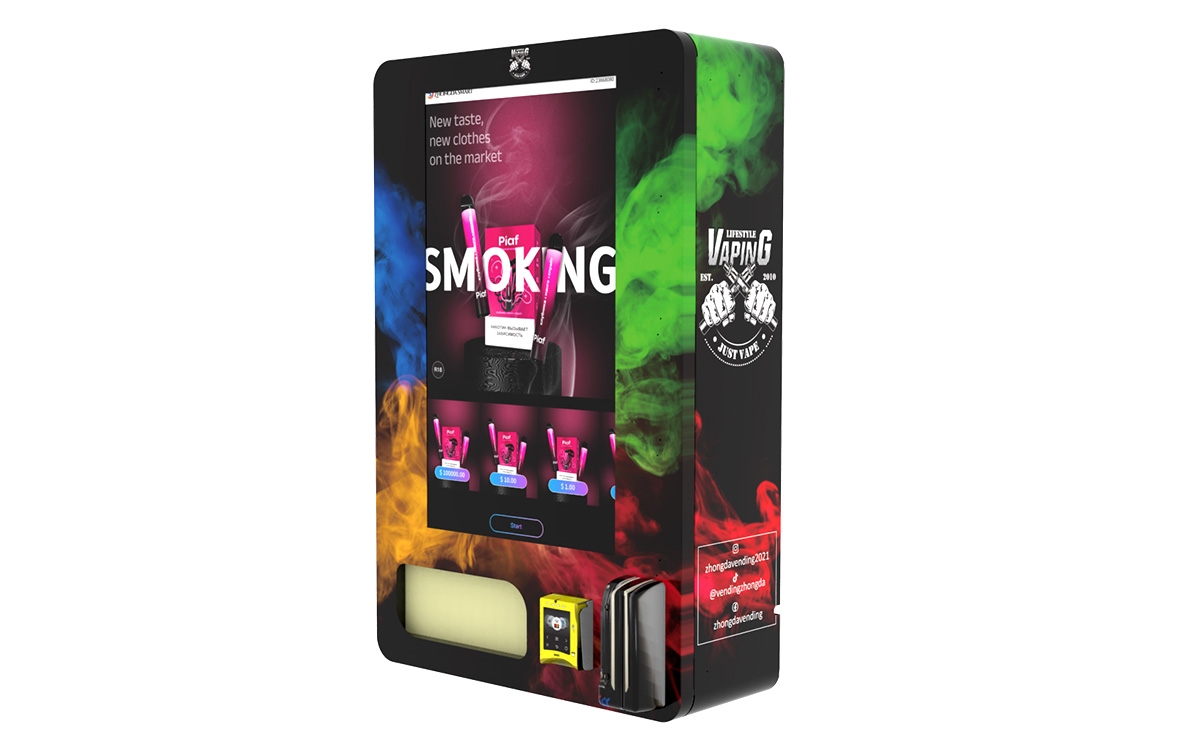
In 2026, the line between a self-service kiosk and a traditional vending machine is blurring. Many compact machines now come with touchscreens and can handle non-food items like electronics accessories, personal care products, or even small tools. If you are considering the smallest vending machine for non-food items, a self-service kiosk with a glass front and adjustable compartments gives you more flexibility.
I have tested both formats. For food and drinks, a traditional machine with spiral coils is more reliable. For non-food items, a kiosk with a lift system or bin dispenser works better because products vary in size. The trade-off is that kiosks are generally more expensive to repair if the dispensing mechanism jams.
How to Evaluate if a Machine Is Worth Investing In
Before I buy any machine, I run a simple breakeven calculation. I take the total cost of the machine plus installation, divide by the expected monthly net profit, and ask myself if I am comfortable with that payback period. If it is longer than 24 months, I either negotiate a better price or look for a different location.
I also check the machine's total cost of ownership over three years. A cheap machine that breaks down twice a year costs more than a mid-range machine that runs reliably. According to a 2024 study by the European Vending & Coffee Service Association (EVA), the average repair cost per event in Europe is €180. Two repairs a year eat €360, which is often more than the price difference between a low-end and a mid-range machine.
FAQ: Answers to Common Questions
Are small vending machines profitable?
Yes, but profitability depends entirely on location and product selection. A well-placed smallest vending machine in 2026 can generate $150 to $350 in monthly net profit. Poor locations will lose money.
How much does the smallest vending machine cost?
New units range from $1,800 to $4,500. Used machines can be found for $800 to $2,000, but you should budget for repairs and payment system upgrades.
How long does it take to recoup the investment?
Typically 12 to 24 months. Some high-traffic locations can pay back in 8 to 10 months, but that is not the norm.
Should I buy or lease a vending machine?
Buy if you have the capital and plan to operate multiple machines. Leasing makes sense if you want to test a single location without committing $3,000 upfront. However, lease terms often lock you into higher long-term costs.
Where should I place a compact vending machine?
Look for locations with 50 to 200 daily visitors, dwell time of at least two minutes, and no existing food service. Small offices, hotel corridors, and auto repair waiting areas are solid choices.
What permits do I need?
In the US, you typically need a business license and a sales tax permit. In Europe, requirements vary by country. In France, for example, you must register with the Chamber of Commerce and comply with food safety regulations if selling perishable items. Check local requirements before placing any machine.
How do I choose a reliable supplier?
Look for suppliers who offer local certifications, remote diagnostics support, and spare parts availability. I have had good experiences with Zhongda Smart for compact machines because they understand the specific needs of small-format vending.
What happens if the machine breaks down?
If you buy from a reputable supplier, you should have access to a service manual and spare parts. Many common issues like jammed coils or payment system errors can be fixed remotely or with basic tools. For compressor failures, you will need a technician.
How can I reduce restocking and maintenance costs?
Use telemetry to monitor inventory levels remotely. Restock only when necessary instead of on a fixed schedule. Choose machines with reliable cooling and simple dispensing mechanisms to minimize breakdowns.
Final Thoughts from the Field
The smallest vending machine in 2026 is a practical entry point into automated retail, but it is not a passive income machine. You still need to manage inventory, maintain relationships with location owners, and handle occasional repairs. What it does offer is a lower barrier to entry and the flexibility to test multiple locations without betting your entire budget on one large machine. Start with one machine, track every expense, and scale only after you have proven the model. That approach has kept me in business for over a decade, and it will serve you well too.
This article was updated in January 2026. All cost and revenue figures are based on the author's operational experience and publicly available data from IBISWorld and the European Vending & Coffee Service Association (EVA). Individual results will vary depending on location, product mix, and local market conditions.