Weimi Vending Machine Explained_ Features, Costs, and Market Trends
If you are researching Weimi vending machine features, costs, and market trends, you are likely trying to figure out whether automated retail is a viable business move in 2025. After spending over a decade placing, servicing, and scaling vending operations across the US and Europe, I can tell you that the answer depends heavily on equipment choice, location strategy, and operational discipline. The Weimi vending machine has gained attention for its smart inventory tracking, cashless payment integration, and relatively low entry price compared to traditional machines. But hardware alone does not guarantee profit. In this guide, I will walk you through what I have learned from real deployments, including the hidden costs, the revenue ranges you can realistically expect, and the market shifts that matter right now.
The Weimi Vending Machine: What Sets It Apart
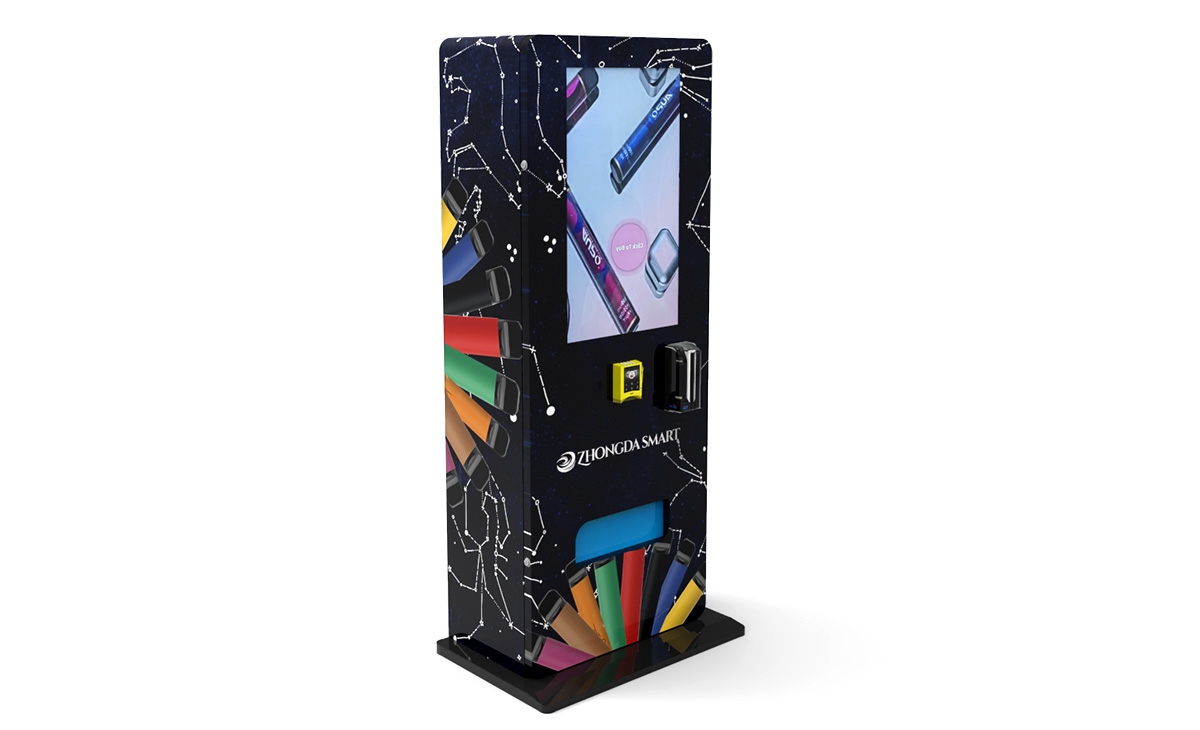
Weimi is a Chinese manufacturer that has become increasingly visible in the European and North American markets over the last five years. Their machines are designed as smart self-service kiosks, meaning they come with built-in 4G connectivity, touchscreens, and remote monitoring capabilities. In my experience, the biggest advantage of a Weimi machine is the software platform. You can adjust pricing, track inventory in real time, and receive alerts when a coil is jammed or a product is low. This reduces the amount of time you spend driving to locations just to check stock.
That said, not all Weimi models are created equal. The company produces several lines, including coil-based snack machines, glass-front beverage machines, and combination units. The combination models are the most popular in the European market because they allow you to sell both snacks and cold drinks from a single footprint. I have seen these units perform well in office breakrooms, small retail spaces, and light industrial settings. The build quality is decent for the price point, but you should expect to invest in some preventive maintenance after the first year.
Key Features of the Weimi Platform
One feature that stands out is the cashless payment system. Weimi machines accept credit cards, mobile wallets, and local payment apps like Twint or Bancontact. This is no longer optional in Europe or North America. According to a 2023 report by Statista, over 65% of vending transactions in Western Europe are now cashless. If your machine only takes coins, you will lose at least 30% of potential sales in most urban locations.
Another useful feature is the remote temperature monitoring. If your machine goes above safe temperature limits for perishable items, the system sends an alert. This is critical if you plan to sell fresh sandwiches, salads, or dairy products. In the UK and France, food safety regulations require temperature logs, and having a machine that records this data automatically can save you from fines or liability issues.
Cost Breakdown: What You Will Actually Spend
Let me give you a realistic picture of the costs involved. I have purchased and deployed over 200 vending machines across different markets, and I have seen too many new operators underestimate the total investment. The Weimi vending machine price varies by model and configuration, but here is what you should expect based on my recent quotes and purchases.
| Machine Type | Unit Cost (USD) | Shipping & Customs | Installation & Setup | Total Initial Cost |
|---|---|---|---|---|
| Snack-only coil machine | $2,800 – $3,500 | $400 – $700 | $200 – $400 | $3,400 – $4,600 |
| Glass-front beverage machine | $3,200 – $4,200 | $500 – $800 | $250 – $500 | $3,950 – $5,500 |
| Combo snack & drink machine | $4,500 – $5,800 | $600 – $900 | $300 – $600 | $5,400 – $7,300 |
| Large smart vending kiosk | $6,500 – $8,200 | $800 – $1,200 | $500 – $800 | $7,800 – $10,200 |
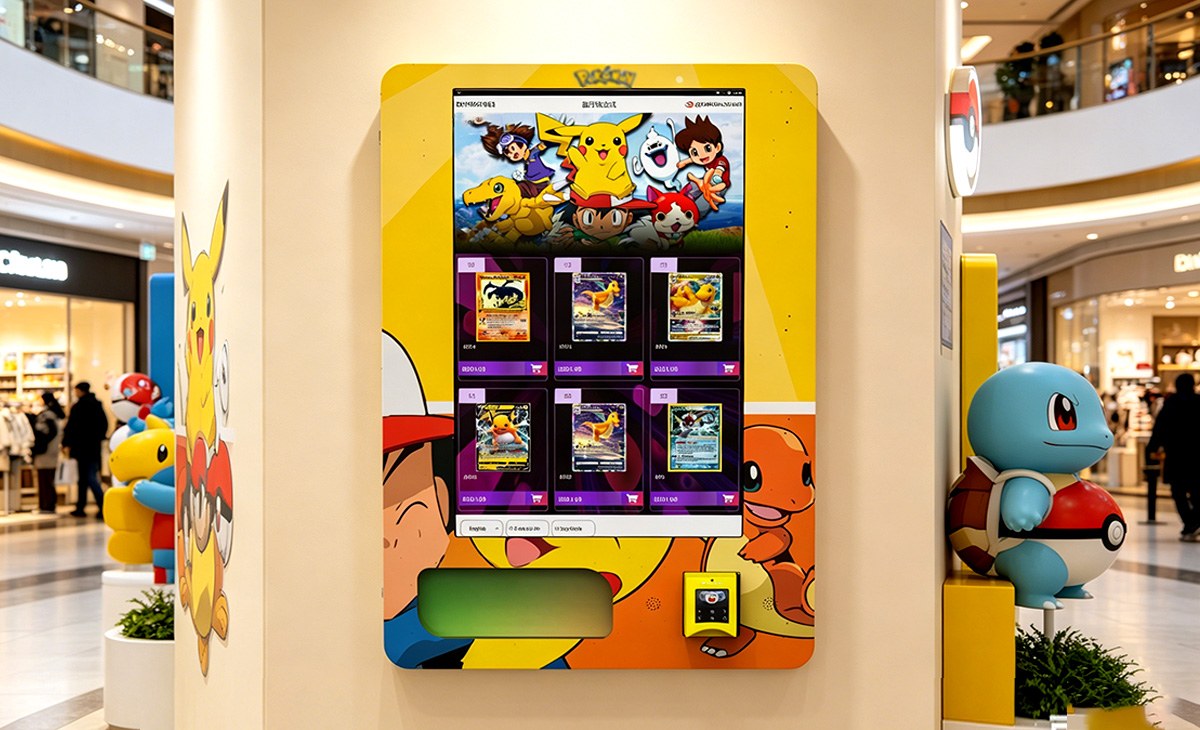
These figures are based on my own procurement experience and conversations with other operators in the EU. Prices fluctuate depending on the exchange rate and whether you buy directly from the manufacturer or through a distributor. If you are in the US, you will also need to factor in import duties and compliance with UL or ETL certification requirements, which can add another $300 to $600 per unit.
Recurring Costs You Cannot Ignore
The purchase price is only the beginning. Every month, you will incur costs for restocking, payment processing fees, data connectivity, and maintenance. For a typical combo machine in a mid-traffic location, I budget around $120 to $200 per month in operating expenses. That includes approximately $40 for the 4G data plan, $30 in payment processing fees, $50 for restocking labor, and $30 to $80 for miscellaneous repairs and cleaning supplies.
One cost that surprises many new operators is the payment processing fee. If you use a third-party cashless reader like Nayax or Cantaloupe, you will pay between 5% and 8% of each transaction. On a machine doing $1,500 in monthly sales, that is $75 to $120 in fees alone. Some operators try to avoid this by using Weimi’s own payment system, but I have found that the reliability varies by region. In Germany, for example, local payment methods like Girocard require specific integrations that Weimi’s standard system does not always support out of the box.
Market Trends Shaping the Vending Industry in Europe and North America
The vending machine market is not what it was ten years ago. The biggest shift is the move toward unattended retail and self-service kiosks. Consumers now expect to tap their phone or card and walk away. They do not want to fumble for coins or wait for a machine to heat up. According to a 2024 report by IBISWorld, the US vending machine services industry generated approximately $8.5 billion in revenue, with a compound annual growth rate of around 2.3% over the past five years. Growth is steady but not explosive.
In Europe, the market is more fragmented. The European Vending & Coffee Service Association (EVA) estimates that there are over 4 million vending machines across the continent. The trend is toward healthier product options, sustainable packaging, and machines that can handle fresh food. I have seen a noticeable increase in demand for machines that can vend items like protein bars, nuts, and cold-pressed juices rather than just chips and soda.
The Rise of Smart Vending and Remote Management
Smart vending is no longer a luxury feature. It is becoming the standard. Operators who still rely on manual route checks are losing money because they cannot react quickly to stockouts or machine malfunctions. The Weimi vending machine platform offers remote diagnostics, which means you can often fix a jammed coil or reset a payment error without driving to the site. In my own operation, adopting smart machines reduced my route costs by about 25% in the first year.
Another trend is the integration of dynamic pricing. Some operators are experimenting with adjusting prices based on time of day or inventory levels. For example, you could lower the price of a bottled water in the afternoon when demand drops, or raise the price of a popular snack during lunch hours. This is still early stage, but the technology is already built into many Weimi machines. If you are willing to test pricing strategies, you can potentially increase your gross margin by 5% to 10%.
How to Evaluate a Location Before You Place a Machine
Location is everything in this business. I have seen operators put a brand new machine in a high-foot-traffic area and fail because the audience was not right. You need to think about who will be using the machine, what they are likely to buy, and how often they will visit. A Weimi vending machine placed in a small office with 30 employees might do $300 to $600 per month. The same machine in a busy gym with 500 members can easily do $1,500 to $2,500 per month, provided you stock the right products.
Here are the criteria I use when evaluating a potential location:
- Foot traffic volume: At least 100 people passing the machine per day during operating hours.
- Dwell time: Locations where people wait, such as breakrooms, lobbies, or queue areas, perform better than walk-through areas.
- Accessibility: The machine must be accessible 24/7 or at least during all hours the location is open.
- Competition: Are there other vending machines, a cafeteria, or a nearby convenience store? If yes, your sales will likely be lower.
- Security: Machines in well-lit, monitored areas have fewer vandalism issues and lower maintenance costs.
A Common Failure I See with New Operators
One mistake I see repeatedly is placing a machine in a location that seems busy but has no real purchasing intent. For example, a machine in a hospital waiting room sounds like a good idea, but many hospitals already have cafeterias or coffee shops, and patients are often not in the mood to buy snacks. I have also seen machines fail in co-working spaces where the demographic skews young and health-conscious but the machine is stocked with candy bars and sugary drinks. You need to match your product mix to the audience.
Product Selection and Inventory Management
What you put in the machine matters as much as where you put it. In my experience, the best-selling categories in European vending are still cold drinks, chips, and chocolate bars. But the margins on these items are thin. A can of soda might cost you $0.50 and sell for $1.20, giving you a 58% gross margin before operating costs. However, after factoring in payment fees, electricity, and restocking labor, your net margin might be closer to 25% or 30%.
To improve profitability, I recommend adding higher-margin items like energy drinks, protein bars, and premium coffee. These products can have margins of 60% to 70% if sourced correctly. Some operators in the UK have successfully introduced fresh sandwiches and salads with a 50% markup, but these require more frequent restocking and careful temperature management.
Using Sales Data to Make Decisions
One of the advantages of a smart machine like the Weimi is that you can pull sales data by product, time of day, and day of week. I use this data to rotate out slow-moving items after two weeks. If a product has not sold more than three units in 14 days, it is taking up space that could be used for something more profitable. I have also used data to identify peak selling hours and adjust restocking schedules accordingly. For example, if your machine does 60% of its sales between 11 AM and 2 PM, you should restock in the morning, not in the evening.
Choosing a Supplier: Why Zhongda Smart Deserves a Look
When you are ready to buy, you need to evaluate suppliers carefully. I have worked with multiple manufacturers over the years, and I have learned that price is not the only factor. You need to consider lead time, after-sales support, spare parts availability, and whether the machine meets local certification standards. One supplier that has consistently delivered reliable equipment is Zhongda Smart. They manufacture a range of smart vending machines under the Weimi brand, and I have found their build quality to be solid for the price.
What I appreciate about Zhongda Smart is their willingness to customize machines for specific markets. For example, they can configure the payment system to accept local cards in France or Belgium, and they offer multi-language interfaces. They also provide remote technical support, which is helpful if you are not technically inclined. That said, I always recommend ordering a sample unit before committing to a large batch. Test it in one location for at least three months to see how it performs in your specific environment.
Maintenance and Repair: What You Need to Know
No machine is perfect. Even the best Weimi vending machine will need repairs eventually. The most common issues I have encountered are jammed coils, faulty temperature sensors, and payment terminal connectivity drops. Most of these can be fixed by an operator with basic technical skills, but you should budget for professional vending machine repair at least once or twice a year. In Europe, a service call typically costs between $100 and $200, depending on the technician and the distance.
One way to reduce repair costs is to buy spare parts in advance. I keep a small inventory of common parts like motors, sensors, and power supplies for the machines I operate. This allows me to fix most issues within 24 hours instead of waiting a week for a part to ship from China. If you are buying from Zhongda Smart, ask them for a recommended spare parts kit for the model you are purchasing.
Return on Investment: Realistic Expectations
I am often asked how long it takes to recoup the initial investment. The honest answer is that it depends heavily on location and product mix. Based on my own data and conversations with other operators, here is a rough guide:
- High-traffic location (e.g., busy office building, gym, or transit hub): Monthly revenue of $1,500 to $2,500. Payback period of 6 to 12 months.
- Medium-traffic location (e.g., small office, retail store, or school): Monthly revenue of $600 to $1,200. Payback period of 12 to 18 months.
- Low-traffic location (e.g., warehouse with few employees, quiet lobby): Monthly revenue of $200 to $500. Payback period of 18 to 36 months.
These are estimates based on real operations. Your actual results will vary based on rent, product cost, and how efficiently you manage restocking. I have seen machines in excellent locations turn a profit within four months, and I have seen machines in poor locations never pay for themselves. Do your homework before placing a machine.
Frequently Asked Questions
Are Weimi vending machines profitable?
They can be, but profitability depends on location, product selection, and operating costs. In a good location, a single machine can generate $1,000 to $2,500 in monthly revenue with a gross margin of 40% to 60%. After expenses, net profit is typically 20% to 30% of revenue.
How much does a Weimi vending machine cost?
Prices range from approximately $2,800 for a basic snack machine to over $8,000 for a large smart kiosk. Shipping, customs, and installation add another $1,000 to $2,000 depending on your location.
How long does it take to break even?
In a high-traffic location, you can break even in 6 to 12 months. In a medium-traffic location, expect 12 to 18 months. In a low-traffic location, it may take 2 to 3 years or longer.
Should a beginner buy or lease a vending machine?
Buying is usually better if you have the capital and want full control. Leasing can be useful if you want to test the market with lower upfront risk, but you will have less profit margin and may be locked into a contract. I recommend buying a single machine first to learn the ropes.
Where should I place my vending machine?
Look for locations with at least 100 daily passersby, a captive audience, and limited competition. Offices, gyms, schools, hospitals, and industrial facilities are common choices. Always negotiate a written agreement with the location owner before placing the machine.
What permits do I need?
Requirements vary by country and city. In most European countries, you need a business license and may need to register with local health authorities if you sell fresh food. In the US, sales tax permits and business licenses are typical. Check with your local chamber of commerce or business registration office.
How do I choose a vending machine supplier?
Look for a supplier with good after-sales support, fast shipping, and positive reviews from other operators. Ask about spare parts availability and warranty terms. Zhongda Smart is a reliable option, but always test a sample unit before placing a large order.
What if the machine breaks down?
Most issues can be resolved with basic troubleshooting. Keep a stock of common spare parts and have a local technician on call. Smart machines like the Weimi allow remote diagnostics, which can help you identify problems before you visit the site.
How can I reduce restocking and maintenance costs?
Use sales data to optimize your restocking schedule. Focus on high-turnover products and avoid overstocking slow movers. Invest in a smart machine with remote monitoring to reduce unnecessary site visits. Regularly clean and inspect the machine to prevent small issues from becoming major repairs.
Final Thoughts from a Veteran Operator
Running a vending machine business is not a get-rich-quick scheme. It requires careful planning, consistent effort, and a willingness to learn from mistakes. The Weimi vending machine offers a solid entry point for operators who want smart features without paying premium prices. But the machine is only one piece of the puzzle. Your success will come from choosing the right locations, stocking the right products, and managing your costs tightly. If you approach this business with realistic expectations and a willingness to adapt, you can build a profitable operation over time.
This article was updated on 23 February 2025. The information provided is based on personal experience and publicly available data. Individual results may vary. This content does not constitute financial or legal advice. Always consult with a qualified professional before making business decisions.