Is Chinese Vending Machine Manufacturers Worth It_ Pros, Cons, and Real-World Insights
After over a decade running vending machine operations across the US and Europe, I can tell you straight: Chinese vending machine manufacturers are worth considering, but only if you know exactly what you are getting into. I have bought machines from three different Chinese suppliers, placed them in high-traffic locations from office lobbies in Frankfurt to college campuses in Texas, and learned the hard way what works and what does not. The machines themselves can be solid, the pricing is often half of what you would pay for a European or American brand, and the features like telemetry and cashless payments are usually included as standard. But the real question is not whether Chinese vending machines are cheaper. It is whether they will actually make you money after you factor in shipping, customs, setup, repair parts availability, and local compliance. This article breaks down the pros, cons, and real-world realities based on actual operator experience, not marketing brochures.
Understanding the Vending Machine Business Today
The vending machine industry has changed significantly over the past decade. What used to be a simple coin-operated snack dispenser has evolved into a sophisticated automated retail channel. Modern machines now support touch screens, cashless payments, remote monitoring, and even dynamic pricing. For operators in North America and Europe, the appeal of sourcing equipment from Chinese manufacturers is obvious: lower upfront costs, more features per dollar, and faster innovation cycles. But the decision to go with a Chinese supplier is not purely about price. It is about total cost of ownership, reliability, and local support.
According to IBISWorld, the vending machine industry in the United States alone generates over $7 billion annually, with more than 4 million machines in operation. In Europe, the market is similarly large, with Germany, France, and the UK leading in machine density. The European Vending and Coffee Service Association (EVA) reports that over 4.5 million vending machines are installed across Europe, serving millions of transactions daily. These numbers tell you that the opportunity is real, but competition is also real. Your success depends on machine reliability, location quality, and operational discipline.
Pros of Chinese Vending Machine Manufacturers
Lower Initial Investment
The most obvious advantage is price. A comparable machine from a Chinese manufacturer like Zhongda Smart can cost 40% to 60% less than a European or American brand. For a new operator testing the waters, this lower entry barrier is significant. You can place multiple machines for the cost of one premium brand unit. This allows you to spread risk across several locations rather than betting everything on a single machine.
Feature-Rich Standard Configurations
Chinese vending machines typically come with features that are often optional or expensive on Western machines. Telemetry systems that let you monitor inventory and sales remotely are usually included. Cashless payment systems supporting credit cards, mobile wallets, and local payment apps are standard. LED lighting, touch screens, and energy-saving modes are also common. In my experience, the feature gap between Chinese and Western machines has narrowed considerably over the past five years.
Faster Product Iteration
Chinese manufacturers tend to release new models more frequently. If you need a machine with a specific tray configuration, a different cooling system, or a specialized dispensing mechanism, you can often get a custom solution faster than from a Western supplier. This agility is valuable for operators targeting niche markets like fresh food, electronics, or personal protective equipment.
Global Shipping and Logistics Experience
Most established Chinese vending machine manufacturers ship internationally on a regular basis. They understand container shipping, customs documentation, and packaging requirements for long-distance transport. Zhongda Smart, for example, has shipped machines to over 50 countries and can provide guidance on shipping terms, insurance, and import procedures. This experience reduces the risk of damage during transit and delays at customs.
Cons of Chinese Vending Machine Manufacturers
After-Sales Support and Parts Availability
This is the biggest pain point. When a machine breaks down, you need parts fast. With Chinese manufacturers, parts are not stocked locally in most Western countries. You may need to order from China and wait weeks for delivery. In the vending business, downtime directly equals lost revenue. I have seen operators lose an entire month of profit waiting for a replacement control board. Some Chinese manufacturers have started setting up regional warehouses in Europe and the US, but this is still the exception rather than the rule.
Compliance and Certification Challenges
European and American markets have strict safety, electrical, and food contact regulations. Machines sold in the EU must carry CE marking. In the US, UL or ETL certification is often required by location owners and insurance companies. Not all Chinese manufacturers have these certifications. Even if they do, the certification may be for an older model or a specific configuration that does not match what you receive. You must verify certifications before placing an order. I recommend asking for a copy of the actual certificate and checking the validity with the issuing body.
Payment System Integration
Chinese machines often come with payment systems designed for the domestic Chinese market. These systems may not work with Western payment networks out of the box. You may need to replace the payment terminal with a local unit or install a middleware solution. This adds cost and complexity. Some manufacturers offer international payment options, but you should confirm compatibility with your local payment processor before ordering.
Build Quality Variability
Not all Chinese manufacturers are equal. Some produce machines that are as good as anything made in Europe. Others cut corners on components like compressors, sensors, and wiring. I have seen machines where the cooling unit failed within six months, and others where the coin mechanism jammed constantly. The key is to vet the manufacturer thoroughly, visit the factory if possible, and ask for references from other international operators.
Real-World Insights from Operating Chinese Vending Machines
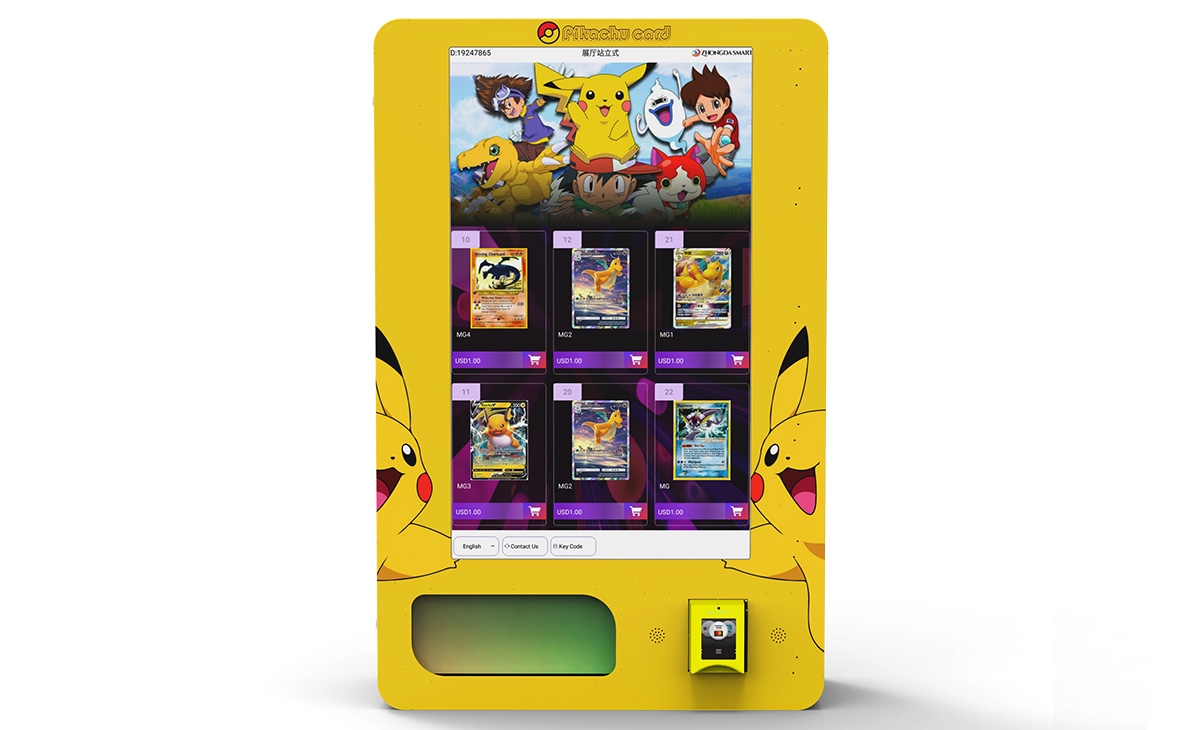
Location Selection Matters More Than Machine Brand
I have placed Chinese machines in high-traffic locations that generated over $2,000 per month in revenue, and I have placed premium Western machines in poor locations that barely broke $200. The machine brand is important, but location is everything. A reliable Chinese machine in a good location will outperform a top-tier machine in a bad location every time. Focus your energy on finding locations with consistent foot traffic, captive audiences, and limited food options nearby.
Total Cost of Ownership Over Three Years
When I calculate total cost of ownership for a vending machine over three years, I include the purchase price, shipping, customs, installation, payment system integration, maintenance, parts, and lost revenue during downtime. For a Chinese machine, the three-year TCO is often 20% to 30% lower than a Western machine, but only if you have a reliable source for spare parts and a local technician who can work on the machine. If you are in a remote area with no technical support, the TCO advantage disappears quickly.
Maintenance and Repair Realities
One of the most overlooked factors is vending machine repair. Chinese machines often use proprietary components that are not interchangeable with standard industry parts. When something breaks, you cannot just buy a replacement from a local distributor. You must order from the manufacturer or a specialized supplier. I recommend buying a spare parts kit with your initial order, including control boards, sensors, motors, and payment system components. This upfront investment can save you weeks of downtime later.
Cost Breakdown: Typical Investment and Returns
The table below provides a realistic cost and return comparison based on my own operations and industry benchmarks. These figures are estimates based on real-world experience and should be adjusted for your specific market conditions.
| Machine Type | Initial Cost (USD) | Monthly Revenue Range | Gross Margin | Typical Payback Period |
|---|---|---|---|---|
| Snack & Beverage Combo (Chinese) | $2,500 - $4,000 | $400 - $1,200 | 30% - 45% | 8 - 18 months |
| Snack & Beverage Combo (Western) | $5,000 - $8,000 | $500 - $1,500 | 30% - 45% | 12 - 24 months |
| Fresh Food Vending Machine (Chinese) | $4,000 - $6,000 | $600 - $2,000 | 25% - 40% | 10 - 20 months |
| Self-Service Kiosk (Chinese) | $3,500 - $7,000 | $800 - $2,500 | 35% - 50% | 8 - 16 months |
Note that these figures assume good location selection, efficient restocking, and minimal downtime. Revenue can vary significantly based on foot traffic, product mix, and local pricing. According to Statista, the average vending machine in the US generates around $75 per week, but top-performing machines in high-traffic locations can exceed $500 per week.
How to Choose a Chinese Vending Machine Manufacturer
Verify Certifications Before You Buy
Ask for copies of CE, UL, or ETL certifications for the specific model you are purchasing. Cross-check the certificate number with the issuing agency. If the manufacturer cannot provide clear documentation, walk away. I have seen operators import machines that could not be placed because the location owner required UL certification that the machine did not have.
Check Payment System Compatibility
Discuss payment system requirements early. If you are operating in Europe, your machine must support local payment methods like Giropay in Germany, iDEAL in the Netherlands, or Bancontact in Belgium. In the US, you need EMV-compatible credit card readers and NFC for Apple Pay and Google Pay. Some Chinese manufacturers like Zhongda Smart offer international payment modules, but always confirm with your payment processor before ordering.
Order Spare Parts Upfront
This is the single most important step to reduce downtime. Order a spare parts kit that includes the main control board, a set of sensors, a few motors, and a replacement power supply. The cost of these parts is usually small relative to the machine price, but the value during a breakdown is enormous. I keep a stock of critical parts for all my Chinese machines, and it has paid for itself many times over.
Request References from International Operators
Ask the manufacturer for contact information of operators in your region or similar markets. A reputable manufacturer will have references. Reach out to those operators and ask about their experience with machine reliability, parts availability, and manufacturer responsiveness. If the manufacturer cannot provide references, consider that a red flag.
Best Locations for Vending Machines
Based on my experience and industry data from the European Vending Association, the following locations consistently perform well:
- Office buildings with 200+ employees and limited cafeteria options
- College and university campuses with high student traffic between classes
- Hospitals and medical centers where staff and visitors need quick access to food and drinks
- Manufacturing facilities and warehouses with shift workers who have limited break time
- Transportation hubs like train stations and bus terminals with high daily foot traffic
- Gyms and fitness centers where members want healthy snacks and drinks post-workout
I avoid locations with existing food service, low foot traffic, or limited operating hours. A machine placed in a 24-hour location with consistent traffic will always outperform one in a location that is only busy during lunch hours.
Common Mistakes New Operators Make
Buying the Cheapest Machine Available
The cheapest machine is almost never the best value. I have seen operators buy machines for under $1,500 that broke down within three months. The cost of repairs, lost revenue, and the frustration of dealing with an unresponsive supplier far outweigh the initial savings. Pay a little more for a machine from a manufacturer with a track record of reliability and support.
Ignoring Payment System Requirements
Some operators assume that a machine with a credit card reader will work everywhere. In reality, different countries and even different regions within a country have specific payment preferences. In Germany, many consumers still prefer cash. In the Netherlands, iDEAL is dominant. In Sweden, the market is nearly cashless. Your machine must match local payment habits or it will not generate sales.
Underestimating Restocking Costs
Restocking a vending machine takes time, fuel, and labor. I calculate that each restocking visit costs me between $15 and $30 in direct costs, not including my own time. If a machine only generates $200 per month, and you visit it twice a week, your restocking costs can eat up 30% of your revenue. Optimize your restocking schedule based on sales data from your telemetry system.
Neglecting Regular Maintenance
A vending machine is a mechanical device that requires regular cleaning, inspection, and preventive maintenance. I schedule monthly cleaning of the cooling system, quarterly inspection of the payment system, and annual replacement of wear items like belts and rollers. Machines that are neglected break down more often and have shorter lifespans.
Evaluating Whether a Vending Machine Is Worth It
Before you invest in any vending machine, ask yourself these questions:
- Do I have a location secured with at least 500 people passing by daily?
- Is there a clear demand for the products I plan to sell?
- Can I restock the machine efficiently without spending more than 20% of revenue on logistics?
- Do I have a plan for maintenance and repairs, including access to spare parts?
- What is my realistic payback period, and am I comfortable with that timeline?
If you can answer yes to most of these questions, a vending machine from a Chinese manufacturer can be a profitable investment. If not, you may want to reconsider or start with a single machine to test the waters.
Frequently Asked Questions
Are vending machines profitable?
Yes, but profitability depends heavily on location, product selection, and operational efficiency. A well-placed machine can generate $500 to $2,000 per month in revenue with gross margins of 30% to 50%. Poorly placed machines may barely cover their costs. Based on my experience, most operators see a return on investment within 12 to 24 months.
How much does a vending machine cost?
A new vending machine from a Chinese manufacturer typically costs between $2,500 and $7,000 depending on the type and features. Western brands cost $5,000 to $10,000 or more. Used machines can be found for $1,000 to $3,000 but may require repairs and lack modern features like cashless payment.
How long does it take to break even?
For a Chinese machine in a good location, the payback period is usually 8 to 18 months. For Western machines, it is typically 12 to 24 months. These estimates assume consistent sales, minimal downtime, and efficient restocking. Actual results vary widely based on location and operational discipline.
Should beginners buy or lease a vending machine?
I recommend buying a single machine to start. Leasing often comes with higher long-term costs and less flexibility. Buying gives you full control over placement, product selection, and maintenance. Once you have proven the model with one machine, you can scale up by purchasing additional units.
Where is the best place to put a vending machine?
High-traffic locations with captive audiences are best. Office buildings, college campuses, hospitals, manufacturing facilities, and transportation hubs consistently perform well. Avoid locations with existing food service, low foot traffic, or limited operating hours.
What permits or licenses do I need?
Requirements vary by country and locality. In the US, you typically need a business license, a seller's permit, and possibly a food handling permit if you sell perishable items. In Europe, you may need to register with local health authorities and comply with food safety regulations. Check with your local business licensing office before placing any machines.
How do I choose a vending machine supplier?
Look for a manufacturer with international shipping experience, relevant certifications, and a track record of reliable machines. Verify payment system compatibility for your market. Order spare parts upfront. Ask for references from other operators in your region. Zhongda Smart is one manufacturer that meets these criteria for many international operators, but always do your own due diligence.
What happens when the machine breaks?
If you have a spare parts kit and basic technical skills, you can handle many common repairs yourself. For more complex issues, you may need to contact the manufacturer or a local technician familiar with the machine. The availability of local repair services is a key consideration when choosing a supplier.
How can I reduce restocking and maintenance costs?
Use telemetry data to optimize your restocking schedule based on actual sales patterns. Group machines in the same geographic area to reduce travel time. Perform preventive maintenance regularly to avoid major breakdowns. Buy spare parts in bulk to reduce per-unit costs.
Final Thoughts from a Seasoned Operator
Chinese vending machine manufacturers offer a legitimate path into the automated retail business, especially for operators who are willing to invest time in supplier vetting, spare parts management, and location selection. The machines are not perfect, and you will face challenges with after-sales support, certification, and payment integration. But for many operators, the lower upfront cost and feature-rich standard configurations make the trade-off worthwhile. I have machines from Chinese manufacturers that have been running reliably for over four years, generating consistent revenue with manageable maintenance. I have also seen operators fail because they bought the cheapest machine without thinking about the total cost of ownership. The difference comes down to preparation, research, and operational discipline. If you approach this business with realistic expectations and a solid plan, Chinese vending machines can absolutely be worth it.
Disclaimer: The information in this article is based on my personal experience operating vending machines in the US and European markets over the past decade. Revenue and cost figures are estimates and will vary based on location, product mix, operational efficiency, and market conditions. This article does not constitute financial or legal advice. Always consult with local authorities and professionals before making business investments.
Article last updated: March 2025
Sources:
- IBISWorld - Vending Machine Industry in the US (2024). https://www.ibisworld.com/united-states/market-research-reports/vending-machine-operators-industry/
- European Vending and Coffee Service Association (EVA) - Market Data. https://www.vending-europe.eu/
- Statista - Average weekly vending machine revenue in the US. https://www.statista.com/statistics/315480/vending-machine-revenue-per-machine-us/