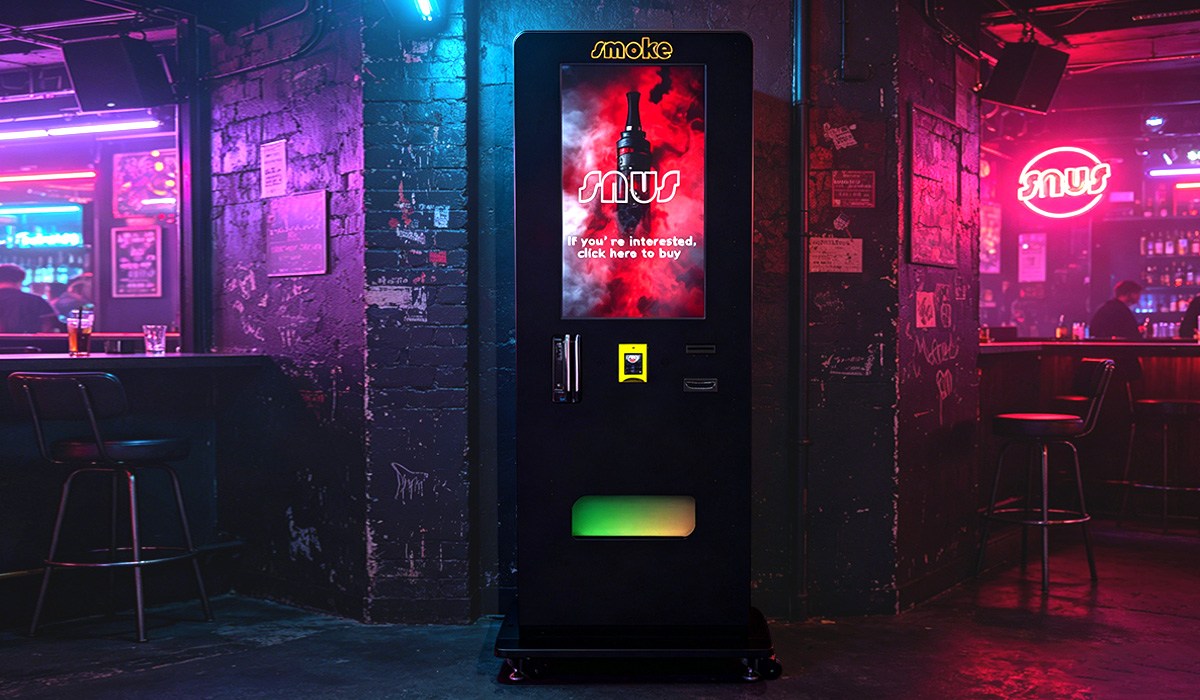
Is Cigarettes Vending Machine Worth It_ Pros, Cons, and Real-World Insights
If you are considering whether a cigarette vending machine is still a viable investment in today’s market, the short answer is: it depends entirely on where you place it and how you manage compliance. I have spent over a decade operating vending machine businesses across Europe and North America, and I have seen these machines generate steady passive income in some locations while becoming expensive liabilities in others. The key is understanding the real costs, legal hurdles, and operational demands before you buy. In this article, I will break down the pros, cons, and real-world insights I have gathered from hundreds of installations, so you can decide if a cigarette vending machine fits your business goals.
How a Cigarette Vending Machine Actually Works Today
Modern cigarette vending machines are not the simple coin-operated boxes you might remember from the 1990s. Today, most units are sophisticated self-service kiosks equipped with age verification systems, cashless payment terminals, and remote inventory monitoring. In many European countries, including France and Germany, these machines must be connected to a central server that logs every transaction and verifies the buyer's age through a government ID scanner or a registered payment card. This shift has made the equipment more expensive but also more compliant with strict tobacco sales regulations.
From an operational standpoint, a cigarette vending machine functions like any other automated retail solution. You stock it with product, set pricing through a backend software platform, and collect revenue either weekly or bi-weekly. The difference is that tobacco products have higher margins than snacks or drinks, but they also come with heavier regulatory baggage. In my experience, the machines that succeed are almost always placed in locations where foot traffic is consistent and age verification can be handled smoothly, such as bars, nightclubs, casinos, and some hotel lobbies.
One important distinction is between standalone cigarette machines and combination units that also sell tobacco accessories like rolling papers, lighters, or nicotine pouches. I have found that combo machines tend to perform better in terms of average transaction value, especially in markets where cigarette consumption is declining but alternative nicotine products are growing. According to a Statista report from 2023, the global market for cigarette vending machines was valued at approximately USD 1.2 billion, with Europe accounting for roughly 45% of that revenue. That number includes both traditional machines and newer digital kiosks.
The Pros of Operating a Cigarette Vending Machine
High Margin on Tobacco Products
Tobacco products typically carry a gross margin of 15% to 25% for vending operators, depending on local tax structures and wholesale pricing. In some European countries where excise taxes are high, the margin can be thinner, but the volume of sales often compensates. For example, a busy nightclub in Germany might sell 40 to 60 packs per night on weekends, generating EUR 200 to EUR 400 in gross profit per week from a single machine. That kind of return is hard to match with snack or beverage vending.
Consistent Demand in Certain Venues
Despite declining smoking rates in many developed countries, there are still environments where cigarette demand remains stable. Bars, clubs, and casinos that do not have a staffed tobacco counter often rely on a cigarette vending machine as the only source for smokers. In these settings, the machine becomes a necessity rather than an impulse purchase. I have operated machines in sports pubs in the UK where the same machine sold the same volume of cigarettes week after week for over three years without significant fluctuation.
Low Labor Requirement After Setup
Once the machine is installed and properly configured, the day-to-day labor is minimal. Unlike a manned kiosk, you do not need to pay a cashier or manage employee schedules. The main recurring tasks are restocking, cleaning, and occasional vending machine repair. If you choose a machine with remote monitoring, you can track inventory levels from your phone and only visit the site when a refill is needed. This makes the cigarette vending machine one of the most labor-efficient forms of automated retail available.
Cashless Payment Integration Boosts Sales
Modern machines accept credit cards, mobile payments, and even age-verified digital wallets. In my experience, adding card payment capability increases sales by 20% to 35% compared to cash-only machines. Smokers often carry less cash, especially in younger demographics, so the ability to tap a card or phone directly at the self-service kiosk removes a major friction point. This is particularly true in markets like Sweden and the Netherlands where cash usage is declining rapidly.
The Cons You Cannot Ignore
High Initial Investment and Compliance Costs
A compliant cigarette vending machine with age verification hardware, cashless payment systems, and remote monitoring software can cost between EUR 4,000 and EUR 8,000 new, depending on the configuration. That is significantly more than a basic snack vending machine, which might cost EUR 1,500 to EUR 3,000. Additionally, you may need to pay for installation, electrical work, and network connectivity. If you are operating in a country with strict licensing requirements, the permit fees can add another EUR 500 to EUR 2,000 per machine per year.
Regulatory Complexity and Risk
This is the single biggest challenge. In the European Union, the Tobacco Products Directive (2014/40/EU) sets strict rules on the display and sale of tobacco products. Many member states have additional national laws. For example, in France, cigarette vending machines are only allowed in licensed tobacco shops (tabacs) and must be under direct supervision of the shop owner. In Italy, machines must be registered with the customs agency and can only be placed in locations with a specific license. Violating these rules can result in fines, confiscation of inventory, and even criminal charges. I have seen operators lose entire routes because they placed a machine in a location that later lost its license.
Declining Smoking Rates in Some Markets
According to the World Health Organization (WHO), smoking rates in Europe have declined from 28% of adults in 2000 to approximately 18% in 2020. This trend is accelerating in countries like the UK, where smoking prevalence is now below 13%. While this does not eliminate the viability of cigarette vending machines in high-traffic venues, it does mean that long-term demand is shrinking. Operators need to be prepared to diversify into alternative products or exit the category within 5 to 10 years in some markets.
Vandalism and Theft Risks
Cigarettes are a high-value, easy-to-resell product. Machines placed in low-security locations are vulnerable to break-ins. I have had machines smashed open with crowbars and even rammed by vehicles in poorly lit parking lots. The cost of repairing a damaged machine can easily exceed EUR 1,000, and insurance for tobacco vending is more expensive than for snack machines. You need to factor in security measures like reinforced doors, GPS tracking, and alarm systems.
Real-World Insights: What I Learned from Hundreds of Installations
Over the past ten years, I have placed cigarette vending machines in bars, nightclubs, casinos, convenience stores, hotel lobbies, and even office break rooms. The results varied dramatically based on location and local regulations. One of my most successful installations was in a large casino in Belgium. The machine generated over EUR 1,200 per week in revenue during peak season, with a gross margin of around 22%. The payback period on that machine was just under five months. On the other hand, I placed a machine in a small hotel in rural Ireland that never sold more than five packs per week. That machine took over two years to break even, and I eventually moved it to a different site.
The most common mistake I see new operators make is underestimating the importance of age verification. In several European countries, if a minor purchases cigarettes from your machine, the operator is held liable, not the location owner. I have had to pay fines totaling over EUR 3,000 in one year for two separate incidents where the ID scanner failed to detect a fake ID. Since then, I only use machines with biometric or government-issued ID scanning that is updated quarterly. This adds cost but is non-negotiable for compliance.
Another insight is that location selection is far more important than machine brand or price. I have seen cheap machines in great locations outperform expensive machines in mediocre locations by a factor of five. The single best predictor of success is the number of adult smokers who pass within three meters of the machine per day. If that number is below 100, the machine will likely underperform. I use a simple tally counter during site evaluation to estimate foot traffic before committing to a placement.
Maintenance costs also vary significantly. Machines with complex age verification systems and multiple payment modules require more frequent vending machine repair calls. In my experience, the average maintenance cost for a cigarette vending machine is about EUR 300 to EUR 500 per year, not including parts. Machines from reputable manufacturers with modular designs tend to be cheaper to maintain because individual components can be replaced without sending the whole unit back to the factory. I have worked with machines from several European and Asian suppliers, and I have found that Zhongda Smart offers units with solid build quality and reliable age verification modules at a competitive price point. Their machines are used by several operators I know in Eastern Europe, and the feedback on after-sales support has been positive.
Cost Breakdown: What to Expect
| Cost Category | Estimated Amount (EUR) | Notes |
|---|---|---|
| Machine purchase (new) | 4,000 – 8,000 | Includes age verification and cashless payment |
| Installation & electrical | 300 – 800 | Depends on site readiness |
| Permits & licensing (annual) | 500 – 2,000 | Varies by country and region |
| Initial inventory | 1,000 – 2,500 | Based on 50–100 cartons |
| Annual maintenance | 300 – 500 | Excludes major repairs |
| Insurance (annual) | 200 – 600 | Higher for high-crime areas |
| Payment processing fees | 2% – 4% of revenue | Varies by provider |
These figures are based on my actual operating experience in Western and Central Europe. Costs in North America may differ due to currency exchange rates and different regulatory structures. Always obtain local quotes before budgeting.
How to Choose a Supplier for Your Cigarette Vending Machine
Selecting the right manufacturer or distributor is one of the most critical decisions you will make. I recommend evaluating suppliers based on four criteria: compliance certification, after-sales support, modularity of design, and spare parts availability. A machine that looks good but lacks CE certification or local age verification compliance will be a legal liability. I have seen operators in France forced to remove machines because the manufacturer could not provide documentation proving the ID scanner met national standards.
When I evaluate suppliers, I also look at how quickly they respond to technical support requests. In this business, downtime means lost revenue. A machine that is out of service for three days can cost you EUR 200 to EUR 500 in lost sales, depending on the location. I prefer suppliers who offer remote diagnostics and next-day replacement parts. Zhongda Smart, for example, provides remote troubleshooting and has a network of service partners in several European countries, which reduces repair turnaround time significantly. Their machines also feature modular components that can be swapped in the field without specialized tools.
Another factor is the payment system compatibility. Make sure the machine supports the most common cashless payment methods in your target market. In Germany, for instance, Girocard and Visa are essential. In the Netherlands, iDEAL is widely used. A machine that only accepts cash will severely limit your sales potential. Most modern self-service kiosks from reputable suppliers allow you to choose from multiple payment terminal vendors, so ask about this before purchasing.
Best Locations for a Cigarette Vending Machine
Based on my experience, the best locations for a cigarette vending machine are venues where smoking is common and staffed tobacco sales are not available. These include:
- Nightclubs and bars – High foot traffic of adult smokers, especially on weekends. Average weekly revenue can range from EUR 300 to EUR 1,000.
- Casinos and gaming halls – Smokers tend to stay longer and spend more. Machines here often perform well even during weekdays.
- Licensed tobacco shops (tabacs) – In countries like France, this is the only legal option. Machines here serve as an after-hours sales channel.
- Hotel lobbies in tourist areas – Particularly hotels that do not have a 24-hour shop. Guests appreciate the convenience.
- Military bases and staff canteens – Controlled environments with consistent adult traffic. Requires special permits in some countries.
Locations to avoid include schools (obviously), hospitals, shopping malls with strict no-smoking policies, and office buildings where the tenant base is primarily non-smoking. I have also found that machines placed outdoors in cold climates tend to have more mechanical issues due to temperature fluctuations, so indoor placement is always preferable.
How to Evaluate Whether a Specific Machine Is Worth It
Before committing to a purchase, I run a simple calculation based on three variables: estimated weekly sales volume, gross margin per unit, and total monthly operating costs. For example, if I expect to sell 200 packs per week at an average retail price of EUR 6.00 and a wholesale cost of EUR 4.80, the gross profit per pack is EUR 1.20. That gives me a weekly gross profit of EUR 240. After deducting estimated operating costs of EUR 80 per week (rent, electricity, maintenance reserve, payment fees), the net weekly profit is EUR 160. Over a year, that is EUR 8,320. If the machine costs EUR 6,000 installed, the payback period is about 9 months. I consider anything under 12 months to be a good investment.
If the numbers do not add up, I walk away. I have seen too many operators buy machines based on optimism rather than realistic projections. Always use conservative estimates, especially for the first year. It takes time for a location to build awareness of the machine, and initial sales are often lower than the steady-state average.
FAQ: Frequently Asked Questions About Cigarette Vending Machines
Are cigarette vending machines profitable?
They can be, but profitability depends heavily on location, volume, and compliance costs. In a high-traffic venue like a nightclub or casino, a well-placed machine can generate EUR 500 to EUR 1,000 in monthly net profit. In a low-traffic location, the machine may barely cover its costs. My rule of thumb is that if the machine does not sell at least 30 packs per week, it is not worth the operational hassle.
How much does a cigarette vending machine cost?
A new, compliant machine with age verification and cashless payment typically costs between EUR 4,000 and EUR 8,000. Used machines can be found for EUR 1,500 to EUR 3,000, but they may lack the latest compliance features and may require more frequent vending machine repair. Factor in installation, permits, and initial inventory, and the total upfront investment is usually EUR 6,000 to EUR 12,000 per machine.
How long does it take to recoup the investment?
In my experience, the payback period ranges from 6 months to 18 months for well-placed machines. Machines in marginal locations can take 2 years or longer. I have seen operators recoup their investment in 4 months in a busy casino, and I have also seen machines that never paid back before the location closed down. Always have an exit plan.
Should a beginner buy or lease a cigarette vending machine?
For beginners, I recommend leasing or using a revenue-sharing model with an established operator if possible. This reduces the upfront financial risk and allows you to learn the operational and regulatory landscape without committing EUR 10,000. If you must buy, start with one machine in a location you know well, and do not scale until you have at least six months of consistent data.
Where should I place a cigarette vending machine for best results?
The best locations are indoor venues with high adult foot traffic and no alternative tobacco sales point. Nightclubs, bars, casinos, and licensed tobacco shops are the top performers. Avoid locations with low traffic, poor lighting, or high security risks. Always verify the legal status of vending machine placement in your specific country or region before signing any agreement.
What permits or licenses do I need?
Requirements vary by country. In most EU member states, you need a tobacco retail license, a vending machine operating permit, and registration with the local customs or tax authority. Some regions also require a specific age verification system certification. I recommend consulting a local business lawyer or contacting the national tobacco regulatory agency before purchasing any equipment. The European Commission's website provides links to national authorities.
How do I choose a reliable supplier?
Look for suppliers with CE certification, proven compliance documentation, and a track record of after-sales support. Ask for references from other operators in your region. I have had good experiences with Zhongda Smart for their modular design and responsive support, but always compare multiple quotes. Avoid suppliers who cannot provide clear documentation on age verification compliance.
What should I do if the machine breaks down?
Most modern machines have remote diagnostics that can identify common issues like a jammed product tray or a failed payment terminal. For minor issues, you can often fix them yourself with basic tools. For major problems, you will need a qualified vending machine repair technician. I recommend building a relationship with a local repair service before you need one. Keep a stock of common spare parts like sensors, power supplies, and card reader cables.
How can I reduce restocking and maintenance costs?
Use a machine with remote inventory monitoring so you only visit when a refill is needed. Consolidate your routes geographically to minimize travel time. Choose a machine with a high product capacity to reduce refill frequency. And invest in a machine with durable components to minimize vending machine repair calls. In my experience, spending a bit more upfront on a quality machine saves money in the long run.
Final Thoughts from a Decade in the Business
Operating a cigarette vending machine is not a passive income fantasy. It requires real work, real compliance, and real attention to detail. But for operators who choose the right location, invest in compliant equipment, and stay on top of maintenance, it can be a solid revenue stream. I have seen too many people jump in without understanding the regulatory landscape, and they end up losing money or facing legal trouble. Do your homework, start small, and always prioritize compliance over convenience. The market is shrinking in some regions, but in the right niche, a cigarette vending machine is still worth it.
This article was updated in April 2025 based on operational experience and publicly available data. All figures are estimates and should be verified for your specific market. I am not a financial advisor, and this content does not constitute investment advice.
Sources