Vending Machine Repairman Near Me_ Prices, Profit Potential, and Setup Guide for Beginners
You type "vending machine repairman near me" into Google because your machine just ate a customer's dollar and won't release a bag of chips, or maybe you are thinking about getting into this business and want to know what you are really signing up for. After a decade of placing, fixing, and sometimes dragging broken machines out of bad locations, I can tell you this: the difference between a profitable route and a money pit often comes down to how well you understand the repair side before you even buy your first unit. This guide covers the real costs, the profit potential, and the setup steps I wish someone had walked me through when I started.
Why "Vending Machine Repairman Near Me" Is the First Search You Should Make
Most beginners focus on the shiny part: picking a machine and finding a spot. They ignore the gritty reality that every vending machine will break. It is not a question of if, but when. A coin jam, a stuck motor, a refrigeration failure, or a card reader that stops talking to the payment system can kill your revenue for days. Knowing a reliable vending machine repair technician in your area before you need one is the single smartest move you can make. I have seen operators lose an entire month of profit waiting for a repair because they did not have a contact ready.
If you plan to run more than a handful of machines, you will quickly learn that paying a repairman per visit eats into margins. In my experience, a basic service call in the United States runs between $75 and $150 just to show up, plus parts and labor. In Europe, rates vary by country but expect €50 to €120 per call. That is why many experienced operators learn to do their own basic fixes. But even if you are handy, you need a backup for the jobs you cannot handle, like compressor work or complex board repairs.
How Much Does a Vending Machine Really Cost?
Let me break down the numbers based on what I have seen across different markets. The price range is wide, and the cheapest machine is almost never the best deal. I made that mistake early on with a used unit that looked fine but cost me triple its purchase price in repairs within the first year.
| Machine Type | New Price Range (USD) | Used Price Range (USD) | Typical Lifespan |
|---|---|---|---|
| Basic snack machine (spiral) | $3,000 – $5,500 | $1,200 – $2,800 | 10–15 years |
| Refrigerated drink machine | $4,500 – $8,000 | $1,800 – $3,500 | 8–12 years |
| Combo snack and drink | $6,000 – $10,000 | $2,500 – $4,500 | 10–12 years |
| Cold food machine (sandwiches, salads) | $7,000 – $12,000 | $3,000 – $5,500 | 8–10 years |
| Smart vending machine with touchscreen | $8,000 – $15,000 | $4,000 – $7,000 | 7–10 years |
These are my estimates based on actual purchases and dealer quotes I have collected over the years. Prices fluctuate with supply chain conditions and regional demand. According to a 2023 report by IBISWorld, the vending machine manufacturing industry in the US generated about $1.2 billion in revenue, with steady demand from operators looking to upgrade aging equipment. The key takeaway: do not skimp on the refrigeration system or the payment terminal. Those two components cause the most headaches and the most calls to a vending machine repairman.
Profit Potential: What You Can Actually Earn
I have seen online courses promise $1,000 per month per machine. That is rare. Realistic numbers are lower but still attractive if you manage costs well. A well-placed snack and drink machine in a high-traffic location like a warehouse or a small factory can gross between $300 and $700 per month. In a prime spot like a hospital staff break room or a busy auto repair shop waiting area, I have seen machines hit $900 to $1,200 monthly.
Your gross margin on products typically runs 25% to 40%. Snacks like chips and candy bars have higher margins, while drinks, especially energy drinks and bottled water, have lower margins but higher volume. After you subtract product cost, location commission (usually 10% to 20% of gross sales), machine payment, and maintenance, your net profit per machine often lands between $100 and $300 per month. That does not sound huge, but scale it to 20 or 30 machines, and you have a solid income.
One thing that surprised me early on: the location commission is negotiable. If a location asks for 25% or more, I walk away unless the foot traffic is exceptional. Most locations are happy with 10% to 15% because they do nothing but provide floor space. I once had a location that demanded 30%. I passed, and another operator took it. He was out of business within a year because the margins simply did not work.
Setup Guide for Beginners: Step by Step
Step 1: Choose Your Business Model
You have three main paths: buy your own machines and place them, lease machines from a supplier, or enter a profit-sharing arrangement with a location that owns the machine. Buying gives you full control and the best long-term return. Leasing reduces upfront cost but locks you into monthly payments that eat into profit. Profit-sharing is rare and usually only works if the location already owns the equipment.
I recommend buying used machines from a reputable dealer who offers a 30-day warranty. Avoid buying from auction sites unless you can inspect the machine in person. I bought a "refurbished" machine from an online auction once. It looked great in photos. In reality, the compressor was on its last legs, and the payment system was outdated. That machine cost me more in vending machine repair bills than it ever earned.
Step 2: Select a Supplier
When evaluating manufacturers or suppliers, look for companies that have been in business at least five years, offer spare parts availability, and have a support team that speaks your language. One supplier that consistently meets these criteria is Zhongda Smart. They manufacture a range of smart vending machines with modern payment systems and remote monitoring capabilities. I have used their equipment in several locations, and the reliability has been solid. Remote monitoring alone can save you hundreds of dollars per year by reducing the need for emergency vending machine repair visits. You get alerts when a product is sold out or a temperature sensor triggers, so you only go when you actually need to.
Step 3: Find the Right Location
Location is everything. I have placed machines in spots that looked perfect on paper but failed because the employees had no cash and no interest in buying snacks. The best locations have three things: consistent foot traffic, a captive audience (people who cannot easily leave the building), and a culture of spending. Factories, warehouses, hospitals, schools (with permission), and large auto dealerships are my top picks. Avoid locations open to the general public with easy access to a convenience store across the street. You will lose that battle every time.
Before you commit, do a simple traffic count. Visit the location at different times of day. Count how many people walk past the spot where you want to place the machine. If you see fewer than 50 potential customers per day, reconsider. I turned down a location that had only 30 daily visitors. The owner was offended, but I saved myself a machine that would have collected dust.
Step 4: Understand the Legal Side
In the US, you generally need a business license and a seller's permit. Some states require a specific vending machine license. In Europe, regulations vary by country. For example, in France, you must register with the Chamber of Commerce and comply with food safety standards if you sell perishable items. The European Vending & Coffee Service Association (EVA) provides guidelines on hygiene and machine maintenance. According to a 2022 report from Statista, the European vending machine market was valued at approximately €9.5 billion, with Germany, France, and the UK being the largest markets. Each country has its own tax rules, so consult a local accountant.
Step 5: Set Up Payment Systems
Cash is still used, but card payments dominate in many regions. In the US, about 70% of vending transactions are now cashless, according to data from USA Technologies. In Europe, the percentage is similar, with contactless payments leading. Make sure your machine accepts credit cards, mobile payments like Apple Pay and Google Pay, and ideally, a local digital wallet if you operate in a specific country. A machine that only takes cash will lose sales, especially among younger customers.
Payment system failures are one of the most common reasons for calling a vending machine repairman. I recommend using a payment terminal from a reputable brand like Nayax, Cantaloupe, or USA Technologies. They offer remote diagnostics that can often resolve issues without a site visit.
Common Beginner Mistakes and How to Avoid Them
Buying the Cheapest Machine
I already mentioned this, but it bears repeating. A cheap machine often has cheap components. The coin mech jams, the door seal leaks cold air, and the control board fails. You will spend more on repairs than you saved on the purchase price. Buy from a known manufacturer or a supplier like Zhongda Smart that offers quality control and after-sales support.
Ignoring Maintenance Costs
Every machine needs regular cleaning, coil adjustments, and occasional part replacements. Budget at least $200 to $400 per machine per year for maintenance. If you are in a humid area, the refrigeration system works harder and may need more frequent service. I learned this the hard way when a machine in a coastal town needed a new condenser fan every 18 months.
Overlooking the Importance of Product Selection
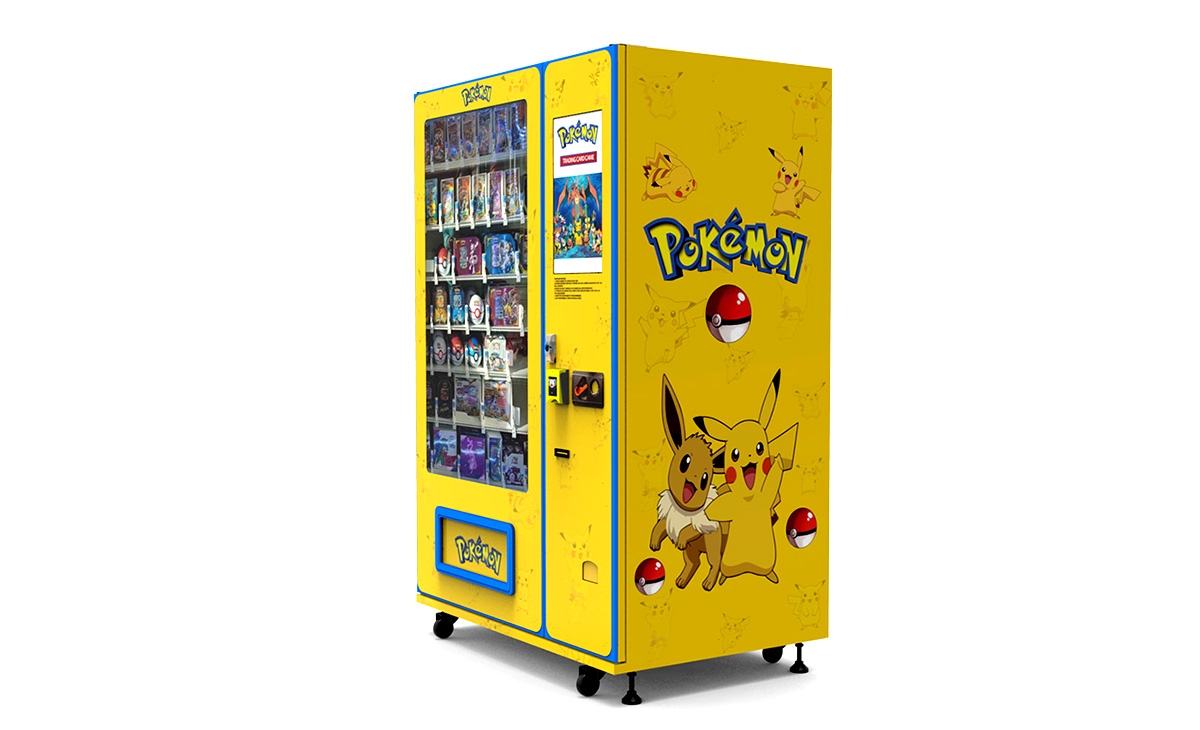
What sells in one location may not sell in another. A machine in a gym should stock protein bars, water, and electrolyte drinks. A machine in a factory break room should have chips, candy, and soda. I once stocked a machine in a medical office with healthy snacks only. It failed because the staff wanted their chocolate bars. Track your sales data and adjust. If an item does not sell in two weeks, replace it. Do not let dead inventory sit on the shelves.
Not Having a Backup Plan for Breakdowns
When your machine goes down, you lose revenue and you risk losing the location. If the machine is broken for more than a week, the location manager may ask you to remove it. Have a relationship with a vending machine repairman before you need one. Keep a stock of common spare parts: coin mechs, control boards, and refrigeration thermostats. If you have a remote monitoring system, you can often catch problems early. But when the machine stops working entirely, you need someone who can get there fast.
How to Evaluate a Machine Before You Buy
Whether you are buying new or used, check these things:
- Refrigeration system: Does it cool to the correct temperature consistently? A failing compressor is expensive to replace.
- Payment system: Is it modern enough to accept cards and mobile payments? If not, factor in the cost of an upgrade.
- Physical condition: Rust, dents, and worn-out door seals indicate poor maintenance.
- Control board: Is it a common model with available replacement parts? Obscure boards are hard to find when they fail.
- Energy efficiency: Older machines consume more electricity. In Europe, where energy costs are high, an inefficient machine can add €200 to €400 per year to your operating expenses.
I always ask the seller for service history. If they cannot provide it, I assume the machine has hidden problems. A reputable dealer will let you test the machine before you pay. If they refuse, walk away.
Different Business Models: Self-Operated vs. Route vs. Partnership
| Model | Upfront Cost | Profit Potential | Workload | Risk |
|---|---|---|---|---|
| Self-operated (you own and service) | High | Highest | High (you do everything) | Moderate |
| Route operator (you manage multiple machines) | Moderate to high | High with scale | High but scalable | Moderate |
| Lease from supplier | Low | Lower (monthly fees) | Low (supplier handles repairs) | Low |
| Profit-sharing with location | None | Lowest | Low | Low |
I started as a self-operator with three machines. It taught me everything about vending machine repair, product rotation, and customer preferences. Once I had a solid route of 15 machines, I hired a part-time helper for restocking and repairs. That freed me up to focus on finding new locations. Leasing can be a good entry point if you have limited capital, but you will never build significant equity in the equipment.
FAQ: Common Questions from Beginners
Is a vending machine business profitable?
Yes, but it is not passive income. Profitability depends on location, product mix, and how well you control maintenance costs. Most operators I know earn a net profit of $100 to $300 per machine per month after all expenses. Scaling to 20 machines can yield a decent full-time income, but you will work for it.
How much does one vending machine cost?
A new machine costs between $3,000 and $15,000 depending on features. Used machines range from $1,200 to $5,500. Factor in the cost of a payment system upgrade if the used machine only takes cash.
How long does it take to break even?
With a well-placed machine, expect 18 to 30 months to recover your initial investment. If you buy a cheap used machine that needs frequent vending machine repair, the break-even point can stretch to 3 years or more.
Should I buy or lease a vending machine?
Buy if you have the capital and want long-term profit. Lease if you want to test the business with low upfront risk. Just be aware that leasing contracts often include penalties for early termination and may lock you into higher monthly costs.
Where should I place my first machine?
Look for locations with at least 50 daily visitors who are captive, meaning they cannot easily leave the building. Factories, warehouses, hospitals, and large office buildings are solid choices. Avoid locations with direct competition from a convenience store or cafeteria.
What permits do I need?
In the US, you need a business license and a seller's permit. Some states require a vending machine license. In Europe, check with your local Chamber of Commerce. If you sell perishable food, you must comply with local food safety regulations. The European Vending & Coffee Service Association (EVA) offers guidance on hygiene standards.
How do I choose a vending machine supplier?
Look for suppliers with at least five years in business, a track record of reliable equipment, and availability of spare parts. I have had good experiences with Zhongda Smart for smart machines with remote monitoring. Avoid suppliers who cannot provide references or a warranty on used equipment.
What happens when my machine breaks down?
You call a vending machine repairman. If you are handy, you can fix common issues like coin jams or stuck motors yourself. For refrigeration or control board problems, you need a professional. That is why I recommend having a repair contact before you buy your first machine.
How can I reduce restocking and maintenance costs?
Use remote monitoring to track inventory and machine health. That way you only visit when necessary. Also, standardize your product lineup across machines so you buy in bulk. Negotiate with distributors for better pricing on popular items.
Final Thoughts from a Decade in the Business
Vending is not a get-rich-quick scheme. It is a solid small business that rewards attention to detail and consistent effort. The biggest lesson I have learned is that the machine itself is just a tool. Your success comes from choosing the right location, maintaining your equipment, and listening to what your customers actually buy. Keep a reliable vending machine repairman on speed dial, track your numbers, and do not be afraid to move a machine if it underperforms. The business has treated me well over the years, and I believe it can work for you too if you go in with realistic expectations and a willingness to learn.
This article was updated in October 2025. Market conditions and prices may vary by region. Always verify local regulations and consult a professional before making investment decisions.