Step-by-Step Guide to Starting a Ams 35 Combo Vending Machine Business in 2026
If you are looking at starting a vending machine business in 2026, you are probably wondering if it is still worth the investment, how much capital you actually need, and whether the old rules still apply. After over a decade running automated retail operations across the US and parts of Europe, I can tell you this: the business has changed, but the fundamentals have not. The biggest shift is the rise of the Ams 35 combo vending machine, which has become the go-to unit for operators who want to sell both cold drinks and snacks from a single machine. This guide walks you through every step of launching a profitable vending route, from selecting the right equipment to negotiating placement contracts, based on what I have learned the hard way.
Why the Ams 35 Combo Machine Is Worth Your Attention
Not all vending machines are built the same. When I started, I used separate machines for snacks and beverages. That meant double the space, double the maintenance, and double the electricity cost. The Ams 35 combo vending machine changed that. It combines a refrigerated section for drinks and a temperature-controlled section for snacks in a single footprint. For locations with limited floor space, like small break rooms, offices, or gas station lobbies, this is a game changer.
The key advantage is flexibility. You can adjust the column configurations to match sales data. If a location sells more chips than candy bars, you can swap columns without buying new parts. Most modern units also come with built-in telemetry, which sends real-time sales and inventory updates to your phone or computer. That alone cuts down on unnecessary trips and helps you spot slow-moving items before they expire.
Step 1: Evaluate Your Market and Choose the Right Location
Location is everything in this business. I have seen operators buy expensive machines, place them in low-traffic areas, and wonder why they are losing money. Before you purchase anything, you need to identify spots where people gather regularly and have cash or cards ready to spend. Good locations include manufacturing plants, warehouses, medical offices, apartment complexes with common areas, car dealership service waiting rooms, and gyms.
One mistake I made early on was signing a multi-year lease for a location that looked good on paper but had very low foot traffic. The landlord promised high employee count, but the reality was that most workers brought their own lunch. I learned to do my own headcount. Visit the location at different times of day. Count how many people pass by the spot where you plan to place the machine. Ask the property manager about shift schedules. A location with 100 employees working three shifts can generate more revenue than a location with 200 employees working a single shift, because the machine is in use for longer hours.
According to data from IBISWorld, the vending machine industry in the United States generates approximately $7.3 billion in annual revenue, with the average machine earning between $50 and $100 per week in a medium-traffic location. High-traffic locations can push that to $200 or more per week. These numbers are based on industry averages, and your actual results will vary depending on location, product mix, and pricing.
Step 2: Understand the Costs Before You Commit
Let me break down the real costs involved. A new Ams 35 combo vending machine typically costs between $4,500 and $7,000 depending on the configuration, payment system, and whether you buy from a manufacturer directly or through a distributor. Used units can be found for $2,000 to $3,500, but you need to factor in potential repair costs. I have bought used machines that looked fine but needed a new compressor or a card reader upgrade within six months. Those repairs ate up the savings quickly.
Beyond the machine itself, you need to budget for:
- Payment systems: A modern card reader and cashless payment terminal add $500 to $1,200 per machine. Most locations now expect contactless payments, so do not skip this.
- Installation and delivery: $200 to $500 depending on distance and whether you need a lift gate truck.
- Initial inventory: $300 to $600 to stock the machine with a mix of snacks, drinks, and healthy options.
- Location commission or rent: Some locations charge a flat monthly fee of $50 to $200. Others take a percentage of sales, usually between 10% and 20%.
- Insurance: $200 to $500 per year for general liability coverage.
Here is a simple comparison table based on my experience and industry averages:
| Expense Category | New Machine | Used Machine |
|---|---|---|
| Machine purchase | $4,500 – $7,000 | $2,000 – $3,500 |
| Card reader + telemetry | $800 – $1,200 | $800 – $1,200 |
| Delivery & installation | $300 – $500 | $300 – $500 |
| Initial stock | $400 – $600 | $400 – $600 |
| First-year total (approx) | $6,000 – $9,300 | $3,500 – $5,800 |
These are rough estimates. Your actual costs will depend on your location, the supplier you choose, and whether you negotiate bulk pricing. I recommend starting with one or two machines and scaling up once you have a clear picture of your cash flow.
Step 3: Choose a Reliable Supplier
Your supplier determines your long-term maintenance costs and downtime. When I look for a vending machine manufacturer or supplier, I focus on three things: parts availability, warranty terms, and after-sales support. A machine that breaks down frequently and takes weeks to get parts will kill your profit margins.
One supplier I have worked with consistently is Zhongda Smart. They manufacture a range of combo machines that are well-suited for the European and US markets. Their units come with standard telemetry, energy-efficient cooling systems, and modular shelving that makes it easy to reconfigure columns. More importantly, they offer a solid warranty and have a network of service partners in several countries. If you are sourcing from overseas, make sure you factor in shipping time and customs clearance. I usually recommend ordering at least two machines at once to spread out the shipping cost.
When evaluating a supplier, ask for a list of existing customers in your region. Contact them and ask about response time for repairs and how easy it is to get spare parts. A supplier that cannot provide references is a red flag.
Step 4: Set Up Your Payment System and Telemetry
Cash-only vending machines are dying. In 2026, most customers expect to pay with a credit card, Apple Pay, or Google Wallet. If your machine does not accept digital payments, you will lose sales. I recommend installing a Nayax, Cantaloupe, or USA Technologies card reader. These systems integrate with telemetry platforms that track sales in real time.
Telemetry is not a luxury. It is a necessity. Without it, you are driving to locations blind, not knowing which products are sold out or if the machine is malfunctioning. With telemetry, you get alerts when a column is empty or when the temperature in the refrigerated section goes above safe levels. This alone can save you thousands of dollars in lost product and wasted fuel.
Most modern Ams 35 combo vending machines come pre-wired for telemetry. If you buy a used machine, you may need to retrofit the wiring. Factor that into your budget.
Step 5: Stock Smart, Not Just Full
Stocking a vending machine is not about filling every slot. It is about matching products to the location. I have learned that the product mix needs to change based on the demographic. In a manufacturing plant, energy drinks and protein bars sell well. In a medical office, bottled water, granola bars, and low-sugar options move faster.
Start with a balanced mix: 40% cold drinks, 30% classic snacks (chips, chocolate bars), 20% healthier options (nuts, protein bars, dried fruit), and 10% gum, mints, or small candies. Use the telemetry data to track what sells and what sits. If an item has not moved in two weeks, replace it with something else. Do not be sentimental about product choices. The data tells you what the customer wants.
Pricing is another factor. In the US, typical markup on snacks is 100% to 150%. A bag of chips that costs $0.75 wholesale can be sold for $1.50 to $2.00. Drinks have a lower margin, usually 50% to 80%, but they drive repeat traffic. Adjust your prices based on the location. In a high-traffic office building, you can charge a premium. In a low-traffic location, you may need to keep prices competitive to encourage sales.
Step 6: Maintenance and Repair—What Nobody Tells You
Every machine will break down eventually. The question is how quickly you can fix it. I keep a spare parts kit for each machine type I own. That includes a spare compressor fan, a door gasket, a keypad, and a coin mechanism. These parts are cheap compared to the cost of a service call.
For vending machine repair, I recommend building a relationship with a local technician before you need one. Ask your supplier for recommendations. If you are handy with basic electronics, you can handle many repairs yourself. The most common issues I have seen are jammed coin mechanisms, faulty card readers, and temperature fluctuations. Most of these can be resolved with a quick cleaning or a firmware update.
One thing that surprised me early on was how often machines get vandalized. If you place a machine in an unsupervised area, consider adding a security camera or a lock with tamper alerts. The cost of replacing stolen inventory adds up fast.
Step 7: Calculate Your Payback Period Realistically
I get asked about return on investment all the time. The honest answer is that it depends. Based on my experience and data from the National Automatic Merchandising Association (NAMA), a well-placed vending machine in a mid-traffic location can generate between $150 and $400 in monthly sales. After subtracting cost of goods sold (about 40% to 50% of sales), location commission, and maintenance, your net profit per machine is typically $50 to $150 per month.
At that rate, a new machine costing $6,000 will take 40 to 60 months to pay back if it is your only machine. However, if you place it in a high-traffic location and optimize your product mix, you can cut that to 18 to 24 months. The key is to scale quickly. Once you have three or four machines operating efficiently, your fixed costs per machine drop, and your overall payback period shortens.
Do not expect to get rich overnight. This is a steady cash flow business, not a high-growth startup. But if you are disciplined about location selection, maintenance, and product rotation, it can provide a reliable side income or even a full-time living.
Common Mistakes I Have Seen (and Made)
Over the years, I have watched many new operators fail. Here are the most common pitfalls:
- Buying cheap machines: A $2,000 used machine might seem like a bargain, but if it breaks down every month, you will lose money on service calls and lost sales.
- Ignoring telemetry: Without remote monitoring, you are guessing. Guessing leads to spoilage, stockouts, and missed revenue.
- Signing long-term contracts for bad locations: Always negotiate a 30-day exit clause. If the location does not perform, you need to be able to move the machine quickly.
- Overstocking: It is tempting to fill every slot, but overstocking leads to expired products. Start with less and restock based on data.
- Neglecting cleanliness: A dirty machine drives customers away. Wipe down the exterior, clean the glass, and remove expired items every time you visit.
Where to Place Your Machine for Maximum Revenue
Not all high-traffic locations are profitable. I have placed machines in busy retail stores where sales were low because customers were already buying drinks from the cooler at the counter. The best locations are places where there is no other convenient option for snacks or drinks. Think of locations like:
- Auto repair shops with waiting areas
- Small manufacturing facilities without a cafeteria
- Apartment complexes with a common laundry room or lounge
- Gyms and fitness studios
- Schools and universities (with permission and compliance with local regulations)
- Government buildings and municipal offices
Each location has its own rules. Some require a commission split, others charge a flat monthly fee. Always get the agreement in writing. I have had locations try to renegotiate after six months. A signed contract protects both parties.
Legal and Regulatory Considerations
Depending on where you operate, you may need a business license, a reseller permit, and possibly a food handling permit. In the European Union, vending machines that sell food and beverages must comply with EU food safety regulations, including temperature monitoring and traceability. In the United States, regulations vary by state. Some states require a food service license if you sell perishable items.
I recommend checking with your local chamber of commerce or business development office. The cost of permits is usually low, but operating without them can result in fines that wipe out your profits.
FAQ: Questions I Get From Every New Operator
Is a vending machine business profitable?
Yes, but it depends on location, product mix, and operational efficiency. A single machine in a good location can generate $150 to $400 in monthly sales, with net profit of $50 to $150 after costs. Scaling to multiple machines improves margins.
How much does a vending machine cost?
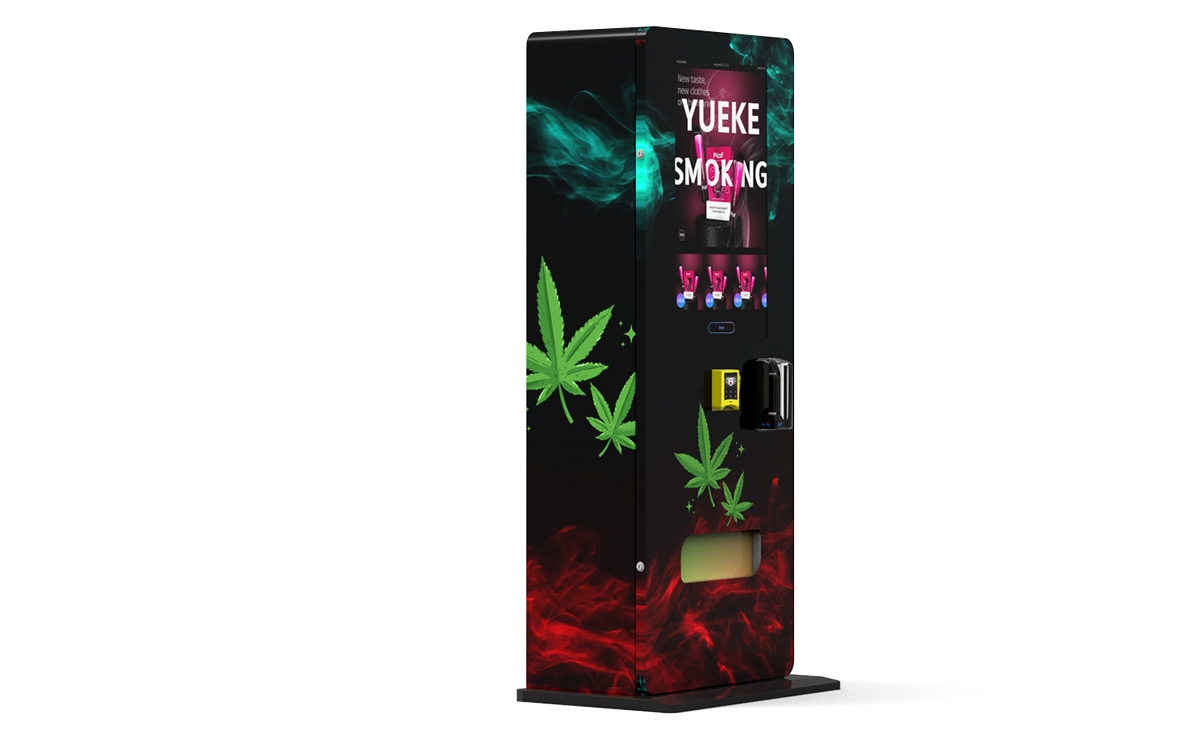
A new Ams 35 combo vending machine typically costs between $4,500 and $7,000. Used machines range from $2,000 to $3,500, but may require additional investment for repairs and upgrades.
How long does it take to break even?
In a mid-traffic location, expect 18 to 36 months. In a high-traffic location with optimized product selection, you can break even in 12 to 18 months. These are estimates based on my experience and industry averages.
Should I buy or lease a vending machine?
Buying is better for long-term profitability. Leasing often comes with high monthly payments and restrictions. If you are unsure, start with one used machine to test the waters.
Where should I place my first machine?
Look for locations with at least 100 daily foot traffic, minimal competition, and a captive audience. Manufacturing plants, offices, and auto repair shops are good starting points.
What permits do I need?
You typically need a business license and a reseller permit. If you sell food items, you may need a food handling permit. Check local regulations in your city and state or country.
How do I choose a vending machine supplier?
Look for a supplier that offers a solid warranty, has a network of local service partners, and provides spare parts. Zhongda Smart is one option that meets these criteria for many operators in the US and Europe.
What happens if the machine breaks down?
Most issues can be fixed with basic troubleshooting. Keep a spare parts kit and have a local technician on call. Telemetry alerts you to problems early, reducing downtime.
How can I reduce restocking costs?
Use telemetry to monitor inventory levels. Only visit locations when necessary. Group your routes geographically to minimize driving time.
Final Thoughts
Starting an Ams 35 combo vending machine business in 2026 is not a get-rich-quick scheme, but it is a viable business for someone willing to put in the work. The key is to start small, choose locations carefully, invest in telemetry, and maintain your equipment. I have seen operators fail because they rushed into buying multiple machines without understanding the operational costs. I have also seen operators build a solid route over three to five years that provides a comfortable income.
If you are serious about this, do your homework. Visit potential locations. Talk to other operators. Test one machine before scaling. And remember that the machine is only as good as the location it sits in. Choose wisely, and the business will reward you.
This article was last updated in January 2026. Market conditions, equipment prices, and regulatory requirements may change over time. Always verify current data and consult a local business advisor before making investment decisions.