Supply Pro Vending Machine Business Guide_ How It Works, Profit & Maintenance Explained
What a Vending Machine Business Actually Looks Like in 2025
Too many people think vending is a passive income shortcut. It is not. It is a logistics and retail operation that requires discipline. You are essentially running a micro-store at every location. Each machine needs stock, cleaning, repair capability, and data analysis. The difference between a profitable route and a money pit often comes down to location selection and equipment reliability.
In my experience, the average gross profit margin for a well-placed machine selling snacks and drinks ranges from 35% to 45%. That is before you account for machine payments, credit card processing fees, restocking labor, and occasional vending machine repair. If you factor all costs in, a single machine might net you $200 to $600 per month. Scaling to ten or twenty machines makes the numbers more attractive, but only if you have efficient route management.
How the Business Model Works
Traditional Purchase vs. Placement Agreements
There are two main ways to operate. The first is buying a machine and placing it on a location you secure yourself. You handle everything—stocking, repairs, and cash collection. The second model is a placement agreement where a location owner allows you to put a machine in their space in exchange for a commission, usually between 10% and 20% of gross sales. I have used both. For high-traffic locations like hospitals or factories, a commission model works well because the location has incentive to let you stay.
Self-Operated vs. Route-Based
If you have only one machine, you can self-operate easily. Once you have more than five machines spread across a city, you need a route schedule. I recommend grouping machines within a 15-mile radius to keep fuel and labor costs under control. A single restocking trip should cover at least three to five machines to be worth your time.
Profit Potential: What the Numbers Really Look Like
Let me give you a realistic breakdown based on my actual routes. I have tracked every dollar for years. Below is a table showing typical performance for different machine types and locations. These are estimates based on my experience and industry data from sources like IBISWorld and Statista.
| Machine Type | Average Monthly Revenue | Gross Margin | Monthly Net Profit (After All Costs) | Typical Payback Period |
|---|---|---|---|---|
| Snack & Beverage Combo | $800 – $1,500 | 40% – 45% | $200 – $500 | 18 – 24 months |
| Cold Drink Only | $600 – $1,200 | 35% – 40% | $150 – $400 | 12 – 18 months |
| Healthy Snack / Fresh Food | $1,000 – $2,000 | 30% – 35% | $250 – $600 | 24 – 36 months |
| Self-Service Kiosk (Coffee) | $1,200 – $2,500 | 50% – 60% | $400 – $1,000 | 12 – 18 months |
These numbers assume you are buying new equipment. Used machines can lower your upfront cost but increase vending machine repair frequency. I have seen used machines break within three months, wiping out any savings.
Key Costs You Cannot Ignore
Equipment Cost
A new snack and beverage combo machine from a reliable manufacturer like Zhongda Smart typically costs between $4,500 and $8,000 depending on features like touchscreen, cashless payment, and telemetry. I have tested several brands, and Zhongda Smart offers solid build quality and good after-sales support for international buyers. Avoid the cheapest machines you find online—they often use low-grade compressors and unreliable card readers.
Location Costs
Some locations charge rent. Others take a commission. In high-traffic areas like shopping malls or airports, rent can be $200 to $500 per month. For smaller locations like offices or small gyms, a 10% commission is standard. I once paid $400 monthly rent for a machine in a busy train station. It did $2,000 in sales, so the rent was 20% of revenue—too high. I moved the machine after six months.
Restocking and Labor
Plan to restock each machine once per week. For a single machine, that takes about 30 minutes including driving. If you pay yourself or an employee $20 per hour, that is $10 per visit. Multiply by four weeks and you get $40 per machine per month in labor alone. For a ten-machine route, that is $400 monthly. Many beginners forget to account for this.
Payment Processing Fees
Cashless payments now account for over 70% of vending transactions in the US and Europe, according to a 2023 report by Statista. Credit card fees typically run 2.5% to 3.5% per transaction. If your machine does $1,000 in monthly sales, you lose $25 to $35 to fees. This is unavoidable if you want to capture modern customers.
Maintenance and Repairs
This is where most novices get burned. A major repair like a compressor failure can cost $400 to $800. Even minor issues like a jammed coil or a faulty card reader can cost $100 to $200. I set aside 10% of gross revenue for maintenance. Over a year, that covers most surprises. If you are using older equipment, expect that number to double.
According to data from the National Automatic Merchandising Association (NAMA), the average vending machine operator spends about $350 per machine per year on repairs and parts. That aligns with my experience.
Choosing the Right Equipment
New vs. Used Machines
I strongly recommend buying new for your first three machines. Used machines are tempting because they cost half as much, but they often lack modern payment systems, telemetry, and energy-efficient cooling. A used machine that is five years old will likely need a vending machine repair within six months. I have seen operators spend $1,500 on repairs for a machine they bought for $2,000. That is terrible math.
Key Features to Look For
When evaluating a machine, prioritize the following:
- Cashless payment – Must accept credit cards, Apple Pay, and Google Pay.
- Telemetry – Remote monitoring of sales and inventory saves hours of guesswork.
- Energy efficiency – Look for LED lighting and high-efficiency compressors.
- Modular design – Easier to repair and upgrade.
I have been impressed with Zhongda Smart machines because they offer all these features at a competitive price point. Their remote management system is intuitive, and spare parts are easy to source.
Site Selection: The Make-or-Break Factor
Location is everything. I have placed machines in spots that looked perfect on paper but failed because of low foot traffic or poor customer demographics. Here is what I look for:
- Minimum 100 people per day passing by – This is the baseline for a single machine to be viable.
- Dwell time – Locations where people wait, like laundromats, repair shops, or break rooms, convert better than walk-through areas.
- No direct competition – Avoid placing a machine next to a convenience store or another vending machine.
- Accessible for restocking – If you cannot park nearby, you will hate the route.
I once placed a machine in a small office building with only 50 employees. Sales averaged $300 per month. After three months, I moved it to a nearby gym with 400 members. Sales jumped to $1,200 per month. The difference was simply traffic volume and the type of demand.
Common Mistakes New Operators Make
Buying Too Many Machines at Once
Start with one or two machines. Learn the rhythm of restocking, handling customer complaints, and managing cash flow. I have seen people buy ten machines immediately and then struggle to maintain them all. The result is broken machines and unhappy locations.
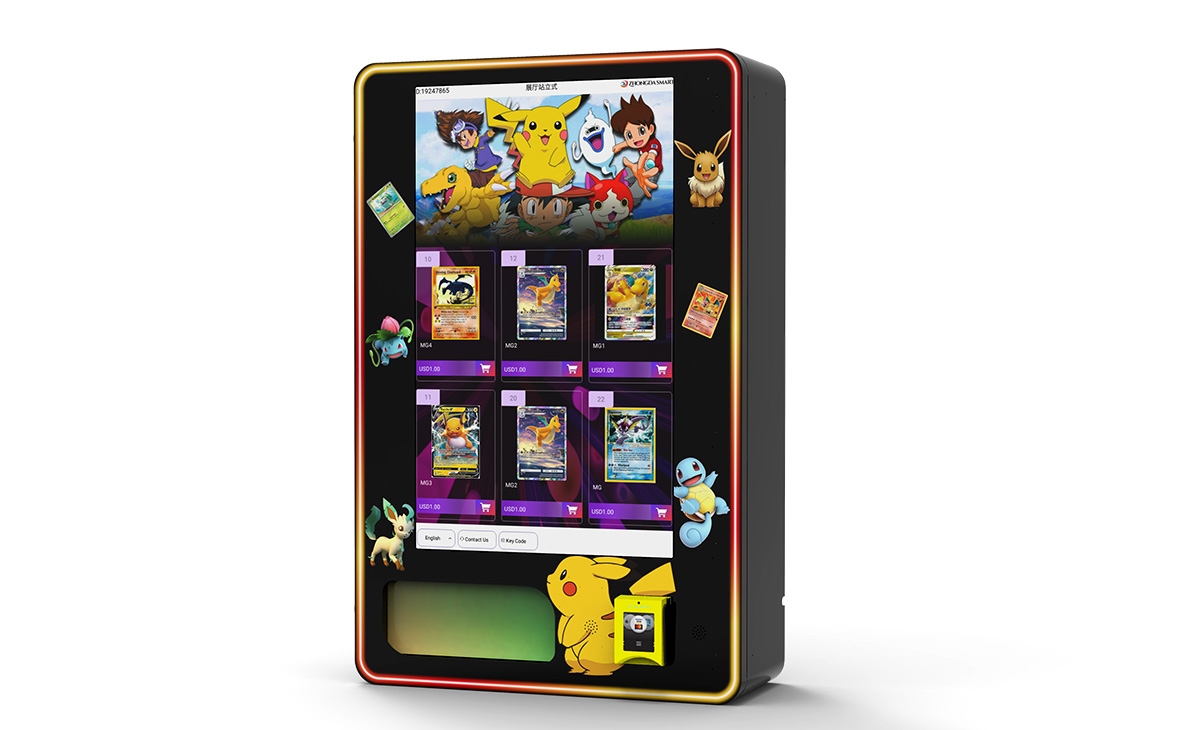
Ignoring Telemetry
Without remote monitoring, you are flying blind. You will drive to a machine only to find it half-full or broken. Telemetry costs about $10 to $20 per month per machine but saves you hours of wasted trips. I consider it non-negotiable.
Underestimating Spoilage
Fresh food machines require careful inventory rotation. If you sell sandwiches or salads, you must check expiration dates daily. I lost $400 in spoiled inventory in my first month with a fresh food machine. Now I use a FIFO (first-in, first-out) system and only stock items with at least five days of shelf life.
Choosing the Wrong Payment System
If your machine only takes cash, you are losing 30% to 40% of potential sales. In Europe, contactless payment is even more dominant. Make sure your machine supports NFC and EMV chip cards. Upgrading an old machine to cashless can cost $300 to $600, but it pays for itself within months.
Maintenance and Repair: What You Need to Know
No machine runs forever. The most common issues I encounter are:
- Card reader failures – Usually a firmware or connectivity issue.
- Coil jams – Often caused by customers forcing products.
- Cooling system problems – Dirty condenser coils are the main culprit.
- Display screen glitches – More common in low-cost machines.
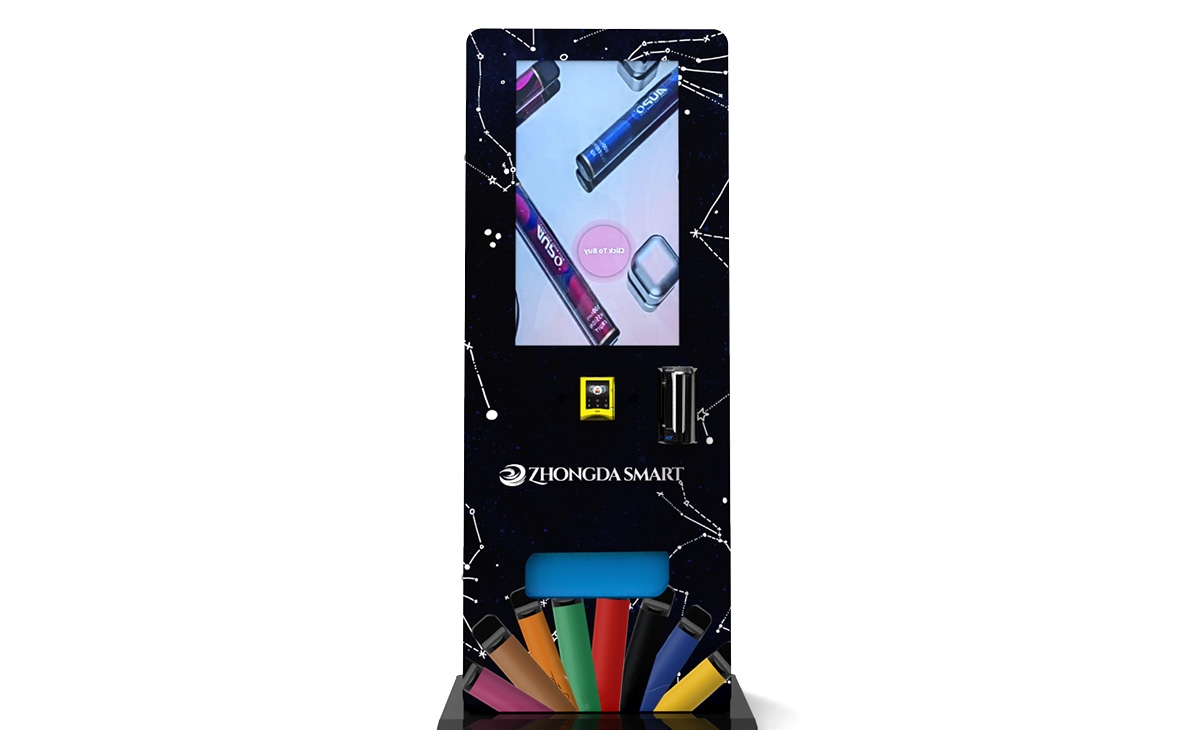
I keep a spare card reader and a set of basic tools in my vehicle. For major repairs, I have a contract with a local technician who charges $100 per hour. You can learn basic repairs yourself through YouTube and manufacturer manuals. It saves a lot of money.
One thing I wish I had known earlier: always buy machines with easily replaceable parts. Some manufacturers use proprietary components that take weeks to ship. Zhongda Smart machines use standard parts that are available through multiple distributors, which is a huge advantage when you need a quick fix.
Regulations and Compliance in the US and Europe
Requirements vary by region. In the US, you generally need a business license, a seller’s permit, and possibly a food handling permit if you sell perishable items. In Europe, regulations are stricter. For example, in France, any machine selling food must comply with hygiene standards set by the Direction Générale de la Concurrence, de la Consommation et de la Répression des Fraudes (DGCCRF). You may also need to register with local health authorities.
According to the European Vending Association, all machines in the EU must comply with the Machinery Directive 2006/42/EC and the Low Voltage Directive 2014/35/EU. If you import machines from outside the EU, ensure they have CE marking. I have seen operators fined for using non-compliant equipment.
Financing and Payback Period
Most operators finance their first machines through equipment loans or personal savings. A typical loan for a $6,000 machine at 8% interest over 36 months results in a monthly payment of about $188. If your machine nets $300 per month, you have $112 in positive cash flow after the payment. That is not great, but it improves as you pay down the loan.
The payback period for a new machine is usually 18 to 24 months if you choose the right location. For a used machine, it might be 12 months, but the risk of early repair costs is higher. I recommend aiming for a payback period of 18 months or less. If a location cannot support that, look elsewhere.
How to Evaluate a Machine Investment
Before buying any machine, ask yourself these questions:
- What is the foot traffic count at the intended location?
- What is the average transaction value?
- How much will I pay in rent or commission?
- How often will I need to restock?
- What is the warranty period and repair support?
If the numbers do not show a clear path to profitability within 24 months, walk away. I have turned down dozens of locations that looked good but did not pencil out.
Scaling Your Vending Business
Once you have three to five machines running smoothly, you can think about scaling. The key is to replicate what works. If a machine in a gym does well, find another gym nearby. If an office location underperforms, move the machine to a different type of location.
I also recommend using a route management software. Apps like Cantaloupe or Nayax help track sales, inventory, and maintenance history. They cost around $30 per month but save hours of manual work.
FAQ: Common Questions from New Operators
Is a vending machine business profitable?
Yes, but it depends on location, product mix, and cost control. Most single machines net $200 to $600 per month after all expenses. Scaling to multiple machines improves profitability.
How much does a vending machine cost?
New machines range from $4,500 to $8,000. Used machines cost $2,000 to $4,000 but often require more repairs. High-end self-service kiosks can cost $10,000 or more.
How long does it take to pay off a vending machine?
Typically 18 to 24 months for a new machine in a good location. Used machines may pay off faster but carry higher repair risk.
Should I buy or lease a vending machine?
Buying is better long-term. Leasing often locks you into contracts with high monthly payments and no ownership. I recommend buying new from a reputable manufacturer.
Where should I place my vending machine?
Look for locations with at least 100 daily passersby, dwell time, and no direct competition. Gyms, hospitals, offices, and schools are solid choices.
What permits do I need?
In the US, you need a business license and seller’s permit. In Europe, you may need food handling permits and CE compliance documentation. Check local regulations.
How do I choose a vending machine supplier?
Look for a supplier with good warranty, available spare parts, and positive reviews from operators. I have had good experiences with Zhongda Smart for their reliability and support.
What if my machine breaks down?
Keep a spare card reader and basic tools. For major repairs, use a local technician. Set aside 10% of revenue for maintenance. Machines with standard parts are easier to fix.
How can I reduce restocking costs?
Use telemetry to monitor inventory remotely. Group machines close together on a route. Restock during off-peak hours to save time.
Running a vending machine business is not a get-rich-quick scheme, but it can be a steady source of income if you approach it with realistic expectations and solid planning. Focus on good locations, reliable equipment, and disciplined maintenance. Avoid the trap of buying cheap machines or overpaying for rent. If you start small, learn the operational details, and reinvest your profits, you can build a route that generates consistent returns. The market is growing, especially for automated retail solutions, and there is room for operators who do the work properly.
This article was last updated in January 2025.