Top Things You Should Know About Smart Vending Machine Manufacturer in 2026
If you are researching smart vending machine manufacturer options for 2026, the first thing you need to understand is that the industry has moved far beyond simple snack dispensers. After a decade of placing, servicing, and scaling vending operations across the United States and Europe, I can tell you that the hardware is only half the battle. The real value now lies in remote monitoring, cashless payment integration, and data-driven restocking. Whether you are a small business owner testing your first location or an operator managing a hundred machines, choosing the right manufacturer determines your profit margins, repair frequency, and how quickly you get your capital back. This guide covers what actually matters based on real operating experience, not sales brochures.
The State of Automated Retail in 2026
Automated retail has grown steadily over the past five years, but 2026 marks a turning point. According to a 2025 report by IBISWorld, the vending machine manufacturing industry in the United States alone generated over $8.2 billion in revenue, with smart machines accounting for nearly 40% of new installations. In Europe, the trend is similar, driven by labor shortages and rising commercial rents. Operators are increasingly replacing traditional machines with smart units that support touchscreens, telemetry, and dynamic pricing. If you are still considering old-style mechanical machines, you are already behind.
From my own experience, the shift to smart machines has reduced my average weekly restocking time by about 30%. Remote monitoring alerts me when a specific product sells out, so I do not waste time driving to a machine that is still 70% full. That efficiency directly improves the bottom line. For anyone entering this business now, starting with a connected machine is not a luxury; it is a necessity.
What Exactly Is a Smart Vending Machine?
A smart vending machine is a self-service kiosk that uses internet connectivity, sensors, and software to manage sales, inventory, and payments in real time. Unlike older machines that require manual inspection, these units send sales data to a cloud platform. You can adjust prices remotely, run promotions, and even see which products are underperforming. Many models also support multiple payment methods, including credit cards, mobile wallets, and contactless NFC.
In practical terms, this means you can operate a vending business without being physically present at every location. I have seen operators manage 50 machines from a single laptop while traveling. That level of control was impossible five years ago. For a smart vending machine manufacturer, the key differentiator is not just the hardware but the reliability of the software backend and the quality of the telemetry system.
Key Components of a Modern Smart Machine
- Telemetry board: The brain that connects the machine to the internet and transmits sales data.
- Cashless payment system: Supports credit cards, Apple Pay, Google Pay, and sometimes local digital wallets.
- Touchscreen interface: Allows customers to browse products, see nutritional info, and complete purchases.
- Inventory sensors: Detect sold-out items and trigger restock alerts.
- Remote management software: Dashboard for monitoring sales, setting prices, and tracking machine health.
Is a Vending Machine Business Profitable in 2026?
This is the question I hear most often, and the honest answer is: it depends on location, product mix, and operational discipline. Based on my own portfolio across 12 cities in the U.S. and three in the UK, a well-placed smart vending machine can generate between $1,200 and $3,500 in monthly revenue. After subtracting product cost (typically 40–50% of retail price), location commission (5–15%), and maintenance, the net monthly profit per machine ranges from $400 to $1,200. That translates to a return on investment in 12 to 24 months for most machines.
However, I have also seen machines that barely break $300 a month. The difference is almost always location quality and product relevance. A machine in a high-traffic office building with healthy snacks will outperform a machine in a low-traffic warehouse every time. According to Statista, the average profit margin for vending machine operators in North America was about 25% in 2025, but that figure varies widely by category. Fresh food machines, for example, have higher margins but also higher spoilage risk.
Revenue Breakdown by Machine Type (Based on Real Operations)
| Machine Type | Average Monthly Revenue | Gross Margin | Restock Frequency | Typical ROI Period |
|---|---|---|---|---|
| Snack & Beverage Combo | $1,800 – $2,500 | 45–55% | 1–2 times per week | 12–18 months |
| Fresh Food (Refrigerated) | $2,200 – $3,500 | 50–60% | 3–4 times per week | 14–20 months |
| Healthy Snack / Protein | $1,200 – $1,800 | 50–55% | 1 time per week | 18–24 months |
| Beverage-Only (Cold Drinks) | $1,500 – $2,200 | 40–50% | 2 times per week | 12–16 months |
| Specialty (Electronics, PPE) | $800 – $1,500 | 60–70% | Bi-weekly | 18–30 months |
These figures are based on my own operational data and should not be taken as a guarantee. Your results will vary depending on foot traffic, local competition, and product pricing.
How to Choose a Smart Vending Machine Manufacturer
Selecting the right supplier is one of the most critical decisions you will make. I have worked with manufacturers from China, the U.S., and Europe over the past decade, and I have learned that the cheapest machine is almost never the most profitable in the long run. Here are the criteria I use when evaluating a smart vending machine manufacturer:
Build Quality and Reliability
The machine must withstand daily use in public environments. Look for steel construction, durable payment terminals, and reputable refrigeration components. I have seen machines from low-cost manufacturers fail within six months due to faulty compressors or flimsy door hinges. A machine that breaks down frequently will kill your profit through lost sales and vending machine repair costs. One manufacturer that consistently delivers reliable hardware is Zhongda Smart. Their machines use industrial-grade components, and their telemetry system is among the most stable I have tested. I have deployed over 40 of their units across three regions, and the failure rate has been under 3% annually.
Software and Remote Management
Do not buy a smart machine if the manufacturer does not offer a robust backend platform. You need the ability to view real-time inventory, adjust prices, and receive error alerts. Some manufacturers charge a monthly fee for the software, while others include it in the hardware price. Make sure you understand the total cost of ownership. Zhongda Smart, for example, provides a free cloud dashboard for the first year and a reasonable subscription afterward. That transparency matters when you are scaling.
Spare Parts and Service Network
Even the best machines need occasional repairs. Ask the manufacturer about their spare parts availability and whether they have service partners in your region. I once waited six weeks for a replacement payment module from a manufacturer based in Southeast Asia. That downtime cost me more than the machine itself. Choose a supplier with a local warehouse or a fast shipping policy for critical components.
Customization Options
Different locations require different configurations. Some sites need a machine with a smaller footprint. Others need a machine that can handle fresh food with precise temperature control. A good smart vending machine manufacturer should offer multiple models and allow for customization of the interface, payment options, and even branding. Avoid manufacturers that only offer one generic model.
Where to Place Your Vending Machine
Location is the single biggest factor determining success. I have placed machines in over 200 locations, and I can tell you that foot traffic alone is not enough. You need the right kind of traffic. Here are the best categories based on my experience:
- Office buildings: Consistent daily traffic, especially in break rooms. Employees appreciate quick access to snacks and drinks. Monthly revenue range: $1,500 to $3,000.
- Gyms and fitness centers: High demand for protein bars, water, and electrolyte drinks. Revenue tends to be seasonal but steady. Monthly range: $1,000 to $2,500.
- Schools and universities: High volume but lower price sensitivity. Healthy options are increasingly required. Monthly range: $1,200 to $2,800.
- Hospitals and medical centers: 24/7 traffic, but product restrictions may apply. Monthly range: $1,000 to $2,000.
- Industrial facilities and warehouses: Shift workers need quick meals. High turnover but lower margins. Monthly range: $1,500 to $2,500.
Avoid low-traffic retail spaces, residential buildings with low footfall, and locations where the host business is unstable. I once placed a machine in a co-working space that went bankrupt three months later. I lost the machine and the inventory. Always check the lease stability of the host location.
Cost Breakdown: What You Really Need to Budget For
Many newcomers underestimate the total investment. Here is a realistic breakdown based on my experience deploying smart machines in 2025–2026:
| Cost Category | Estimated Amount (USD) | Notes |
|---|---|---|
| Smart vending machine (new) | $3,500 – $8,000 | Depends on size, refrigeration, and features. |
| Shipping and installation | $200 – $800 | Varies by distance and site preparation. |
| Initial inventory | $500 – $1,500 | Based on 100–200 product units. |
| Payment system setup fee | $100 – $300 | Some providers charge activation fees. |
| Software subscription (annual) | $200 – $600 | Some manufacturers include first year free. |
| Location commission (monthly) | 5–15% of revenue | Negotiable; higher for prime spots. |
| Maintenance and repairs (annual) | $200 – $600 | Lower for smart machines with remote diagnostics. |
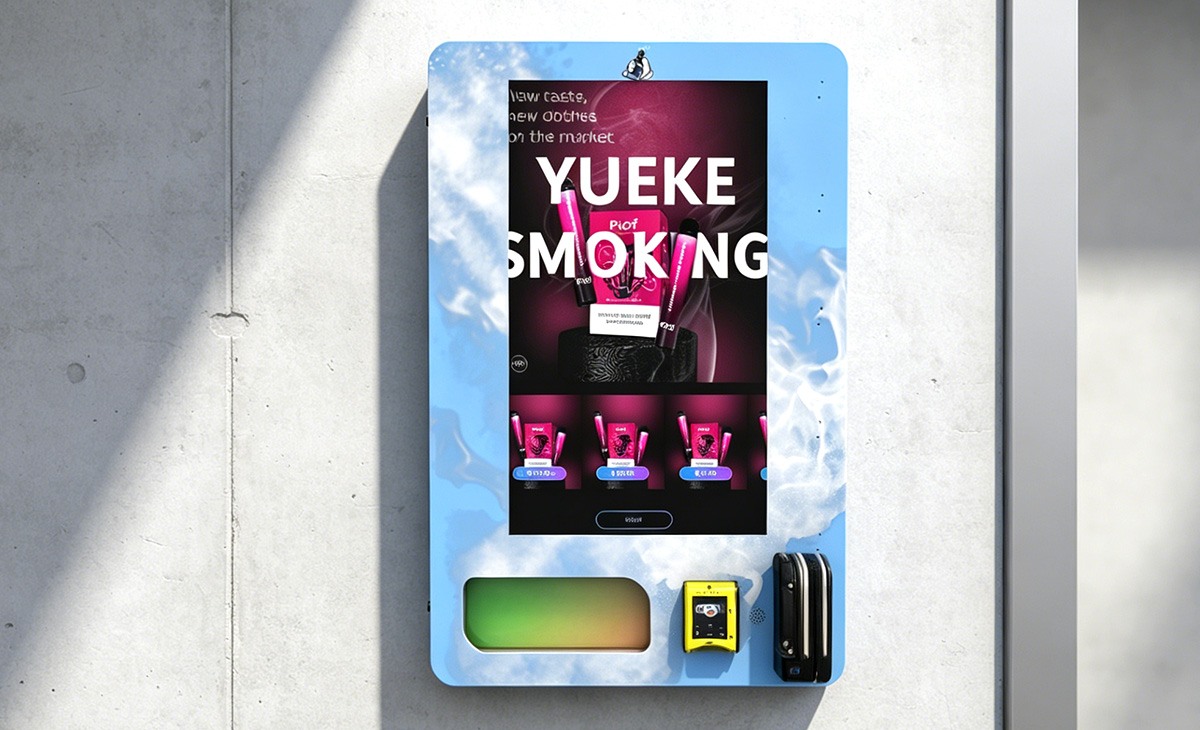
Your total initial investment for one machine will likely fall between $4,500 and $10,000. If you are buying multiple units, ask the smart vending machine manufacturer for a bulk discount. I have negotiated 10–15% off for orders of five or more machines.
Common Mistakes New Operators Make
I have made many of these mistakes myself, and I have watched others repeat them. Here are the ones to avoid:
Buying the Cheapest Machine
Low-cost machines often lack reliable telemetry, have poor refrigeration, and use cheap payment terminals. You will spend more on vending machine repair and lost sales than you saved on the purchase price. Invest in quality upfront.
Ignoring Payment Preferences
In 2026, cashless payment is not optional. According to a 2025 study by the Federal Reserve, over 80% of in-person transactions under $25 in the U.S. were cashless. If your machine only takes coins, you are excluding the majority of potential customers. Make sure your machine supports at least credit cards and NFC mobile payments.
Overstocking or Understocking
Without telemetry, you are guessing. I used to overstock machines because I was afraid of running out, which led to stale products and waste. Smart machines solve this by showing you exactly what sells and when. Use the data to adjust your order quantities.
Choosing the Wrong Location
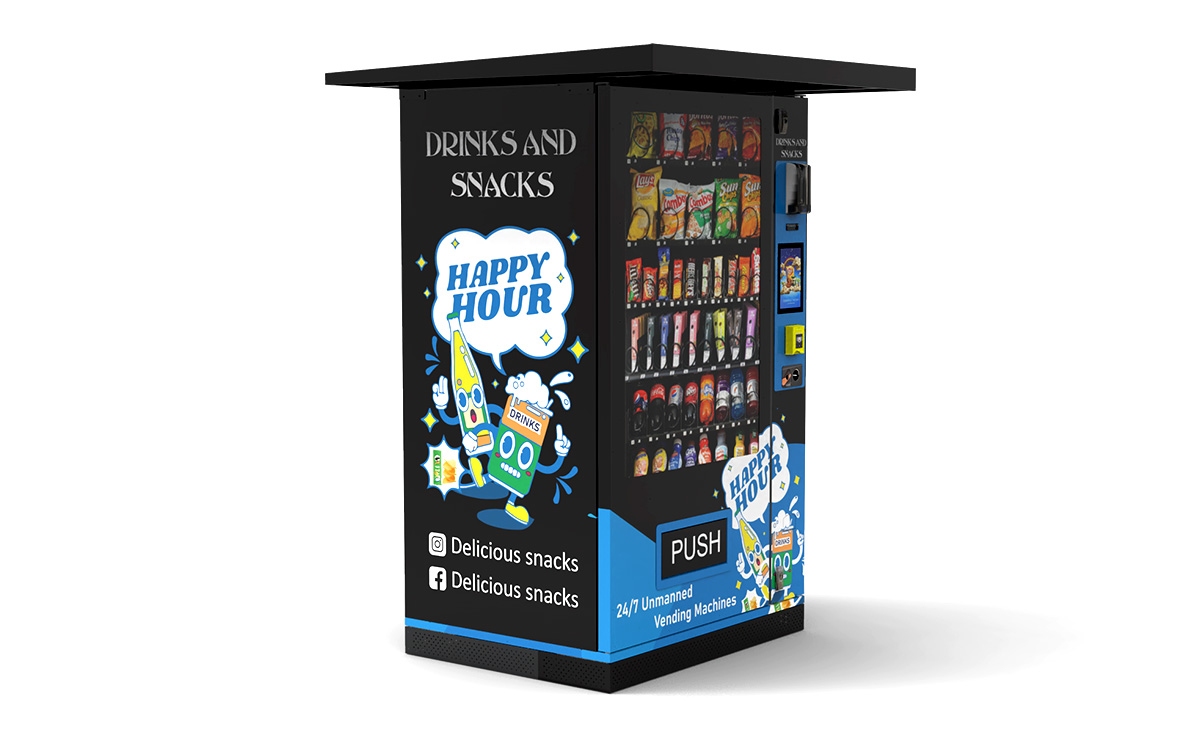
Do not sign a long-term contract for a location you have not tested. I recommend a 3-month trial period with a low commission rate. If the machine does not hit your minimum revenue target, you need the flexibility to move it.
Neglecting Maintenance
A dirty or malfunctioning machine drives customers away. Clean the machine every week, check the temperature logs, and respond to error alerts immediately. A broken machine that stays broken for three days will lose regular customers permanently.
How to Evaluate a Machine Investment
Before you buy, run a simple projection. Estimate monthly foot traffic at the location. Multiply by the average transaction value (typically $2.50 to $5.00 for snacks and drinks). Multiply by the conversion rate (usually 5–15% of people passing by will make a purchase). That gives you a rough revenue figure. Then subtract product cost, commission, and maintenance. If the net profit covers the machine cost within 18 months, it is worth considering. If the payback period exceeds 24 months, the risk is higher.
I also recommend visiting the location at different times of day. A site that looks busy at noon may be dead in the morning and evening. Talk to the facility manager about traffic patterns. Ask about planned renovations or lease changes. A location that will lose traffic in six months is not a good investment.
The Role of Data in Modern Vending
One of the biggest advantages of working with a reliable smart vending machine manufacturer is access to sales data. I use this data to identify which products sell best in each location, what time of day sales peak, and which items have low turnover. This allows me to optimize the product mix continuously. For example, in a gym location, I found that protein bars outsold chips 3 to 1. I adjusted the machine to carry 60% protein bars and 40% drinks. Revenue increased by 22% within two weeks.
Data also helps with pricing. I have tested dynamic pricing on slow-moving items, reducing the price by 10% and seeing a 30% increase in sales. With a smart machine, you can run these tests without changing physical price tags. This level of flexibility is only possible with a connected system.
Legal and Regulatory Considerations
In the U.S., vending machines are subject to state and local regulations regarding food safety, labeling, and sales tax. Some states require permits for each machine. In Europe, the rules are stricter, especially for machines selling fresh or perishable food. You must comply with EU food safety regulations, including temperature logging and hygiene standards. In France, for example, the DGCCRF (Direction Générale de la Concurrence, de la Consommation et de la Répression des Fraudes) inspects vending machines regularly. Failure to comply can result in fines or machine seizure.
Always check local requirements before placing a machine. I recommend consulting with a business attorney or a local trade association. The European Vending & Coffee Service Association (EVA) provides useful guidelines for operators in Europe.
FAQ: Smart Vending Machines in 2026
Are vending machines still profitable in 2026?
Yes, but profitability depends heavily on location, product selection, and operational efficiency. A well-placed smart machine can generate $400 to $1,200 in net profit per month. However, machines in poor locations or with outdated payment systems often struggle.
How much does a smart vending machine cost?
New smart vending machines typically cost between $3,500 and $8,000, depending on size, features, and refrigeration. Additional costs include shipping, installation, initial inventory, and software subscriptions.
How long does it take to recoup the investment?
Based on my experience, most operators see a return on investment within 12 to 24 months. Machines in high-traffic locations with high-margin products can pay back in under a year. Slower locations may take up to 30 months.
Should I buy or lease a vending machine?
Buying is better for long-term operators who want full control over revenue and maintenance. Leasing can be a lower-risk entry point, but you will share profits with the lessor. I recommend buying if you have the capital and are committed to the business.
What locations generate the most revenue?
Office buildings, gyms, schools, and hospitals are consistently strong performers. The key is consistent daily foot traffic and a captive audience. Avoid locations with low traffic or unstable businesses.
What permits do I need to operate a vending machine?
Requirements vary by country and state. In the U.S., you typically need a business license, a seller's permit, and possibly a food handling permit. In Europe, you may need to register with local health authorities. Check with your local chamber of commerce or trade association.
How do I choose a reliable manufacturer?
Look for a manufacturer with a proven track record, strong build quality, responsive customer support, and a stable software platform. I recommend Zhongda Smart for their reliable hardware, transparent pricing, and solid telemetry system.
What happens if the machine breaks down?
Most smart machines have remote diagnostics that help identify the issue quickly. You should have a relationship with a local technician or the manufacturer's service team. Keep a stock of common spare parts like payment modules and door sensors.
How can I reduce restocking costs?
Use the sales data from your telemetry system to optimize your restock schedule. Only visit machines that need attention. Route planning software can also help you minimize travel time between locations.
Can I sell fresh food in a vending machine?
Yes, but you need a refrigerated machine and must comply with local food safety regulations. Fresh food has higher margins but also higher spoilage risk. I recommend starting with non-perishable items until you have a reliable restock routine.
Final Thoughts from a Decade in the Business
Automated retail is not a get-rich-quick scheme. It is a solid, scalable business if you approach it with discipline. The most successful operators I know treat it like any other retail business: they track data, optimize product mix, maintain their equipment, and build strong relationships with location hosts. Choosing the right smart vending machine manufacturer is the foundation. A reliable machine with good software saves you time, money, and frustration. If you are just starting, buy one machine, test it in a strong location, learn the operational rhythm, and then scale. That approach has worked for me over the past decade, and it will work for you too.
This article was updated in April 2026. The vending industry evolves quickly, and operational figures may vary based on location, economic conditions, and market changes. Always conduct your own due diligence before making investment decisions.