Vending Machine Ice Cream Business Guide_ How It Works, Profit & Maintenance Explained
If you have been looking into starting a vending machine ice cream business, you probably want a straight answer: does it actually work, and can you make consistent money from it? After running automated retail operations across the US and parts of Europe for over a decade, I can tell you that ice cream vending is one of the most profitable niches in the self-service kiosk world—if you pick the right machine, the right location, and the right product mix. But it is also one of the most maintenance-heavy segments. Ice cream melts, freezers fail, and customers get frustrated fast when their treat comes out half-liquid. In this guide, I will walk you through how this type of automated retail business really works, what it costs to get started, what kind of profit margins you can expect, and how to keep your equipment running without burning through your margins on vending machine repair calls. This is not theory—this is what I have learned from placing hundreds of machines in high-traffic locations.
How a Vending Machine Ice Cream Business Actually Works
At its core, an ice cream vending machine is a refrigerated self-service kiosk that stores frozen products and dispenses them after payment. Unlike a standard snack machine, the unit must maintain a consistent sub-zero temperature, often between -18°C and -22°C, depending on the product. The machine uses a robotic arm or a spiral coil system to retrieve the item and drop it into a collection bin. Some newer models use a conveyor belt system to reduce damage to soft-pack items like ice cream bars or sandwiches.
Most machines in this niche are designed for outdoor placement, meaning they come with insulated cabinets, weather-resistant exteriors, and often a built-in heating system for the door seal to prevent frost buildup. The payment system typically accepts credit cards, mobile payments, and sometimes cash. In Europe, contactless payment is the standard, while in the US, card readers with NFC capability are now expected.
The business model is simple: you buy or lease the machine, stock it with ice cream products, and collect the revenue. The machine does the selling. Your job is to keep it stocked, clean, and operational. The key difference from a regular snack vending machine is the perishable nature of the product. You cannot leave ice cream for weeks. You need to rotate stock, monitor temperature logs, and respond quickly to any mechanical failure.
Is the Vending Machine Ice Cream Business Profitable?
Yes, but not every location delivers the same results. Based on my own operations and data from industry reports, a well-placed ice cream vending machine can generate between €600 and €2,500 per month in revenue during peak season. The gross margin on ice cream products is typically between 40% and 60%, depending on your wholesale pricing and the brand of products you carry.
According to a 2023 report from IBISWorld, the vending machine industry in the US alone generates over $7 billion annually, with frozen food and ice cream machines representing a growing segment. The profit margin for operators in this niche averages around 15% to 25% after all expenses, including product cost, location commission, electricity, and maintenance. That is a healthy margin compared to snack vending, which often sits closer to 10% after factoring in spoilage and theft.
However, the seasonality factor is real. In colder climates, sales drop significantly during winter months. Some operators move their machines indoors to malls or entertainment centers during winter to maintain volume. Others accept the off-season dip and plan their cash flow accordingly. I have seen operators fail because they assumed summer-level sales year-round. Do not make that mistake.
Key Factors That Determine Profitability
Location
Location is everything. A machine placed near a beach, a public pool, a theme park, or a busy train station in a warm climate can do three to four times the volume of a machine in a quiet office building. I have tested both. The difference is not subtle. You want locations with high foot traffic, dwell time, and a natural demand for cold treats. Think places where people are already hot or looking for a quick indulgence.
One of my best-performing machines sits outside a community sports center in southern France. It does about €1,800 a month in summer. Another machine inside a corporate cafeteria in a northern city barely does €300. The location cost also varies. Some property owners charge a flat monthly fee for the space, while others take a commission on sales, typically between 10% and 20%. Negotiate hard, especially if you are bringing a high-quality machine and handling all maintenance.
Machine Quality and Reliability
Cheap machines cost more in the long run. I have seen operators buy low-cost units from unknown manufacturers only to spend half their first-year profits on vending machine repair. The freezer compressor, the door seal, and the payment system are the three most common failure points. If any of these go down, you lose sales and potentially lose the location if the machine stays broken for more than a few days.
When evaluating suppliers, look for machines with commercial-grade compressors, preferably from brands like Zanotti or Danfoss. Also check the insulation thickness—at least 60mm of polyurethane foam is standard for outdoor units. The payment system should support the latest contactless standards. I recommend working with established manufacturers that offer local service support. One supplier I have worked with repeatedly is Zhongda Smart. Their ice cream vending machines use industrial refrigeration components and come with remote monitoring capabilities, which saves you time on unnecessary site visits.
Product Selection
Do not just stock the cheapest ice cream you can find. Customers are willing to pay a premium for well-known brands like Magnum, Häagen-Dazs, or local premium brands. In the US, brands like Ben & Jerry's and Klondike perform well. In Europe, you will see higher margins with branded sticks and cones. Test five to eight SKUs initially, then drop the slow movers after two months. Track sales data religiously. The machine itself will tell you what sells if you pay attention to the inventory reports.
Costs: What You Need to Invest
Let me break down the typical costs based on my experience and publicly available data from the European Vending Association (EVA). These numbers are estimates and will vary by country, supplier, and location.
| Cost Category | Estimated Range (USD/EUR) | Notes |
|---|---|---|
| New ice cream vending machine | $6,000 – $18,000 | Depends on brand, size, and features (outdoor vs indoor) |
| Used or refurbished machine | $3,000 – $8,000 | Higher risk of breakdown; check compressor age |
| Initial stock (ice cream) | $400 – $1,200 | Based on 100–200 units at wholesale prices |
| Payment system (card reader) | $400 – $1,200 | Included in some new machines |
| Installation and delivery | $300 – $800 | Depends on distance and site prep |
| Monthly electricity cost | $50 – $150 | Higher in summer; outdoor units use more |
| Monthly location commission | 10–20% of sales or flat fee | Negotiable; varies by site |
| Monthly maintenance reserve | $50 – $200 | Set aside for repairs and cleaning |
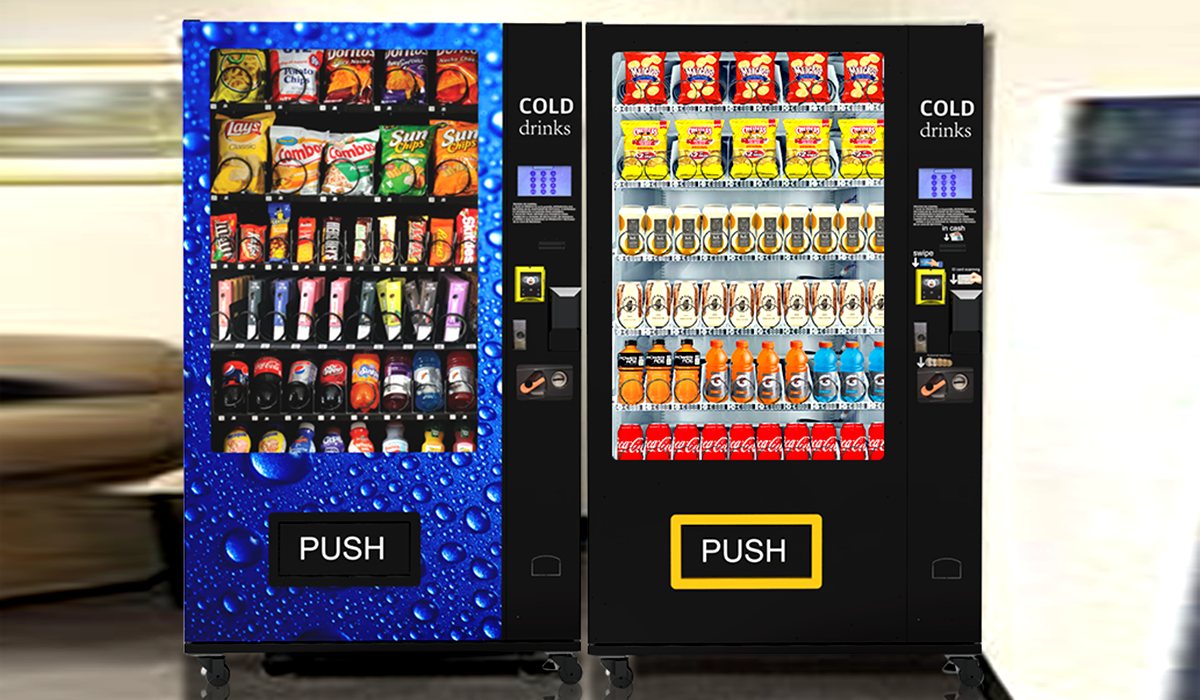
Your total upfront investment for a single machine in a good location will likely fall between $7,000 and $20,000. If you lease the machine, monthly payments range from $150 to $400, but you often end up paying more over three years. I prefer buying outright if you have the capital, because the machine becomes an asset and your only ongoing costs are stock, electricity, and maintenance.
Payback Period: How Long Until You Break Even?
Based on my operations and data from the National Automatic Merchandising Association (NAMA), a well-placed ice cream vending machine typically pays for itself within 12 to 18 months. If you buy a used machine and place it in a high-traffic summer location, you can sometimes hit break-even in 8 months. But if the location is mediocre, the payback can stretch to 24 months or more.
Here is a realistic scenario: You invest $12,000 in a new machine. Monthly revenue averages $1,200. After product cost (50% margin), electricity ($100), location commission (15% of sales = $180), and maintenance reserve ($100), your net monthly profit is about $420. That gives you a payback period of roughly 28 months. If you increase revenue to $1,800 per month, the payback drops to under 18 months. The math changes dramatically with location performance.
Maintenance: The Part Most Beginners Ignore
Ice cream vending machines require more maintenance than any other type of vending machine I have operated. The refrigeration system runs 24/7, and any failure means lost product and lost sales. Here are the most common issues I have encountered:
- Compressor failure: Often caused by dirty condenser coils or low refrigerant. Clean the coils every three months. In dusty environments, clean monthly.
- Door seal leaks: If the seal is damaged, frost builds up inside, and the compressor runs constantly. Replace seals immediately.
- Payment system errors: Card readers fail more often in outdoor machines due to temperature and humidity. Use a reader rated for outdoor use.
- Product jams: Ice cream bars can stick to the spiral or conveyor if the temperature fluctuates. Calibrate the machine regularly.
I recommend setting aside at least $50 per month per machine for vending machine repair and parts. If you are not handy with basic repairs, factor in a service contract with a local technician. That can cost $200 to $500 per year per machine but saves you from losing a location due to downtime.
How to Choose a Supplier or Manufacturer
Do not buy the first machine you see on Alibaba or a classified ad. I have made that mistake. Instead, evaluate suppliers based on three criteria: refrigeration quality, payment system compatibility, and after-sales support. Ask for references from operators in your region. If possible, visit a working machine before you buy.
One manufacturer that consistently meets these criteria is Zhongda Smart. Their machines come with remote monitoring, which lets you check temperature and sales data from your phone. They also offer customization for payment systems and branding. I have used their units in several locations and found the failure rate to be lower than average. That said, always verify that the supplier has a service partner in your country, because shipping a compressor from China takes weeks if something breaks.
Common Mistakes New Operators Make
Ignoring Location Quality
I have seen people buy a machine and then scramble to find a spot for it. That is backwards. Secure the location first, then buy the machine. A bad location will kill even the best equipment.
Buying the Cheapest Machine
A $4,000 machine might look like a deal, but if the compressor fails in six months, you will spend $1,200 on a replacement. Cheap machines also have thinner insulation, which means higher electricity bills and more temperature fluctuations.
Overstocking at Launch
Start with a small product range. You can always add more SKUs later. Overstocking leads to waste when products expire or get freezer burn.
Neglecting Temperature Monitoring
If you do not have remote temperature alerts, you will not know the machine is failing until a customer complains. Install a remote monitoring system from day one. Most new machines from reputable suppliers include this feature.
Best Locations for Ice Cream Vending Machines
Based on my experience and industry benchmarks from Statista, the best locations for ice cream vending machines are:
- Beachfronts and boardwalks
- Public swimming pools and water parks
- Amusement parks and fairgrounds
- Sports stadiums and outdoor event venues
- Bus and train stations in warm climates
- School campuses (with permission)
- Tourist attractions and city centers
Avoid low-traffic office buildings, residential areas without foot traffic, and indoor locations without air conditioning in summer. I placed a machine in a small office park once. It did €200 in the first month. I moved it to a public park entrance and revenue tripled.
How to Evaluate a Machine Investment
Before you buy, run these numbers. Estimate monthly foot traffic past the location. Assume a conversion rate of 1% to 3%, meaning 1 to 3 out of every 100 people passing by will buy. If the location gets 5,000 people per day, that is 50 to 150 sales per day. At an average sale of €3, that is €150 to €450 daily revenue. That is a home run location. More realistically, aim for locations with 500 to 2,000 daily passes. Then calculate your expected monthly revenue, subtract costs, and see if the payback period works for you.
Do not rely on the supplier's revenue projections. They are always optimistic. Use your own estimates based on real foot traffic counts. Stand at the location for a few hours on a busy day and count people. That is the only reliable way to predict sales.
FAQ: Vending Machine Ice Cream Business
Are ice cream vending machines profitable?
Yes, if placed in a high-traffic location with warm weather. Gross margins are 40–60%, and net profit after all expenses typically ranges from 15% to 25% of revenue. Seasonality affects profitability in colder climates.
How much does an ice cream vending machine cost?
A new commercial-grade machine costs between $6,000 and $18,000. Used machines range from $3,000 to $8,000 but come with higher maintenance risk. Leasing is an option at $150–$400 per month.
How long does it take to break even?
Typically 12 to 18 months for a well-placed machine. Some operators achieve break-even in 8 months with a used machine in a peak location. Poor locations can take over two years.
Should a beginner buy or lease a machine?
Buying is better if you have the capital and plan to operate long-term. Leasing reduces upfront cost but increases total cost over time. I recommend buying a new machine from a reputable supplier to minimize downtime.
Where is the best place to put an ice cream vending machine?
Beaches, pools, amusement parks, sports venues, and busy transit stations in warm climates. Avoid low-traffic offices and residential areas. Foot traffic of at least 500 people per day is a minimum threshold.
What permits or licenses do I need?
Requirements vary by country and city. In the US, you typically need a business license, a seller's permit, and possibly a health department permit for food vending. In Europe, check local regulations for distributeur automatique operations. Some cities require a specific permit for outdoor vending machines.
How do I choose a supplier?
Look for commercial-grade refrigeration, remote monitoring, and local service support. Ask for references. Zhongda Smart is one supplier I have used successfully, but verify that they have a service network in your region.
What happens if the machine breaks down?
You need a backup plan. If you are not comfortable with basic repairs, have a service technician on call. Remote monitoring helps you catch problems early. Always keep spare parts like door seals and payment readers on hand.
How can I reduce maintenance costs?
Clean condenser coils regularly, monitor temperature remotely, and use a surge protector for the electrical supply. Preventive maintenance is cheaper than emergency repairs. Set aside a monthly reserve for vending machine repair.
Do I need to restock every day?
No. Most machines hold 100 to 200 units. In a busy location, you might restock every 3 to 5 days. In slower locations, once a week is enough. Rotate stock to avoid freezer burn.
Disclaimer: The financial figures and timelines in this article are based on personal operational experience and publicly available industry data. Actual results vary depending on location, equipment, product pricing, and local economic conditions. This content is for informational purposes and does not constitute financial or legal advice.
本文更新于2025年3月。