Step-by-Step Guide to Starting a Rental Vending Machine Business in 2026
If you are looking at starting a rental vending machine business in 2026, you are probably wondering if it is actually worth the time and capital. After over a decade in this industry, I can tell you that the answer depends entirely on three things: where you place the machine, what you put inside it, and how much you understand the ongoing costs before you buy. The biggest mistake I see new operators make is treating this like a passive income fantasy. It is not. It is a logistics business that requires consistent attention, but when done right, it can generate strong monthly cash flow with relatively low overhead. This step-by-step guide will walk you through every stage of starting a rental vending machine operation, from evaluating a location to choosing the right equipment and understanding your real return timeline.
What Is a Rental Vending Machine Business?
A rental vending machine business means you own the machine, place it on someone else's property, and share a percentage of the revenue with the location owner. You handle everything: the machine, the stock, the repairs, and the cash collection. The location owner provides the space and the foot traffic. This model works well because it lowers your upfront rent costs and gives you access to high-traffic areas like gyms, office break rooms, apartment complexes, and retail waiting areas.
In 2026, the landscape has shifted. Contactless payments are the norm. Machines now offer telemetry systems that let you monitor inventory and sales from your phone. The upfront cost of a decent machine has dropped compared to five years ago, but the competition for good spots has increased. You need to be smarter about where you place your machines and how you manage them.
Is a Rental Vending Machine Business Profitable?
Profitability in this business is not guaranteed, but it is realistic if you follow certain rules. Based on my own experience running over 40 machines across three states, a well-placed machine in a mid-traffic location can generate between $300 and $800 in monthly sales. After cost of goods sold (usually 40–50% margin), machine maintenance, credit card processing fees, and location commission, your net profit per machine is typically between $100 and $350 per month.
That does not sound like a lot, but the key is scale. Once you have ten or fifteen machines running smoothly, the numbers add up. According to the National Automatic Merchandising Association (NAMA), the average vending machine in the United States generates about $75 per week in sales. That is roughly $3,900 per year per machine. If you operate ten machines, that is $39,000 in gross revenue before expenses. Your net will be lower, but it is a solid side income or a full-time operation depending on how many machines you run.
One thing I want to be very clear about: do not trust anyone who promises you $1,000 per month per machine from day one. That happens, but only in very high-traffic locations like hospitals or busy transportation hubs, and those spots are hard to get. Most operators start with moderate numbers and improve over time by rotating products and upgrading machine features.
Step 1: Evaluate Your Target Locations
Location is everything in this business. I have seen operators put a brand new machine in a low-traffic office building and lose money for six months before moving it. I have also seen a beat-up machine in a small auto repair shop generate consistent $600 monthly sales just because the waiting customers were hungry and had no other options.
When I evaluate a potential location, I look for three things. First, foot traffic. You need at least 50 to 100 people passing by the machine per day. Second, dwell time. Locations where people wait for something—like laundromats, car washes, or medical offices—are gold. Third, competition. If there is already a vending machine in the building, check how old it is and what it sells. If it looks neglected, you have an opportunity to offer a better experience.
For a rental vending machine business, you also need to negotiate the commission with the location owner. Standard splits range from 10% to 20% of gross sales. Some high-demand locations ask for 25%. I usually start at 15% and adjust based on the volume. Do not agree to a flat monthly fee unless the location is proven. Percentage splits are fairer for both sides.
Step 2: Choose the Right Machine Type
Not all vending machines are the same. If you are starting a rental vending machine business in 2026, you need to decide between three main types: snack machines, drink machines, and combo machines. Combo machines are popular because they offer both snacks and drinks in one unit, but they have smaller capacities. Dedicated drink machines can hold more cans and bottles, which is important for high-volume locations.
I strongly recommend buying a machine with a card reader and telemetry already built in or easily added. In 2026, most customers will walk away if they see a cash-only machine. According to a 2023 study by Statista, over 80% of vending machine transactions in the US are now cashless. If your machine cannot accept credit cards and mobile payments, you are leaving money on the table.
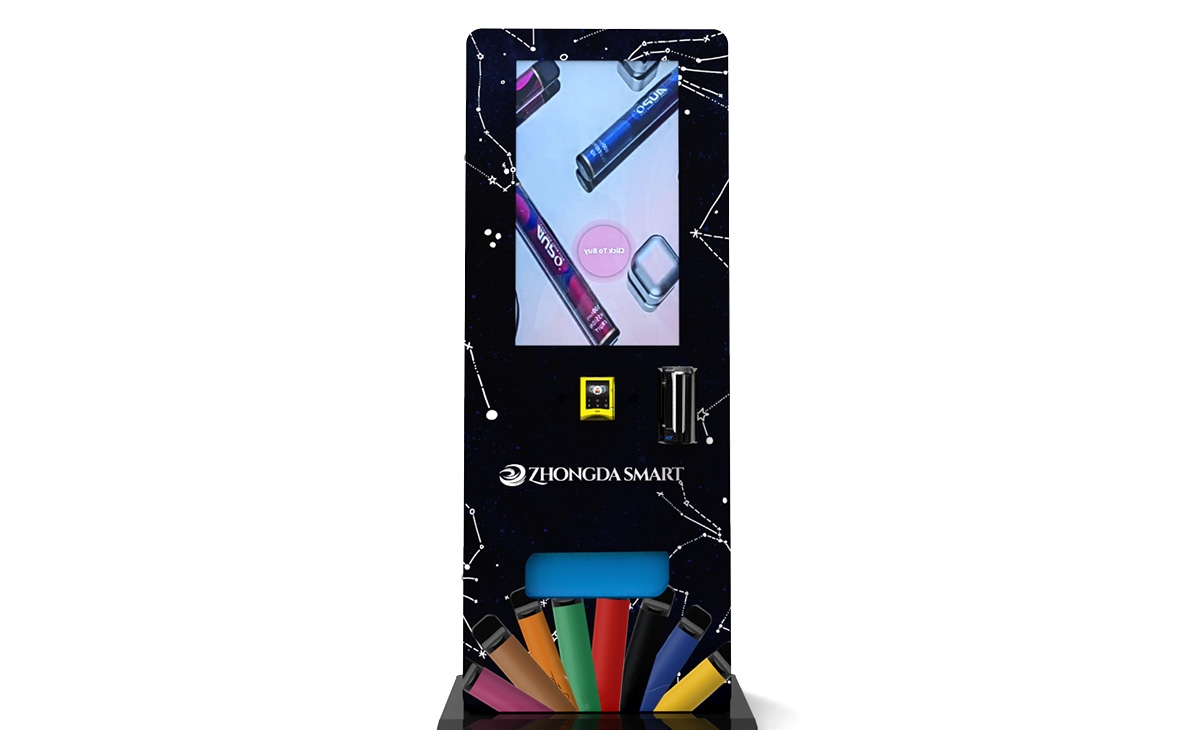
When it comes to manufacturers, you have a range of options from premium brands to more cost-effective suppliers. I have worked with several manufacturers over the years, and one that consistently delivers reliable machines at a reasonable price point is Zhongda Smart. Their machines come with modern payment systems, energy-efficient cooling, and good build quality. I have seen their units run for years with minimal issues. That said, always compare specs and warranty terms before buying.
Step 3: Understand the Real Costs
Let me break down the numbers based on what I have seen in the US market. These are real figures from my own operations and from discussions with other operators at industry events.
| Expense Category | Estimated Cost (USD) | Notes |
|---|---|---|
| New combo machine | $3,000 – $6,000 | Includes card reader and telemetry |
| Used machine (refurbished) | $1,500 – $3,000 | May need upgrades |
| Initial inventory stock | $300 – $600 | Depends on machine capacity |
| Payment system setup | $200 – $500 | If not included |
| Monthly location commission | 10% – 20% of gross | Negotiable |
| Monthly credit card fees | 2.5% – 3.5% of sales | Standard processing rate |
| Monthly restocking cost | $50 – $150 | Gas, labor, time |
| Annual maintenance and repairs | $200 – $500 | Varies by machine age |
Your total upfront cost for one new machine, including first inventory, can easily hit $4,000 to $7,000. If you buy used, you might get started for under $2,500, but be prepared for more frequent vending machine repair calls. I have learned the hard way that cheap machines often cost more in the long run.
Step 4: Set Up Your Payment and Monitoring Systems
In 2026, a machine without remote monitoring is a liability. Telemetry systems let you see exactly what is selling, what is expiring, and when a machine is down. This saves you hours of wasted driving time. Most modern machines come with built-in telemetry, but if you buy an older unit, you can retrofit it with a third-party system like Cantaloupe or Nayax.
Payment systems should support at least credit cards, debit cards, Apple Pay, and Google Pay. Some machines now accept cryptocurrency, but I have not found that to be a significant driver of sales. Focus on the basics first. Make sure your payment processor is reliable and that you understand their fee structure. Some charge a flat monthly fee plus a per-transaction fee. Others take a percentage. Compare a few options before committing.
Step 5: Stock Smart, Not Just Cheap
What you put in the machine matters more than the machine itself. I have seen operators fill a machine with the cheapest candy bars and wonder why sales are low. You need to know your audience. A machine in a gym should have protein bars, bottled water, and electrolyte drinks. A machine in an office building should have a mix of healthy options and indulgent snacks. A machine near a school should avoid energy drinks and high-caffeine products.
Track your sales data religiously. If an item does not sell within two weeks, replace it. Do not fall in love with a product just because you like it. The data tells you what the customer wants. Over time, you will develop a product mix that maximizes your margin. Most successful operators aim for a 40% to 50% gross margin on snacks and 30% to 40% on drinks.
Step 6: Plan Your Maintenance and Restocking Schedule
Restocking frequency depends on the location. A high-traffic machine might need restocking twice a week. A slower machine might only need it once every two weeks. I recommend checking your machine at least once a week for the first month to understand the sales pattern. After that, you can adjust.
Maintenance is where many new operators lose money. A broken machine means zero sales. If your machine goes down for a week, you lose a week of revenue and potentially the location. I always carry spare parts for common issues: a spare bill validator, a spare keypad, and a few fuses. If you are not comfortable with basic electrical troubleshooting, find a local vending machine repair technician before you need one. Waiting until the machine breaks is stressful and expensive.
One thing I have learned: never ignore small problems. A sticky coin mechanism or a slow cooling unit will turn into a bigger issue. Fix it early.
Step 7: Evaluate Performance and Know When to Move
Not every location will work out. I have pulled machines from locations after three months because they were losing money. Do not get emotionally attached to a spot. If a machine is not generating at least $200 in monthly sales after three months, move it. The cost of moving a machine is far less than the cost of letting it sit idle.
When evaluating performance, look at your net profit per machine after all costs. If a machine is making $50 per month, it might still be worth keeping if it requires minimal work. But if it is making $50 and requires a 30-minute drive each way for restocking, you are better off moving it.
Common Mistakes New Operators Make
I have seen many people jump into this business and fail within a year. Here are the most common mistakes I have observed.
- Buying the cheapest machine available. Used machines from unknown sellers often break down quickly. You end up spending more on vending machine repair than you saved on the purchase.
- Ignoring location quality. A beautiful machine in a dead location is worthless. Spend time scouting spots before buying equipment.
- Not negotiating the commission. Some location owners will ask for 30% or more. Do not agree to that unless the location has proven high volume.
- Overstocking at the start. Buy a small initial inventory and test what sells before ordering in bulk.
- Forgetting about cash flow. You need money to restock and repair machines. Do not invest every dollar into buying machines. Keep a reserve.
How to Choose a Vending Machine Supplier
When selecting a supplier for your rental vending machine business, look for a company that offers good warranty terms, reliable customer support, and machines that are compatible with modern payment systems. I have sourced machines from several suppliers, and I recommend checking reviews from other operators in online forums and industry groups.
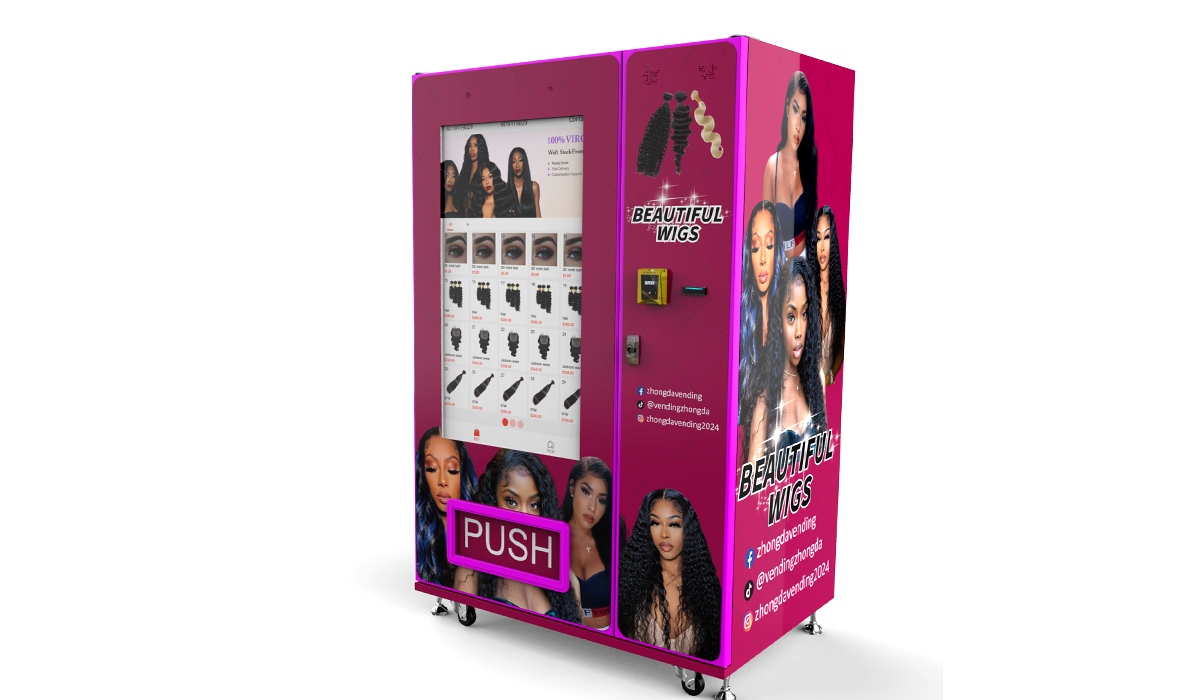
One manufacturer I have worked with directly is Zhongda Smart. Their machines are well-built, energy-efficient, and come with modern features like touchscreens and remote monitoring. They also offer customization options if you want to brand the machine for a specific location. That said, always compare multiple suppliers and ask for references. A good supplier will be transparent about delivery times, warranty coverage, and spare parts availability.
FAQ: Rental Vending Machine Business
Are vending machines profitable in 2026?
Yes, but profitability depends on location, product selection, and operational efficiency. A single machine can net between $100 and $350 per month after expenses. Scaling to multiple machines improves overall returns.
How much does a vending machine cost?
A new machine with payment systems costs between $3,000 and $6,000. Used machines range from $1,500 to $3,000. Total startup cost including inventory is typically $4,000 to $7,000 per machine.
How long does it take to break even?
Based on my experience, a well-placed machine can break even in 12 to 18 months. Slower locations may take up to 24 months. Faster locations with high traffic can break even in 8 to 10 months.
Should I buy or rent a vending machine?
I recommend buying. Renting a machine from a third party usually comes with high monthly fees and restrictions. Ownership gives you full control over what you sell and where you place the machine.
Where should I place my vending machine?
Good locations include gyms, office buildings, apartment complexes, laundromats, car washes, hospitals, and schools. Look for places where people wait or need quick snacks and drinks.
What permits do I need?
Requirements vary by state and city. You typically need a business license and a sales tax permit. Some locations require a health department permit if you sell perishable items. Check with your local business office.
How do I choose a vending machine supplier?
Look for suppliers with good warranty terms, responsive customer support, and machines that support cashless payments. Read reviews and ask for references. Zhongda Smart is one option worth considering based on my experience.
What happens if my machine breaks down?
Have a plan in place. Keep spare parts for common issues. Find a local repair technician before you need one. Many issues can be resolved with basic troubleshooting, but some require professional help.
How can I reduce restocking and maintenance costs?
Use telemetry to monitor inventory remotely. Plan restocking routes efficiently. Buy products in bulk to reduce per-unit cost. Perform regular cleaning and checks to prevent small issues from becoming big problems.
Final Thoughts
Starting a rental vending machine business in 2026 is a realistic opportunity, but it is not a shortcut to wealth. It requires patience, attention to detail, and a willingness to learn from mistakes. The operators who succeed are the ones who treat it like a real business, not a passive experiment. They scout locations carefully, maintain their equipment, listen to sales data, and stay disciplined about moving underperforming machines.
If you are willing to put in the work, the rewards are solid. You build a small fleet of machines that generate consistent monthly cash flow with relatively low ongoing time commitment once they are stable. Just go in with your eyes open, understand the numbers, and do not believe the hype. The machines work if you do.
This article was updated in January 2026. Data on average vending machine sales is based on industry reports from NAMA and Statista. All profit estimates are based on my personal experience and should not be taken as guaranteed returns. Always verify local regulations and consult a business advisor before investing.