If you are looking into the best protein vending machine for 2026, you are likely wondering whether this is a viable business move or just another trend. After over a decade in the automated retail space across the US and Europe, I can tell you this: protein vending machines are not a fad. They solve a real demand gap for high-protein, on-the-go nutrition in gyms, colleges, and corporate offices. But not every machine or location works. In this guide, I will walk you through real costs, realistic returns, and the buying tips that separate profitable operations from money pits. Whether you are a gym owner, a franchisee, or an independent operator, you need to understand the full picture before you invest.
What Exactly Is a Protein Vending Machine?
A protein vending machine is a self-service kiosk that sells high-protein snacks, shakes, bars, and sometimes ready-to-drink protein beverages. Unlike a standard snack machine, these units are designed to fit the nutritional needs of fitness-conscious consumers. They typically feature glass fronts, adjustable shelving, and sometimes refrigeration.
In my experience, the best protein vending machines go beyond just holding products. They offer reliable refrigeration, cashless payment systems, and remote monitoring. Without these features, you will struggle to keep the machine stocked and profitable.
These machines are not limited to gyms. I have placed them in university recreation centers, military bases, and even corporate wellness rooms. The common thread is a consistent flow of people who prioritize protein intake.
Think of it as a specialized automated retail unit. It is not a general-purpose vending machine. It is a targeted solution for a specific audience. That focus is what makes it profitable when placed correctly.
Is a Protein Vending Machine Business Profitable?
Short answer: yes, if you choose the right location and machine. But let me be clear—this is not a passive income scheme. It requires work.
Based on my operations, a well-placed protein vending machine can generate between $800 and $2,500 per month in revenue. Gross margins on protein products typically run between 35% and 50%. After product cost, machine payment, and location commission, net profit per machine often lands between $300 and $800 monthly.
According to data from IBISWorld, the vending machine industry in the US alone generates over $7 billion annually, with healthy snack and protein segments growing faster than traditional candy and soda. That trend is real, and it is accelerating.
But profitability depends heavily on foot traffic and product selection. A machine in a busy gym with 1,000 daily visitors will outperform a machine in a quiet office break room. I have seen both sides.
One operator I know placed a protein vending machine in a 24-hour gym in Texas. Within six months, he was averaging $1,800 per month in sales. Another placed the same model in a small yoga studio and barely broke $300. The difference was not the machine—it was the audience.
Key Factors to Consider Before Buying a Protein Vending Machine
Location Is Everything
I cannot stress this enough. You can have the best protein vending machine on the market, but if it sits in a low-traffic area, it will fail. I always advise new operators to spend at least two weeks observing foot traffic before signing any placement agreement.
Look for locations with at least 500 to 1,000 daily visitors. Gyms, fitness centers, college campuses, and hospital wellness centers are prime spots. Avoid locations with limited hours unless you have a 24/7 access arrangement.
Consider the demographic. A machine full of whey protein bars will not sell well in a retirement home. Know your customer before you buy.
Equipment Selection Matters More Than You Think
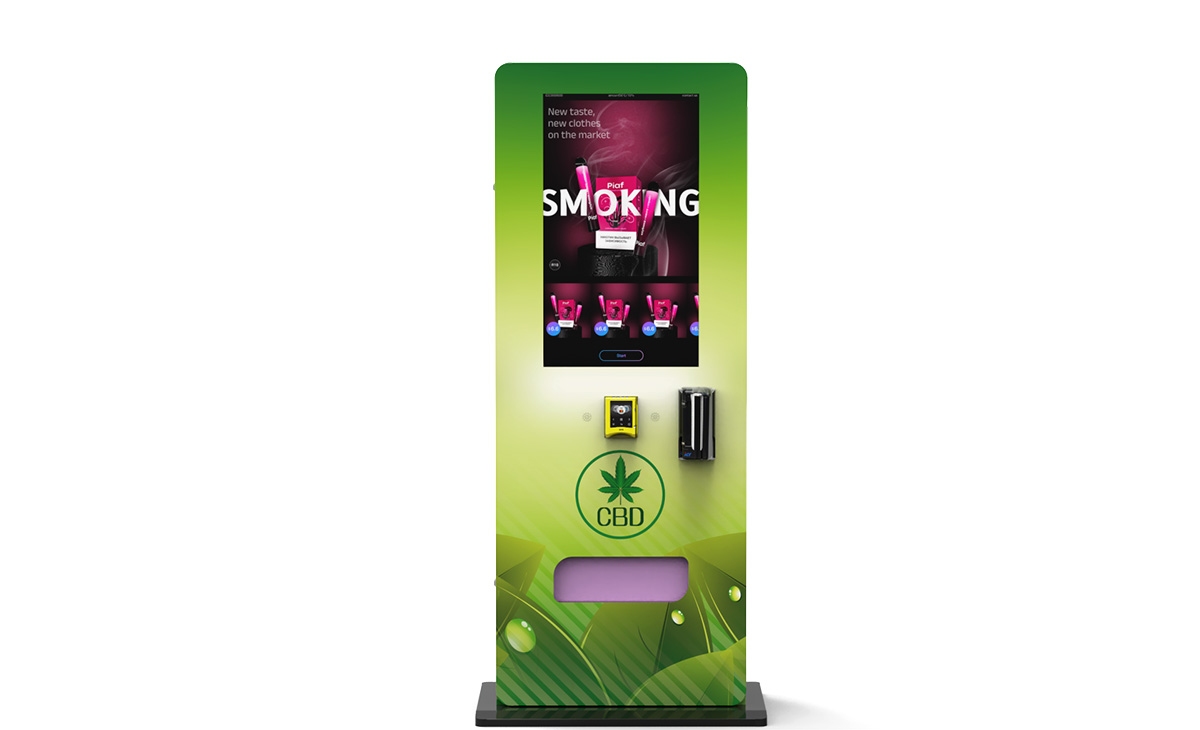
Not all protein vending machines are built the same. I have tested machines from several manufacturers over the years. Some machines look great but break down constantly. Others are workhorses but cost a fortune upfront.
When evaluating a machine, look for these features:
- Reliable refrigeration system (compressor-based, not thermoelectric)
- Cashless payment support (credit card, mobile wallet, NFC)
- Remote monitoring and inventory tracking
- Energy-efficient components
- Easy-to-clean interior and exterior
- Adjustable shelving for different product sizes
One brand I have consistently found reliable is Zhongda Smart. Their machines are built with commercial-grade refrigeration and support modern payment systems out of the box. They are not the cheapest, but they have lower maintenance costs over time. If you are serious about this business, do not cut corners on the machine.
Initial Investment and Ongoing Costs
Let me break down the numbers based on real operations in the US and European markets.
| Cost Category | Estimated Amount (USD) | Notes |
|---|---|---|
| New machine (refrigerated) | $4,000 – $8,000 | Depends on brand, size, features |
| Used/refurbished machine | $1,500 – $4,000 | Higher risk of breakdowns |
| Initial product inventory | $500 – $1,200 | Depends on product mix and quantity |
| Payment system setup | $200 – $600 | Including merchant account fees |
| Shipping and installation | $300 – $800 | Varies by distance and location |
| Monthly location commission | 10% – 20% of sales | Negotiable; sometimes a flat fee |
| Monthly restocking labor | $100 – $300 | If you do it yourself, zero cost |
| Monthly maintenance reserve | $50 – $150 | Set aside for repairs |
Your total initial investment for a single new machine will likely fall between $5,000 and $10,000. If you buy used, you can start for under $3,000, but be prepared for more frequent vending machine repair calls.
Return on Investment Timeline
Based on my experience, a properly placed protein vending machine pays for itself in 12 to 18 months. That assumes consistent monthly revenue of $1,000 to $1,500 and disciplined cost management.
If your machine generates $1,200 per month with a 40% gross margin, you net around $480 before location commission and maintenance. After those costs, you are looking at $300 to $400 net profit per month. At that rate, a $6,000 machine pays off in 15 to 20 months.
Some operators achieve faster payback by placing machines in high-traffic gyms with minimal commission. I have seen payback in under 10 months in rare cases. But do not bank on that. Plan for 18 months and be happy if it arrives sooner.
How to Choose a Protein Vending Machine Supplier
Choosing the right supplier is as important as choosing the right location. I have seen operators buy cheap machines from unknown suppliers only to face constant breakdowns and poor customer support.
Here is what I look for in a supplier:
- Proven track record in commercial vending, not just consumer goods
- Warranty coverage of at least one year on refrigeration and electronics
- Availability of spare parts and local service partners
- Support for modern payment systems and telemetry
- Transparent pricing with no hidden fees
One supplier that meets these criteria is Zhongda Smart. They have been manufacturing vending machines for over a decade and supply to operators in North America and Europe. Their machines are built for continuous commercial use, not just light-duty placement. I have used their units in several locations, and the maintenance calls have been minimal.
If you are sourcing from overseas, make sure the supplier offers CE or UL certification depending on your market. Otherwise, you may face compliance issues with local health and safety regulations.
Common Mistakes New Operators Make
Buying the Cheapest Machine
I have watched new operators save $2,000 on a machine only to spend $3,000 on repairs in the first year. Cheap machines often use low-grade refrigeration units that fail under continuous load. They also lack proper insulation, leading to higher energy bills.
Invest in a machine that is built for commercial use. A protein vending machine needs to run 24/7 without hiccups. That requires quality components.
Ignoring Payment Systems
In 2026, if your machine only takes cash, you are losing at least 40% of potential sales. Most gym-goers do not carry cash. They want to tap a card or use Apple Pay. Make sure your machine supports multiple payment methods from day one.
I once placed a machine that only accepted coins and bills. Sales were flat until I upgraded the payment system. Revenue jumped 60% within two weeks. Do not make that mistake.
Overstocking Expired Products
Protein bars and shakes have expiration dates. If you overstock, you will end up throwing away product. I recommend starting with a limited variety and tracking sell-through rates. Adjust your orders based on real data, not guesses.
Use the remote monitoring system to track what sells and what sits. Most modern machines offer this feature. If yours does not, consider it a red flag.
Neglecting Maintenance
A broken machine does not make money. I schedule weekly check-ins for each machine, even if just a quick visual inspection. Small issues like a sticky coil or a failing compressor can be fixed early before they cause a full breakdown.
Have a relationship with a local vending machine repair technician. If you are in a remote area, buy a machine with modular components so you can swap parts yourself.
Best Locations for Protein Vending Machines
Based on my experience and industry data from Statista, the most profitable locations for protein vending machines are:
- Commercial gyms and fitness centers
- CrossFit boxes and boutique workout studios
- University recreation centers
- Hospital and medical center wellness areas
- Military bases and training facilities
- Corporate office gyms
- Sports complexes and arenas
Each of these locations has a built-in audience that values protein. The key is negotiating a fair commission. Most locations ask for 10% to 20% of gross sales. Some want a flat monthly fee. I prefer percentage-based deals because they align incentives.
If a location asks for more than 25%, walk away. There are plenty of other spots that will take a reasonable cut.
How to Evaluate a Machine Before Investing
Before you buy, ask these questions:
- What is the average lifespan of the refrigeration unit?
- Are spare parts readily available?
- Does the machine support remote monitoring?
- What is the energy consumption per day?
- How easy is it to clean and restock?
- What warranty and post-sale support does the supplier offer?
If you can, visit a location where the same model is already running. Talk to the operator. Ask about reliability and maintenance costs. Real-world feedback is worth more than any spec sheet.
I have seen machines that look great on paper but fail in the field. Do your due diligence.
Self-Operation vs. Partnership vs. Leasing
There are three main ways to run a protein vending machine business:
| Model | Pros | Cons |
|---|---|---|
| Self-operated | Full profit control, flexible pricing | Requires time for restocking and maintenance |
| Location partnership | Shared risk, easier placement | Lower profit margin, less control |
| Leasing from a supplier | Lower upfront cost, machine upgrades | Monthly fees, long-term commitment |
For beginners, I recommend starting with self-operation on one or two machines. You learn the business without giving away too much margin. Once you have proven the model, you can explore partnerships or leasing for scaling.
I started with a single machine in a local gym. That experience taught me more than any book or course could.
FAQ: Protein Vending Machines in 2026
Are protein vending machines profitable?
Yes, when placed in high-traffic locations like gyms and college recreation centers. Net profit per machine typically ranges from $300 to $800 per month after all costs. Profitability depends on location, product pricing, and operational efficiency.
How much does a protein vending machine cost?
A new commercial-grade refrigerated protein vending machine costs between $4,000 and $8,000. Used machines can be found for $1,500 to $4,000, but may require more frequent vending machine repair. Always factor in shipping, installation, and initial inventory costs.
How long does it take to break even?
Most operators break even within 12 to 18 months. Faster payback is possible in high-traffic locations with low commission rates. Slower payback occurs in lower-traffic spots or if the machine has frequent downtime.
Should I buy or lease a protein vending machine?
Buying gives you full control and higher long-term profits. Leasing reduces upfront cost but locks you into monthly payments. For beginners, buying one or two machines is usually better than leasing long-term.
Where should I place a protein vending machine?
Best locations include commercial gyms, fitness studios, university recreation centers, hospital wellness areas, and corporate office gyms. Look for locations with at least 500 daily visitors and a health-conscious demographic.
What permits do I need?
Requirements vary by country and city. In the US, you typically need a business license, a sales tax permit, and health department approval if selling perishable items. In Europe, check local regulations and ensure your machine meets CE standards.
How do I choose a supplier?
Look for suppliers with commercial-grade machines, good warranty coverage, modern payment system support, and remote monitoring capabilities. Zhongda Smart is one supplier I have used and found reliable for commercial operations.
What happens if the machine breaks down?
Have a local vending machine repair technician on call. If you buy from a reputable supplier, they should offer technical support and spare parts. Machines with modular components are easier to repair yourself.
How can I reduce restocking and maintenance costs?
Use remote monitoring to track inventory in real time. Restock only when needed, not on a fixed schedule. Choose a machine with reliable components to reduce breakdowns. Clean the machine regularly to prevent issues.
Final Thoughts from a Decade in the Business
I have seen the automated retail space evolve dramatically over the last ten years. Protein vending machines are one of the few segments that have consistently grown. The demand is real, and the margins are solid when you do it right.
But this is not a set-it-and-forget-it business. You need to choose your location carefully, invest in a quality machine, and stay on top of maintenance and inventory. If you are willing to put in the work, it can be a rewarding side business or even a full-time operation.
Start small. Learn the ropes. Scale when you are ready. And never stop paying attention to what your customers are buying.
This article was updated in April 2026. Market conditions, equipment costs, and consumer behavior may change over time. Always verify current pricing and regulations before making investment decisions.