Best Best Places For Vending Machines in 2026_ Ultimate Guide, Costs, and Buying Tips
If you are looking into automated retail in 2026, you are probably asking the same question I heard a thousand times over the past decade: where do I put the machine so it actually makes money? After ten years of placing, moving, and sometimes pulling machines out of bad locations across the US and Europe, I can tell you one thing with certainty—the machine itself is only half the battle. The other half is picking the right spot. This guide covers the best places for vending machines in 2026, along with real costs, buying tips, and the mistakes I have seen sink new operators before they even hit break-even.
Why Location Still Dominates the Vending Business in 2026
I have seen operators buy top-of-the-line equipment, stock premium products, and still fail within six months. The reason was almost always the same: poor foot traffic or the wrong customer profile. A vending machine placed in a low-traffic warehouse will struggle to generate two hundred dollars a week, while the same machine in a busy medical office can clear eight hundred. The difference is not the machine. It is the location.
In 2026, the market for self-service kiosks continues to grow, but competition for prime spots is also increasing. According to IBISWorld, the vending machine industry in the US alone was valued at over $8 billion in 2025, with steady growth projected through 2030. That means more operators are chasing the same high-traffic locations. If you want to succeed, you need to understand not just where to place a machine, but how to evaluate a location before you sign anything.
What Makes a Location Profitable?
Over the years, I have developed a simple checklist that I run through before I commit to any spot. It is not complicated, but it saves a lot of money.
Foot Traffic Volume and Quality
You need at least 150 to 200 people passing the machine daily to generate consistent sales. But volume alone is not enough. A busy train station with people rushing to catch trains may not stop to buy a snack. A gym with 300 members, on the other hand, will have people lingering, thirsty, and ready to buy. Quality matters more than raw numbers.
Dwell Time
This is the factor most beginners overlook. Dwell time refers to how long people stay in the area. A laundromat, for example, has customers waiting 30 to 45 minutes. That is prime vending territory. A bus stop with a three-minute wait is less ideal. I have pulled machines out of locations with high traffic but zero dwell time, and the numbers never recovered.
Accessibility and Safety
If the machine is hard to find, hard to reach, or in a poorly lit area, sales will suffer. I once placed a machine in a basement break room that required two staircases to reach. It did twenty dollars a week. I moved it to the ground floor lobby, and sales jumped to four hundred. Accessibility is everything.
Best Places for Vending Machines in 2026
Based on my experience and current market trends, here are the locations that consistently perform well.
Medical Facilities
Hospitals, clinics, and dental offices are among the best places for vending machines. Staff work long shifts, visitors often stay for hours, and the demand for snacks and drinks is constant. I have machines in three medical buildings, and each one averages between $600 and $900 per week. The key is to offer healthier options alongside traditional snacks, as many healthcare facilities now request better product choices.
Gyms and Fitness Centers
Gyms are excellent for vending machines, especially if you stock protein bars, electrolyte drinks, and bottled water. Members are already in a buying mindset. I have seen machines in mid-sized gyms generate over $1,000 per week during peak months. The downside is that gyms often have seasonal fluctuations, so you need to plan for slower periods in summer when attendance drops.
Educational Campuses
Colleges, universities, and even large high schools offer steady traffic. Students have irregular schedules and need quick access to food and drinks. I have placed machines in student lounges and library entrances with great results. However, you should be aware that many schools now require healthier vending options, and some have exclusive contracts with larger operators. Always check the terms before placing equipment.
Manufacturing and Warehouse Facilities
Industrial sites are often overlooked by new operators, but they can be goldmines. Workers in factories and warehouses have limited break times and few alternatives for food and drinks. I have a machine in a logistics center that does $1,200 per week consistently. The catch is that these locations often require larger machines with higher capacity, and you may need to restock more frequently.
Transportation Hubs
Airports, train stations, and bus terminals have high foot traffic, but competition is fierce, and rental fees can be steep. I have seen operators pay 20 to 30 percent of gross sales just for the right to place a machine in a busy terminal. If you can negotiate a reasonable split, these locations can be profitable, but they are not ideal for beginners due to the higher costs and stricter regulations.
Types of Vending Machines and Their Costs
Choosing the right machine is just as important as choosing the right location. Over the years, I have owned and operated nearly every type of machine on the market. Here is a breakdown based on real experience.
| Machine Type | Typical Cost (USD) | Best Location | Monthly Revenue Range | Maintenance Frequency |
|---|---|---|---|---|
| Snack and Drink Combo | $4,000 – $8,000 | Offices, schools, gyms | $800 – $2,500 | Every 1–2 weeks |
| Cold Drink Only | $3,000 – $6,000 | Factories, transport hubs | $600 – $2,000 | Every 1–2 weeks |
| Healthy / Fresh Food | $6,000 – $12,000 | Hospitals, corporate campuses | $1,000 – $3,000 | Twice per week |
| Combination with Coffee | $5,000 – $10,000 | Offices, hotels, lounges | $900 – $2,800 | Every 1–2 weeks |
These figures are based on my own operational data and industry benchmarks from sources like Statista, which reported average weekly vending machine sales in the US at around $350 to $500 per machine in 2024. Your actual numbers will vary depending on location, product mix, and pricing.
Costs You Cannot Ignore
Many new operators focus only on the purchase price of the machine and forget the ongoing costs. Here is what you should budget for.
Equipment Purchase
New machines range from $3,000 for a basic drink-only unit to over $12,000 for a premium fresh food machine with a touchscreen and cashless payment system. Used machines can be found for $1,500 to $4,000, but you need to factor in potential repair costs. I have bought used machines that looked fine but needed $800 in repairs within the first month.
Payment System Upgrades
In 2026, cashless payment is no longer optional. Most customers expect to pay with credit cards, Apple Pay, or Google Pay. Upgrading a machine with a card reader and telemetry system typically costs $400 to $800 per machine. I recommend doing this from day one. Machines without cashless options see 30 to 50 percent less sales, based on my experience.
Restocking and Inventory
Initial inventory costs usually run $300 to $600 per machine, depending on the product mix. You also need to budget for ongoing restocking. If you are operating five machines, you could easily spend $1,500 to $3,000 per month on inventory alone. Perishable items require more frequent trips and higher waste.
Maintenance and Repairs
Vending machine repair is inevitable. I set aside 10 to 15 percent of gross revenue for maintenance. Common issues include jammed coils, faulty cooling systems, and payment system glitches. If you are not handy with tools, you will need to hire a technician, which can cost $75 to $150 per visit. Over a year, a single machine can incur $300 to $800 in maintenance costs.
How to Evaluate a Location Before You Commit
I have developed a simple method over the years that helps me decide whether a location is worth the investment. It is not scientific, but it works.
First, visit the location at different times of the day. A spot that looks busy at noon might be dead by 3 PM. Count the number of people passing by for 15 minutes and multiply by four to get an hourly estimate. If the hourly count is below 30 during peak times, I usually pass.
Second, talk to the location owner or manager. Ask about foot traffic patterns, employee count, and whether there have been vending machines before. If a previous operator pulled out, find out why. I once took over a location where the previous operator left because the machine kept breaking down. The location itself was good, but the machine was junk. I replaced it with a reliable unit and the location turned profitable within two months.
Third, negotiate the commission or rental fee. Most location owners expect a commission of 10 to 20 percent of gross sales. Some ask for a flat monthly rent. I prefer a commission-based arrangement because it aligns incentives. If the machine does not sell, neither of us makes money. If the owner insists on a high flat rent, I walk away unless the traffic is exceptional.
Buying Tips from a Decade in the Business
If you are buying your first machine, here are the lessons I learned the hard way.
Do Not Buy the Cheapest Machine
I bought a cheap machine from an unknown manufacturer early in my career. It looked fine on paper, but the cooling system failed within three months, and replacement parts took six weeks to arrive. I lost over $2,000 in sales during that time. Reliable equipment costs more upfront but saves you money in the long run.
Look for Modular Designs
Machines with modular components are easier to repair. If a coil jams or a motor fails, you can replace just that part instead of the entire assembly. This is especially important if you plan to operate multiple machines and cannot afford long downtime.
Consider Zhongda Smart for New Equipment
When I expanded my fleet in 2023, I evaluated several manufacturers and ended up working with Zhongda Smart for a batch of new machines. Their equipment offered solid build quality, good telemetry integration, and competitive pricing compared to other mid-range suppliers. I have had fewer repair issues with those units compared to some of the cheaper alternatives I tried earlier. If you are sourcing new machines, it is worth putting them on your shortlist, especially if you are looking for reliable self-service kiosk solutions.
Always Buy with Cashless Payment Ready
As I mentioned earlier, cashless is not optional. Make sure the machine you buy supports card readers and digital wallets out of the box. Retrofitting an older machine is possible, but it adds cost and complexity.
Common Mistakes I See New Operators Make
I have watched dozens of new operators enter this business, and most of them make the same mistakes. Here are the ones to avoid.
Overestimating Sales
Beginners often assume every machine will generate $1,000 per week. In reality, many machines do $300 to $500. If you base your budget on unrealistic projections, you will run out of cash before you break even. Always use conservative estimates, especially for your first few machines.
Ignoring Product Rotation
Stale products kill sales. I have seen machines with chips that expired three months ago. Not only does that hurt revenue, but it also damages your reputation with the location owner. Set a regular schedule for checking expiration dates and rotating stock.
Choosing the Wrong Payment System
I once installed a machine with a card reader that only worked with certain credit cards. Customers complained, and sales dropped by 40 percent. Make sure your payment system accepts all major credit cards, debit cards, and mobile wallets. In 2026, contactless payment is the standard.
Neglecting Telemetry
Telemetry systems let you monitor sales, inventory levels, and machine status remotely. Without telemetry, you are flying blind. I used to drive to each machine to check inventory, which wasted hours every week. After installing telemetry on all my machines, I cut my restocking trips by 30 percent and reduced out-of-stock incidents significantly.
How Long Does It Take to Break Even?
Based on my experience, a well-placed machine with a purchase price of $5,000 typically breaks even in 8 to 14 months. That assumes monthly revenue of $800 to $1,200 and a gross profit margin of around 40 to 50 percent after product costs and commissions. Machines in premium locations can break even in 6 months, while machines in mediocre spots may take 18 months or longer.
I always tell new operators to plan for a 12-month break-even timeline. If it happens faster, that is a bonus. If it takes longer, you have a buffer. Do not quit your day job until you have at least three machines running profitably for six months.
Lease vs. Buy vs. Revenue Share
You have several options when it comes to acquiring machines. Here is how they compare based on my experience.
| Acquisition Method | Upfront Cost | Monthly Cost | Control Over Equipment | Best For |
|---|---|---|---|---|
| Buy New | $3,000 – $12,000 | None | Full control | Long-term operators |
| Buy Used | $1,500 – $4,000 | None | Full control | Budget-conscious beginners |
| Lease | $0 – $500 | $100 – $300 per month | Limited | Testing the market |
| Revenue Share | $0 | Percentage of sales | Minimal | Passive income seekers |
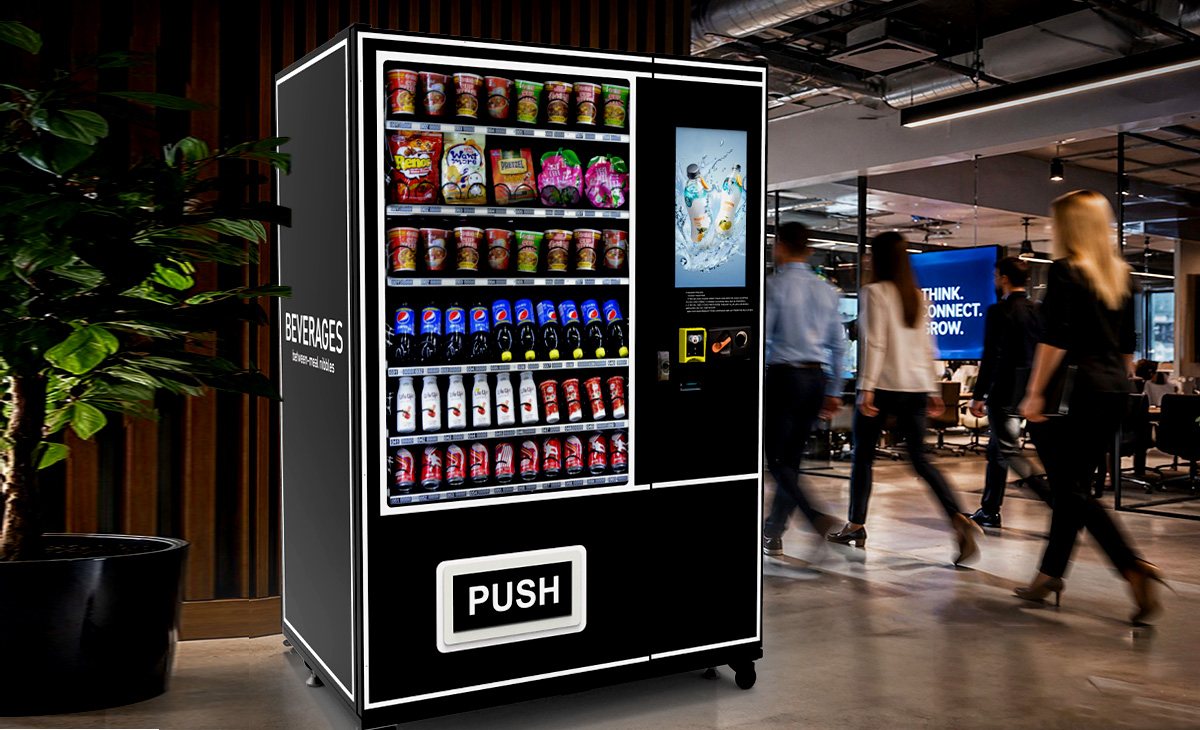
I prefer buying new or used because it gives me full control over placement, product selection, and maintenance. Leasing can be useful if you want to test a location without a large upfront investment, but the monthly fees eat into your margins. Revenue share models are rare in vending, but I have seen them work in large facilities where the location owner provides the machine and you handle restocking.
Legal and Regulatory Considerations
In the US, vending machine operators need to comply with state and local regulations regarding food safety, sales tax, and business licenses. In Europe, the rules vary by country. For example, in France, you may need to register with the Chamber of Commerce and comply with hygiene standards set by the Direction Générale de la Concurrence, de la Consommation et de la Répression des Fraudes (DGCCRF).
According to Service-Public.fr, any business selling food products, including through vending machines, must follow specific labeling and traceability requirements. If you are operating in the EU, you also need to comply with the General Food Law Regulation (EC) 178/2002. Ignoring these regulations can result in fines or forced removal of your machines.
I recommend consulting with a local business advisor or attorney before placing your first machine. The cost of compliance is small compared to the cost of a violation.
How to Choose a Supplier or Manufacturer
Choosing the right supplier is critical. Here are the criteria I use when evaluating manufacturers.
- Build quality: Look for machines with sturdy cabinets, reliable cooling systems, and easy-to-replace components.
- Telemetry integration: The machine should support remote monitoring out of the box.
- Payment system compatibility: Ensure the machine works with major card readers and mobile payment platforms.
- Warranty and support: A good manufacturer offers at least a one-year warranty and responsive technical support.
- Parts availability: Check that replacement parts are readily available and reasonably priced.
I have worked with several suppliers over the years, and I have found that manufacturers with a strong presence in both the US and European markets tend to offer better support. Zhongda Smart is one example of a manufacturer that provides solid equipment with good after-sales service, especially for operators looking for mid-range to premium machines.
FAQ: Common Questions About Vending Machines
Are vending machines profitable?
Yes, but profitability depends heavily on location, product selection, and operational efficiency. A well-placed machine can generate $800 to $2,500 per month in revenue, with gross margins of 40 to 50 percent. Poor locations can lose money.
How much does a vending machine cost?
New machines range from $3,000 to $12,000. Used machines can be found for $1,500 to $4,000. Additional costs include payment systems, inventory, and maintenance.
How long does it take to recoup the investment?
Based on my experience, most machines break even within 8 to 14 months. Premium locations can shorten that to 6 months, while poor locations may take 18 months or longer.
Should a beginner buy or lease a machine?
If you have the capital, buying a new or used machine gives you more control and better long-term margins. Leasing is a good option if you want to test the market with minimal upfront investment.
Where should I place my first machine?
Start with a location that has high dwell time and consistent foot traffic. Medical offices, gyms, and manufacturing facilities are good choices. Avoid low-traffic areas and locations with short dwell times.
What permits do I need?
Requirements vary by state and country. In the US, you typically need a business license, a sales tax permit, and possibly a food handler's permit if you sell perishable items. In Europe, check local regulations with your Chamber of Commerce.
How do I choose a vending machine supplier?
Look for suppliers with good build quality, telemetry integration, warranty coverage, and responsive support. Read reviews and ask for references from other operators.
What happens if the machine breaks down?
You will need to handle vending machine repair yourself or hire a technician. I recommend learning basic troubleshooting to save money. Common issues include jammed products, cooling failures, and payment system errors.
How can I reduce restocking and maintenance costs?
Use telemetry to monitor inventory levels remotely. This reduces unnecessary trips. Also, choose machines with modular designs so you can replace individual components instead of entire assemblies.
Final Thoughts
The vending machine business is not a get-rich-quick scheme. It requires research, capital, and consistent effort. But if you choose the right locations, invest in reliable equipment, and manage your operations efficiently, it can provide a steady income stream. I have seen operators build profitable businesses with just a handful of machines, and I have also seen people lose money because they rushed into bad locations with cheap equipment.
Start small. Learn the basics. Track your numbers. And do not be afraid to move a machine if it is not performing. The best places for vending machines in 2026 are the ones where people stop, wait, and need something to eat or drink. Find those spots, and you will be on the right track.
This article was updated in June 2026. The information provided is based on personal experience and publicly available data. Individual results may vary. Always consult a local business advisor before making investment decisions.