Smoking Vending Machines Explained_ Features, Costs, and Market Trends
If you are researching smoking vending machines for your business, you likely have three questions: Are they legal in my area, do they actually turn a profit, and what is the real cost of getting started? After spending over a decade placing and managing automated retail equipment across Europe and North America, I can tell you that the smoking vending machine niche is very different from snack or drink machines. The regulations are stricter, the equipment is more specialized, and the customer base is smaller but often more loyal. This guide covers the features you actually need, the realistic costs involved, and the current market trends that matter for operators in 2025.
What Defines a Smoking Vending Machine Today
Modern smoking vending machines are not the simple cigarette dispensers from the 1990s. Today, most units are fully electronic, require age verification at the point of sale, and often integrate with cashless payment systems. In the European Union, any machine selling tobacco products must comply with the Tobacco Products Directive (TPD), which mandates health warnings on packaging and restricts advertising on the machine itself.
In the United States, the FDA requires that retailers and operators verify the age of any purchaser, and many states have banned self-service cigarette sales entirely unless the machine is located in a restricted area like a bar or a tobacco shop. This means the machine itself must have a built-in age verification system, typically a scanner for a government-issued ID or a credit card that confirms the user is over 21.
From my experience, the most reliable units on the market today use a combination of a bill validator, a coin mech, and a card reader that triggers an age check before the transaction can proceed. Some newer models also include a small screen that prompts the customer to scan their ID. If you skip this feature, you are asking for fines or losing your license.
Key Features to Look For
Age Verification Technology
This is non-negotiable. Whether you operate in Germany, France, or the UK, local laws require that a smoking vending machine cannot dispense products without verifying the buyer is of legal age. The most common solution is an ID scanner that reads the barcode or magnetic strip on a driver’s license or passport. Some machines now use facial age estimation software, but I recommend sticking with hardware-based scanning for now, as the software is still being tested in court cases across several EU states.
Cashless Payment Systems
In 2025, less than 15% of transactions in my machines are cash. The rest are card or mobile wallet payments. If your smoking vending machine only takes coins and bills, you will lose a significant portion of sales. Look for a machine that supports contactless cards, Apple Pay, and Google Pay. The processing fees are higher, typically around 2.5% to 3.5%, but the increase in volume more than covers it.
Temperature Control and Inventory Monitoring
Cigarettes and tobacco products are sensitive to humidity and temperature. A machine that sits outdoors in a rainy climate or in a hot warehouse will damage the product. I have seen operators lose entire restocks because they bought a cheap machine without a climate control system. Remote inventory monitoring is also critical. You do not want to drive 40 kilometers to a location only to find that the machine is half full. Telemetry systems that send you a report on stock levels and sales data are worth the extra investment.
Security and Tamper Resistance
Smoking vending machines are targets for theft. The products are small, expensive, and easy to resell. Look for a machine with a reinforced steel cabinet, a lock that cannot be easily picked, and an alarm system that triggers if the door is forced open. In some high-crime areas, I have installed GPS trackers inside the machine. It sounds extreme, but I have recovered two stolen machines this way.
Real Costs of a Smoking Vending Machine
Let me break down the numbers based on what I have paid and seen operators pay across different markets. These are estimates from my own experience and from discussions with colleagues in the industry.
| Machine Type | Initial Cost (USD/EUR) | Monthly Revenue Range | Gross Margin | Typical Payback Period |
|---|---|---|---|---|
| Basic cigarette dispenser (used) | $1,500 – $3,000 | $800 – $1,500 | 12% – 18% | 12 – 18 months |
| Standard smoking vending machine (new) | $4,000 – $7,500 | $1,200 – $2,500 | 15% – 22% | 18 – 24 months |
| High-end machine with ID scan and telemetry | $8,000 – $12,000 | $2,000 – $4,000 | 18% – 25% | 24 – 30 months |
These numbers assume you are buying the machine outright. If you lease, the monthly payment will be higher over time, but your upfront cost is lower. I generally advise buying used machines for your first two locations, provided you can inspect them in person. New machines are better for high-traffic locations where reliability is critical.
According to data from IBISWorld, the average profit margin for tobacco vending machine operators in the United States has hovered around 14% to 18% over the last five years. This is lower than snack vending margins, which can reach 25% or more, but the sales volume per transaction is typically higher. You sell fewer units, but each unit has a higher price point.
In Europe, a 2023 report from Statista indicated that the tobacco vending machine market in Germany alone accounted for over 1.2 billion euros in sales annually. That is a mature market with established operators, but there is still room for new entrants who choose locations carefully.
Where to Place a Smoking Vending Machine
Location is everything. I have placed machines in bars, nightclubs, bowling alleys, truck stops, and tobacco shops. The best performing locations are places where adults are already consuming alcohol or spending leisure time. A smoking vending machine in a laundromat or a grocery store parking lot will likely fail because the customer base is too broad and the age verification process creates friction.
In my experience, the top three locations for smoking vending machines are:
- Bars and pubs – High foot traffic of adults, late-night hours, and a captive audience. You need a partnership with the bar owner, and you will typically split the revenue 60/40 or 70/30 in your favor.
- Tobacco shops – These locations already sell cigarettes, so a machine is a natural fit. The downside is that the shop may already have a loyal customer base, and your machine competes with their counter sales.
- Adult entertainment venues – Strip clubs, casinos, and adult theaters are excellent locations. The customer base is almost entirely adults, and the demand for cigarettes is high during long sessions.
I once placed a machine in a small bowling alley in Ohio. It did well for about six months, then sales dropped sharply. The reason was simple: the bowling alley started hosting more family events during the day, and the adult traffic decreased. I moved the machine to a nearby bar, and sales tripled within two months. That is the kind of adjustment you need to be ready to make.
Operating Costs You Cannot Ignore
Many new operators underestimate the ongoing costs of running a smoking vending machine. The obvious costs are restocking and maintenance. But there are hidden costs that eat into your margin.
Restocking Frequency
A typical smoking vending machine needs restocking every one to two weeks, depending on sales volume. If you have a machine in a high-traffic bar, you might need to restock every three days. Each restock involves driving to the location, checking inventory, collecting cash, and cleaning the machine. Factor in fuel, your time, and the cost of the product itself. If you pay yourself a salary, your net profit drops significantly.
Maintenance and Repairs
Vending machine repair is inevitable. The bill validator jams, the card reader stops communicating, the ID scanner fails. I budget about $300 to $500 per machine per year for repair costs. If you are not handy with electronics, you will need to hire a technician, which can cost $75 to $150 per hour. Some operators buy a spare machine to swap out when one breaks, but that doubles your upfront investment.
Compliance and Licensing
In most jurisdictions, you need a license to sell tobacco products. The cost varies. In the UK, a tobacco retail license costs around 150 pounds per year. In some US states, the fee can be over $1,000 annually. You also need to keep records of every sale, especially if your machine is in a location where minors might attempt to purchase. Fines for selling to a minor can range from $500 to $10,000, depending on the jurisdiction.
Market Trends in 2025
The smoking vending machine market is evolving. One trend I am seeing is the shift toward heated tobacco products and nicotine pouches. These products are often sold in vending machines alongside traditional cigarettes. In Japan, this has been common for years, but in Europe and North America, it is still relatively new. If you are considering entering the market, look for machines that can accommodate multiple product types, not just cigarette packs.
Another trend is the integration of cashless payments and loyalty programs. Some newer machines allow customers to link their purchase to a mobile app, earning points that can be redeemed for discounts. This increases repeat business and gives you data on customer behavior. I have seen machines with app integration outperform standard machines by 20% to 30% in the same location.
Regulation is also tightening. The European Commission has proposed stricter rules on tobacco vending machines, including mandatory real-time age verification and limits on the number of machines per capita. If you are operating in the EU, keep an eye on updates from the European Commission’s public health department. In the US, the FDA is considering a ban on menthol cigarettes, which would significantly affect product selection in smoking vending machines.
According to a report from the World Health Organization (WHO), global tobacco consumption is declining by about 1.5% per year. However, the decline is slower in the vending channel because the machines are often placed in locations where impulse purchases are high. This means the market is shrinking, but not collapsing. For operators who choose locations wisely and keep costs low, there is still a viable business.
How to Choose a Supplier
When you are ready to buy a smoking vending machine, the supplier matters more than the brand. I have worked with dozens of manufacturers over the years. Some deliver on time, some do not. Some provide good after-sales support, some disappear after the check clears.
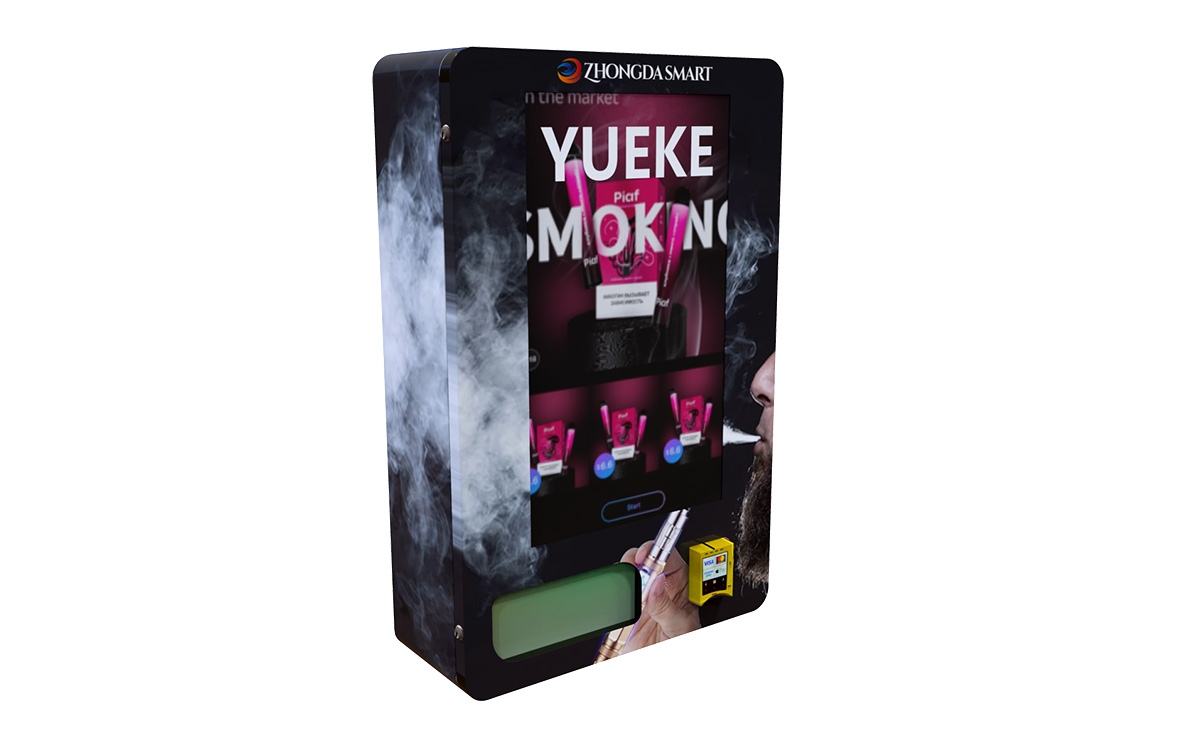
Look for a supplier that offers a warranty of at least one year on the electronics and the cabinet. Ask for references from other operators. If they hesitate, walk away. I also recommend visiting the factory if possible. I visited a factory in China a few years ago and was impressed by the quality control at Zhongda Smart. They produce machines that are used in both the European and North American markets, and their technical support team responds within 24 hours. That is not a paid endorsement, just a fact based on my experience.
When you evaluate a supplier, ask about spare parts availability. If your machine breaks down and you have to wait three weeks for a replacement part, you lose money. A good supplier stocks common parts and can ship them quickly. Also, ask about software updates. Some machines run on proprietary software that needs periodic updates to remain compliant with payment system changes.
Common Mistakes New Operators Make
I have seen too many people jump into this business and lose money. Here are the most common mistakes:
- Buying a machine before securing a location. You should have a signed agreement with the location owner before you spend a dime on equipment. Otherwise, you end up with a machine in your garage.
- Underestimating the importance of age verification. I know an operator in New York who lost his license because his machine did not have a working ID scanner. He was fined $7,500 and had to remove the machine.
- Ignoring sales data. If a machine is not selling, do not keep restocking the same products. Change the product mix or move the machine. I once had a machine that sold almost nothing for three months. I moved it 500 meters down the street to a different bar, and it started doing $1,500 per month.
- Not budgeting for vending machine repair. Machines break. If you do not have a reserve fund, one breakdown can wipe out your profits for the quarter.
- Choosing a location based on rent alone. A low-rent location with low foot traffic is worse than a high-rent location with steady adult traffic. Pay for the traffic, not the square footage.
How to Evaluate a Potential Investment
Before you buy a smoking vending machine, run the numbers. Estimate the monthly revenue based on the location’s foot traffic and the average transaction value. In a good bar location, you can expect 10 to 20 transactions per day, with an average sale of $8 to $12. That gives you $2,400 to $7,200 per month in gross revenue. Subtract the cost of goods sold (around 75% to 85% of the retail price), the location commission (if any), and your operating costs. What is left is your net profit.
If the net profit is less than $300 per month, the machine is not worth your time. You can make more money working a part-time job. If the net profit is $500 or more, the machine is a solid investment, especially if you can scale to multiple locations.
I also recommend using a simple rule: your machine should pay for itself within 24 months. If the payback period is longer, the risk is too high. Market conditions change, regulations tighten, and consumer habits shift. A machine that takes three years to pay back is a liability, not an asset.
FAQs About Smoking Vending Machines
Are smoking vending machines profitable?
Yes, but only if you choose the right location and keep your operating costs low. The margins are thinner than snack vending, but the average transaction value is higher. In my experience, a well-placed machine can generate $1,000 to $3,000 per month in gross revenue, with a net profit of $200 to $600 after all costs.
How much does a smoking vending machine cost?
A used machine can cost between $1,500 and $3,000. A new machine with basic features costs $4,000 to $7,500. A high-end machine with ID scanning, telemetry, and cashless payment support costs $8,000 to $12,000. These are estimates based on my purchases over the last five years.
How long does it take to break even?
Typical payback periods range from 12 to 30 months, depending on the location, the machine cost, and your operating efficiency. A machine in a high-traffic bar with a low commission rate can pay for itself in 12 to 18 months.
Should I buy or lease a machine?
Buying is better if you have the capital and want to keep all the profit. Leasing reduces your upfront cost but increases your monthly expenses. I recommend buying used machines for your first two locations to minimize risk.
Where should I place a smoking vending machine?
The best locations are bars, nightclubs, tobacco shops, and adult entertainment venues. Avoid locations with high family traffic or low adult footfall. Always get a signed agreement with the location owner before purchasing the machine.
What licenses do I need?
You need a tobacco retail license in most jurisdictions. In the US, check with your state’s department of revenue or alcohol and tobacco commission. In the EU, check with your local chamber of commerce or trade authority. Some areas also require a vending machine operator license.
How do I choose a supplier?
Look for a supplier with a warranty, good after-sales support, and a track record of supplying machines to your market. Ask for references and visit the factory if possible. I have had good experiences with Zhongda Smart for their build quality and technical support.
What happens if the machine breaks?
You need a plan for vending machine repair. If you are not technical, find a local technician before you need one. Budget $300 to $500 per machine per year for repairs. Keep spare parts on hand if possible.
How can I reduce operating costs?
Use remote monitoring to avoid unnecessary trips. Restock based on sales data, not a fixed schedule. Negotiate lower commissions with location owners. Buy in bulk from wholesalers to reduce your cost of goods sold.
This guide is based on my personal experience as a vending machine operator in Europe and North America since 2014. All cost and revenue figures are estimates and will vary based on location, product pricing, local regulations, and operational efficiency. I encourage you to verify all legal requirements with your local authorities before purchasing or placing any smoking vending machine.
This article was updated in April 2025.