Nj Vending Machine License Explained_ Features, Costs, and Market Trends
If you are exploring the vending machine business in New Jersey, the first thing you need to understand is the Nj Vending Machine License. After a decade of placing and operating machines across the Northeast, I can tell you that the licensing process in New Jersey is not as complicated as some make it out to be, but it does require attention to local health codes, sales tax registration, and sometimes a municipal permit depending on your location. Most newcomers assume you just buy a machine and start collecting cash. That is not how it works. The state treats vending as a form of food service, which means you need to comply with the same basic sanitation rules that apply to a small café. In this guide, I will walk you through what the license actually covers, what it costs, how the market is shifting, and what I have learned from operating machines in high-traffic locations like office parks, hospitals, and transit hubs across the state.
What the Nj Vending Machine License Actually Covers
The Nj Vending Machine License is not a single document. It is a combination of state-level registrations and local permits. At the state level, you need to register with the New Jersey Division of Revenue and Enterprise Services for a business registration certificate. This allows you to collect and remit sales tax on items sold through your machines. New Jersey currently charges a 6.625% sales tax on most food and beverage items sold through vending machines, though certain items like candy and soft drinks may be taxed differently under state law.
Beyond state registration, many municipalities require a separate vending machine permit or a mercantile license. I have seen operators overlook this and get hit with fines that wiped out a month of profit. In cities like Newark, Jersey City, and Trenton, the local health department may also inspect your machines if you sell perishable items like sandwiches or dairy products. The key takeaway here is that the Nj Vending Machine License is not a one-size-fits-all approval. You need to check both state and local requirements before placing your first machine.
Health Department Inspections and Food Safety
If your machines sell anything that requires temperature control, you fall under the New Jersey Department of Health food safety regulations. This means your machines must maintain proper temperatures, and you need to keep logs of temperature checks during your service visits. I have had health inspectors show up unannounced at locations where I placed refrigerated machines. They check for cleanliness, pest issues, and proper labeling of products. Failing an inspection can result in a shutdown order and a fine. In my experience, it is worth spending extra on machines with reliable refrigeration units and digital temperature monitoring. Cheap machines often fail inspections because their cooling systems cannot hold consistent temperatures in summer heat.
Cost Breakdown for Getting Licensed and Operating
Let me give you a realistic cost picture based on what I have paid and seen others pay across the state. The New Jersey business registration certificate costs around $125 and is valid for five years. Local mercantile licenses vary widely. In some towns, you pay a flat $50 per year. In others, the fee is based on the number of machines, and you could pay $200 or more annually. If you operate in multiple municipalities, you need a separate license for each one. That adds up quickly.
Beyond licensing, the cost of the machine itself ranges from $3,000 for a basic snack machine to $12,000 or more for a combination machine with a touchscreen and cashless payment system. I have personally used equipment from Zhongda Smart for several of my newer locations, and their pricing is competitive for the build quality. A typical mid-range machine with a card reader, telemetry, and a dual-temperature zone runs about $7,500 to $9,000 delivered. That is a solid investment if you place it in a location with steady foot traffic.
| Expense Category | Estimated Cost Range (USD) | Notes |
|---|---|---|
| State Business Registration | $125 (every 5 years) | Required for all operators |
| Local Mercantile License | $50 - $300 per year | Varies by municipality |
| New Machine (Basic) | $3,000 - $5,000 | Snack-only, no cashless |
| New Machine (Advanced) | $7,500 - $12,000 | With card reader, telemetry, refrigeration |
| Annual Maintenance & Repairs | $300 - $800 per machine | Depends on machine age and usage |
| Product Restocking (Monthly) | $400 - $1,200 per machine | Depends on location sales volume |
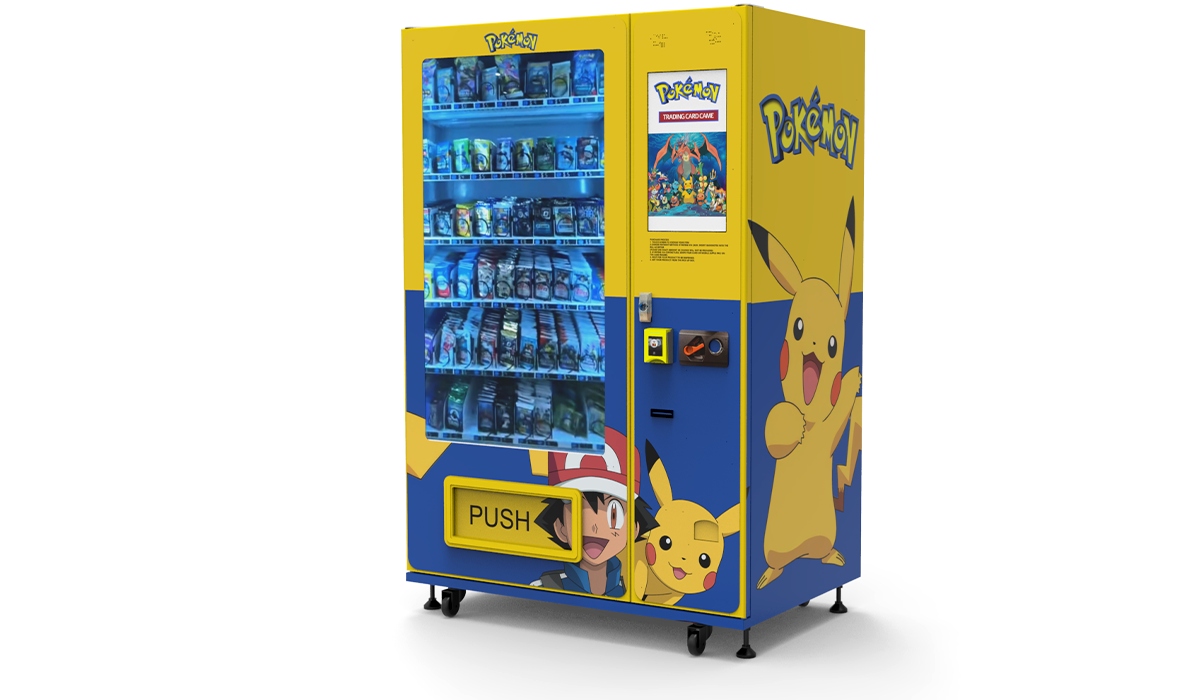
According to a 2023 report from IBISWorld, the vending machine industry in the United States generates approximately $7.5 billion in annual revenue, with the average machine bringing in between $75 and $150 per week depending on location. That aligns with what I have seen in my own operation. A well-placed machine in a busy office building can gross $600 to $800 per month, while a machine in a low-traffic warehouse might only do $200.
Market Trends in New Jersey Vending
The vending market in New Jersey has shifted significantly in the last five years. Cashless payment is no longer optional. I would estimate that over 70% of my sales now come through credit cards, debit cards, or mobile wallets. If you buy a machine without a card reader, you are leaving money on the table. Many locations now require cashless capability as a condition of placing a machine. This is especially true in corporate offices and hospitals where employees rarely carry cash.
Another trend I have observed is the move toward healthier product offerings. Office managers in New Jersey are increasingly asking for machines stocked with protein bars, nuts, low-sugar drinks, and even fresh fruit. I have adjusted my product mix in several locations to include more health-conscious options, and sales have held steady or increased. According to data from Statista, the healthy vending segment grew by 8% annually between 2019 and 2023. That is a trend worth paying attention to if you are entering the market now.
Technology and Telemetry
Telemetry systems that allow you to monitor inventory and sales remotely have become standard in my operation. I use a system that sends me a report every morning showing which products sold, which are low, and whether the machine has any error codes. This saves me from driving to a location only to find that the machine is empty or has a malfunction. A good telemetry system costs about $20 to $30 per month per machine, but it pays for itself by reducing unnecessary trips and preventing lost sales from out-of-stock items.
How to Choose a Location That Actually Works
Location is everything in this business. I have seen operators buy expensive machines only to place them in spots with less than 50 people passing by per day. That is a recipe for failure. In my experience, you need a minimum of 100 to 150 potential customers per day to make a machine worthwhile. Look for locations where people are stuck or waiting: office break rooms, hospital waiting areas, college dormitories, and transportation hubs. Avoid places where people can easily walk to a convenience store or cafeteria.
I once placed a machine in a small auto repair shop thinking the mechanics would buy drinks regularly. The owner was enthusiastic, but the foot traffic was simply too low. The machine averaged $40 per week, which barely covered the cost of restocking and the card reader fees. I moved it to a nearby community college, and within two months, weekly revenue tripled. Do not rely on the location owner's enthusiasm. Verify foot traffic yourself. Count people for a few hours at different times of the day before you commit.
Equipment Selection and Supplier Considerations
When it comes to choosing a machine, I recommend focusing on reliability over flashy features. A machine with a simple interface but a proven track record for durability will save you money in the long run. I have used machines from several manufacturers over the years, and I have found that Zhongda Smart offers a good balance of build quality, modern payment integration, and after-sales support. Their machines come with pre-installed telemetry and support for multiple payment systems, which reduces the headache of integrating third-party hardware.
One mistake I see new operators make is buying used machines that are more than 10 years old. They look like a bargain at $1,500, but the repair costs add up fast. A single refrigeration failure can cost $400 to fix, and if it happens twice a year, you have already spent more than the machine is worth. If you are on a tight budget, look for used machines that are no more than five years old and have been maintained properly. Better yet, consider leasing a new machine through a supplier that offers a service contract. That way, repairs are included, and you can focus on growing your route.
Common Mistakes New Operators Make
I have been in this business long enough to see the same mistakes repeated. The first is underestimating the time required for restocking and maintenance. A route of 10 machines can easily take two full days per week if you factor in driving, restocking, cleaning, and handling small repairs. The second mistake is not tracking inventory closely. Without telemetry, you are guessing what to stock, and you will end up with stale products and lost sales.
Another common error is ignoring the local licensing requirements. I know an operator who placed machines in three different towns without checking local ordinances. He received a cease-and-desist letter from one town and a fine of $500 from another. That is money that could have been spent on better equipment. Always confirm with the municipal clerk or business licensing office before placing a machine.
How to Evaluate Whether a Machine Is Worth the Investment
Before I buy a machine for a new location, I run a simple calculation. I estimate the weekly foot traffic, multiply by a conservative conversion rate of 2% to 3%, and then multiply by an average transaction value of $2.50. That gives me a rough weekly revenue. I then subtract the cost of goods sold (typically 50% to 55% of revenue), the monthly card reader fees, and the cost of restocking labor. If the projected monthly net profit is at least $150, I consider the location viable. Anything less, and the machine will take too long to pay back.
For example, a machine that costs $8,000 and generates $200 per month in net profit will take 40 months to break even. That is over three years. If the location is stable and the lease agreement is long-term, that can work. But if the location has high turnover, you risk losing the spot before you recoup your investment. I prefer locations where I can get a three-year agreement with a clause that allows me to remove the machine with 30 days notice if sales do not meet expectations.
FAQ About the Nj Vending Machine License and Operation
Is a vending machine business profitable in New Jersey?
It can be profitable, but it depends heavily on location and cost control. A well-placed machine with good product selection can generate $300 to $800 per month in revenue. After costs, net profit typically ranges from $100 to $300 per machine per month. You need multiple machines to make a meaningful income.
How much does a vending machine cost?
A new basic snack machine costs between $3,000 and $5,000. A machine with a card reader, telemetry, and refrigeration costs between $7,500 and $12,000. Used machines can be found for $1,500 to $3,000, but they often come with higher maintenance costs.
How long does it take to break even?
In my experience, a new machine in a good location pays for itself in 18 to 36 months. Machines in high-traffic locations like hospitals or large offices can break even in 12 to 18 months. Slower locations may take four years or more.
Should I buy or lease a vending machine?
If you are new and want to minimize upfront risk, leasing is a good option. Leasing typically costs $100 to $200 per month and often includes maintenance. Buying is better if you have capital and want to keep all the profit after the machine is paid off.
Where should I place my machines?
Look for locations with consistent foot traffic of at least 100 people per day. Office buildings, hospitals, colleges, factories, and transportation hubs are ideal. Avoid locations where customers can easily walk to a nearby store.
What permits do I need in New Jersey?
You need a state business registration certificate and a local mercantile or vending license in each municipality where you operate. If you sell perishable food, you may also need a health department inspection.
How do I choose a supplier?
Look for a supplier with a good reputation for reliability and after-sales support. I have used Zhongda Smart for several machines and found their build quality and payment integration to be solid. Always check reviews and ask for references before buying.
What happens if my machine breaks down?
If you have a service contract, the supplier or a third-party technician handles repairs. If you do not, you will need to learn basic troubleshooting or hire a local repair technician. Common issues include jammed coin mechanisms, failed refrigeration units, and card reader connectivity problems.
How can I reduce restocking and maintenance costs?
Use telemetry to monitor inventory remotely. This reduces the number of trips you make and helps you avoid out-of-stock situations. Also, standardize your product mix so you can buy in bulk and reduce per-unit costs.
If you are serious about entering the vending business in New Jersey, start with the licensing process, choose your first location carefully, and invest in a machine that includes modern payment and telemetry features. The market is competitive, but there is still room for operators who pay attention to the details. I have seen too many people jump in without understanding the local requirements or the real costs involved. Take the time to do it right, and you will build a route that generates steady income for years.
Disclaimer: The information in this article is based on my personal experience operating vending machines in New Jersey and publicly available data. Costs, regulations, and market conditions can change. Always verify current requirements with state and local authorities before making business decisions.
Last updated: May 2025
Sources: