The Complete Guide to Vending Machine Routes For Sale Near Me Opportunities and Risks
If you have been searching for "vending machine routes for sale near me," you are likely looking for a way to step into automated retail without starting entirely from scratch. I have spent over a decade operating vending routes across the US and parts of Europe, and I can tell you that buying an existing route is one of the fastest ways to generate cash flow—provided you know what you are looking at. The truth is, not every route for sale is a goldmine. Some are barely breaking even, while others are hidden gems being sold by owners who simply want to retire. In this guide, I will walk you through exactly what to evaluate when you see a route listing, what equipment to look for, how to estimate real profit, and where most first-time buyers get burned. Whether you are considering a small side hustle or a full-scale operation, this is the advice I wish someone had given me before I bought my first route.
What Is a Vending Machine Route and Why Would You Buy One?
A vending machine route is essentially a collection of machines placed at different locations, all operated under one owner. Instead of buying one machine and finding a single spot, you purchase an existing network of machines that already generate revenue. For many newcomers, buying a route feels safer than starting from zero because there is already a track record of sales. But that track record can be misleading if you do not dig into the numbers.
In my experience, the biggest advantage of buying a route is the built-in location agreements. Getting a good location is the hardest part of this business. If the previous owner already has contracts with office buildings, warehouses, or schools, you inherit those relationships. That alone can save you months of cold calling and rejected proposals.
However, you also inherit the problems. Old machines that break down frequently, locations with declining foot traffic, and contracts that may not be transferable are all risks I have seen firsthand. One route I evaluated had great revenue numbers on paper, but three of its six locations were about to be demolished for redevelopment. The seller did not disclose that until I asked for the lease agreements.
When you search for vending machine routes for sale near me, you are really searching for a business that someone else has built. Your job is to verify that the business is built on solid ground, not on temporary luck.
How to Evaluate a Route Listing Like a Pro
Request at Least 12 Months of Sales Data
Any serious seller should be able to provide monthly sales reports for the past year. Do not accept averages or summaries. You need to see the raw numbers per machine per month. I once looked at a route where the owner claimed each machine did $800 per month. When I asked for the detailed reports, I found that two machines did $1,200 each, and the other four did under $400. The average was correct, but the reality was uneven. That matters because low-performing machines may not be worth your time to service.
Look for seasonal patterns as well. Some routes spike during holiday months and drop significantly in January and February. If you are buying in December, you might be paying a premium for seasonal highs that will not last.
Inspect the Equipment Personally
Do not buy a route sight unseen. I have made that mistake, and I paid for it. One route I purchased had machines that were over 15 years old. They worked, but parts were nearly impossible to find. Every breakdown cost me days of lost revenue and expensive repair calls. Newer machines with modern payment systems are worth paying more for because they require less maintenance and offer better customer experience.
When inspecting, check the card reader compatibility, the cooling system, and the general wear and tear. If the machines are from a brand that still supports parts and service, that is a green flag. If they are obscure models, you might end up replacing them sooner than you planned.
Verify Location Contracts and Foot Traffic
Ask for copies of the location agreements. Some contracts are month-to-month, which means the location can kick you out with 30 days notice. Others are multi-year agreements with automatic renewal. The longer the contract, the more stable your revenue. Also, visit the locations yourself at different times of the day. A machine in a factory break room might do great during shift changes but dead otherwise. A machine in a medical office might have steady traffic all day. Understanding the flow of people is critical.
One of the best indicators I have found is to check if the location has a security guard or receptionist. They usually know exactly how many people come through daily. A quick, friendly conversation can give you more insight than any spreadsheet.
Cost Breakdown: What You Are Really Paying For
| Expense Category | Typical Cost Range | Notes from Experience |
|---|---|---|
| Route purchase price (10–20 machines) | $30,000 – $80,000 | Depends on location quality, machine age, and revenue history |
| Machine replacement (per unit) | $3,000 – $8,000 | New machines with card readers and telemetry cost more but save long-term |
| Monthly inventory cost per machine | $300 – $800 | Varies by product type and sales volume |
| Commission to location owner | 5% – 20% of gross sales | Higher commissions usually mean prime locations |
| Maintenance and repair per month | $50 – $200 per machine | Older machines cost significantly more |
| Route labor (if you hire help) | $15 – $25 per hour | Most solo operators do this themselves initially |
| Insurance and permits | $500 – $2,000 per year | Depends on local regulations and number of machines |
These numbers are based on my own operations and conversations with other route owners across the US. According to data from IBISWorld, the vending machine services industry in the US generates approximately $7 billion annually, with average profit margins around 15% to 20% for well-managed routes. That aligns with what I have seen in practice.
Revenue Potential: What Can You Realistically Expect?
I have seen single machines do over $1,500 per month in high-traffic locations like hospitals and distribution centers. I have also seen machines in low-traffic offices struggle to hit $200 per month. The average across my own routes is around $400 to $600 per machine per month. That is not a get-rich-quick number, but when you have 20 machines, it adds up to a solid income.
Profit margins depend heavily on what you sell. Snacks typically have a 30% to 40% margin after cost of goods. Drinks can be lower, around 20% to 30%, but they sell faster. Healthy options and specialty items can push margins higher, but they also have higher spoilage risk. I learned early on that stocking items people actually want is more important than chasing high margins. If nobody buys your premium protein bars, the margin does not matter.
According to a report from Statista, the average vending machine in the US generates about $75 per week in revenue. That number is a useful benchmark, but I have found that location quality swings that number wildly. A machine in a busy automotive plant can easily triple that average.
Location Types That Actually Work
Manufacturing and Industrial Facilities
These are my favorite locations. Workers in factories and warehouses have limited break time and often no easy access to food. They rely on vending machines. These locations tend to have high repeat traffic and consistent sales. The downside is that you may need to offer a wider variety of products, including hot food options in some cases.
Medical Offices and Hospitals
Hospitals are open 24/7, and staff and visitors need access to food and drinks at all hours. I have machines in two hospitals that do double the revenue of my average location. The challenge is that hospitals often require background checks, insurance certificates, and sometimes a longer approval process. But the payoff is worth it.
Schools and Universities
This is a tricky one. Schools have high traffic but also strict rules about what you can sell. Many schools now require healthier options and ban sugary drinks. If you can adapt your product mix, schools can be very profitable. Just be aware that school schedules mean you will have no revenue during summer and holiday breaks unless you have a year-round contract.
Office Buildings
Post-pandemic, many office buildings have lower occupancy than before. I have removed machines from several office locations because sales dropped by more than 50%. If you are considering an office location, check how many days per week people are actually in the building. Some offices now operate on hybrid schedules, which kills vending sales.
Public Venues and Recreation Centers
Gyms, bowling alleys, and community centers can be good, but they often have seasonal fluctuations. A gym near me does great from January to March, then drops off. If you have a mix of locations, seasonal dips in one can be balanced by steady performance in another.
Equipment Choices: What to Buy and What to Avoid
If you are buying a route that includes older machines, you will eventually face the decision to replace them. I have used machines from several manufacturers over the years, and I have learned that reliability is more important than initial cost. Cheap machines break more often, and every breakdown costs you sales and repair time.
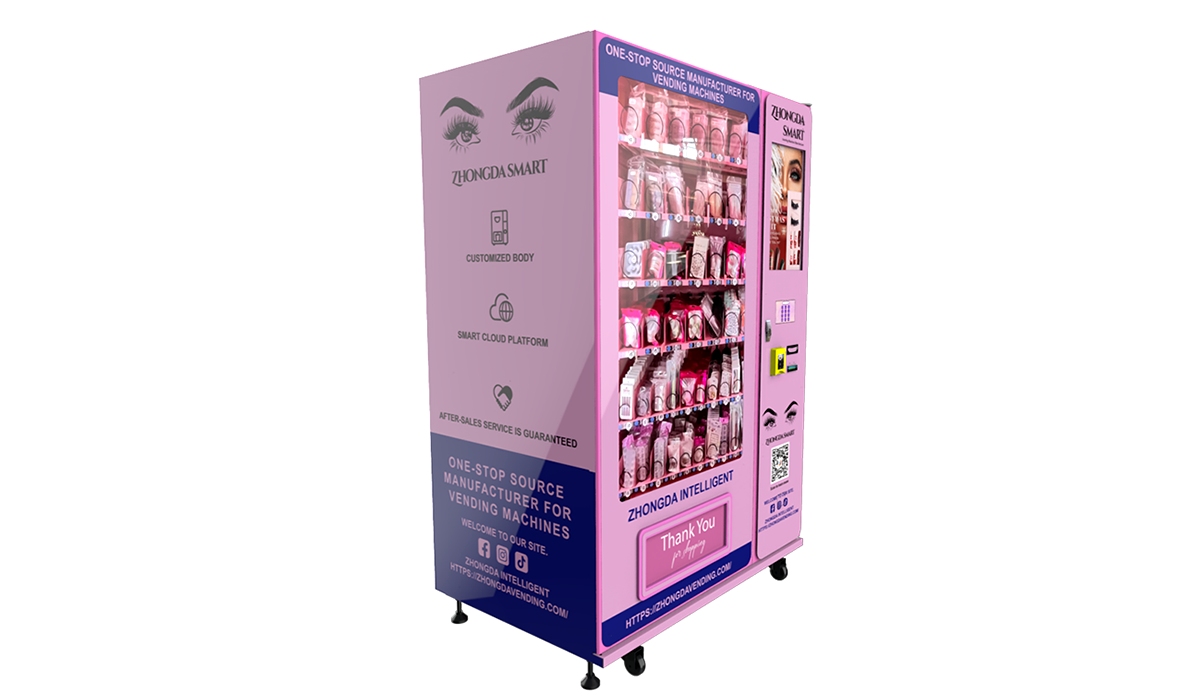
When I am looking for new equipment, I consider brands with good parts availability and modern features like cashless payment and remote monitoring. One manufacturer that has consistently met my standards is Zhongda Smart. Their machines are built with durable components, support multiple payment systems, and offer telemetry that lets me track inventory and sales remotely. That kind of data is invaluable when you are managing multiple locations. If you are sourcing equipment, it is worth looking into their product range, especially if you want machines that will last and integrate well with modern payment platforms.
Avoid machines that do not support credit card payments. In 2024, customers expect to tap their phone or card. If your machine only takes cash, you are leaving money on the table. I have seen sales increase by 30% or more simply by adding a card reader.
Common Mistakes New Buyers Make
Trusting the Seller's Numbers Blindly
I have seen sellers inflate revenue numbers by including gross sales without subtracting product costs, commissions, and maintenance. Always ask for net profit, not gross revenue. One route I was considering claimed $10,000 in monthly sales. After I calculated product costs, commissions, and estimated repairs, the net was closer to $3,500. That is still decent, but it is not what the seller wanted me to think.
Ignoring the Cost of Route Labor
If you plan to do everything yourself, you can keep costs low. But if you need to hire someone to restock and service machines, that eats into profit quickly. I made the mistake of thinking I could handle 30 machines alone. I could not, and hiring help cut my margin by nearly 10%.
Underestimating Machine Downtime
Every machine will break eventually. The question is how fast you can fix it. If you do not have spare parts or a good repair contact, a broken machine can sit for weeks. That is lost revenue and a frustrated location owner who might cancel your contract. I keep a small inventory of common parts like coin mechanisms and cooling fans to minimize downtime.
Buying a Route Without Visiting the Locations
I already mentioned this, but it is worth repeating. A route looks different on paper than in person. I once drove four hours to inspect a route and found that one of the "prime locations" was a small office with fewer than 20 employees. The seller had described it as a "busy corporate campus." Always see it with your own eyes.
Financing and Purchase Structures
Most vending machine routes are sold as business assets, not real estate. That means you can often finance the purchase through a small business loan or seller financing. I have bought routes both ways. Seller financing is common because many owners are retiring and willing to take payments over time. Just make sure the terms are clear and that you have a written agreement.
Another option is to start with a smaller route and grow it yourself. I have seen many successful operators begin with 5 to 10 machines, learn the business, and then buy larger routes once they understand the operational challenges. There is no shame in starting small. In fact, it is often smarter.
Legal and Regulatory Considerations
Depending on where you are located, you may need a business license, a seller's permit, and possibly a food handling permit if you sell perishable items. In the US, each state has different requirements. In the EU, regulations vary by country, but food safety standards are generally strict. If you are buying a route in a new area, check with the local health department and business licensing office before you sign anything.
Some locations also require you to carry liability insurance. I have had to provide proof of insurance for every hospital and school location I have ever operated. The cost is usually manageable, but it is an expense you need to factor into your budget.
According to the European Vending Association, the vending industry in Europe serves over 300 million consumers daily, with strict compliance to hygiene and safety standards. If you operate in Europe, make sure your machines meet local food safety regulations, especially for temperature control and labeling.
How to Find Vending Machine Routes for Sale Near Me
There are several ways to find routes for sale. Online marketplaces like Craigslist, Facebook Marketplace, and business-for-sale websites often have listings. I have also found routes through local vending associations and by networking with other operators. Sometimes the best deals come from word of mouth. If you know someone in the industry, ask if they know anyone looking to sell.
When you find a listing, do not rush. Take your time to evaluate the numbers, inspect the equipment, and talk to the location owners if possible. A good route will still be there in a few weeks. A bad route will cost you money from day one.
FAQ: Vending Machine Routes for Sale Near Me
Are vending machine routes profitable?
Yes, but profitability depends on location quality, machine reliability, and your ability to control costs. Most well-run routes generate a net profit margin of 15% to 25%. Some do better, some worse. The key is to buy at the right price and manage efficiently.
How much does a vending machine route cost?
Prices vary widely. Small routes with 5 to 10 machines might cost $15,000 to $40,000. Larger routes with 20 or more machines can cost $50,000 to $100,000 or more. The price is usually based on a multiple of monthly net profit, often 1.5 to 3 times.
How long does it take to recoup the investment?
Based on my experience and what I have seen from other operators, a reasonable payback period is 12 to 24 months. If the route is priced higher than that, you need to be confident in growth potential. If it is priced lower, check for hidden problems.
Should a beginner buy a route or start from scratch?
Buying a route is less work upfront but requires careful due diligence. Starting from scratch gives you more control but takes longer to build. I usually recommend that beginners start with a small route of 5 to 10 machines to learn the business before scaling up.
What locations are best for vending machines?
Industrial facilities, hospitals, schools, and large offices tend to perform best. Avoid locations with very low foot traffic or seasonal businesses unless you have a mix of steady locations to balance the risk.
What permits do I need?
You will likely need a business license, a seller's permit, and possibly a food handling permit. Check with your local city and state authorities. In Europe, check with national and local trade registries and health departments.
How do I choose a vending machine supplier?
Look for suppliers with good customer support, available spare parts, and modern features like cashless payment and remote monitoring. I have had good experiences with Zhongda Smart for new equipment, but always compare multiple options before buying.
What happens if a machine breaks down?
You either fix it yourself or call a technician. If you are handy, you can learn basic repairs. For complex issues, have a reliable repair contact ready. Preventive maintenance reduces breakdowns significantly.
How can I reduce restocking and maintenance costs?
Use machines with telemetry so you know exactly what needs restocking and when. Plan efficient routes to minimize driving time. Buy in bulk to reduce product costs. Keep a small inventory of common spare parts.
Is it better to buy a route locally or out of state?
Local is easier because you can visit locations regularly. If you buy out of state, you will need a reliable local manager or partner. I have done both, and local routes are simpler to manage, especially for a solo operator.
Disclaimer: The information in this article is based on my personal experience operating vending routes in the US and Europe, as well as publicly available industry data. Revenue and cost figures are estimates and will vary based on location, product selection, local regulations, and operational efficiency. I do not guarantee any specific financial outcome. Always perform your own due diligence and consult with a business advisor before making any investment.
Data Sources:
- IBISWorld – Vending Machine Services Industry in the US (industry revenue and margin data)
- Statista – Average weekly vending machine revenue in the US (benchmark data)
- European Vending Association – Industry statistics and regulatory guidance for EU operators
本文更新于 2025 年 2 月