Is Customized Vending Machine Cost Worth It_ Pros, Cons, and Real-World Insights
I have been in the vending machine business for over a decade, operating across the US and parts of Western Europe, and the question I hear most often from new operators is whether a customized vending machine is worth the higher upfront price tag. The short answer is yes—if you know what you are buying and where you are placing it. A customized vending machine can double your revenue in the right location, but it can also become a money pit if you over-spec or choose the wrong supplier. In this article, I will break down the real costs, the hidden trade-offs, and the practical insights I have learned from hundreds of placements, so you can decide if customization makes sense for your business.
What Does "Customized Vending Machine" Actually Mean?
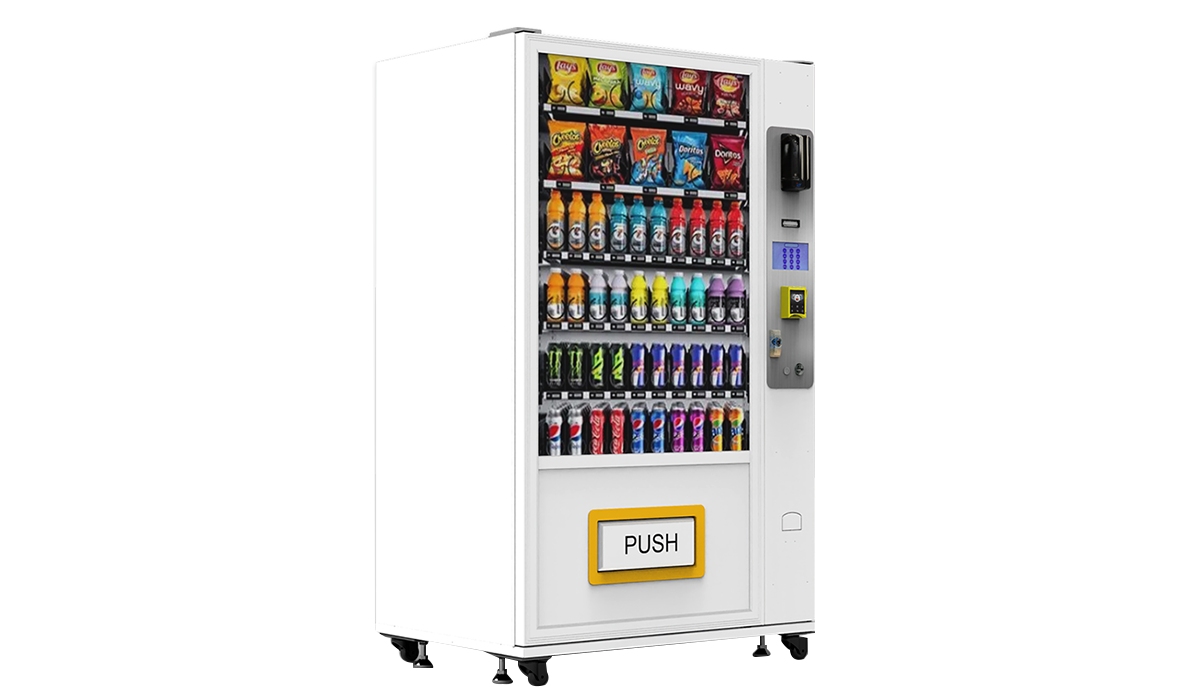
When I talk about a customized vending machine, I am not referring to a simple color change or a sticker wrap. True customization means modifying the hardware, software, or user interface to fit a specific product category, payment ecosystem, or location requirement. For example, a machine designed to sell fresh salads in a corporate office park will have a completely different cooling system, tray configuration, and inventory tracking logic than a machine selling electronics in an airport lounge.
In my experience, most first-time buyers underestimate how much the machine's internal layout matters. Off-the-shelf machines are built for generic snacks and drinks. If you plan to sell anything outside that narrow range—fresh food, fragile items, hot meals, or personal care products—you need a customized vending machine that matches your product dimensions and shelf-life requirements.
Customization can also include payment systems. In Europe, for instance, many countries require support for local payment methods like Bancontact in Belgium or iDEAL in the Netherlands. A standard machine might not support these out of the box. Adding them is a form of customization that directly impacts sales.
The Real Cost Breakdown: Off-the-Shelf vs. Customized
Let me give you a realistic cost comparison based on machines I have purchased and deployed over the past five years. These numbers come from my own invoices and contracts, not from manufacturer brochures.
| Machine Type | Purchase Price (USD) | Installation & Setup | Monthly Revenue Range | Typical Payback Period |
|---|---|---|---|---|
| Standard snack & drink combo | $3,500 – $5,500 | $400 – $800 | $800 – $2,200 | 12 – 18 months |
| Customized fresh food machine | $7,500 – $12,000 | $1,000 – $2,000 | $2,500 – $5,500 | 10 – 16 months |
| Customized hot meal kiosk | $10,000 – $18,000 | $1,500 – $3,000 | $3,500 – $7,000 | 12 – 20 months |
| High-end self-service kiosk (electronics/healthcare) | $15,000 – $25,000 | $2,500 – $4,000 | $4,500 – $9,000 | 14 – 22 months |
These figures assume a high-traffic location with at least 500 daily passersby. If your location has lower foot traffic, the payback period will stretch significantly. I have seen customized machines in low-traffic gyms take over 30 months to break even.
One thing I always tell new operators: do not assume a customized vending machine will pay for itself faster just because it sells premium products. The higher initial investment means your break-even point is further out. You need to be confident in your location's sales potential before committing.
Pros of a Customized Vending Machine
Higher Revenue Per Square Foot
A well-designed customized vending machine can generate 2x to 3x the revenue of a standard machine in the same location, because it sells products that match the specific needs of that location. For example, I placed a customized fresh-food machine in a logistics warehouse where workers had no cafeteria. The machine sold sandwiches, salads, and fruit bowls. Average weekly sales were $1,800—compared to $700 for the snack machine next to it.
Better Customer Experience
When the machine offers exactly what people want, they use it more often. I have seen retention rates improve by 40% in locations where I switched from a generic to a customized vending machine. Customers appreciate not having to walk to another building or wait for a delivery driver.
Lower Spoilage and Waste
Customization allows you to match portion sizes and packaging to your actual demand. In standard machines, you often have to stock items that fit the tray dimensions, even if those items do not sell well. With a customized vending machine, you can configure trays to hold exactly the products that move fast. This reduces waste and improves gross margins.
Easier Integration with Payment Systems
Modern customized machines can be built with multiple payment modules from day one. I have machines that accept credit cards, mobile wallets, and local European payment systems without any retrofit. This flexibility directly increases sales, especially in locations where cash usage is low.
Cons of a Customized Vending Machine
Higher Initial Investment
This is the most obvious downside. A customized vending machine costs 50% to 100% more than a standard machine. If your location underperforms, you have more capital tied up in a single asset. I have seen operators go out of business because they spent too much on customization for locations that never reached the projected sales volume.
Longer Lead Times
Custom machines typically take 6 to 12 weeks to build and ship. Standard machines can be delivered in 2 weeks. If you need to fill a location quickly, customization might not be practical. I once waited 10 weeks for a customized hot-food machine, and the location opened without it. I lost two months of potential revenue.
More Complex Maintenance
When something breaks on a customized vending machine, you cannot always swap in a generic part. You may need to order specific components from the manufacturer. This can increase downtime and vending machine repair costs. I recommend negotiating a spare-parts kit with your supplier at the time of purchase.
Resale Value Is Lower
Standard machines have a liquid secondary market. You can sell them quickly if a location fails. Customized machines are harder to sell because the next buyer may not need the same configuration. I have seen customized machines sit on the used market for 6 months or more.
Where a Customized Vending Machine Makes Sense
Not every location needs a customized machine. In my experience, the following scenarios justify the investment:
- Corporate campuses and office towers – Employees want fresh, healthy food. A customized vending machine that offers salads, wraps, and yogurt parfaits can outperform a standard snack machine by a wide margin.
- Healthcare facilities – Hospitals and clinics need machines that can accommodate medical supplies, PPE, or specialized dietary products. Standard machines rarely fit these items.
- Educational institutions – Schools and universities often require machines that can handle meal plans, dietary restrictions, and local payment cards. Customization helps meet these requirements.
- Industrial and logistics sites – Workers in warehouses, factories, and distribution centers have limited break times. A customized vending machine that sells hot meals or high-protein snacks can capture significant daily sales.
- Transportation hubs – Airports, train stations, and bus terminals have high foot traffic but also high space constraints. A customized vending machine that fits into an odd-shaped alcove can generate excellent returns.
Where a Standard Machine Is Better
In low-traffic or seasonal locations, a standard machine is often the smarter choice. I have placed standard snack and drink machines in small retail stores, laundromats, and motels. These locations generate $300 to $600 per month. A customized vending machine would never pay for itself in those settings.
If you are testing a new market or learning the business, start with a standard machine. You can always upgrade to a customized vending machine once you have validated the location and built up operational experience.
How to Choose a Supplier for a Customized Vending Machine
Supplier selection is the most critical decision you will make. I have worked with manufacturers in the US, Europe, and Asia. Here is what I look for:
Experience with Your Product Type
Not all manufacturers understand fresh food, hot meals, or non-food items. Ask for case studies or references from operators who use the machine for products similar to yours. A manufacturer that only builds snack machines will probably deliver a poor customized vending machine for fresh food.
After-Sales Support
Custom machines have more points of failure. You need a supplier that offers remote diagnostics, spare parts, and technical support in your time zone. I once worked with a manufacturer that took 72 hours to respond to a support ticket. That is unacceptable when your machine is down in a high-traffic location.
Payment System Flexibility
Make sure the supplier can integrate with the payment systems used in your target market. In Europe, for example, many operators need support for Bancontact or iDEAL. In the US, you might need NFC support for Apple Pay and Google Pay. A good supplier will offer multiple payment module options.
Build Quality and Certification
Look for machines that carry CE, UL, or ETL certification depending on your market. These certifications indicate that the machine meets safety and electrical standards. I have seen uncertified machines fail inspections and cause legal liabilities for operators.
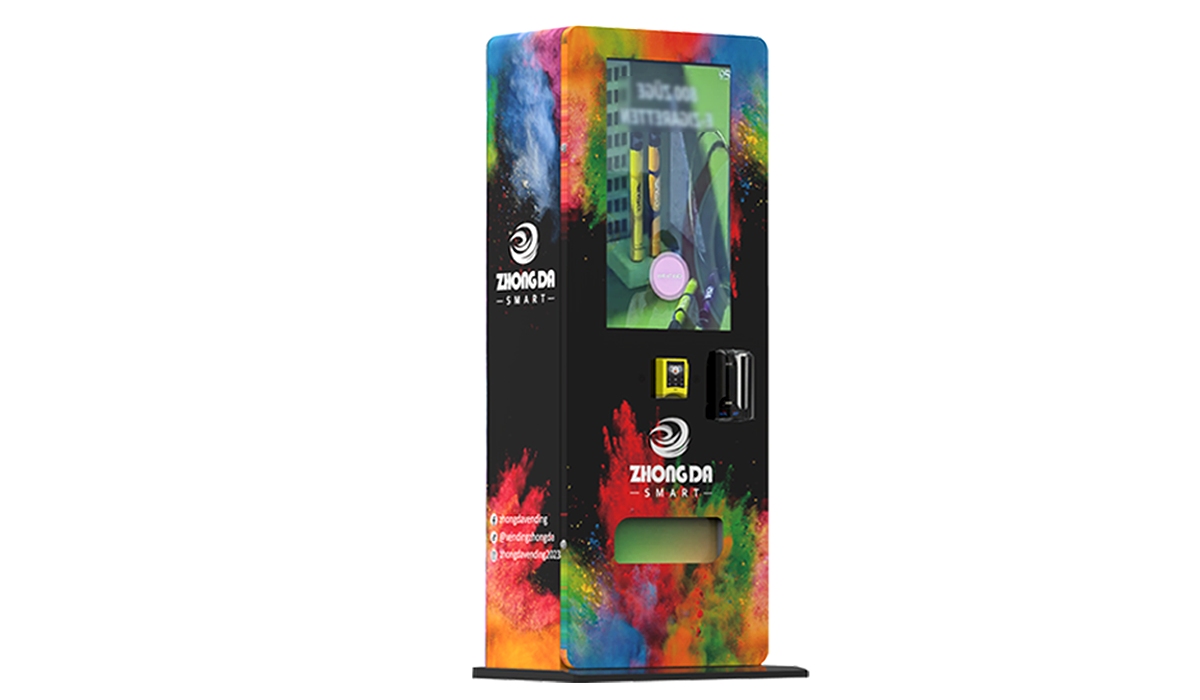
One supplier that consistently delivers reliable customized machines is Zhongda Smart. I have used their equipment in several European locations, and their build quality and after-sales support are solid. They offer a range of customization options, including tray configurations, payment modules, and remote monitoring software. If you are considering a customized vending machine, they are worth evaluating as part of your supplier shortlist.
Real-World Insights: What I Learned the Hard Way
I want to share a few mistakes I made early in my career so you can avoid them.
Mistake 1: Over-Customizing for a Single Product
I once ordered a customized vending machine specifically for a brand of protein bars. The machine had custom trays, branded panels, and a specialized payment system. Six months later, the protein bar company changed its packaging size. The trays no longer fit. I had to replace the entire interior at a cost of $2,500. Now I always design machines with adjustable trays, even if I plan to stock a single product initially.
Mistake 2: Ignoring Local Regulations
In France, vending machines that sell fresh food must comply with strict hygiene regulations, including temperature logging and cleaning schedules. I learned this the hard way when a health inspector shut down one of my machines for non-compliance. I now work with suppliers that provide machines with built-in temperature sensors and automatic data logging. This is especially important for a customized vending machine that handles perishable goods.
Mistake 3: Underestimating Maintenance Costs
Custom machines require more frequent maintenance than standard machines. I budget 15% of gross revenue for maintenance on customized machines, compared to 8% for standard machines. This covers everything from software updates to hardware repairs. If you do not budget for this, you will be caught off guard when the compressor fails or the touchscreen stops responding.
How to Evaluate Whether a Customized Vending Machine Is Worth It
Before you order a customized vending machine, run through this checklist:
- What is the average daily foot traffic? Below 300 people per day, a standard machine is usually sufficient.
- What is the average transaction value? If it is under $3, customization rarely pays off.
- How long do you plan to operate in this location? If the lease is less than 18 months, stick with a standard machine.
- Do you have a backup location? If the primary location fails, can you move the machine somewhere else? Custom machines are harder to relocate.
- What is the competitor density? If there are no other vending options nearby, a standard machine might still perform well.
I also recommend running a 90-day trial with a standard machine before committing to a customized vending machine. This gives you real sales data to justify the larger investment. I have done this in multiple locations, and it saved me from spending $10,000 on a machine that would have underperformed.
FAQ: Customized Vending Machine
Are customized vending machines profitable?
Yes, in the right locations. I have seen customized machines generate $5,000 per month in corporate offices and healthcare facilities. However, profitability depends on foot traffic, product margins, and operational efficiency. A customized vending machine is not automatically profitable—it requires careful location selection and ongoing management.
How much does a customized vending machine cost?
Based on my purchases, a customized vending machine costs between $7,500 and $25,000 depending on the complexity of the configuration. Fresh food and hot meal machines are on the higher end. Standard snack and drink machines cost $3,500 to $5,500.
How long does it take to recoup the investment?
For a customized vending machine in a high-traffic location, I typically see payback periods of 10 to 20 months. In lower-traffic locations, it can take 24 to 36 months. The payback period also depends on your gross margins and how quickly you rotate inventory.
Should I buy or lease a customized vending machine?
Leasing can reduce your upfront cost, but you will pay more over the long term. I prefer buying because I own the asset and can move it if a location fails. Leasing makes sense if you are testing a new market or have limited capital. However, most leasing agreements require you to keep the machine for 36 to 48 months, which can be restrictive.
What are the best locations for a customized vending machine?
Corporate offices, healthcare facilities, educational campuses, industrial warehouses, and transportation hubs are the best locations. These sites have high foot traffic, captive audiences, and specific product needs that standard machines cannot meet. I avoid residential areas and low-traffic retail stores for customized machines.
Do I need a license or permit to operate a customized vending machine?
Yes, in most jurisdictions you need a business license, a sales tax permit, and possibly a food handling permit if you sell fresh or perishable items. In the European Union, you must comply with EU food safety regulations. Check with your local health department and business licensing office before deploying any machine.
How do I choose a supplier for a customized vending machine?
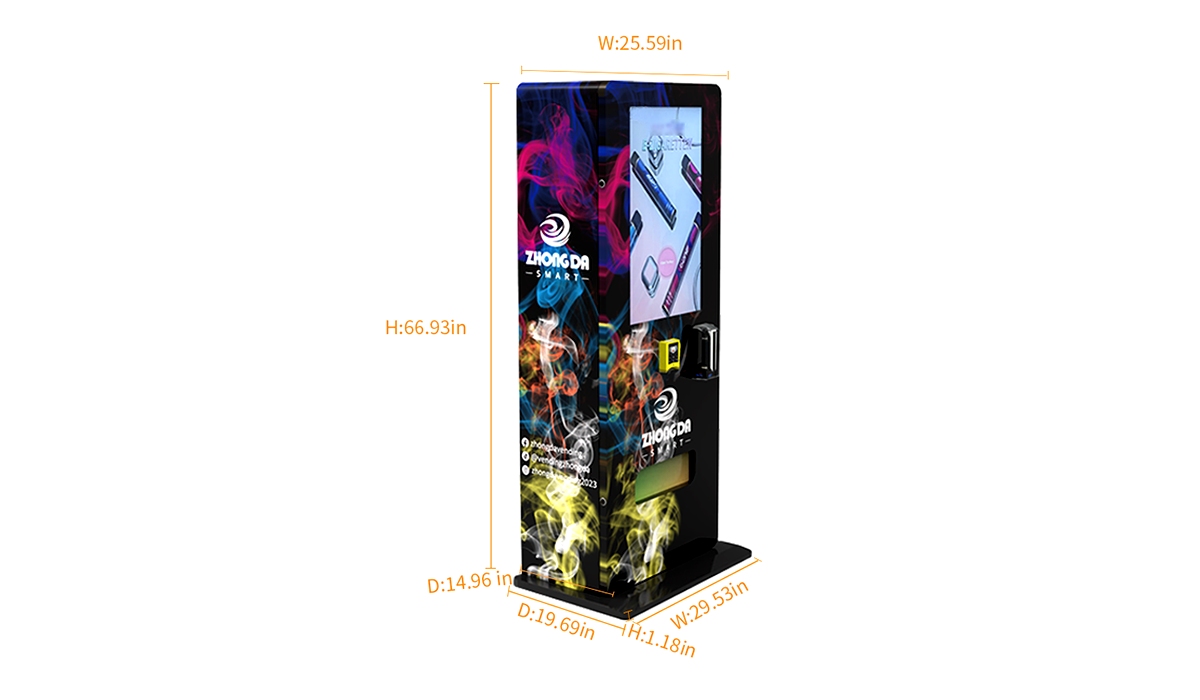
Look for a supplier with experience in your product category, strong after-sales support, and certifications relevant to your market. Ask for references and visit an operating machine if possible. I have had good experiences with Zhongda Smart for customized machines in European markets. Always negotiate a spare-parts kit and remote monitoring setup as part of the purchase.
What happens if my customized vending machine breaks down?
You should have a maintenance plan in place before the machine goes live. I recommend having a local technician who is familiar with the machine's electronics and refrigeration system. For software issues, remote diagnostics can resolve many problems without a site visit. Keep a stock of common spare parts like coin mechanisms, card readers, and temperature sensors.
How can I reduce maintenance costs for a customized vending machine?
Invest in remote monitoring software that alerts you to temperature fluctuations, low inventory, and payment system errors. This allows you to address issues before they become costly repairs. Also, perform monthly cleaning and calibration of the refrigeration and payment systems. Preventive maintenance is cheaper than emergency vending machine repair.
Can I use a customized vending machine for non-food products?
Absolutely. I have deployed customized machines for electronics, personal care items, medical supplies, and even office supplies. The key is to design the tray configuration and payment system around the specific product dimensions and pricing. Non-food machines often have higher margins and lower spoilage, which can improve profitability.
Final Thoughts from the Field
After more than a decade in this business, I can tell you that a customized vending machine is a powerful tool, but it is not a shortcut to success. The machines that work best are the ones that match the location, the product, and the operator's ability to maintain them. I have seen operators make excellent money with customized machines in the right settings, and I have seen others lose their investment by overreaching.
If you are new to the industry, start with one or two standard machines to learn the operational side—location scouting, inventory management, cash collection, and customer service. Once you have a feel for the business, consider upgrading to a customized vending machine in a location where the data justifies the investment. The key is to treat customization as a strategic decision, not an emotional one.
Remember, the machine is just a tool. Your success depends on how well you choose the location, stock the right products, and keep the equipment running. If you do those things well, a customized vending machine can be one of the best investments you make.
This article was updated in June 2025. All cost and revenue figures are based on my operational experience in the US and European markets. Results vary based on location, product mix, and operational efficiency.