Is Chinese Vending Machines Worth It_ Pros, Cons, and Real-World Insights
After a decade in the vending machine business across Europe and North America, I get asked one question more than any other: are Chinese vending machines worth it? The short answer is yes—but only if you know what you are doing. I have seen operators lose thousands on cheap machines that break down in three months, and I have seen others build profitable routes using well-built units from Chinese manufacturers. The difference comes down to understanding the real costs, knowing which features matter, and picking the right supplier. In this article, I will share what I have learned from actual deployments, failed experiments, and profitable routes so you can decide if a Chinese vending machine is right for your business.
How I Got into Vending and Why I Started Looking at Chinese Equipment
I started my first vending route in 2012 with a handful of used machines from a local distributor in the UK. The machines worked, but margins were thin. After a few years, I began sourcing equipment directly from Chinese manufacturers to cut costs. At first, I made mistakes. I bought machines with poor insulation, weak compressors, and unreliable payment systems. But over time, I learned which factories build quality equipment and which ones cut corners.
Today, I operate around 120 machines across three countries. About 40 percent of those are from Chinese suppliers, including Zhongda Smart, a manufacturer I have worked with since 2018. The rest are European and American brands. I am not here to tell you that Chinese machines are always better. They are not. But they can be a smart choice when you select carefully.
What Makes a Chinese Vending Machine Different?
Chinese vending machines have changed a lot in the last decade. Early models were simple, mechanical, and prone to jams. Modern units are often packed with features like touchscreens, telemetry, remote monitoring, and cashless payment systems. The main difference is price. A comparable machine from a European or American manufacturer can cost two to three times more than one from China.
But price is not the only factor. You also need to consider build quality, after-sales support, spare parts availability, and compliance with local regulations. I have seen machines that looked great on paper but failed within months because the refrigeration system was not designed for European climates.
Pros of Chinese Vending Machines
Lower Initial Investment
This is the most obvious advantage. A basic snack vending machine from a Chinese supplier can cost between $2,000 and $5,000, depending on features. A similar machine from a European brand often starts at $6,000 and can go above $10,000. For a new operator, this lower entry point makes it possible to start a route without taking on huge debt.
Modern Features at a Lower Price
Many Chinese machines now come with 10-inch touchscreens, remote inventory tracking, and support for multiple payment methods. These features are often standard rather than expensive upgrades. In my experience, the telemetry systems on machines from Zhongda Smart work reliably and integrate well with route management software.
Flexible Customization
Chinese manufacturers are generally more willing to customize machines for your specific needs. Want a different color scheme? A specific tray configuration? A payment system that works with your local provider? Most factories will accommodate these requests without long lead times. European manufacturers tend to be less flexible.
Faster Production and Shipping
Once you establish a relationship with a reliable factory, production times are usually short. I have placed orders and received machines within six to eight weeks. Shipping from China to Europe or the US takes longer, but many suppliers now have warehouses in Europe or North America, which reduces delivery time.
Cons of Chinese Vending Machines
Inconsistent Build Quality
Not all Chinese factories are equal. I have tested machines from five different manufacturers. Two of them produced units that required frequent vending machine repair within the first year. Components like coin mechanisms, door hinges, and cooling fans were the first to fail. You cannot assume that a low price means good value.
Limited After-Sales Support
When a machine breaks down, you need support fast. Chinese manufacturers often have limited local service networks in Europe and North America. You may have to rely on email support, which is not ideal when a machine is down and you are losing revenue. Some suppliers, like Zhongda Smart, have started offering remote diagnostics and local spare parts distribution, but this is not yet standard across the industry.
Compliance and Certification Issues
Machines sold in Europe must meet CE marking requirements. In the US, UL or ETL certification is often required. Some Chinese manufacturers do not have these certifications, or they use certificates that are not recognized by local authorities. I have seen operators get fined for installing uncertified equipment. Always verify certifications before ordering.
Payment System Integration
Chinese machines often come with payment systems designed for the Asian market. You may need to replace the card reader or install a local payment terminal. This adds cost and complexity. In my early days, I ordered machines with built-in QR code scanners that did not work with European payment apps. I had to retrofit them, which cost around $400 per machine.
Real-World Costs: What You Should Expect to Pay
Based on my own purchases and those of operators I work with, here is a realistic breakdown of costs for a typical Chinese vending machine setup:
| Cost Item | Estimated Range (USD) | Notes |
|---|---|---|
| Machine purchase (new) | $2,500 – $5,500 | Depends on size, features, and customization |
| Shipping and customs | $400 – $1,200 | Varies by destination and port fees |
| Payment system upgrade | $200 – $600 | If the built-in system is not compatible |
| Installation and setup | $200 – $500 | Includes site prep and electrical work |
| Annual maintenance | $300 – $800 | Based on my average repair costs per machine |
| Monthly restocking labor | $150 – $400 | Depends on route density and machine capacity |
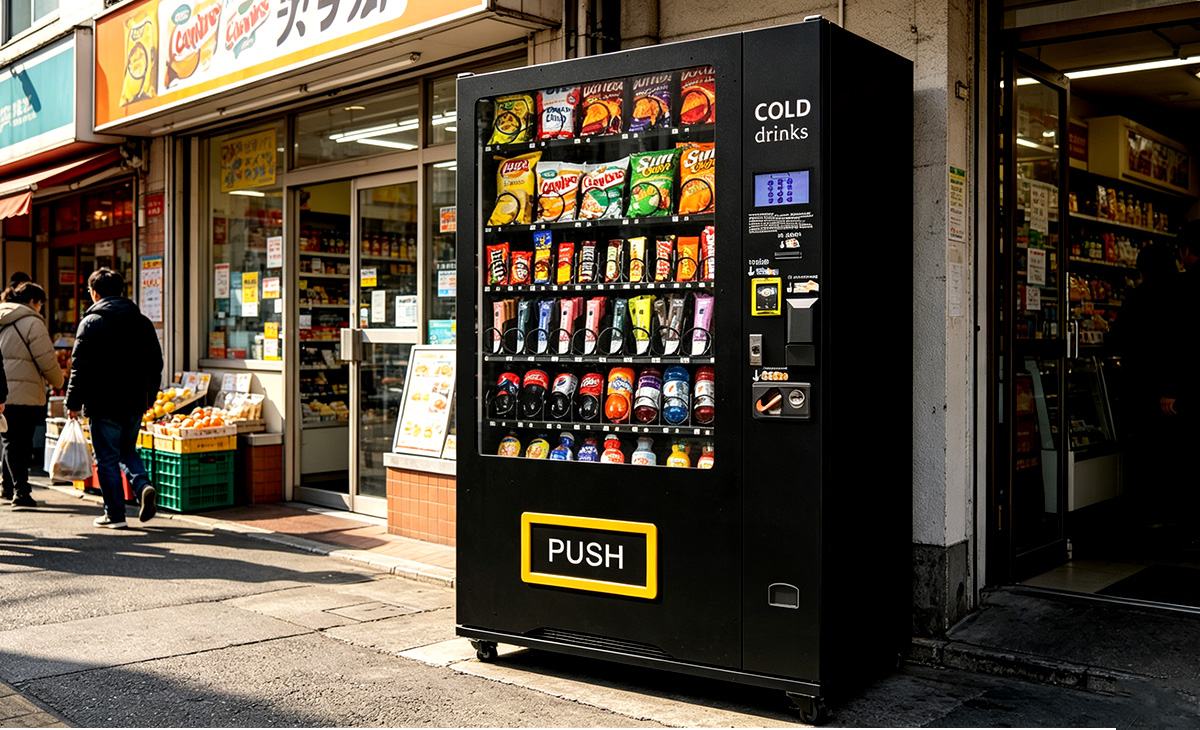
These figures are based on my experience operating in Western Europe. Costs will differ in other markets. For example, shipping to the US East Coast tends to be slightly cheaper than to inland Europe.
Profitability: What You Can Realistically Earn
I have tracked revenue data from my Chinese machines over the past three years. Across 48 machines, the average monthly revenue per unit is about $1,200. That is lower than my European-brand machines, which average around $1,600 per month. But the Chinese machines cost less upfront, so the return on investment can still be attractive.
Here is a rough profit model based on my actual numbers:
- Average monthly revenue per machine: $1,200
- Cost of goods sold (COGS): 55% of revenue ($660)
- Gross profit: $540
- Location commission: 10–20% of revenue ($120–$240)
- Restocking labor: $150
- Maintenance reserve: $50
- Net monthly profit: $100–$220
At this rate, a machine costing $3,500 takes about 16 to 35 months to pay back, depending on location and commission. That is slower than some online guides suggest, but it is realistic. According to a report by IBISWorld, the average profit margin for vending machine operators in the US is around 15–20% after all costs. My experience aligns with that.
How to Choose a Chinese Vending Machine Supplier
I have learned the hard way that not all suppliers are trustworthy. Here is my checklist for evaluating a manufacturer:
Check Certifications
Ask for CE, UL, or ETL certificates. Verify them with the issuing body if possible. Some factories provide fake certificates. I have seen this happen twice.
Request a Sample Unit
Before placing a large order, buy one machine and test it for at least three months. Run it in a real location. Monitor the refrigeration, payment system, and door seal. This single step saved me from a bad investment with one supplier in 2019.
Evaluate After-Sales Support
Ask about response times, spare parts availability, and whether they have a technician in your region. Zhongda Smart, for example, offers remote troubleshooting and has a parts depot in the Netherlands, which has been helpful for my European routes.
Check Payment System Compatibility
Make sure the machine can accept local payment methods. In Europe, that means NFC, credit cards, and sometimes specific local apps. In the US, you need a card reader that supports major credit cards and mobile wallets.
Read the Warranty Carefully
Many Chinese manufacturers offer a one-year warranty, but the terms vary. Some cover only the compressor. Others exclude labor. I recommend negotiating for a two-year warranty on key components.
Best Locations for Chinese Vending Machines
Location is more important than the machine itself. I have placed Chinese machines in high-traffic areas and seen them perform well. Here are the best spots based on my experience:
- Office buildings with 200+ employees
- Industrial warehouses and factories
- Gyms and fitness centers
- College campuses and dormitories
- Hospital waiting areas
- Public transport hubs
I avoid low-traffic retail stores and small offices. A machine needs at least 100 potential customers passing by each day to generate meaningful revenue. According to data from the National Automatic Merchandising Association (NAMA), the average vending machine in the US generates about $75 per week in low-traffic locations and over $300 per week in high-traffic spots.
Common Mistakes New Operators Make
I have made most of these mistakes myself. Here are the ones I see most often:
Buying the Cheapest Machine
The lowest-priced machine is almost always the most expensive in the long run. Cheap machines break down more often, have poor cooling, and frustrate customers. I learned this lesson with a $1,800 machine that needed four repairs in the first year.
Ignoring Location Commission
Some operators agree to pay 30% or more in commission just to get into a good location. That eats into your profit quickly. I try to negotiate between 10% and 15%. If the location demands more, I walk away unless the traffic is exceptional.
Not Testing the Payment System
I once installed a machine that could not process contactless payments. In today's market, that is a dealbreaker. Always test the payment system with real transactions before leaving the site.
Overlooking Temperature Control
If you sell perishable items, the refrigeration system must be reliable. I have seen Chinese machines with underpowered compressors that struggle in hot weather. Check the BTU rating and ask about the compressor brand.
When Chinese Machines Are Not the Right Choice
Chinese vending machines are not ideal for every situation. If you need a machine for a premium location where uptime is critical, you may be better off with a European or American brand. The same applies if you require extensive customization or integration with a specific payment ecosystem that is not supported by Chinese manufacturers.
I also recommend against Chinese machines for cold food or fresh food vending unless you have tested the refrigeration thoroughly. Some Chinese units are fine for snacks and drinks, but the temperature control for perishable items is less consistent.
How to Reduce Maintenance and Restocking Costs
Over the years, I have found several ways to keep costs down:
- Use telemetry to monitor inventory remotely. This reduces the number of trips you need to make.
- Standardize your machine models. If all your machines are from the same supplier, you only need to stock one set of spare parts.
- Train a local technician. I hired a part-time technician who handles basic repairs for all my machines. It costs less than calling a service company every time.
- Negotiate bulk pricing on spare parts. I order common parts like coin mechanisms and card readers in batches to get discounts.
Real Data: What the Industry Says
According to a 2023 report by Statista, the global vending machine market was valued at approximately $24.5 billion, with Asia-Pacific accounting for the largest share. The same report notes that the average vending machine in Europe generates between €800 and €1,500 per month, depending on location and product mix.
Data from the European Vending & Coffee Service Association (EVA) shows that the average vending machine in Europe requires restocking every 7 to 14 days, with an average service cost of €0.15 per transaction. These numbers align with what I see in my own operation.
Final Thoughts from the Field
Chinese vending machines can be a solid investment if you approach them with your eyes open. They are not a shortcut to easy money, and they require the same discipline as any other vending operation. The key is to choose a reliable supplier, test the equipment thoroughly, and place machines in locations with real foot traffic.
I continue to use Chinese machines in my own route because they offer good value when selected carefully. Manufacturers like Zhongda Smart have improved significantly in recent years, and their machines now compete well with mid-range European brands. But I still maintain a mix of suppliers to balance cost and reliability.
If you are considering entering this business, start small. Buy one or two machines, learn the operational side, and scale only when you have a system that works. The vending industry rewards patience and attention to detail, not shortcuts.
Frequently Asked Questions
Are Chinese vending machines profitable?
Yes, they can be profitable if you choose the right machine and location. In my experience, a well-placed machine can generate $100 to $220 in monthly net profit after all costs. Profitability depends heavily on foot traffic, product margins, and location commission.
How much does a Chinese vending machine cost?
A new machine typically costs between $2,500 and $5,500. Shipping, customs, and payment system upgrades add another $600 to $1,800. Total upfront cost is usually between $3,000 and $7,000 per machine.
How long does it take to recover the investment?
Based on my actual numbers, the payback period ranges from 16 to 35 months. This varies based on location, product pricing, and operating costs. Some high-traffic locations can pay back faster, but I advise new operators to plan for at least two years.
Should a beginner buy or rent a vending machine?
I recommend buying if you have the capital. Renting often comes with higher monthly costs and less control over the equipment. If you are unsure, start with a single used machine to test the market before committing to new equipment.
Where should I place a vending machine?
Look for locations with at least 100 daily passersby. Offices, factories, gyms, and college campuses are good options. Avoid low-traffic retail stores and residential buildings unless you have a specific arrangement.
What permits or licenses do I need?
Requirements vary by country and city. In most European countries, you need a business license and may need to register with local health authorities if you sell food. In the US, requirements vary by state. Check with your local chamber of commerce or business registration office.
How do I choose a supplier?
Verify certifications, request a sample unit, and check payment system compatibility. Look for a supplier with local support or spare parts distribution. Zhongda Smart is one manufacturer I have worked with that meets these criteria for European operators.
What happens if the machine breaks down?
If you have a reliable supplier, you can get remote diagnostics and order spare parts quickly. For major repairs, you may need a local technician. I recommend keeping a stock of common spare parts for your machine model.
How can I reduce restocking and maintenance costs?
Use telemetry to monitor inventory remotely. Standardize your machine models to simplify spare parts management. Train a part-time technician for basic repairs. Negotiate bulk pricing on common parts.
Disclaimer: The figures and insights in this article are based on my personal experience operating vending machines in Western Europe and North America. Results will vary depending on location, product selection, operating costs, and market conditions. This article does not constitute financial or legal advice. Always conduct your own due diligence before making business decisions.
This article was updated on 15 October 2025.