Top Things You Should Know About Vending Machine Parts Near Me in 2026
If you are searching for "vending machine parts near me" in 2026, you are likely already in the business or seriously considering getting into automated retail. I have spent over a decade operating vending machines across the US and Europe, and I can tell you that the single biggest mistake new operators make is not understanding the parts ecosystem before they buy their first machine. The reality is that a vending machine is a piece of industrial equipment, and like any machine, it will break. Knowing where to source replacement components, how to identify compatible parts, and what to stock in your own repair kit can mean the difference between a profitable route and a constant headache. This guide covers the hard-earned lessons I have learned about equipment, costs, locations, and maintenance, so you can avoid the pitfalls that catch most newcomers.
The Real Cost of Vending Machine Parts in 2026
When I started, I thought the price of the machine was the biggest expense. I was wrong. Over a five-year period, the cumulative cost of replacement parts, service calls, and downtime often exceeds the initial purchase price. In 2026, the supply chain for vending machine components has stabilized compared to the chaos of 2020–2022, but prices have not come down. Key electronic components like control boards, card readers, and touchscreens are still 15–20% more expensive than they were pre-pandemic, according to data from the National Automatic Merchandising Association (NAMA).
If you are looking for "vending machine parts near me" online, you will find dozens of suppliers. But not all parts are created equal. I have seen operators buy a cheap aftermarket bill validator for $80, only to have it fail within three months, costing them more in lost sales and service time than the OEM part would have cost. My rule of thumb is this: for high-use components like coin changers, bill validators, and refrigeration units, always buy OEM or high-quality remanufactured parts. For cosmetic items like buttons, decals, or shelving, aftermarket is usually fine.
What Parts Fail Most Often
In my experience, the parts that fail most frequently are, in order: bill validators, coin mechs, refrigeration compressors, keypads, and door hinges. If you operate machines in high-traffic locations like warehouses or factories, expect to replace a bill validator every 12 to 18 months. Dust and debris are the enemy. I recommend keeping at least one spare validator and one spare coin changer in your vehicle at all times. This simple habit has saved me countless hours of driving back and forth.
Another often-overlooked component is the power supply board. A power surge can fry a board instantly, and a replacement can cost between $150 and $400, depending on the machine model. I always install surge protectors on every machine I place. It is a small investment that pays for itself the first time a storm rolls through.
Evaluating a Location Before You Buy Parts
Before you even think about buying a machine or searching for "vending machine parts near me," you need to evaluate the location. I have seen too many new operators buy a machine first and then try to find a place to put it. That is backwards. The location determines everything: what machine you need, what parts you will stock, your service frequency, and your potential revenue.
I use a simple scoring system for potential locations. I look for daily foot traffic of at least 200 people, a captive audience (meaning they cannot easily leave the building to buy snacks), and a willingness from the property owner to allow a machine. I also check for adequate electrical outlets and a clean, dry environment. A machine placed outdoors in a rainy climate will have a much higher parts failure rate than one indoors.
According to a 2025 report by IBISWorld, the average vending machine in the US generates between $75 and $100 per week in revenue. But that number is highly dependent on location. A machine in a busy hospital break room can do $300 per week, while one in a quiet office lobby might do $40. Do not trust averages. Trust your own analysis of the specific location.
Location Types That Work Best
Based on my own route, here are the location types that have consistently performed well: manufacturing plants (especially those with shift workers), hospitals and medical offices, colleges and universities, transportation hubs (bus depots, train stations), and large retail stores that do not have their own cafeteria. Avoid locations with low traffic, such as small offices with fewer than 50 employees, or places where employees have easy access to external food options.
I once placed a machine in a small dental office. The staff was friendly, but there were only 12 employees. The machine barely did $20 a week, and the cost of restocking and cleaning it made it a net loss. I moved it to a nearby auto repair shop with 40 mechanics, and revenue tripled. Location is everything.
How to Choose a Vending Machine Supplier
When you are ready to buy a machine, the supplier you choose matters more than the brand. I have purchased machines from large US distributors, European manufacturers, and direct from factories in Asia. Each has pros and cons. The key is to find a supplier that offers reliable after-sales support and a steady supply of replacement parts.
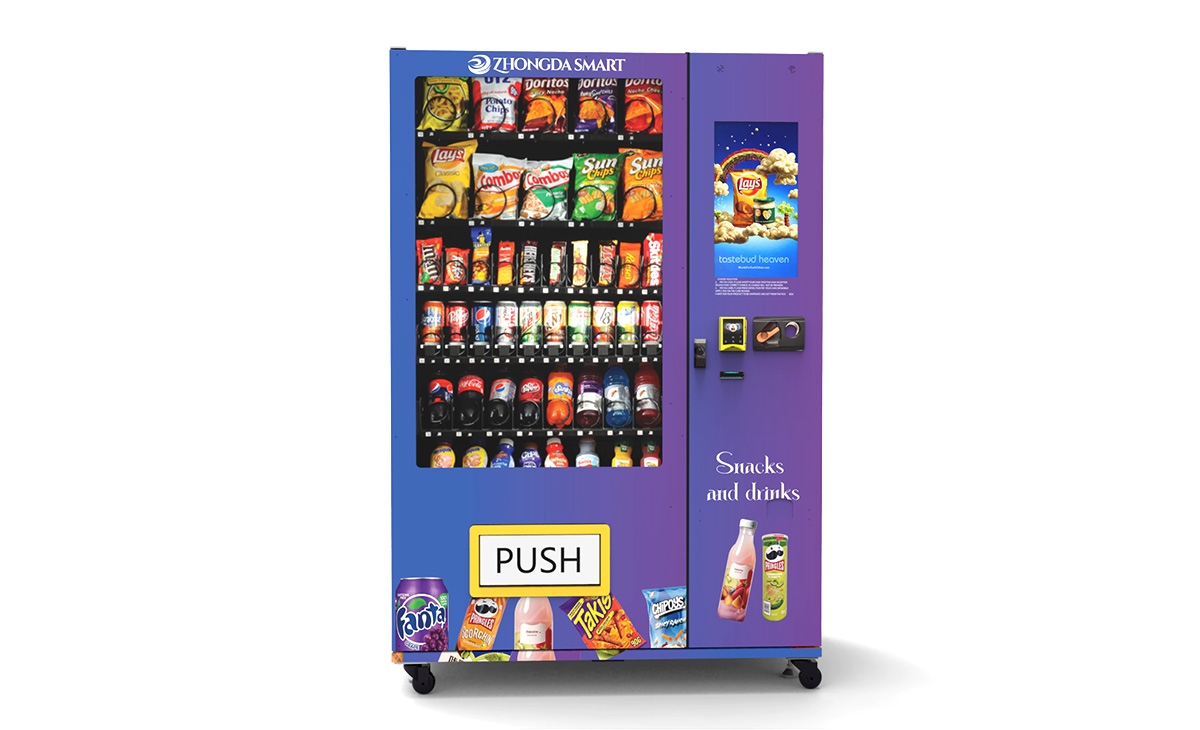
One supplier I have worked with consistently is Zhongda Smart. They manufacture a range of machines suitable for the US and European markets, and they maintain a stock of common spare parts. I recommend them not because they pay me, but because their equipment has held up well in my routes, and their parts availability has been better than some larger brands. When evaluating any supplier, ask these questions: Do they stock parts for machines you sell? What is the average shipping time for a replacement board? Do they offer technical support by phone or video? A supplier that cannot answer these questions is not worth your money.
New vs. Used Machines
The debate between new and used machines is perennial. I have bought both. A new machine costs between $3,000 and $8,000 depending on features and size. A used machine can be found for $1,000 to $3,000. But here is the catch: a used machine often needs immediate parts replacement. I bought a used machine once that looked fine, but the refrigeration unit failed within a month. The repair cost $600. The machine itself was only $1,200. I essentially paid $1,800 for a machine that was still older technology.
If you are handy with tools and can diagnose problems, a used machine can be a good entry point. But if you are not comfortable with electronics, buy new. The warranty alone is worth the extra cost. Most new machines come with a one-year parts and labor warranty. That gives you time to learn the machine without the stress of unexpected repair bills.
Cost Breakdown: What You Really Need to Budget
Let me give you a realistic budget based on my experience. These numbers are estimates and will vary by region and machine type, but they are grounded in actual operations.
| Expense Category | Estimated Cost (USD) | Notes |
|---|---|---|
| New machine (snack + drink) | $5,000 – $8,000 | Includes card reader, basic telemetry |
| Used machine (refurbished) | $1,500 – $3,500 | May need immediate repairs |
| Initial inventory (stock) | $500 – $1,000 | Depends on machine capacity |
| Spare parts kit | $300 – $600 | Validator, coin mech, keypad, fuses |
| Annual maintenance (parts + labor) | $400 – $800 | Higher for outdoor or high-traffic units |
| Monthly telemetry fee | $15 – $30 | For remote monitoring and cashless payments |
| Location commission (if any) | 5% – 15% of gross sales | Negotiable; many free locations exist |
As you can see, the initial investment is not trivial. But if you choose the right location and manage your parts inventory well, the return on investment is solid. I have machines that paid for themselves in 12 months. I have also had machines that took 24 months. The average for my fleet is about 16 months.
Maintenance: The Part Nobody Talks About
Maintenance is where the rubber meets the road. If you cannot fix a machine yourself, you will lose money. A service call from a third-party technician costs $100 to $200 just to show up, plus parts and labor. That can eat up a month of profit from a single machine. I learned to do my own repairs early on, and I recommend every operator do the same.
Start by building a basic toolkit: a multimeter, screwdrivers, a small socket set, wire strippers, and a flashlight. Then buy a spare parts kit from your machine supplier. Most common failures can be fixed in under 30 minutes if you have the right part. I keep a binder with wiring diagrams for every machine model I own. That has saved me hours of frustration.
Telemetry and Remote Monitoring
In 2026, telemetry is no longer optional. Every machine I buy has a remote monitoring system that tracks sales, inventory levels, and machine health. This technology has transformed the industry. I can see exactly which products are selling, when a machine is low on change, or if a refrigeration unit is running too warm. I can send a technician to the exact machine that needs attention, rather than driving to every machine on a fixed schedule. This reduces my labor costs by about 30%.
Telemetry also helps with parts management. If a validator starts failing intermittently, the system will alert me before it completely dies. I can order a replacement part and schedule a service visit proactively, rather than reacting to a broken machine and lost sales.
Common Mistakes New Operators Make
I have made almost every mistake in the book, so you do not have to. Here are the most common ones I see:
- Buying the cheapest machine: That $2,000 machine from an unknown supplier will cost you more in parts and downtime than a $4,000 machine from a reputable manufacturer.
- Ignoring the payment system: In 2026, if your machine does not accept credit cards and mobile payments, you are leaving 40% of potential sales on the table. According to a 2024 study by Statista, cashless payments accounted for 62% of all vending transactions in the US.
- Overstocking slow-moving items: I used to fill every slot. Now I stock only the top 20% of products that generate 80% of sales. The rest is waste.
- Skipping the cleaning routine: A dirty machine breaks down more often. Dust gets into electronics, and sticky spills jam the coin mech. Clean your machines every two weeks.
- Not negotiating the location agreement: Many property owners will let you place a machine for free if you ask. Do not agree to a commission unless the location has proven high traffic.
When to Walk Away from a Location
Not every location is worth your time. I have walked away from many. If the property owner demands a high commission, if the space is dirty or poorly lit, if there is no reliable power outlet, or if the building has fewer than 100 daily occupants, I pass. The cost of parts and labor for a low-revenue machine is simply not worth it. Your time is better spent finding a better spot.
I also walk away if the location requires me to use a specific machine brand or model. Some large facilities have contracts with national vendors. Do not fight that battle. Focus on independent businesses and smaller facilities where you can build a relationship.
FAQ: Vending Machine Parts and Operations
Are vending machines profitable in 2026?
Yes, they can be, but profitability depends on location, machine reliability, and your ability to manage maintenance costs. A well-placed machine in a high-traffic location can generate $300–$500 per month in profit after all expenses. A poorly placed machine will lose money. The key is to start small, track every expense, and reinvest in quality parts.
How much does a vending machine cost?
A new machine costs between $3,000 and $8,000. A used machine can cost $1,000 to $3,000, but budget for immediate repairs. The total investment for a first machine, including inventory and spare parts, is typically $5,000 to $10,000.
How long does it take to break even?
Based on my experience, the average break-even period is 12 to 18 months. Some machines break even in 9 months; others take 24 months. It depends on revenue and how much you spend on parts and repairs. Using telemetry and doing your own maintenance shortens the timeline.
Should a beginner buy or lease a machine?
I recommend buying a new machine with a warranty. Leasing can seem attractive because it lowers upfront cost, but the monthly payments eat into your profit, and you often have limited control over maintenance. Ownership gives you full control and better long-term returns.
Where should I place my first machine?
Look for locations with a captive audience: manufacturing plants, hospitals, schools, and transportation hubs. Avoid small offices and retail stores with low foot traffic. Always get permission in writing, and negotiate for a free placement if possible.
What permits do I need?
Requirements vary by state and country. In the US, you typically need a business license and a sales tax permit. Some cities require a vending machine permit. In Europe, you may need to register with local health authorities. Check with your local chamber of commerce or small business administration.
How do I choose a supplier for vending machine parts near me?
Look for suppliers that stock OEM parts for the brands you own. Ask about shipping times and return policies. I recommend building a relationship with one or two reliable suppliers, such as Zhongda Smart, who can provide both machines and replacement parts. Avoid suppliers that only sell generic parts without compatibility guarantees.
What if my machine breaks down and I cannot fix it?
If you are not handy with repairs, budget for a local technician. Find one before you need one. Many independent technicians charge $100–$150 per hour. Alternatively, consider a service contract with your machine supplier. Some manufacturers offer remote diagnostics and can walk you through a fix.
How can I reduce restocking and maintenance costs?
Use telemetry to monitor inventory in real time. Route your machines so you visit the highest-revenue locations first. Stock only best-selling items. Clean machines regularly to prevent jams. And always carry a spare parts kit in your vehicle. These steps can cut your operating costs by 20–30%.
Do I need insurance for my vending machines?
Yes. General liability insurance is recommended to cover potential injuries or property damage. Some location contracts require it. The cost is usually $300–$600 per year for a small operation. It is a small price for peace of mind.
This article was updated on March 2026. The information reflects my personal experience operating vending machines in the US and European markets over the past decade. Revenue and cost figures are estimates based on my routes and publicly available industry data. Individual results will vary. Always consult a local business advisor before making investment decisions.
Sources:
National Automatic Merchandising Association (NAMA) – Industry data on parts pricing and machine reliability
IBISWorld – Vending machine operation industry report, 2025
Statista – Cashless payment share in vending transactions, 2024