Is Innovative Vending Machines Worth It_ Pros, Cons, and Real-World Insights
After more than a decade in the automated retail space, I have watched the industry shift from simple snack and soda machines to sophisticated self-service kiosks that can sell everything from fresh pizza to electronics. The question I hear most often from new operators and business owners is whether these innovative vending machines are actually worth the investment. The short answer is yes, but only if you understand the real costs, choose the right equipment, and pick your locations with surgical precision. A machine that looks impressive in a showroom can become a money pit if placed in the wrong spot or if the maintenance requirements are underestimated. In this article, I will share what I have learned from deploying, servicing, and occasionally pulling machines out of failing locations, so you can decide if an innovative vending machine is right for your business.
What Makes a Vending Machine Innovative?
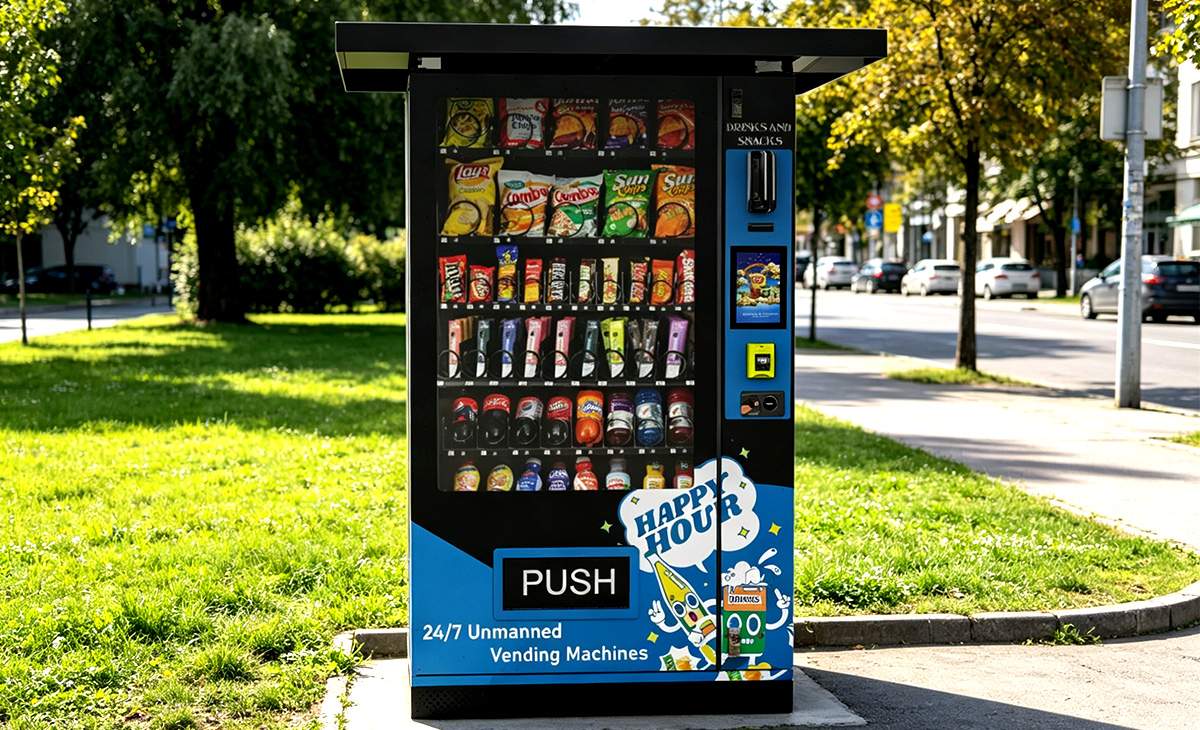
When I started in this business, a vending machine was a metal box with coils and a coin mechanism. Today, innovation means touchscreens, cashless payment systems, telemetry for remote monitoring, and even robotic arms that pick and place your product. These machines can handle fragile items like packaged salads or bakery goods without damaging them. Some models offer refrigeration with precise temperature zones for both perishable and non-perishable items. The most advanced units integrate with inventory management software that alerts you when stock is low or when a coil is jammed. This technology has turned vending from a passive income stream into an active retail channel that can compete with convenience stores.
However, innovation comes at a price. A basic machine might cost you around $3,000 to $5,000, while a high-end smart machine with a touchscreen, telemetry, and multi-temperature zones can run $8,000 to $15,000 or more. The question is whether the additional features translate into higher sales and lower operational costs. In my experience, they often do, but not always. You need to match the machine to the location and the customer base.
The Pros of Innovative Vending Machines
Higher Revenue Potential
One of the biggest advantages of modern machines is the ability to sell higher-margin items. Traditional vending machines are limited to packaged snacks and canned drinks. An innovative machine with refrigeration and a touchscreen interface can sell fresh sandwiches, fruit cups, yogurt, and even hot meals. I have placed machines in office buildings and hospitals where the average transaction jumped from $1.50 to over $4.00 simply because customers could buy a decent lunch. According to a report from IBISWorld, the vending machine industry in the United States generated over $7 billion in revenue in 2023, with a growing share coming from healthy and fresh food options. The data supports what I have seen on the ground: customers are willing to pay more for quality, and innovative machines enable that.
Lower Labor Costs
Another clear benefit is reduced labor. A traditional machine requires frequent restocking and manual cash collection. A smart machine with telemetry allows you to monitor inventory and sales remotely, so you only visit when necessary. This cuts down on fuel costs, labor hours, and vehicle wear. In one of my routes, switching to telemetry-equipped machines reduced my weekly visits from five days to two, saving roughly 60% in route labor costs. For a small operator, that is the difference between breaking even and turning a profit.
Better Customer Experience
Customers today expect convenience and speed. A machine that accepts credit cards, mobile wallets, and even contactless payments removes friction from the purchase. I have seen a 20% to 30% increase in sales after upgrading a location from a cash-only machine to one with a modern payment system. The touchscreen interface also allows for product images and nutritional information, which builds trust and encourages repeat purchases. In high-traffic locations like airports or universities, this can significantly boost revenue.
Data-Driven Decision Making
Telemetry systems provide real-time data on which products sell best, at what times, and in which locations. This allows you to optimize your product mix and pricing strategy. I have used this data to replace slow-moving items with higher-margin alternatives, increasing my gross margin by as much as 8% in some locations. Without telemetry, you are essentially flying blind, relying on guesswork and manual counts.
The Cons of Innovative Vending Machines
Higher Initial Investment
The upfront cost is the most obvious drawback. A basic machine might be affordable, but once you add telemetry, a touchscreen, and refrigeration, the price can easily exceed $10,000. For a new operator, this can be a significant barrier. I have seen people buy cheap machines to save money, only to find that the repair costs eat up any savings within the first year. You need to balance your budget with the expected return from the location.
Maintenance Complexity
Innovative machines are more complex than traditional ones. They have more electronic components, software, and moving parts. When something breaks, you often need a technician who understands both the hardware and the software. This can lead to longer downtime and higher repair costs. I have had machines sit idle for a week waiting for a replacement touchscreen or a software update. In contrast, a traditional machine can often be fixed with a simple part swap. If you are not prepared for this, the downtime can kill your profitability.
Dependence on Technology
Telemetry and cashless payments rely on cellular networks or Wi-Fi. If the signal is weak or the network goes down, you lose sales. I have had locations where the cellular signal was inconsistent, causing the payment terminal to fail intermittently. This is frustrating for customers and can damage your reputation. You need to test connectivity before installing a machine and have a backup plan, such as a secondary payment method or an offline mode.
Higher Restocking Complexity
While telemetry reduces the frequency of visits, the restocking process itself can be more complex. Fresh food items have expiration dates, and you need to manage inventory carefully to avoid waste. In one of my locations, I had to pull expired items every three days, which added to the labor cost. If you are not disciplined about rotation and date checking, you can lose money on spoiled products. This is less of an issue with traditional machines that only sell shelf-stable items.
Real-World Insights from the Field
I have placed machines in a wide variety of locations: office buildings, hospitals, schools, gyms, manufacturing plants, and even a few unusual spots like a car dealership and a laundromat. Not all of them worked out. The most successful locations had consistent foot traffic, a captive audience, and limited competition. For example, a hospital break room where the nearest cafeteria is a five-minute walk away can generate $500 to $800 per week in revenue. An office building with 200 employees but a subsidized cafeteria on site might only do $100 per week. The difference is not just the number of people, but their need and willingness to buy.
One of my biggest failures was placing a high-end machine in a gym that had a smoothie bar. The machine offered protein bars and bottled water, but the smoothie bar offered fresh drinks and social interaction. The machine did about $30 per week, which barely covered the electricity cost. I eventually moved it to a manufacturing plant where the workers had no other food options, and it started doing $600 per week. The lesson is simple: location is everything, but you also need to understand the specific needs of the people in that location.
Another insight is the importance of machine placement within the location. I have seen machines placed in dark corners or behind a pillar, and they consistently underperform. Machines need to be visible and accessible. I always recommend placing the machine near a high-traffic area, such as the entrance of a break room or near a main hallway. Also, ensure there is adequate lighting and a clear path for customers to approach. A poorly placed machine can lose 50% or more of its potential sales.
Cost Breakdown: What You Need to Budget For
Based on my experience, here is a realistic cost breakdown for a single innovative vending machine in a mid-tier location in the United States or Europe. These numbers are estimates and will vary based on your specific situation.
| Cost Category | Estimated Amount (USD) | Notes |
|---|---|---|
| Machine purchase (new, mid-range) | $6,000 – $10,000 | Includes touchscreen, telemetry, refrigeration |
| Initial inventory | $500 – $1,500 | Depends on product mix and machine capacity |
| Installation and setup | $200 – $500 | Includes delivery, placement, and electrical work |
| Payment system setup | $100 – $300 | Cashless reader and merchant account fees |
| Monthly telemetry subscription | $20 – $50 | For remote monitoring and data access |
| Monthly merchant processing fees | 2% – 4% of sales | Varies by provider |
| Monthly electricity cost | $30 – $80 | Refrigerated machines use more power |
| Monthly restocking labor | $100 – $300 | Assuming 1–2 visits per week |
| Annual maintenance and repairs | $200 – $600 | Higher for complex machines |
To give you a sense of the return, a well-placed machine in a good location can generate $300 to $800 per week in revenue. The gross margin on products is typically 40% to 60%, depending on what you sell. After deducting all costs, a single machine might net $100 to $300 per month. The payback period for a new machine is usually 12 to 24 months, but it can be longer if the location underperforms or if you have unexpected repair costs.
How to Choose a Supplier or Manufacturer
Selecting the right supplier is critical. I have worked with several manufacturers over the years, and I have learned to look for a few key things. First, check the build quality. A machine with thin sheet metal or cheap components will not last in a high-traffic location. Second, look for a supplier that offers good after-sales support. You want someone who can help with software updates, replacement parts, and technical support. Third, consider the compatibility of the machine with common payment systems and telemetry platforms. A machine that uses proprietary software can lock you into expensive upgrades later.
One supplier I have had good experience with is Zhongda Smart. They manufacture a range of machines from basic models to advanced smart units. Their machines are built with durable materials and support multiple payment options. I have used their equipment in several locations and found the reliability to be solid. When I needed a replacement part for a touchscreen, they shipped it quickly, which minimized downtime. If you are looking for a supplier that balances cost and quality, they are worth considering. However, always do your own due diligence. Request references, ask about warranty terms, and if possible, visit a facility where their machines are in use.
Common Mistakes New Operators Make
I have seen many people enter this business with unrealistic expectations. Here are the most common mistakes I have observed.
- Buying the cheapest machine available. A low-cost machine often has poor build quality, limited payment options, and no telemetry. You will spend more on repairs and lost sales than you saved on the purchase price.
- Ignoring location research. I have seen operators place a machine in a location with low foot traffic or where the target audience does not match the product. Always spend time observing the location before committing.
- Underestimating maintenance. A machine is a piece of equipment that will break down. If you are not prepared to handle repairs or have a reliable technician, your machine will sit idle and lose money.
- Overstocking with the wrong products. Many new operators fill the machine with what they like, not what the customers want. Use sales data to adjust your product mix. If something does not sell within two weeks, replace it.
- Neglecting the payment system. In 2025, a cash-only machine is a liability. Customers expect to pay with cards or mobile wallets. If your machine does not accept these, you are leaving money on the table.
Best Locations for Innovative Vending Machines
Based on my operational data and industry reports from Statista, the highest-performing locations for vending machines include hospitals, universities, manufacturing plants, and transportation hubs. These locations have high foot traffic, a captive audience, and limited food options. Office buildings can also be good, but only if the building does not have a subsidized cafeteria. Gyms and fitness centers work well for healthy snacks and drinks, but you need to compete with any on-site smoothie bars or cafes.
One location that is often overlooked is the break room in a large retail store or a warehouse. Employees in these settings typically have limited time and few options for food and drinks. I have placed machines in several warehouses and seen consistent weekly sales of $400 to $600. The key is to find locations where people are stuck for a period of time and have no easy alternative for purchasing food or beverages.
How to Evaluate if a Machine is Worth It
Before you buy a machine, you need to run the numbers. Start by estimating the weekly foot traffic in the location. For a good location, you want at least 100 to 200 potential customers per day. Then estimate the conversion rate. In a captive audience location, you might convert 5% to 10% of people. That gives you a rough idea of daily transactions. Multiply that by your average transaction value, which for an innovative machine should be around $3 to $5. Then subtract your costs. If the projected net profit per month is less than $100, the machine is probably not worth it, unless you have a very low cost structure.
Also consider the opportunity cost. The money you spend on a machine could be used for other investments. If you are not confident in the location, it might be better to start with a used machine or a lease-to-own arrangement to reduce your risk.
Self-Operate vs. Lease vs. Partnership
There are three main ways to run a vending business: self-operate, lease the machine to a location, or enter a revenue-sharing partnership. Each has its pros and cons.
| Model | Pros | Cons |
|---|---|---|
| Self-Operate | Full control over product, pricing, and maintenance. Higher profit potential. | Requires time, labor, and capital for machine and inventory. |
| Lease to Location | Passive income with minimal effort. Location handles restocking in some cases. | Lower profit margins. Dependence on location to maintain the machine. |
| Revenue Sharing | Shared risk and reward. Location may provide space and utilities. | Complex agreements. Disagreements over pricing and product selection. |
In my experience, self-operating is best if you have the time and want to maximize profit. Leasing can work if you have a large network of locations and want to scale quickly. Revenue sharing is a good middle ground, but you need a clear contract that outlines responsibilities for maintenance, restocking, and payment processing.
Frequently Asked Questions
Are innovative vending machines profitable?
Yes, they can be profitable, but it depends heavily on location, product selection, and operational efficiency. A well-placed machine in a high-traffic location can generate $300 to $800 per week in revenue. After costs, you might net $100 to $300 per month per machine. However, a poorly placed machine can lose money.
How much does a new innovative vending machine cost?
A mid-range machine with a touchscreen, telemetry, and refrigeration costs between $6,000 and $10,000. High-end models with robotic arms or advanced features can cost $12,000 or more. Basic machines without these features are cheaper but may not offer the same revenue potential.
How long does it take to recoup the investment?
Based on my experience, the payback period for a new machine is typically 12 to 24 months. This can be shorter if the location is excellent and you keep costs low, or longer if the location underperforms or if you have high maintenance costs.
Should a beginner buy or lease a machine?
If you are new, consider starting with a used machine or a lease-to-own arrangement to reduce your upfront risk. Leasing a machine from a supplier can also give you a chance to test the business without a large capital outlay. However, buying gives you more control and higher profit potential in the long run.
Where should I place my machine for the best results?
Look for locations with high foot traffic, a captive audience, and limited food options. Hospitals, universities, manufacturing plants, and transportation hubs are typically strong. Avoid locations with a subsidized cafeteria or where people have easy access to alternative food sources.
What permits or licenses do I need?
Requirements vary by country and state. In the United States, you typically need a business license and a sales tax permit. If you sell food, you may need a food service permit and must follow local health department regulations. Check with your local government or a business advisor for specific requirements.
How do I choose a supplier?
Look for a supplier with a good reputation for build quality, after-sales support, and compatibility with common payment systems. Ask for references and, if possible, visit a location where their machines are in use. Zhongda Smart is one supplier that I have had good results with, but always do your own research.
What happens if the machine breaks down?
You need a plan for repairs. If you are handy, you can fix many issues yourself with basic tools and spare parts. Otherwise, you need a local technician who is familiar with the machine. Downtime kills revenue, so having a reliable repair plan is essential.
How can I reduce restocking and maintenance costs?
Use telemetry to monitor inventory and sales remotely. This allows you to restock only when necessary, reducing labor and fuel costs. Also, choose machines with durable components to minimize breakdowns. Regular cleaning and preventive maintenance can also extend the life of the machine.
Innovative vending machines have changed the way I think about automated retail. They offer higher revenue potential, better customer experience, and operational efficiencies that were not possible a decade ago. But they also come with higher costs and complexity. The key is to approach the business with realistic expectations, do your homework on locations, and choose equipment that matches your needs. If you are willing to put in the work, the rewards can be solid. If you are looking for a passive income stream with no effort, this is probably not the right business for you. As with any investment, due diligence and a clear understanding of the numbers will determine your success.
This article was updated on March 2025.
Sources:
- IBISWorld - Vending Machine Industry Report (2023). https://www.ibisworld.com/united-states/market-research-reports/vending-machine-operators-industry/
- Statista - Vending Machine Market Data (2024). https://www.statista.com/topics/1273/vending-machines/
- U.S. Bureau of Labor Statistics - Food Service and Vending Industry Data. https://www.bls.gov/iag/tgs/iag722.htm