How to Choose the Right Healthy Vending Machines In The Workplace_ Complete Beginner's Guide
If you’re reading this, you’ve probably noticed that employees in your office or facility are reaching for chips, candy bars, or sugary sodas during breaks. You’re wondering if there’s a way to offer something better without losing money or adding extra work for your team. I’ve spent over a decade in the vending machine business across Europe and North America, and I can tell you this: choosing the right healthy vending machines for the workplace isn’t about picking the cheapest unit or the one with the most bells and whistles. It’s about matching the machine to the location, the audience, and your operational reality. In this guide, I’ll walk you through everything I’ve learned—what works, what doesn’t, and how to avoid the costly mistakes I’ve seen beginners make time and again.
Why Healthy Vending Machines Matter in the Workplace
Workplace wellness programs have grown significantly over the past decade. According to a 2022 report by the International Foundation of Employee Benefit Plans, nearly 70% of employers in the U.S. now offer some form of wellness initiative. Yet most break rooms still stock the same processed snacks that undermine those efforts. A healthy vending machine fills that gap. It gives employees access to nuts, protein bars, dried fruit, veggie chips, and low-sugar drinks without requiring them to leave the building.
From a business perspective, offering healthier options can also boost employee satisfaction and reduce turnover. A 2023 study published in the Journal of Occupational Health Psychology found that employees who have access to nutritious snacks at work report higher energy levels and lower stress. That translates into real productivity gains. But the key is choosing the right machine and the right product mix. Not all “healthy” vending machines are created equal, and not every location will support one.
What Exactly Is a Healthy Vending Machine?
A healthy vending machine is simply a self-service kiosk stocked with items that meet certain nutritional criteria. These criteria vary depending on the operator and the location, but generally include limits on sugar, sodium, saturated fat, and calories. Some machines focus on organic or non-GMO products. Others emphasize locally sourced items. The machine itself can be a standard refrigerated unit with a glass front, or a more advanced smart machine with a touchscreen interface and cashless payment options.
In Europe, you’ll often see these referred to as distributeur automatique or borne en libre-service. In North America, the term “healthy vending” is more common. Regardless of the label, the core idea is the same: provide convenient access to better-for-you food and drinks in a format that requires no staff supervision.
Key Features of a Modern Healthy Vending Machine
- Cashless payment systems: Credit cards, mobile wallets, and contactless payments are now standard. A machine that only takes cash will lose sales, especially in younger workplaces.
- Temperature control: Refrigerated units are essential for perishable items like yogurt, fresh fruit, or sandwiches. Non-refrigerated machines work for shelf-stable snacks like protein bars and nuts.
- Remote monitoring: Smart machines send real-time data on inventory, sales, and machine health. This reduces the number of wasted trips and helps you restock only when needed.
- Customizable shelves: Adjustable dividers let you mix product sizes and types. A one-size-fits-all approach rarely works for healthy vending because product packaging varies widely.
- Energy efficiency: Look for machines with LED lighting and low-energy compressors. These reduce your electricity bill and make the machine more attractive to eco-conscious clients.
Is a Healthy Vending Machine Business Profitable?
This is the question I get most often from new operators. The short answer is yes, but it depends heavily on location, product selection, and operational efficiency. Based on my own experience running routes in both the UK and the northeastern United States, a well-placed healthy vending machine can generate between $300 and $1,200 per month in revenue. The average gross margin on healthy snacks ranges from 35% to 50%, compared to 20% to 30% for traditional candy and soda machines.
However, healthy vending also comes with higher product costs and shorter shelf lives. A bag of organic kale chips costs more than a bag of potato chips, and it expires faster. That means you need to manage inventory more carefully. If you overstock, you eat the loss. If you understock, you miss sales. The operators who succeed are the ones who treat their vending route like a small retail business, not a passive income stream.
According to data from IBISWorld, the vending machine industry in the U.S. has an average profit margin of about 8% to 12% after all expenses. Healthy vending margins can be slightly higher if you control spoilage and negotiate good wholesale prices. But don’t expect to get rich overnight. Most operators see a return on investment within 12 to 18 months, assuming they choose the right locations and machines.
How to Choose the Right Healthy Vending Machine for Your Workplace
Assess the Location First
Before you even look at machine specs, evaluate the space where the machine will go. I’ve seen too many beginners buy a machine first and then try to find a place to put it. That’s backwards. Start by identifying locations with high foot traffic, a captive audience, and few alternative food options. Office buildings, hospitals, factories, universities, and gyms are all strong candidates.
Ask yourself these questions:
- How many people pass through this area daily? A minimum of 100 to 200 potential customers per day is a good starting point.
- What are the existing food options? If there’s a cafeteria or a convenience store next door, your machine will struggle.
- What is the demographic? Younger employees and fitness-oriented environments tend to buy more healthy items.
- Is there access to electricity and a stable internet connection? Smart machines need both.
Understand the Two Main Machine Types
There are two broad categories of healthy vending machines: refrigerated and non-refrigerated. Refrigerated machines are more expensive upfront but allow you to sell fresh produce, dairy, and prepared meals. Non-refrigerated machines are cheaper and simpler but limit you to shelf-stable items. For most workplaces, I recommend a combination of both, or a dual-zone machine that offers refrigerated and ambient sections in one unit.
Compare Costs and Features
Below is a practical comparison table based on my experience and current market prices. These are estimates and will vary by manufacturer and region.
| Machine Type | Initial Cost (USD) | Monthly Revenue Potential | Typical Margin | Ideal Location |
|---|---|---|---|---|
| Non-refrigerated snack machine | $2,000 – $4,000 | $200 – $600 | 40% – 50% | Small offices, break rooms |
| Refrigerated drink/snack machine | $4,000 – $8,000 | $400 – $1,000 | 35% – 45% | Hospitals, gyms, schools |
| Smart touchscreen machine | $6,000 – $12,000 | $600 – $1,200 | 40% – 50% | Corporate offices, tech campuses |
| Dual-zone (refrigerated + ambient) | $8,000 – $15,000 | $800 – $1,500 | 35% – 50% | Large facilities, universities |
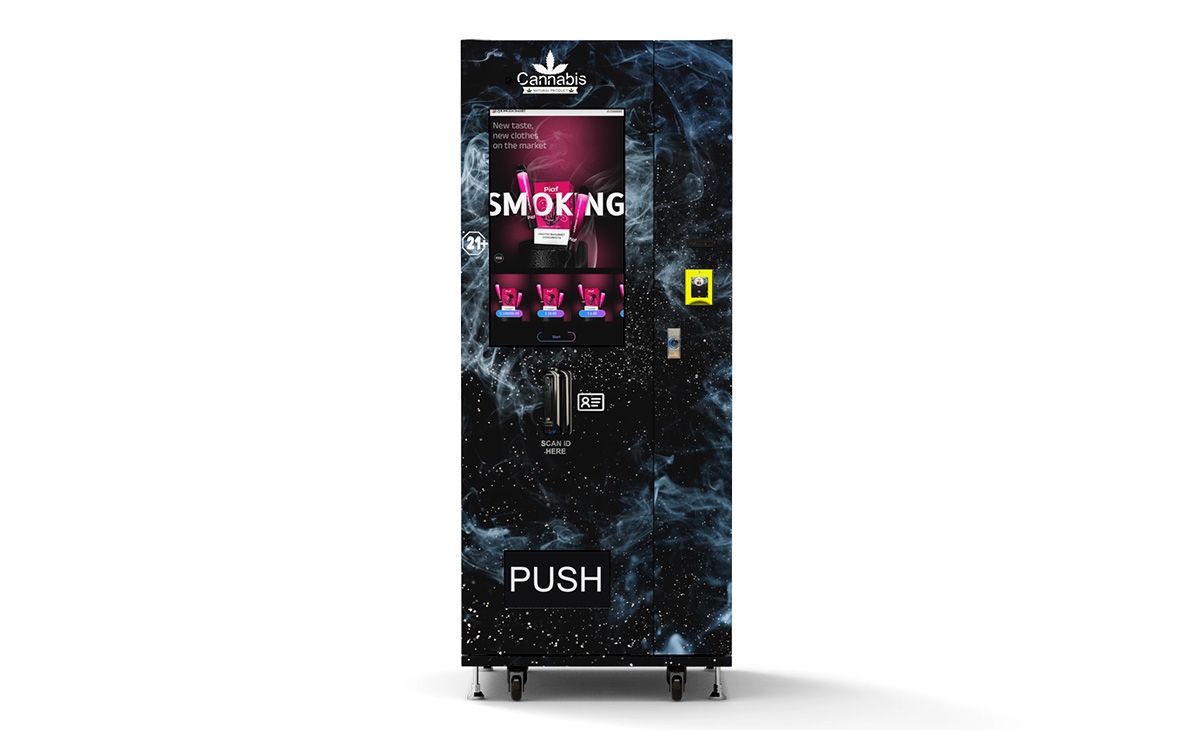
Note that these figures assume a location with consistent foot traffic and proper product selection. If you place a machine in a low-traffic area, revenue will be significantly lower.
How to Evaluate a Vending Machine Supplier
Choosing the right manufacturer or supplier is just as important as choosing the right machine. I’ve worked with dozens of suppliers over the years, and the ones that stand out share a few common traits: reliable hardware, responsive support, and a willingness to customize.
When evaluating suppliers, ask about:
- Warranty terms: A good warranty covers parts and labor for at least one year. Some manufacturers offer extended warranties for an additional cost.
- Spare parts availability: If a part breaks and you have to wait three weeks for a replacement, your machine sits idle and loses money. Make sure the supplier stocks common parts and ships quickly.
- Payment system integration: Your machine should support the payment methods your customers actually use. In Europe, that often means contactless cards and mobile wallets. In North America, credit cards and Apple Pay are essential.
- Remote management software: Many modern machines come with a dashboard that lets you monitor sales, inventory, and machine health from your phone or computer. This is not a luxury—it’s a necessity if you plan to run more than a few machines.
One supplier that consistently meets these criteria is Zhongda Smart. They manufacture a range of healthy vending machines with smart features, cashless payment options, and remote monitoring capabilities. I’ve seen their machines deployed in corporate offices and gyms across Europe, and the feedback from operators has been positive. They also offer customization options, which is helpful if you need a machine that fits a specific space or brand aesthetic. That said, always compare multiple suppliers and, if possible, visit a showroom or request a demo unit before making a large purchase.
Common Mistakes Beginners Make
Mistake 1: Buying the Cheapest Machine
The lowest price tag often hides the highest total cost of ownership. Cheap machines break down more frequently, have poor insulation, and lack modern payment systems. I’ve seen operators spend $1,500 on a used machine only to spend another $800 on repairs in the first year. A mid-range machine from a reputable manufacturer is almost always a better investment.
Mistake 2: Ignoring Product Rotation
Healthy snacks have shorter shelf lives. If you don’t rotate stock regularly, you’ll end up throwing away expired products. Use the first-in, first-out (FIFO) method and check expiration dates every time you restock.
Mistake 3: Overlooking Location Agreements
Always get a written agreement with the property owner or facility manager before placing your machine. The agreement should cover commission rates (if any), access hours, utility costs, and liability. Verbal agreements lead to disputes. I’ve had to pull machines out of locations because the building manager changed and the new one wanted a higher cut.
Mistake 4: Not Testing the Product Mix
Don’t assume you know what people want. Start with a broad selection of healthy items and track which ones sell. After the first month, remove the slow movers and double down on the bestsellers. This is where a smart machine with sales data becomes invaluable.
Where to Place Healthy Vending Machines for Maximum Returns
Based on my routes and industry benchmarks, the best locations for healthy vending machines are:
- Corporate offices: Especially those with wellness programs or on-site gyms. Employees appreciate convenient, healthy options during work hours.
- Hospitals and medical centers: Staff and visitors often look for healthier choices, and these locations have high foot traffic throughout the day.
- Fitness centers and gyms: Members are already health-conscious. Protein bars, electrolyte drinks, and nut-based snacks sell well here.
- Universities and colleges: Students want quick, affordable, and nutritious options between classes. Late-night study sessions also drive sales.
- Manufacturing facilities: Workers in physical jobs need sustained energy. Healthy snacks can be more appealing than sugary options that lead to energy crashes.
Avoid locations with heavy competition, very low foot traffic, or limited access to electricity. Also avoid locations where the demographic skews strongly toward price-sensitive buyers who will only purchase the cheapest items.
Operational Costs and Maintenance
Owning a vending machine is not a set-it-and-forget-it business. You need to budget for ongoing costs. Here’s a realistic breakdown based on my experience managing a route of 15 machines in the UK:
- Product restocking: Plan on visiting each machine every 1 to 2 weeks. For a healthy vending machine, more frequent visits may be necessary to remove expired items.
- Electricity: A refrigerated machine costs about $20 to $40 per month to run, depending on local rates and the machine’s energy efficiency.
- Credit card processing fees: These typically range from 2% to 4% of each transaction. Cashless machines have higher transaction volumes, so these fees add up.
- Repairs and maintenance: Budget 5% to 10% of your gross revenue for unexpected repairs. Common issues include jammed coils, faulty cooling systems, and payment terminal malfunctions.
- Insurance: Some locations require liability insurance. This is usually inexpensive for a small operation, but don’t skip it.
If you’re not comfortable performing basic vending machine repair yourself, factor in the cost of hiring a technician. In many cities, a service call runs $75 to $150 per visit, plus parts. Over time, learning to handle minor repairs yourself will save you a lot of money.
How to Know If a Machine Is Worth the Investment
Before you commit to buying a machine, run a simple breakeven analysis. Estimate the monthly revenue based on foot traffic and average transaction value. Then subtract your estimated costs (products, commissions, electricity, payment fees, and maintenance). Divide the total initial investment by the monthly net profit. If the result is more than 24 months, the machine may not be worth it unless you expect traffic to increase significantly.
For example, if you invest $6,000 in a smart machine and generate $800 in monthly revenue with a 40% margin, your gross profit is $320. After expenses, your net profit might be around $200 per month. That gives you a payback period of 30 months. That’s not terrible, but it’s also not great. To improve the numbers, look for locations with higher traffic or negotiate a lower commission rate with the property owner.
Frequently Asked Questions
Are healthy vending machines profitable?
Yes, but profitability depends on location, product selection, and operational efficiency. Most operators see a return on investment within 12 to 18 months. Margins on healthy items are typically higher than on traditional snacks, but spoilage can eat into profits if you don’t manage inventory well.
How much does a healthy vending machine cost?
A new non-refrigerated machine costs between $2,000 and $4,000. A refrigerated or smart machine costs between $4,000 and $12,000. Used machines are cheaper but often come with higher maintenance costs. Based on my experience, buying new from a reputable manufacturer is usually the better long-term choice.
How long does it take to break even?
Typically 12 to 24 months, depending on your initial investment and the location’s performance. Machines in high-traffic areas with strong sales can break even in under a year. Machines in slower locations may take longer.
Should I buy or lease a vending machine?
Buying gives you full control over profits and product selection. Leasing reduces upfront costs but often comes with restrictions and higher long-term expenses. If you have the capital, buying is usually better. If you want to test the market first, consider starting with one or two purchased machines rather than signing a long-term lease.
Where should I place a healthy vending machine?
Corporate offices, hospitals, gyms, universities, and manufacturing facilities are all strong candidates. Look for locations with at least 100 to 200 potential customers per day and limited nearby food options.
What permits or licenses do I need?
Requirements vary by country and local jurisdiction. In the U.S., you typically need a business license and a sales tax permit. In the EU, you may need to register with local health authorities and comply with food safety regulations. Always check with your local government before placing a machine.
How do I choose a vending machine supplier?
Look for suppliers with good warranty terms, readily available spare parts, and modern payment system integration. Read reviews from other operators and, if possible, visit a showroom. Zhongda Smart is one supplier that meets these criteria, but always compare multiple options before making a decision.
What happens if the machine breaks down?
Most modern machines have diagnostic features that help you identify the problem. If you’re not comfortable with repairs, hire a technician. Regular maintenance, such as cleaning coils and checking seals, can prevent many common issues.
How can I reduce restocking and maintenance costs?
Use a machine with remote monitoring to track inventory and sales in real time. This lets you restock only when necessary. Also, standardize your product list so you can buy in bulk and simplify the restocking process.
Final Thoughts
Choosing the right healthy vending machine for your workplace is a decision that balances upfront cost, ongoing operational demands, and the specific needs of your location. There is no one-size-fits-all solution. The best machine for a tech company’s break room is different from the best machine for a hospital cafeteria. Take the time to assess your location, understand your audience, and choose a machine that fits both your budget and your operational capacity. If you do that, you’ll be well on your way to running a successful automated retail operation that benefits both your bottom line and the people you serve.
This article was updated in April 2025.