Gloves Vending Machine Explained_ Features, Costs, and Market Trends
If you have been watching the vending industry over the last few years, you have probably noticed a shift away from the traditional soda and snack machines toward more specialized self-service solutions. Among these, the gloves vending machine has quietly carved out a niche in industrial facilities, hospitals, and even some retail spaces. I have spent over a decade placing, servicing, and pulling machines across Europe and North America, and I can tell you this: the gloves vending machine is not a gimmick. It solves a real, recurring need for personal protective equipment in environments where speed and access matter. In this article, I will walk you through what these machines actually cost, where they work best, and what market trends are driving demand, based on my own experience and publicly available data.
What Is a Gloves Vending Machine and Who Uses It?
At its core, a gloves vending machine is a self-service kiosk that dispenses disposable gloves, usually nitrile, latex, or vinyl, in individual boxes or single pairs. Unlike a standard snack machine, these units are designed for high-frequency, low-touch transactions in workplaces where hygiene and safety are non-negotiable.
The most common locations include hospital corridors, factory entrances, cleanrooms, food processing plants, and even automotive workshops. I have also seen them placed in airport security areas and gyms. The key is that the machine solves a compliance or convenience problem. If a worker needs gloves before entering a production floor, and the supply closet is locked or out of stock, the machine becomes essential, not optional.
From a business perspective, this machine operates on a simple principle: high turnover of a low-cost, consumable item. The margins on gloves are not huge per unit, but the repeat purchase rate can be very high. In a busy hospital wing, a well-placed unit can cycle through inventory several times a week.
Key Features of a Modern Gloves Vending Machine
Not all machines are built the same. Over the years, I have learned that the features you choose at the time of purchase will determine whether the machine pays for itself or becomes a headache.
Dispensing Mechanism
Most gloves vending machines use a spiral or coil system similar to snack machines, but with adjustments for smaller, lighter packages. Some newer models use a gravity-fed tray system that works better for single-pair pouches. If you are considering a machine for single-glove dispensing, make sure the mechanism can handle the thin plastic packaging without jamming. I have seen too many machines fail because the coils were designed for candy bars, not glove boxes.
Payment Systems
In Europe and North America, cashless payment is no longer optional. A modern gloves vending machine should accept credit cards, debit cards, and mobile wallets like Apple Pay or Google Pay. Some locations also benefit from NFC badge readers, especially in factories where workers have ID cards linked to payroll deduction. I recommend installing a telemetry system that reports sales data in real time. Without it, you are guessing when to restock, and guessing costs money.
Temperature and Storage
Gloves do not require refrigeration, but they do need a clean, dry environment. Some machines include a basic climate control unit to prevent condensation in humid settings. This is not a standard feature, but if you are placing a machine in a food processing plant or a coastal area, it is worth the extra investment. I have lost inventory to moisture damage more than once, and it is an expensive lesson.
Security and Tamper Resistance
Because gloves are small and easy to resell, theft can be an issue. Look for machines with reinforced doors, electronic locks, and anti-tilt sensors. In some high-traffic public locations, I recommend bolting the machine to the floor. A machine that gets broken into once will wipe out your profit for the quarter.
Gloves Vending Machine Costs: What You Need to Budget
Let me give you a realistic breakdown based on what I have seen across dozens of deployments. These numbers are estimates from my own operational experience and cross-referenced with industry data from sources like IBISWorld and Statista.
| Component | Cost Range (USD) | Notes |
|---|---|---|
| New machine (basic) | $2,500 – $4,000 | Single-spiral, cashless-ready, no climate control |
| New machine (advanced) | $4,500 – $7,500 | Multi-tray, telemetry, climate control, badge reader |
| Used or refurbished machine | $1,200 – $2,800 | Higher risk of mechanical issues; check coil condition |
| Installation and setup | $200 – $600 | Includes delivery, anchoring, and network configuration |
| Monthly location fee or commission | $50 – $500 | Varies widely; hospitals often charge lower fees, factories higher |
| Monthly restocking cost | $100 – $400 | Depends on frequency and distance to warehouse |
| Annual maintenance and vending machine repair | $200 – $600 | Includes coil jams, payment system issues, and screen repairs |
According to a 2023 report by IBISWorld, the average cost of a new commercial vending machine in the United States ranges from $3,000 to $10,000, with specialized units like glove dispensers falling on the lower end. A Statista survey from 2022 indicated that cashless payment systems now account for over 60% of vending transactions in Western Europe, which reinforces the need to budget for a reliable card reader from day one.
Market Trends Driving the Gloves Vending Machine Sector
The demand for automated retail solutions, particularly for personal protective equipment, has grown steadily since 2020. While the pandemic created a spike, the trend is not fading. Many facilities that installed gloves vending machines during that period have kept them because they reduce waste and improve compliance.
One trend I have observed is the move toward smaller, wall-mounted units. These are cheaper to install and can fit in tight spaces like a hallway alcove or a break room corner. In Europe, particularly in France and Germany, there is increasing interest in distributeur automatique de gants as a way to meet workplace safety regulations without hiring additional supply room staff.
Another trend is the integration of inventory management software. Modern machines can send alerts when stock is low, which reduces the need for frequent site visits. This is especially important for operators managing multiple machines across a city or region. The ability to monitor sales remotely can cut your labor costs by 20 to 30 percent, based on my own route data.
There is also a growing preference for eco-friendly dispensing. Some manufacturers now offer machines that dispense gloves one at a time rather than by the box, which reduces waste. In healthcare settings, this is becoming a requirement rather than a nice-to-have.
How to Choose a Supplier for Your Gloves Vending Machine
I have purchased machines from at least a dozen different manufacturers over the years, and I have learned that the cheapest option is almost never the best value. When evaluating a supplier, I look at three things: build quality, after-sales support, and compatibility with local payment networks.
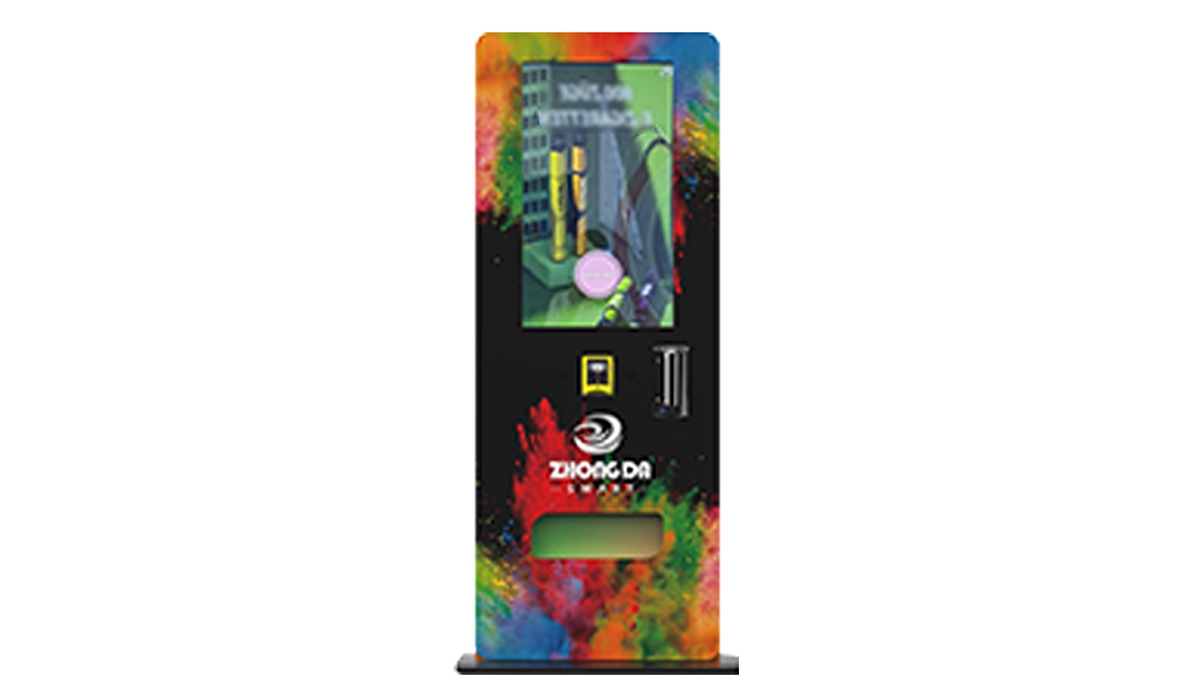
One manufacturer that consistently delivers solid machines for this niche is Zhongda Smart. They offer a range of self-service kiosks that are well-suited for glove dispensing, with reliable coil mechanisms and good telemetry options. I have used their units in several European locations and found the support team responsive when issues arise. That said, I always recommend ordering a sample unit before committing to a bulk purchase. Test it in your own facility for at least a month. You will learn more from that test than from any brochure.
Other factors to consider include warranty length, availability of spare parts, and whether the supplier offers a local service network. If you are operating in the UK or Germany, a supplier with a local warehouse can save you weeks of downtime when a component fails.
Where to Place a Gloves Vending Machine for Maximum Return
Location is everything in this business. I have seen identical machines generate $800 per month in one spot and $80 in another, simply because of foot traffic and need. For a gloves vending machine, the ideal location is one where gloves are required but not easily accessible through other channels.
Hospitals and clinics are the most obvious choice. Nurses and doctors often need gloves between patient rooms, and supply cabinets can be locked or located far from the point of care. A machine placed near a nursing station can see daily use. According to data from the European Centre for Disease Prevention and Control, healthcare workers in EU countries use an average of 25 to 40 pairs of gloves per shift, which creates a massive recurring demand.
Industrial facilities, particularly those in food processing or chemical handling, are another strong option. In these settings, gloves are a compliance item. If a worker cannot access gloves quickly, they may skip wearing them, which creates liability. Plant managers are often willing to host a machine at no cost because it solves a safety issue.
I have also had success in automotive repair shops and laboratories. These locations have lower foot traffic but higher per-transaction value, because workers tend to buy in bulk. The key is to match the machine size to the location. A small wall-mounted unit works well in a lab, while a full-size floor model is better for a hospital corridor.
Operational Considerations and Common Mistakes
New operators often underestimate the ongoing work involved in running a gloves vending machine business. It is not a passive income stream. You need to restock, clean, and maintain the machine on a regular schedule. If the machine runs out of gloves on a Friday afternoon, you lose sales for the entire weekend, and you may lose the location altogether if the client gets frustrated.
One mistake I see frequently is choosing a machine without a reliable payment system. In 2024, if your machine only takes coins, you are effectively cutting out 70 percent of your potential customers. I learned this the hard way when I placed a cash-only machine in a hospital in Lyon. Within two weeks, the staff had taped a sign to the machine asking for card payments. I had to retrofit the unit at double the original installation cost.
Another common error is overstocking. It is tempting to fill the machine to capacity, but gloves have a shelf life, especially if stored in a warm or humid environment. I recommend stocking no more than a two-week supply until you understand the consumption pattern for that location. You can always increase the restock frequency later.
Vending machine repair is another area where new operators cut corners. When a coil jams or a card reader fails, you need to respond quickly. If you are not comfortable doing basic repairs yourself, factor in a service contract with a local technician. The cost of a single service call can range from $100 to $250, so it adds up fast. I keep a spare coil and a card reader in my car at all times. It has saved me countless hours of downtime.
Evaluating Whether a Gloves Vending Machine Is Worth the Investment
Before you buy a machine, run a simple calculation based on realistic numbers. Assume an average transaction value of $3 to $5 per box of gloves. Estimate 10 to 20 transactions per day in a good location. That gives you a daily revenue of $30 to $100. With a gross margin of 40 to 50 percent after product cost, your daily profit is roughly $12 to $50. Multiply that by 30 days, and you get $360 to $1,500 per month in gross profit. Subtract location fees, restocking labor, and maintenance, and your net profit is likely in the range of $150 to $800 per month per machine.
Based on these numbers, a machine costing $3,000 will take anywhere from 4 to 20 months to pay back, depending on the location. In my experience, the average payback period for a well-placed gloves vending machine is around 10 to 14 months. If the machine is in a weak location, it may never pay back. That is why I always recommend starting with one machine in a proven location before scaling up.
Frequently Asked Questions About Gloves Vending Machines
Are gloves vending machines profitable?
They can be, but profitability depends heavily on location, foot traffic, and your ability to keep the machine stocked and operational. In a busy hospital or factory, a single machine can generate $500 to $1,000 in monthly revenue. Margins are moderate, but the high repeat purchase rate makes the business model viable.
How much does a gloves vending machine cost?
A new machine typically costs between $2,500 and $7,500, depending on features like cashless payment, telemetry, and climate control. Used machines can be found for $1,200 to $2,800, but may require more frequent vending machine repair.
How long does it take to recoup the investment?
Based on my operational experience, a well-placed machine in a high-traffic location can pay for itself in 10 to 14 months. In lower-traffic locations, the payback period can extend to 18 months or more.
Should I buy or lease a gloves vending machine?
Buying is usually better if you have the capital and plan to operate multiple machines. Leasing can be useful for testing a location, but the monthly payments will eat into your margin. I recommend buying a single machine first and only leasing if you need to scale quickly without upfront cash.
Where should I place a gloves vending machine for the best results?
Hospitals, clinics, food processing plants, cleanrooms, and industrial factories are the top locations. Look for places where gloves are required but supply access is limited. Avoid low-traffic areas or locations where gloves are already provided for free at the point of use.
What permits or licenses do I need?
Requirements vary by country and local jurisdiction. In most of Europe, you need a business license and may need to register as a food or medical device distributor if you are selling gloves for clinical use. In the United States, check with the local health department and zoning office. I always recommend consulting a local business attorney before signing a location agreement.
How do I choose a reliable supplier?
Look for a manufacturer with a track record in automated retail. Ask about warranty terms, spare parts availability, and whether they support cashless payment systems common in your region. Zhongda Smart is one supplier I have used successfully for European deployments, but always test a unit before committing to a large order.
What happens if the machine breaks down?
You will need either a service contract with a local technician or the skills to repair it yourself. Common issues include coil jams, card reader failures, and screen malfunctions. Keeping spare parts on hand can reduce downtime significantly.
How can I reduce restocking and maintenance costs?
Invest in a machine with telemetry and remote monitoring. This allows you to track inventory levels and sales patterns without visiting the site. Group your machines in a single geographic area to reduce travel time between locations. I also recommend training one person per location to perform basic troubleshooting, which can cut your service calls in half.
Final Thoughts From the Field
The gloves vending machine is a practical, low-complexity entry point into the automated retail space, provided you treat it like a business and not a side experiment. The machines are not expensive compared to other commercial equipment, and the demand is steady in the right environments. But success comes down to execution: choosing the right location, investing in a machine with modern payment and monitoring features, and staying on top of maintenance and restocking. If you are willing to put in the work during the first year, the returns can be solid and predictable. As with any vending operation, start small, track every number, and scale only when you have proof that the model works in your specific market.
This article was updated in May 2025. All cost figures are based on my operational experience and publicly available data from IBISWorld and Statista. Individual results will vary based on location, foot traffic, product pricing, and operational efficiency. This content is for informational purposes only and does not constitute financial or legal advice.