Step-by-Step Guide to Starting a Ppe Vending Machines Business in 2026
If you are looking at starting a PPE vending machines business in 2026, you are not alone—and you are also a bit early, which is exactly where you want to be. I have been in the automated retail space for over a decade, mostly across the US and parts of Western Europe, and I have seen trends come and go. Personal protective equipment vending is not a fad. It is a response to a real, ongoing need for quick access to safety gear in workplaces, warehouses, factories, and even public facilities. The question I get most often is whether this actually makes money. The short answer is yes, but only if you understand the equipment, the location, and the math behind it. This guide walks you through everything I have learned from actual deployments, including what to buy, where to place machines, how much to budget, and what mistakes will cost you.
Why PPE Vending Machines Make Sense in 2026
The demand for personal protective equipment has stabilized since the pandemic years, but it has not gone away. What has changed is how businesses buy it. Instead of ordering bulk cases of gloves, safety glasses, and earplugs from a distributor and storing them in a closet, many companies now prefer a just-in-time model. A vending machine placed on site means workers grab what they need, when they need it, and the company pays only for what is used. This reduces waste, eliminates theft, and simplifies inventory management. From an operator's perspective, this creates a recurring revenue stream with relatively predictable restocking cycles.
According to data from IBISWorld, the vending machine industry in the United States alone generated over $8 billion in revenue in 2024, with a steady annual growth rate of around 2.5%. The PPE segment is growing faster than the overall market because it serves a specific, non-discretionary need. Safety equipment is not a luxury—it is a requirement under OSHA regulations in the US and similar bodies in Europe. That regulatory pressure works in your favor.
What You Need to Know Before Buying Your First Machine
The Equipment Is Different from Snack or Drink Machines
Do not make the mistake of thinking any old vending machine will work. PPE vending machines need to handle items of varying sizes and shapes. A box of nitrile gloves is not the same as a hard hat or a pair of safety goggles. You need machines with adjustable coil spacing, or better yet, modular trays that can be reconfigured. Some machines use a spiral mechanism, others use a tray-and-drop system, and a few use a carousel design. I have used all three, and my preference for PPE is the tray-and-drop style because it handles bulkier items without jamming.
Another critical feature is the payment system. In 2026, you cannot rely on cash only. Most industrial environments use payroll deduction or company-issued cards. Your machine needs to support RFID readers, credit card terminals, and ideally a cloud-based management system that allows for remote monitoring. Without remote monitoring, you will waste time driving to machines that are only half empty.
New vs. Used: The Real Cost Difference
I have bought both new and used machines over the years, and I can tell you that used machines are a gamble. A used snack machine converted for PPE might cost you $1,500 to $3,000, but you will spend another $1,000 on repairs within the first six months. A new, purpose-built PPE vending machine from a reputable manufacturer like Zhongda Smart will run you between $4,500 and $8,000 depending on the configuration. That sounds steep, but the reliability is night and day. New machines come with warranties, better software, and lower maintenance costs. If you are serious about this business, buy new for your first three machines. Learn the ropes before you start hunting for bargains.
| Machine Type | Initial Cost (USD) | Typical Monthly Revenue | Maintenance Cost per Year | Break-Even (Months) |
|---|---|---|---|---|
| New PPE-specific machine | $5,000 – $8,000 | $800 – $2,500 | $300 – $600 | 6 – 12 |
| Used converted machine | $1,500 – $3,500 | $600 – $1,800 | $800 – $1,500 | 8 – 18 |
| High-end smart kiosk | $10,000 – $15,000 | $2,000 – $4,000 | $500 – $800 | 10 – 14 |
These numbers are based on my own experience and conversations with other operators. Your actual results will vary based on location, product pricing, and restocking efficiency.
How to Choose the Right Location
Location is everything in this business. I have seen operators place a machine in a high-traffic area and still fail because the traffic was the wrong kind. For PPE, you need a captive audience. The best locations are:
- Manufacturing plants – Workers need gloves, safety glasses, earplugs, and respirators daily. A plant with 200 employees can easily generate $2,000 per month in sales.
- Warehouses and distribution centers – Similar to manufacturing, but often with higher turnover of temporary workers who need gear on day one.
- Construction sites – Hard hats, high-vis vests, and safety harnesses are consumables on large sites. The challenge here is power and internet access. Some sites have neither.
- Hospitals and clinics – Masks, gloves, and gowns are always in demand. However, healthcare facilities often have strict procurement rules, so you may need to work through a distributor.
- Public facilities – Airports, train stations, and government buildings sometimes want PPE available for travelers or employees. These locations are harder to get into but can be lucrative.
When evaluating a location, I look at three numbers: employee count, shift schedule, and existing supply chain. If the facility already has a well-stocked supply closet, you are competing with free. If they have none, you have a clear opportunity. I also check whether the company has a budget for PPE. If they are buying from a catalog, they are paying retail, and your machine can offer similar prices with the convenience of on-site availability.
A mistake I made early on was assuming that a large facility automatically meant high sales. I placed a machine in a factory with 500 workers, but they already had a dedicated PPE room with a full-time attendant. The machine sat unused for three months. I moved it to a smaller facility with 80 workers and no PPE program, and sales tripled. Do your homework before signing any placement agreement.
Cost Breakdown: What You Are Really Spending
Initial Investment
For a three-machine startup, expect to invest between $15,000 and $25,000. That includes the machines, initial inventory, installation, and a small buffer for unexpected costs. Here is a rough breakdown based on what I spent when I started my second route:
- Three new PPE vending machines: $18,000
- Initial inventory (gloves, masks, glasses, earplugs, etc.): $3,000
- Installation and setup: $1,500
- Payment terminal setup and software subscription: $500
- Miscellaneous (transport, signage, permits): $1,000
Total: $24,000. That is a realistic number for 2026. You can go lower with used machines, but as I said, you risk higher maintenance costs.
Ongoing Costs
Your main recurring costs are inventory, transportation, and machine maintenance. Inventory is your largest variable cost. I typically aim for a 40% to 50% gross margin on PPE items. That means if I sell a box of gloves for $10, my cost is around $5 to $6. The margin is lower than snacks or drinks, but the restocking frequency is also lower. A well-stocked PPE machine might need restocking every two to three weeks, compared to weekly for a snack machine.
Transportation costs depend on how far apart your machines are. If you have a cluster of machines within a 10-mile radius, you can service them in a single day. If they are spread across a city, your fuel and time costs go up. I try to keep my machines within a 30-minute drive of each other.
Maintenance costs for a new machine are low in the first year. After that, expect to spend $300 to $600 per machine per year on parts and labor. The most common issues are payment system glitches, coil jams, and software updates. If you are handy, you can handle most repairs yourself. If not, factor in a service contract.
How to Select a Supplier
Not all vending machine manufacturers are the same. Some focus on snack and drink machines and offer PPE as an afterthought. Others, like Zhongda Smart, build machines specifically for the PPE market. When I evaluate a supplier, I look for three things:
- Customization options – Can they configure the tray layout for different product sizes? Do they offer different payment modules?
- Software reliability – Do they have a cloud-based management platform? Can you see real-time inventory levels and sales data?
- Warranty and support – What is the warranty period? Are replacement parts readily available? Do they have a distributor in your country?
I have worked with several manufacturers over the years, and the ones that invest in software tend to be the most reliable. A machine that reports its own inventory saves you hours of driving to check levels manually. Zhongda Smart is one of the few manufacturers that offers a full software suite with their machines, which is why I recommend them to operators who are serious about scaling.
Do not buy from a supplier that cannot provide references. Ask for contact information of three operators who have been using their machines for at least a year. Call them. Ask about uptime, repair response time, and whether they would buy the same machine again.
Common Mistakes New Operators Make
Buying Too Many Machines Too Fast
I have seen this happen more times than I can count. Someone gets excited, buys ten machines, places them all at once, and then realizes they cannot service them all. Start with two or three machines. Learn the restocking rhythm, understand the sales patterns, and only then expand.
Ignoring the Payment System
In 2026, cash is still used in some locations, but it is declining fast. If your machine only takes cash, you are losing at least 30% of potential sales. Make sure your machine accepts credit cards, contactless payments, and ideally company payroll cards. Some machines also support QR code payments, which are popular in Europe.
Pricing Too Low or Too High
PPE is a price-sensitive category, but not as price-sensitive as soda. Workers are not paying out of pocket in most cases—their employer covers the cost through a payroll deduction or a company account. That means you have some pricing flexibility. I typically price items 10% to 20% above retail store prices, but below what a distributor would charge for a rush order. Test your pricing for the first month and adjust based on sales velocity.
Neglecting Machine Placement
Even the best machine will fail if it is hidden in a corner. Place it near a break room entrance, a time clock, or a high-traffic corridor. Make sure it is well-lit and clearly visible. I have seen machines placed in basements or behind columns that generated almost no sales until they were moved to a better spot.
How to Evaluate Whether a Machine Is Worth the Investment
Before I commit to a location, I run a simple calculation. I estimate the number of potential users, multiply by the average transaction value, and then factor in restocking frequency. Here is an example:
A manufacturing plant has 150 workers per shift, two shifts per day. I assume 20% of workers will use the machine each week. That is 60 transactions per week. If the average transaction is $8, that is $480 per week, or roughly $2,080 per month. My gross margin is 45%, so my gross profit is $936 per month. Subtract restocking costs ($150), machine payment ($200 if financed), and maintenance ($50), and I am left with $536 per month. At that rate, a $6,000 machine pays for itself in about 11 months. That is a good investment.
If the same location only has 50 workers per shift, the numbers change. Now I have 20 transactions per week at $8 each, or $640 per month. Gross profit is $288. After costs, I am left with $88 per month. That machine will take over five years to pay for itself. Not worth it.
This is the kind of math you need to do before you buy. Do not rely on gut feeling. Use real numbers, and be conservative with your estimates.
Operational Tips for Long-Term Success
Restocking Efficiency
Restocking is where most operators lose money. If you are driving 20 miles to fill a machine that only sold $200 worth of product, you are losing money on that trip. Use your software to monitor inventory levels and plan your routes. I restock on a fixed schedule, but I also check remote data the night before to see if any machine needs an early visit.
Product Mix
Do not fill your machine with only one type of glove or one brand of safety glasses. Offer variety. I carry three price points for gloves: cheap, mid-range, and premium. The mid-range sells best. I also carry a few high-margin items like branded hard hats and custom-printed vests. Those items have lower volume but higher profit per unit.
Machine Maintenance
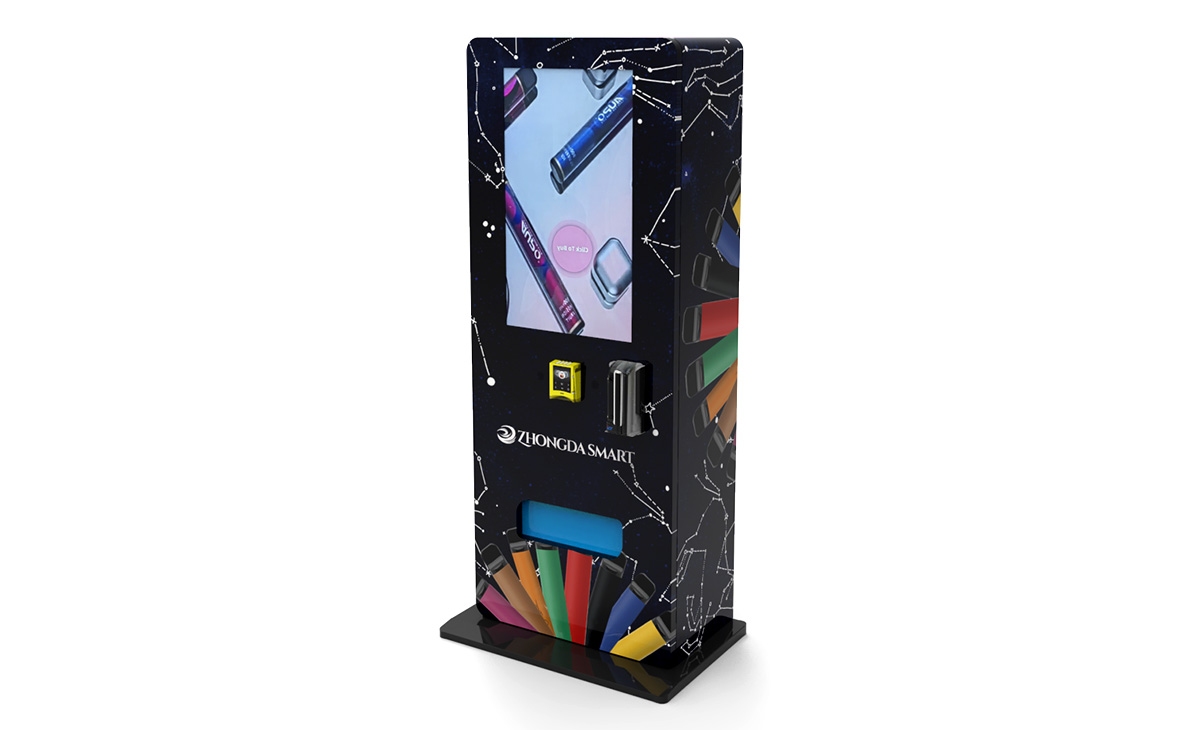
Clean your machines regularly. A dirty machine looks neglected, and workers will assume the products inside are also low quality. Wipe down the exterior, clean the glass, and check that all buttons and touchscreens are working. I do a quick visual inspection every time I restock.
Legal and Regulatory Considerations
In the US, PPE sold through vending machines must meet the same safety standards as PPE sold in stores. That means ANSI-approved safety glasses, OSHA-compliant hard hats, and NIOSH-approved respirators. If you sell non-compliant gear and someone gets injured, you could be liable. Always buy from reputable suppliers and keep certificates of compliance on file.
In Europe, the requirements are similar but governed by CE marking and EU regulations. You need to ensure that any PPE you sell carries the appropriate CE mark and meets the requirements of the Personal Protective Equipment Regulation (EU) 2016/425. According to the European Commission, non-compliant PPE can result in fines and product recalls. Do not cut corners here.
You may also need a business license, a sales tax permit, and in some jurisdictions, a vending machine permit. Check with your local city or county government before placing any machines.
FAQ: Starting a PPE Vending Machine Business
Is a PPE vending machine business profitable?
It can be, but it depends on location, product pricing, and operational efficiency. Based on my experience, a well-placed machine in a medium-sized facility can generate $1,000 to $2,500 per month in revenue. After costs, you are looking at a 40% to 50% gross margin. Most operators see a return on investment within 8 to 14 months.
How much does a PPE vending machine cost?
New, purpose-built machines range from $4,500 to $8,000. Used or converted machines can cost as little as $1,500, but you will likely spend more on repairs. I recommend budgeting $6,000 to $7,000 per machine for a new unit.
How long does it take to break even?
For a new machine in a good location, break-even is typically 8 to 12 months. For a used machine, it can take 12 to 18 months, depending on how often it needs repairs.
Should I buy or lease a vending machine?
I prefer buying. Leasing often comes with higher total cost and less flexibility. If you own the machine, you can move it to a different location if one site underperforms. Leasing locks you into a contract.
Where should I place my first machine?
Start with a manufacturing plant or warehouse with at least 100 employees. Look for facilities that do not already have a dedicated PPE supply system. Ask for a trial period of three months before signing a long-term agreement.
What permits do I need?
In the US, you need a business license and a sales tax permit. Some cities require a vending machine permit. In Europe, you need to register your business and comply with local tax laws. Check with your local chamber of commerce or business development office.
How do I choose a vending machine supplier?
Look for a supplier that offers customizable machines, reliable software, and good warranty support. Ask for references and call them. I have had good experiences with Zhongda Smart for their PPE-specific machines and software platform.
What happens if the machine breaks down?
If you have a new machine under warranty, contact the manufacturer. For older machines, you may need to hire a local vending machine repair technician. I recommend learning basic troubleshooting yourself to save money.
How can I reduce restocking costs?
Use remote monitoring software to check inventory levels before you drive out. Plan your routes to service multiple machines in one trip. Stock high-volume items in larger quantities to reduce frequency of visits.
Final Thoughts
Starting a PPE vending machines business in 2026 is a solid opportunity if you approach it with realistic expectations and a willingness to do the work. The demand is there, the margins are decent, and the technology has improved enough that remote management is no longer a headache. But it is not a passive income scheme. You need to choose your locations carefully, maintain your equipment, and keep a close eye on your numbers. If you do that, you can build a route that generates consistent revenue with manageable effort. I have seen it work for others, and it has worked for me. The key is to start small, learn fast, and reinvest in good equipment from the start.
This article was updated in January 2026. All financial figures are based on the author's experience and publicly available data from IBISWorld and the European Commission. Individual results will vary. This content does not constitute financial or legal advice.