The Complete Guide to Airbnb Vending Machine Opportunities and Risks
If you have been considering the vending machine business as a side hustle or a full-time operation, you have likely noticed a specific niche gaining traction: placing machines inside short-term rental properties. I have spent over a decade operating vending machines across the US and parts of Europe, and I can tell you that the Airbnb vending machine model is not a gimmick—it is a real opportunity if you understand the logistics. The core question most people ask is whether these machines actually generate consistent profit or if they are just a novelty. Based on my experience running over 200 machines in various locations, the answer depends entirely on your equipment choice, product selection, and how you handle maintenance. This guide breaks down what I have learned about making this work, the risks I have seen destroy margins, and the specific criteria you need to evaluate before buying your first machine.
What Exactly Is an Airbnb Vending Machine?
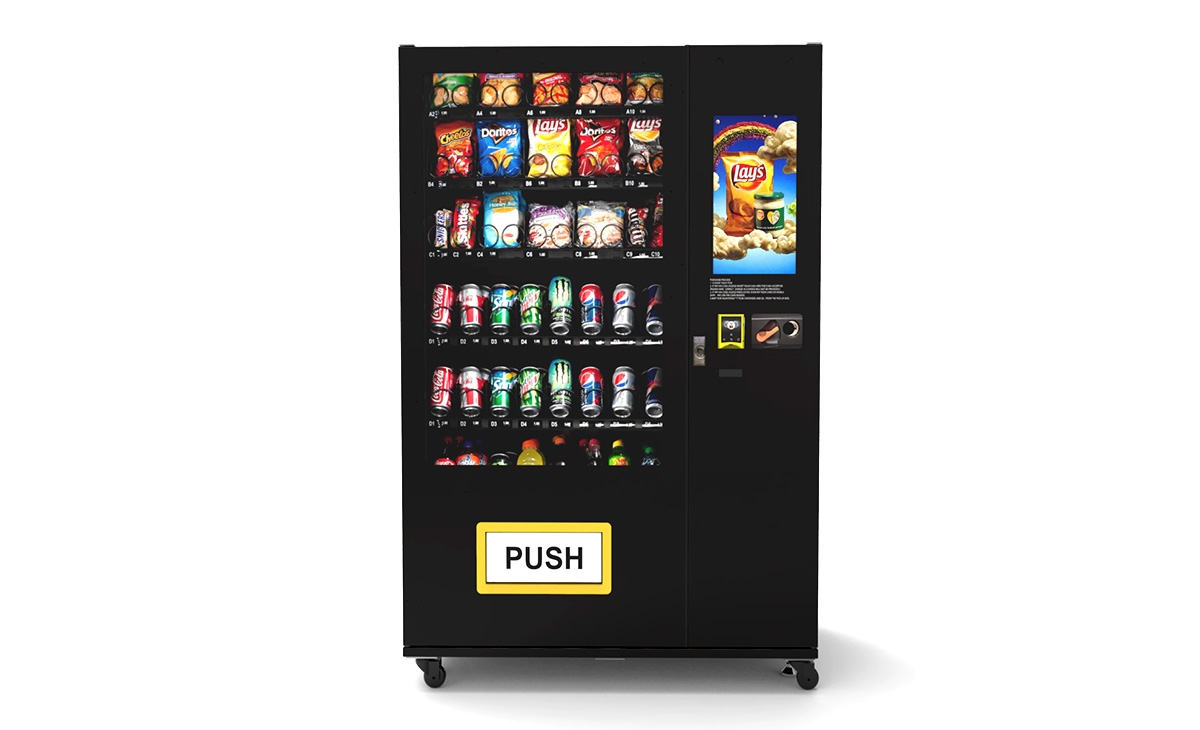
An Airbnb vending machine is a self-service kiosk placed inside a vacation rental property, hotel, or hostel. Guests purchase items like snacks, drinks, toiletries, or emergency supplies without needing to leave the property. The machine is typically owned and operated by a third-party vendor, not the property owner, though some hosts run their own machines.
This is not the same as a traditional soda machine in an office break room. The product mix is different, the payment system needs to be contactless, and the machine must fit into the aesthetic of a living space. I have seen operators try to drop a standard glass-front snack machine into a high-end cabin, and it looked terrible. Guests did not use it because it felt out of place. The successful setups I have managed use compact machines with clean designs, often with a wood-grain wrap or a neutral color that blends into the environment.
Why Short-Term Rentals Are a Different Animal
Traditional vending locations like factories or schools have predictable traffic. You know how many people are in the building every day. With short-term rentals, traffic is erratic. A cabin in the woods might be fully booked for three weeks, then empty for ten days. This changes how you approach restocking and revenue projections.
Another factor is guest psychology. People on vacation are more willing to pay a premium for convenience. I have seen a $4 can of soda sell at a 300% markup in a remote mountain cabin because the nearest store is 20 minutes away. In a city apartment near a 24-hour convenience store, that same can would sit in the machine for months. Location matters more in this niche than almost any other vending segment.
There is also the issue of trust. Guests are strangers in someone else's home. If the machine malfunctions and takes their money, they will leave a bad review for the property, not for you. I have had hosts cancel contracts because a machine jammed twice in one week. Your vending machine repair response time needs to be under 24 hours, or you risk losing the location entirely.
Evaluating a Location: What I Look For
I do not place a machine in any Airbnb unless I have personally visited the property or at least done a thorough virtual walkthrough. Here are the criteria I use after years of trial and error:
- Average nightly rate above $150. Cheaper rentals attract budget travelers who will not pay a premium for convenience. Higher-end guests expect amenities and are fine paying $3 for a bottle of water.
- At least 15 minutes from the nearest store. If a gas station is around the corner, your machine will collect dust. I learned this the hard way with a beach condo that had a CVS across the street. That machine barely did $80 a month.
- Minimum 20 booked nights per month. Anything less and the revenue per square foot does not justify the machine cost and restocking labor. I use historical booking data from the host's calendar before agreeing to a placement.
- Host willingness to handle minor issues. I have a deal with most hosts: if the machine jams or a card reader fails, they send me a photo and I walk them through a reset. This saves me a trip and keeps the machine running. If the host refuses to help, I pass on the location.
Equipment Selection: Where Most Newbies Get It Wrong
The biggest mistake I see new operators make is buying the cheapest machine they can find on Alibaba or a classified ad. That $1,200 used machine might seem like a good deal, but I have seen those units break down within three months. The compressor fails, the card reader stops communicating with the control board, or the coil gets stuck. Then you are paying a technician $150 just to show up, plus parts.
I recommend investing in a mid-range to commercial-grade machine from the start. You do not need the most expensive model on the market, but you need something with reliable refrigeration and a modern payment system. I have had good experience with machines from Zhongda Smart for certain deployments. They offer compact models that fit well in smaller spaces, and their card reader integration is solid. I am not saying they are the only option, but if you are sourcing from a manufacturer, look for one that provides clear documentation and responsive support, which Zhongda Smart does for their international clients.
Here is a quick comparison of the machine types I have used in short-term rentals:
| Machine Type | Initial Cost (USD) | Best Use Case | Common Issues |
|---|---|---|---|
| Combo snack & drink | $3,500 – $6,000 | Large cabins, multi-bedroom houses | Higher repair cost, more moving parts |
| Compact snack only | $2,000 – $3,500 | Small apartments, studio units | Limited product variety |
| Refrigerated only (drinks) | $2,500 – $4,000 | Warm climates, beach rentals | Condensation issues, compressor failure |
| Non-refrigerated pantry | $800 – $1,500 | Budget rentals, hostel dorms | Low revenue per transaction |
I personally avoid non-refrigerated pantry machines for most Airbnb placements. The margins are too thin, and guests expect cold drinks. If you cannot offer cold beverages, you are leaving money on the table.
Payment Systems: Contactless or Nothing
In 2025, if your machine only takes cash, do not bother placing it in a short-term rental. Guests do not carry cash anymore, especially international travelers. Every machine I operate now has a card reader that accepts credit cards, Apple Pay, and Google Pay. I also use machines with a small touchscreen that allows guests to select items without pressing physical buttons, which reduces mechanical failures.
The payment processor I use charges 2.6% plus 10 cents per transaction. That is standard in the industry. Some operators try to use cheaper processors, but they often have slower settlement times or poor customer support. When a guest's card is charged but the product does not dispense, you need a processor that can issue a refund quickly. I have had to switch processors twice because of poor dispute resolution.
Telemetry is another factor. I pay $15 per month per machine for a cellular-based remote monitoring system. It tells me exactly what sold, what is low, and if the machine has any errors. Without telemetry, you are driving to locations blind, which wastes fuel and time. I have cut my restocking trips by 40% since installing telemetry on all my machines.
Product Selection: What Actually Sells
I keep a spreadsheet of every item I have ever stocked in an Airbnb machine, along with sell-through rates. Here is what consistently works across different property types:
- Bottled water – Always the top seller. I stock both still and sparkling in small 330ml bottles. Markup is 200-300%.
- Premium snacks – Think protein bars, nuts, and organic chips, not generic candy bars. Guests on vacation often try to eat healthier, or at least feel like they are.
- Toiletries – Travel-sized toothpaste, deodorant, and Advil sell well, especially in properties that do not provide these items. I charge $4 for a small tube of toothpaste that costs me $0.80.
- Instant coffee pods – If the property has a Nespresso or Keurig machine, I stock compatible pods. This is a high-margin item that guests appreciate.
- Local items – In tourist areas, I stock small bags of local coffee or honey. These sell at a premium and guests often buy them as souvenirs.
Items that do not sell: full-size bags of chips (guests do not want to carry leftovers), large soda bottles (they prefer cans), and any product that requires preparation (instant noodles without a microwave are useless).
According to a 2023 report by IBISWorld, the vending machine industry in the US generated over $8 billion in revenue, with the snack and beverage segment accounting for the majority. The report also noted that machines in non-traditional locations like hotels and rental properties are growing faster than traditional office locations. This data aligns with what I have seen in my own operation.
Revenue Expectations and Cost Breakdown
I want to be honest with you: the numbers I am about to share are based on my actual experience across 15 Airbnb placements over two years. Your results will vary depending on location, seasonality, and how well you manage the operation.
On average, a well-placed machine in a high-traffic short-term rental does between $400 and $900 per month in gross revenue. The best machine I have ever had, in a large cabin near a national park, did $1,400 in July. The worst, in a city apartment, did $90 in February. The median is around $550 per month.
Cost breakdown per machine per month:
- Cost of goods sold: 30-35% of revenue (about $165 to $190 on a $550 machine)
- Payment processing fees: 3% of revenue (about $16)
- Telemetry: $15
- Restocking labor: $40 to $80 depending on distance (I pay myself or a part-time helper $20 per hour, and restocking takes 1-2 hours per trip, twice a month)
- Maintenance and repair reserve: $30 to $50 per month averaged over the year (some months you spend nothing, then a card reader fails and costs $200)
- Commission to host: 10-20% of gross revenue (negotiable, but I typically offer 15%)
So on a $550 machine, your monthly net profit is roughly $150 to $230. That is not a huge number, but if you have ten machines in good locations, you are looking at $1,500 to $2,300 per month in profit. The key is scale and low maintenance costs.
According to data from Statista, the average vending machine in the US generates around $75 per week in revenue. My Airbnb machines average slightly higher at $125 per week due to the premium pricing model. However, the restocking frequency is lower because traffic is less predictable.
Payback Period: What to Expect
If you buy a new machine for $4,000 and your net profit is $200 per month, the payback period is 20 months. That is reasonable for this industry. If you buy a used machine for $2,000 and it generates $150 per month net, the payback is about 13 months. But used machines come with higher repair risk. I have seen a $1,500 used machine break down in month two, costing $400 to repair, which extended the payback to nearly 18 months anyway.
My recommendation is to budget for a 12 to 18 month payback period. If a location cannot pay back the machine cost within 18 months based on conservative estimates, I do not place a machine there. I have walked away from several properties that looked promising on paper but had too much seasonal downtime.
Risks I Have Seen Destroy Operators
I have been in this business long enough to have made most of the mistakes myself. Here are the risks that are specific to the Airbnb vending machine model:
Host Turnover
Property hosts change management companies or sell their properties. I lost three locations in one year because the host decided to renovate and no longer wanted the machine. You have no contract that guarantees you a spot. Always have a backup location list ready.
Machine Abuse
Guests are not employees. They do not care about your machine. I have had guests kick machines, try to pry open the door, and pour drinks into the coin slot. In one case, a guest tried to steal a machine by unplugging it and rolling it out the door. The host caught them on camera. This is why I always recommend placing machines in a visible area, preferably near the kitchen or laundry room where the host can see them on their security cameras.
Seasonality
A machine in a ski cabin might do great in winter and terrible in summer. You need to plan for cash flow during slow months. I keep a reserve fund equal to three months of operating expenses for each machine.
Card Reader Issues
This is the most common technical problem I face. Card readers fail, lose connectivity, or get rejected by the bank. I have had machines go offline for a week because the cellular modem in the card reader stopped working. If you cannot process cards, you are losing 90% of potential sales. I now carry a spare card reader in my car at all times.
How to Choose a Supplier or Manufacturer
If you are buying your first machine, do not buy from a random seller on a marketplace. Look for a manufacturer or distributor that has been in business for at least five years and has a service network in your region. I have sourced machines from several suppliers over the years, and the ones that provide clear wiring diagrams and responsive technical support save me the most money in the long run.
For compact machines suitable for short-term rentals, I have used Zhongda Smart for some of my placements. They offer customizable machines with reliable refrigeration and modern payment integration. Their support team responds within 24 hours, which is critical when a machine is down. I am not saying they are the only option, but if you are evaluating suppliers, ask about their spare parts availability and whether they have a local technician network. Zhongda Smart provides both for their international clients, which is why I continue to use them for specific deployments.
Self-Operate vs. Lease vs. Revenue Share
There are three common models for operating machines in short-term rentals:
| Model | Upfront Cost | Monthly Profit Potential | Risk Level |
|---|---|---|---|
| Self-operate (buy machine) | $2,000 – $6,000 | High (you keep all profit after costs) | Medium (you handle everything) |
| Lease machine from vendor | $0 – $500 deposit | Low to medium (vendor takes 30-50%) | Low (vendor handles repairs) |
| Revenue share with host | $0 | Low (host takes 20-40% of gross) | Low (host may handle restocking) |
I prefer the self-operate model because it gives me full control over product selection and maintenance. But if you are new and want to test the waters, a lease or revenue share arrangement can reduce your risk. Just read the contract carefully. I have seen leases that require you to pay for repairs even though you do not own the machine.
FAQ
Are Airbnb vending machines profitable?
They can be, but it depends on location, product pricing, and your ability to keep the machine running. In my experience, a well-placed machine generates $150 to $230 per month in net profit after all costs. You need multiple machines to make a full-time income.
How much does a vending machine cost for an Airbnb?
A new compact machine costs between $2,000 and $6,000 depending on features. Used machines can be found for $800 to $2,000, but they come with higher repair risk. I recommend budgeting $3,000 to $4,000 for a reliable machine with a card reader.
How long does it take to recoup the investment?
Expect a payback period of 12 to 18 months. If the machine does not pay for itself within that timeframe, the location is probably not worth keeping.
Should a beginner buy or lease a machine?
Leasing reduces your upfront risk, but you will share a significant portion of your revenue. If you have the capital, buying a machine gives you better long-term returns. I started by buying one used machine to learn the ropes, then scaled up.
Where should I place an Airbnb vending machine?
Look for properties with an average nightly rate above $150, at least 20 booked nights per month, and located more than 15 minutes from the nearest store. The machine should be in a common area like the kitchen or laundry room.
What permits or licenses do I need?
Requirements vary by state and country. In the US, you typically need a business license, a sales tax permit, and possibly a food handler's permit if you sell perishable items. Check with your local health department. In the EU, regulations vary by country; for example, France requires a distributeur automatique to be registered with the local chamber of commerce.
How do I choose a vending machine supplier?
Look for a manufacturer with at least five years in business, responsive technical support, and available spare parts. I have used Zhongda Smart for compact machines because they offer reliable hardware and good support for international customers. Always ask for references and check online reviews.
What happens if the machine breaks down?
You need to have a repair plan in place before you place the machine. I recommend having a spare card reader and a basic toolkit. For major issues like compressor failure, you will need a local technician. I keep a list of vending machine repair technicians in each area where I operate.
How can I reduce restocking costs?
Use telemetry to track inventory in real time. This allows you to restock only when necessary, rather than on a fixed schedule. I also group my machines by geographic area so I can restock multiple machines in one trip.
Final Thoughts from a Decade in the Business
The Airbnb vending machine opportunity is real, but it is not passive income. You need to evaluate locations carefully, invest in reliable equipment, and be prepared for the unexpected. I have seen operators succeed by starting small, learning from their mistakes, and scaling gradually. I have also seen people lose money by buying cheap machines and placing them in poor locations. The difference is usually preparation and a willingness to handle maintenance yourself.
If you are serious about this business, start with one machine in a property you can visit easily. Learn the restocking rhythm, understand what sells, and build a relationship with the host. Once you have a system that works, you can expand. But do not quit your day job after the first machine. Give it at least six months to see if the model works for your specific market.
This article reflects my personal experience and observations over ten years of operating vending machines in the US and Europe. Costs, revenue, and regulations vary by location. Always verify local requirements and run your own numbers before investing.
This article was last updated in March 2025.