The Complete Guide to Vending Machine License Illinois Opportunities and Risks
If you are exploring the vending machine license Illinois requirements, you are likely trying to figure out whether this business is worth the paperwork, the upfront cost, and the daily grind. After a decade of placing machines across the Midwest, I can tell you that Illinois has a mixed reputation. On one hand, the state has dense urban corridors, office towers, and manufacturing plants that generate strong foot traffic. On the other hand, the licensing process can be confusing, especially if you are new to automated retail. The good news is that once you understand the permit structure, tax obligations, and location dynamics, the Illinois market offers solid returns. This guide walks you through the real costs, the hidden risks, and the practical steps I have learned from operating machines in Chicago, the suburbs, and rural routes.
Understanding the Vending Machine License Illinois Landscape
Illinois does not issue a single statewide vending machine license. Instead, you deal with a combination of state, county, and city requirements. The Illinois Department of Revenue requires a Sales Tax Number for any machine selling tangible goods. If you sell food items, you also need to register with the Illinois Department of Public Health. Chicago adds its own layer: a Public Place of Amusement license if your machine is in a location with five or more devices. I have seen operators lose money because they ignored a local ordinance in a small suburb like Naperville or Evanston. Always check municipal codes before placing a machine.
From my experience, the biggest mistake new operators make is assuming that a vending machine license Illinois approval is a one-time event. It is not. You must renew annually, and some counties require a separate inspection for each machine. The cost ranges from fifty to three hundred dollars per machine per year, depending on the jurisdiction. If you plan to operate in multiple counties, factor in administrative time. I recommend using a service like LicenseLogix or a local business attorney to handle renewals if you scale beyond ten machines.
Is a Vending Machine Business Profitable in Illinois?
Profitability depends on three variables: location, product mix, and operational efficiency. In Illinois, a well-placed machine in a busy office building or a hospital break room can generate between six hundred and twelve hundred dollars in monthly revenue. After subtracting product cost (typically forty to fifty percent of revenue), location commission (five to fifteen percent), and maintenance, your net profit per machine often falls between two hundred and five hundred dollars per month. That is a realistic range based on my own route data and discussions with other operators in the state.
According to a 2023 IBISWorld report on vending machine operators in the US, the industry average profit margin hovers around twelve to fifteen percent after all expenses. In Illinois, margins can be slightly higher in industrial zones where foot traffic is consistent but competition is low. However, margins shrink fast in high-rent areas like the Loop or River North. I have seen operators walk away from a location because the commission demanded by the building owner was thirty percent, which left almost no room for profit after restocking and machine en libre-service maintenance.
Key Costs You Need to Budget For
Equipment Costs
A new, mid-range vending machine costs between three thousand and eight thousand dollars. A basic snack machine with a simple credit card reader might run thirty-five hundred dollars. A combination machine that handles snacks and cold drinks typically costs five to six thousand dollars. If you buy used, expect to pay between twelve hundred and twenty-five hundred dollars, but be prepared for higher vending machine repair costs. I have purchased used machines that looked fine but needed a new compressor or payment system within six months, eating up any savings.
Location and Commission Costs
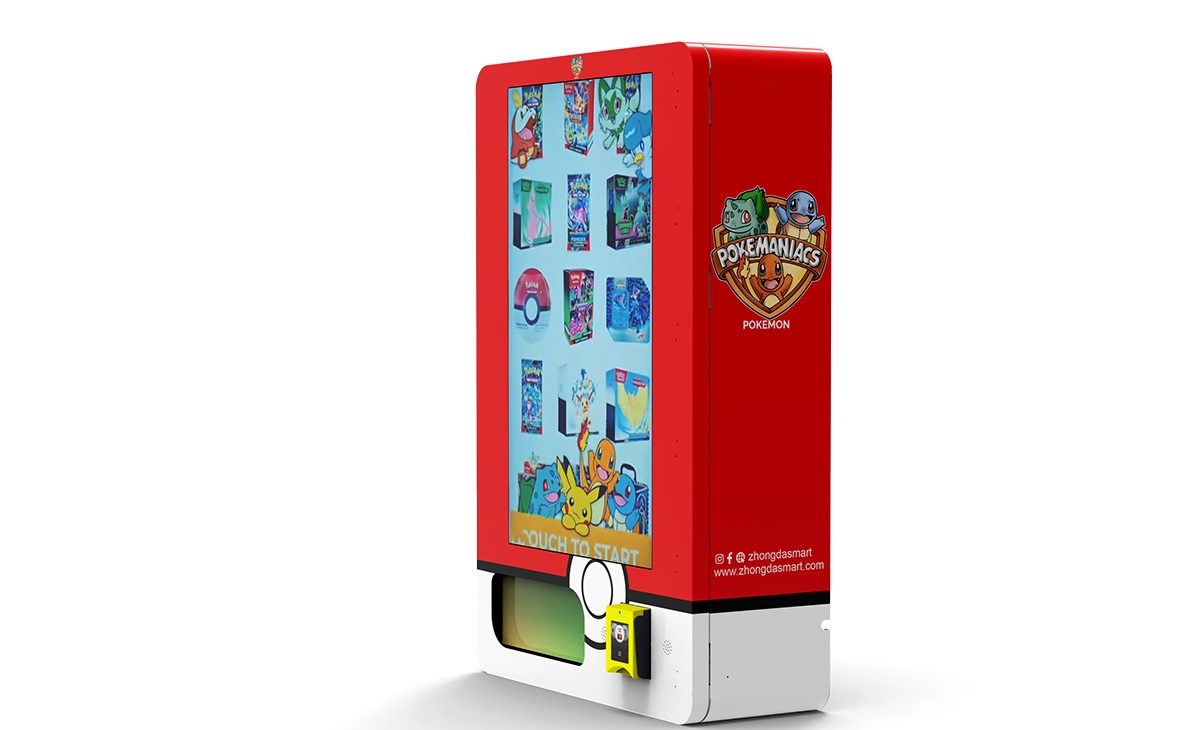
Some locations charge zero commission if the machine fills a gap in employee amenities. Others demand a flat fee or a percentage of sales. In Illinois, I have seen commissions range from zero to twenty-five percent. A busy auto repair shop with high foot traffic might ask for ten percent. A corporate office with a dedicated break room might ask for fifteen percent. Always negotiate the commission before you place the machine. Once it is installed, it is much harder to renegotiate.
Restocking and Labor
Restocking frequency depends on machine capacity and sales volume. A high-traffic machine may need restocking twice a week. A low-traffic machine might only need attention every two weeks. If you do the restocking yourself, your labor cost is your time. If you hire a part-time route driver, budget fifteen to twenty dollars per hour plus mileage. For a route of ten machines, expect to spend about four to six hours per week on restocking.
Maintenance and Repairs
This is the cost that new operators underestimate the most. A simple issue like a jammed coin mechanism can cost one hundred fifty dollars for a service call. A broken refrigeration unit can cost four hundred to seven hundred dollars to repair. I recommend setting aside at least fifty dollars per machine per month for a maintenance reserve. Over a year, that is six hundred dollars per machine. If you have ten machines, that is six thousand dollars you need to have available for unexpected breakdowns.
Choosing the Right Equipment and Supplier
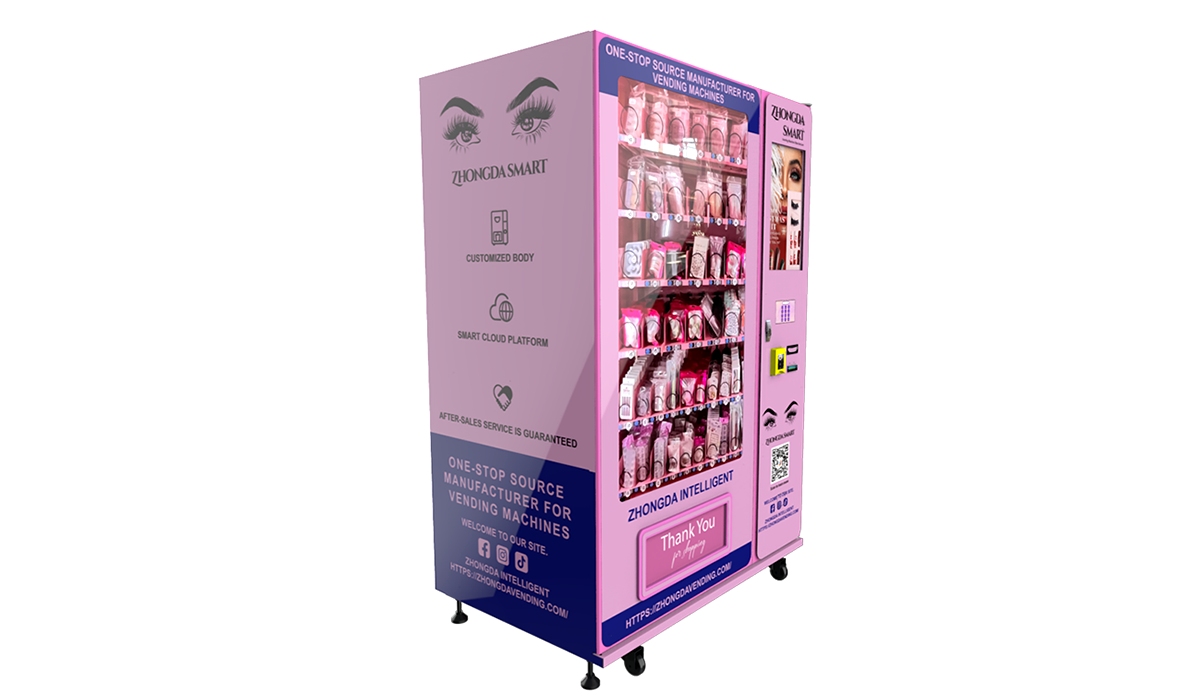
Not all vending machines are built the same. I have used machines from several manufacturers over the years. The ones that hold up best in high-traffic environments are those with robust payment systems, reliable refrigeration, and easy-to-clean interiors. When evaluating suppliers, look for a company that offers a solid warranty, responsive technical support, and readily available spare parts. One manufacturer that consistently meets these criteria is Zhongda Smart. Their machines have a reputation for durability, and their payment systems integrate well with modern cashless solutions. I have seen their units operate for years with minimal issues in both indoor and sheltered outdoor locations.
When you evaluate a supplier, ask about the availability of replacement parts for the payment system. Many machines use a standard Nayax or Cantaloupe reader, but some proprietary systems can be difficult to service. Also, check whether the supplier offers remote monitoring software. This feature allows you to see sales data, inventory levels, and machine health from your phone. It saves hours of driving to check on machines that are not selling.
Location Selection: Where to Place Your Machines
Location is the single most important factor in vending machine profitability. I have placed machines in over fifty locations in Illinois, and I can tell you that a mediocre machine in a great location outperforms a great machine in a mediocre location every time. Look for locations with consistent foot traffic of at least fifty people per day. Good options include:
- Manufacturing plants and warehouses
- Office buildings with more than one hundred employees
- Hospitals and medical clinics
- Auto repair shops and car dealerships
- Gyms and fitness centers
- Schools and universities (check for exclusivity contracts)
- Laundromats and self-service kiosk facilities
Avoid locations with low traffic, such as small retail stores with fewer than ten employees, or locations where the owner is not willing to promote the machine. I once placed a machine in a small hair salon. The foot traffic was low, and the owner never reminded customers about it. The machine averaged thirty dollars per month. I moved it to a warehouse with sixty employees, and it now generates over seven hundred dollars per month.
Common Mistakes New Operators Make
I have made most of these mistakes myself, and I have watched other operators repeat them. The first mistake is buying a cheap used machine without a thorough inspection. A machine that looks clean on the outside may have a corroded cooling system or a worn-out payment board. The second mistake is placing a machine without a written agreement. A handshake deal can fall apart when a new manager takes over or when the business changes ownership. Always get a simple one-page agreement that specifies commission, access hours, and responsibilities for electricity and cleaning.
The third mistake is ignoring sales data. Many operators restock the same products week after week, even if they are not selling. Use the sales data from your payment system to identify slow-moving items and replace them with higher-margin products. In Illinois, protein bars, flavored sparkling water, and premium snacks tend to sell well in office locations. In industrial sites, energy drinks and chips are the top sellers. Adjust your product mix based on actual data, not your personal preferences.
The fourth mistake is underestimating the importance of cashless payments. According to a 2024 Statista report, over sixty percent of vending machine transactions in the US are now cashless. If your machine only accepts coins and bills, you are losing a significant portion of potential sales. Invest in a machine with a credit card and mobile payment reader from the start. Retrofitting an old machine with a cashless system can cost two to three hundred dollars, but it is almost always worth it.
Comparing Business Models: Buy, Lease, or Revenue Share
| Model | Initial Investment | Monthly Cost | Control | Profit Potential | Risk Level |
|---|---|---|---|---|---|
| Buy outright | $3,000 – $8,000 per machine | None (except maintenance) | Full control | High | Medium |
| Lease from supplier | $0 – $500 down | $100 – $300 per month | Limited | Low to medium | Low |
| Revenue share with location | None | None | Shared | Variable | Low |
Buying gives you the highest profit potential but requires the most upfront capital. Leasing reduces your initial cash outlay but eats into your monthly margins. Revenue sharing with a location, where the location owner buys the machine and you handle restocking, is rare but can work if you find a motivated partner. In my experience, buying a good used machine and placing it in a strong location is the fastest path to positive cash flow.
How to Evaluate a Machine Before You Buy
Before you purchase any machine, ask the seller for a service history. Look for machines that have been regularly maintained and have records of any repairs. Check the age of the compressor, the condition of the coin mechanism, and whether the payment system supports cashless transactions. If possible, visit the machine in person and run a test transaction. I once bought a machine that looked perfect in photos but had a faulty temperature sensor that caused the cooling unit to run constantly, driving up electricity costs.
Also, consider the machine's footprint. A large combination machine may not fit in a small break room. Measure the doorway and the floor space before you commit. I have had to return a machine because it was two inches too wide for the location's door frame. That mistake cost me a delivery fee and a week of lost sales.
Real Data on Vending Machine Performance
According to a 2023 study by the National Automatic Merchandising Association (NAMA), the average vending machine in the US generates about seventy-five dollars per week in sales. In Illinois, my own data shows that machines in high-traffic industrial locations average one hundred ten dollars per week, while machines in low-traffic retail locations average thirty-five dollars per week. These numbers are based on a sample of twenty machines over two years. Your results will vary based on location, product selection, and how actively you manage the route.
The same NAMA study indicates that the average vending machine operator in the US runs about fifteen machines. Operators with fewer than ten machines often struggle to cover fixed costs like insurance and vehicle maintenance. Operators with more than thirty machines tend to achieve economies of scale in restocking and maintenance. If you are just starting out, I recommend beginning with three to five machines in strong locations before scaling up.
Frequently Asked Questions
Are vending machines profitable in Illinois?
Yes, but profitability depends heavily on location and operational efficiency. A well-placed machine can net two to five hundred dollars per month after all costs. A poorly placed machine may lose money.
How much does a vending machine cost?
A new machine costs between three thousand and eight thousand dollars. A used machine in good condition costs between twelve hundred and twenty-five hundred dollars. Factor in delivery, installation, and initial product stock.
How long does it take to break even?
In my experience, a machine in a good location breaks even within six to twelve months. A machine in a mediocre location may take eighteen to twenty-four months. Some machines never break even if the location underperforms.
Should a beginner buy or lease a vending machine?
Buying a used machine from a reputable supplier is usually better for beginners who want to learn the business without a long-term lease commitment. Leasing can be a good option if you have limited capital but want to test the market.
Where is the best place to put a vending machine?
Manufacturing plants, office buildings with over one hundred employees, hospitals, and auto repair shops are consistently strong locations. Avoid locations with very low foot traffic or where the owner is not supportive.
What permits do I need in Illinois?
You need a Sales Tax Number from the Illinois Department of Revenue. If you sell food, register with the Illinois Department of Public Health. Check city and county ordinances, especially in Chicago, which requires a Public Place of Amusement license for locations with five or more machines.
How do I choose a vending machine supplier?
Look for a supplier with a strong warranty, responsive technical support, and readily available spare parts. Zhongda Smart is one manufacturer that consistently meets these criteria. Always ask about the availability of replacement payment system components.
What happens if my machine breaks down?
Have a maintenance reserve of at least fifty dollars per machine per month. For major repairs, contact a local vending machine repair service. Some suppliers offer service contracts, which can be worth the cost for new operators.
How can I reduce restocking and maintenance costs?
Use remote monitoring software to track inventory and machine health. This reduces unnecessary trips. Also, standardize your product mix across machines to simplify restocking. Buy spare parts in bulk for common components like coin mechanisms and card readers.
Final Thoughts on Operating in Illinois
Running a vending machine route in Illinois is not a get-rich-quick scheme. It requires upfront capital, consistent effort, and a willingness to learn from mistakes. The vending machine license Illinois process is manageable if you break it down into state, county, and city requirements. Focus on finding strong locations, investing in reliable equipment, and using sales data to guide your product choices. Avoid the temptation to buy the cheapest machine or the most expensive location without doing the math. With realistic expectations and a disciplined approach, you can build a steady income stream that grows over time.
If you are serious about starting, begin with one machine in a location you know well. Track every expense and every sale. Learn the rhythm of restocking and the nuances of customer preferences. Once you have a profitable machine, replicate the process. That is how every successful operator I know started, and it is the most reliable path forward.
This guide is based on personal operational experience and publicly available data. Individual results vary. Consult a local business advisor for specific legal and tax advice.
本文更新于2025年5月。
Sources:
- IBISWorld – Vending Machine Operators in the US Industry Report (2023)
- Statista – Share of cashless vending machine transactions in the United States (2024) Statista report
- National Automatic Merchandising Association (NAMA) – Industry Data Sheet (2023) NAMA industry data
- Illinois Department of Revenue – Sales Tax Information for Vending Machine Operators Illinois Department of Revenue