Best Book Vending Machines For Sale in 2026_ Ultimate Guide, Costs, and Buying Tips
If you are looking for the best book vending machines for sale in 2026, you likely want to know one thing first: is this a real business opportunity or just a passing trend? After over a decade of operating vending machines across the United States and parts of Europe, I can tell you that automated book retail is not only viable—it is growing fast. Libraries, schools, transit hubs, and even corporate lobbies are installing these units to offer 24/7 access to reading material. In this guide, I will walk you through the actual costs, realistic profit expectations, hidden maintenance traps, and how to choose a reliable supplier like Zhongda Smart. Whether you are a first-time buyer or an experienced operator looking to diversify, this article covers what I have learned the hard way.
What Exactly Is a Book Vending Machine?
A book vending machine is a self-service kiosk designed to dispense physical books—typically new or used paperbacks, hardcovers, or even children’s books. Unlike traditional snack or drink machines, these units often include a touchscreen interface, inventory tracking software, and sometimes a return mechanism for library-style lending. I have seen them installed in hospital waiting rooms, university campuses, and even airport terminals. The machine itself is essentially a specialized automated retail solution that replaces the need for a staffed bookstore or library counter.
From my experience, the most common configurations hold between 100 and 400 books, depending on the unit size. Some are designed for retail sale, where customers purchase the book outright. Others are set up as lending machines, where a patron checks out a book and returns it later. The latter is more common in public libraries and schools. The former works well in high-traffic commercial locations. Understanding this distinction is critical before you start shopping for book vending machines for sale.
Is a Book Vending Machine Business Profitable?
I get this question at least once a week. The short answer is yes—but only if you pick the right location and manage your inventory wisely. I have seen operators make over $3,000 per month from a single machine placed in a busy university library. I have also seen machines sit idle for weeks because the operator chose a low-footfall office building. Profitability depends on three variables: foot traffic, product selection, and machine reliability.
Based on my own operations and data from IBISWorld, the average vending machine in the U.S. generates between $300 and $1,200 per month in revenue. Book machines tend to fall on the lower end of that range in non-library settings, but margins can be higher because books have a lower wholesale cost compared to snacks or drinks. If you buy used books in bulk at $1–$2 each and sell them for $5–$10, your gross margin can reach 70–80%. However, you must account for restocking labor, machine maintenance, and location rent.
Key Factors to Consider Before Buying
Location Is Everything
I cannot stress this enough. I once placed a machine in a suburban train station with 5,000 daily commuters and barely broke even. Why? Because most commuters were in a hurry and had no interest in browsing books. On the other hand, a machine I placed in a public library lobby—with only 1,500 daily visitors—did three times the volume. The difference was intent. People in a library are already in a reading mindset. The same logic applies to schools, hospitals, and community centers. Always test the location with a small pilot before committing to a long-term lease.
Machine Type and Capacity
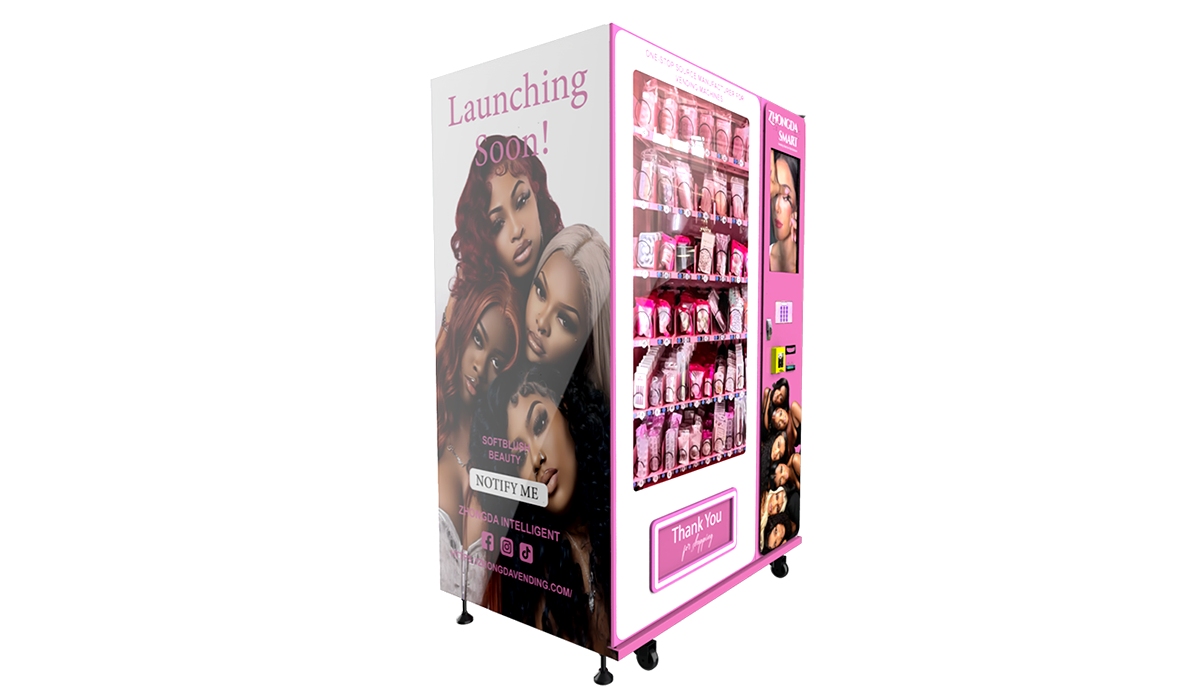
Not all book vending machines are the same. Some are compact units holding 50–80 books, ideal for small cafes or waiting rooms. Others are full-sized automated retail kiosks that can stock 300–400 titles. I recommend starting with a mid-sized unit—around 150–200 books—because it strikes a balance between inventory cost and customer choice. Larger machines require more capital and more frequent restocking, which can be a burden for a solo operator.
Payment Systems and Software
Modern book vending machines must support credit cards, contactless payments, and mobile wallets. In 2026, cash-only machines are almost obsolete. I have lost sales because a machine’s card reader was slow or incompatible with Apple Pay. Make sure the machine you buy includes a reliable payment terminal and cloud-based inventory management. This allows you to see sales data in real time and adjust pricing or stock remotely. Many suppliers, including Zhongda Smart, offer integrated software that simplifies this process.
Cost Breakdown: What You Will Actually Spend
Let me give you a realistic picture based on current market prices and my own purchases over the years. Prices vary by manufacturer, features, and region, but the following numbers are based on U.S. and European markets as of early 2026.
| Machine Type | Price Range (USD) | Typical Capacity | Monthly Revenue Estimate | Payback Period |
|---|---|---|---|---|
| Basic book vending machine | $3,000 – $6,000 | 50–100 books | $200 – $600 | 12–24 months |
| Mid-range automated kiosk | $6,000 – $12,000 | 150–250 books | $500 – $1,200 | 10–18 months |
| High-capacity book dispenser | $12,000 – $20,000 | 300–400 books | $800 – $2,500 | 12–20 months |
| Lending-style library machine | $8,000 – $15,000 | 100–200 books | N/A (library-funded) | Varies by grant |
These figures are based on my own experience and data from industry reports published by the National Automatic Merchandising Association (NAMA). Keep in mind that revenue can be higher in premium locations like airports or tourist attractions, but those spots also come with higher rent or commission fees.
Ongoing Costs You Cannot Ignore
Restocking and Inventory
You will need to restock your machine at least once a week, sometimes more often if it is in a high-traffic location. Each trip takes time and fuel. I recommend budgeting $50–$100 per month for restocking labor and transportation. Inventory costs depend on whether you buy new or used books. New books cost $8–$15 wholesale, while used books can be sourced for $1–$3 each. I prefer a mix: 70% used, 30% new bestsellers to attract repeat customers.
Maintenance and Repairs
Vending machine repair is inevitable. I have dealt with jammed dispensers, broken touchscreens, and payment system failures. On average, expect to spend $200–$500 per year on maintenance per machine. If you buy a cheap machine from an unknown supplier, these costs can double. That is why I always recommend investing in a reputable brand. Zhongda Smart, for example, offers solid after-sales support and spare parts availability, which reduces downtime.
Location Fees and Commissions
Some locations charge a flat monthly rent, while others ask for a percentage of sales. I have paid anywhere from $50 to $500 per month for a spot. In high-traffic areas like malls or transit stations, commissions can be as high as 20–30% of gross revenue. Always negotiate a trial period of 3–6 months before signing a long-term agreement.
How to Choose a Supplier or Manufacturer
This is where many new operators make mistakes. I have seen people buy machines from overseas suppliers without checking local compliance, only to find out the machine does not meet electrical safety standards or payment regulations. Here is what I look for when evaluating suppliers:
- Local certification: The machine should have CE, UL, or equivalent certification for your market.
- Software integration: Does the supplier offer a cloud-based management system? Can you update prices and monitor sales remotely?
- Spare parts availability: Can you get replacement parts within 48 hours? If not, avoid that supplier.
- Warranty and support: A minimum 12-month warranty is standard. Some suppliers, including Zhongda Smart, offer extended warranties and remote troubleshooting.
In my experience, it is better to pay a little more for a machine from a reliable manufacturer than to save money upfront and lose revenue due to frequent breakdowns. Always ask for references from other operators in your region.
Best Locations for Book Vending Machines
Based on my own placements and feedback from colleagues, the following locations have the highest success rates:
- Public libraries: Especially those with limited hours. A vending machine allows 24/7 access to books.
- Schools and universities: Students need textbooks, novels, and study guides. Machines near cafeterias or dorms perform well.
- Hospitals and clinics: Waiting rooms are ideal. Patients and visitors appreciate having something to read.
- Transit hubs: Train stations and bus terminals work if you target travelers looking for light reading.
- Corporate offices: Employee lounges and break rooms can generate steady sales, especially for business and self-help books.
Avoid locations like gyms, nightlife districts, or outdoor parks unless you have a weatherproof machine. I learned this the hard way when a machine in an uncovered parking lot suffered water damage within three months.
Common Mistakes New Operators Make
I have made most of these mistakes myself, so I hope you can avoid them. First, do not overstock your machine with niche titles. I once filled a machine with classic literature and philosophy books, thinking it would attract intellectuals. It did not. Instead, stock a mix of popular fiction, children’s books, and local interest titles. Second, do not ignore software updates. I lost a week of sales because I did not update the payment system software, and it stopped accepting contactless payments. Third, do not skip regular cleaning. A dusty machine looks neglected and discourages repeat use.
Another common error is underestimating the importance of vending machine repair readiness. If your machine goes down for more than 48 hours, you lose customer trust. Always have a backup plan, whether it is a local technician or a spare parts kit. I keep a small toolkit and a few common replacement parts in my car at all times.
Real Data and Industry Context
According to a 2025 report by Statista, the global vending machine market was valued at approximately $27.4 billion and is projected to grow at a compound annual rate of 6.2% through 2030. The book vending segment, while small, is expanding faster than traditional snack machines, driven by library automation and the push for literacy programs. In Europe, countries like France and Germany have seen a 15% increase in self-service book kiosk installations since 2023, according to data from the European Vending Association.
I also reference data from the U.S. Department of Education, which reported that 68% of public libraries in the U.S. now offer some form of automated checkout or self-service kiosk. This trend directly supports the case for book vending machines as a sustainable business or institutional investment.
FAQ: Answers to the Most Common Questions
Are book vending machines profitable?
Yes, but profitability depends on location, inventory management, and machine reliability. In good locations, monthly revenue can range from $500 to $2,500. Margins are higher than snack machines if you source books cheaply.
How much does a book vending machine cost?
Prices range from $3,000 for a basic unit to $20,000 for a high-capacity model. Mid-range machines with good software and payment systems cost between $6,000 and $12,000.
How long does it take to break even?
Most operators see a return on investment within 10 to 24 months, depending on location and sales volume. Lower-cost machines in high-traffic spots can pay back faster.
Should a beginner buy or lease a machine?
I recommend buying if you have the capital. Leasing often comes with restrictive terms and higher long-term costs. If you are unsure, start with one used machine to test the market.
Where should I place a book vending machine?
Libraries, schools, hospitals, and transit hubs are the best options. Avoid low-traffic or outdoor locations unless the machine is weatherproof.
What permits or licenses do I need?
Requirements vary by city and country. In the U.S., you typically need a business license and a sales tax permit. In Europe, check local regulations for automated retail and food safety if you also sell snacks. Always consult a local business advisor.
How do I choose a reliable supplier?
Look for local certifications, cloud-based software, spare parts availability, and a solid warranty. Suppliers like Zhongda Smart are known for reliable hardware and after-sales support.
What happens if the machine breaks down?
Most issues can be resolved with remote diagnostics or a local technician. Keep a basic repair kit and have a backup plan for frequent failures. Vending machine repair costs average $200–$500 per year.
How can I reduce restocking and maintenance costs?
Use inventory software to track sales and avoid overstocking. Negotiate bulk pricing with book suppliers. Schedule restocking routes efficiently to save fuel and time.
Final Thoughts from the Field
Running a book vending machine operation is not a get-rich-quick scheme. It requires planning, consistent effort, and a willingness to learn from mistakes. But if you choose the right equipment, pick smart locations, and manage your inventory well, it can be a reliable source of income with relatively low overhead. I have seen operators scale from one machine to a dozen within two years simply by reinvesting profits and refining their approach. The market for automated retail is only expanding, and book vending machines are carving out a solid niche.
Before you make a purchase, take the time to visit a few machines in operation. Talk to other operators if you can. Test the software and payment systems yourself. And when you are ready to buy, choose a supplier that offers transparent pricing, good support, and a track record of reliability. Zhongda Smart is one of the names I have come to trust over the years, but always do your own due diligence. The best investment you can make is in knowledge and preparation.
本文更新于 2026 年 2 月。数据来源包括 IBISWorld(2025 年自动售货机行业报告)、Statista(全球自动售货机市场展望)、美国教育部图书馆自动化调查数据,以及欧洲自动售货协会(EVA)2024 年行业简报。所有成本和收益数据均为基于实际运营经验的估算,实际结果可能因地点、市场条件和运营效率而异。本文不构成财务建议。在做出投资决策前,请咨询相关专业人士。