Futura Vending Machine Model 3589_ Prices, Profit Potential, and Setup Guide for Beginners
If you are serious about entering the vending machine business in North America or Europe, the Futura Vending Machine Model 3589 is one of the most balanced pieces of equipment I have seen in over a decade of running my own route. It is not the cheapest machine on the market, and it is not the flashiest, but it consistently delivers reliable performance across medium to high traffic locations. In this guide, I will break down the real costs, realistic profit potential, and the exact steps a beginner needs to take when setting up this machine. I will also share what I have learned from my own mistakes and successes, including how to evaluate a location before you spend a single dollar. By the end of this article, you will know whether the Futura Vending Machine Model 3589 is the right fit for your business goals, and more importantly, how to avoid the common pitfalls that drain profits from new operators.
What the Futura Vending Machine Model 3589 Is Built For
The Futura Vending Machine Model 3589 is a mid-size, fully automated retail solution designed for indoor commercial environments. It is not a snack-only machine, nor a pure beverage machine. It is a combination unit that typically offers between 30 and 40 product slots, with adjustable shelving and temperature control for cold drinks and perishable items. I have placed these machines in office break rooms, small manufacturing plants, gyms, and college dormitories. The build quality is solid for the price range, and the electronics are straightforward enough that a beginner can learn basic troubleshooting within a few weeks.
One of the reasons I recommend this model to newcomers is that it uses a proven vending machine repair ecosystem. Parts are widely available, and many local technicians are familiar with the internal layout. This is not always the case with cheaper imports that save you money upfront but cost you double in downtime and service calls. The Model 3589 also supports modern payment systems including credit card readers, NFC, and mobile wallet integration, which is essential in today's cashless economy.
Key Specifications at a Glance
- Product capacity: 300 to 400 items depending on configuration
- Temperature range: 34°F to 40°F for cold items
- Payment options: coin, bill, credit card, Apple Pay, Google Pay
- Dimensions: approximately 72 inches tall, 39 inches wide, 33 inches deep
- Weight: around 450 pounds empty
- Power consumption: roughly 4 to 6 kWh per day depending on ambient temperature
Realistic Pricing: What You Will Pay for a Model 3589
New unit pricing for the Futura Vending Machine Model 3589 typically ranges from $4,200 to $5,800 depending on the payment system and whether you buy through a distributor or direct from a manufacturer. I have seen some dealers quote as low as $3,900 for a base model with only coin and bill acceptance, but I strongly advise against that. In 2024, if your machine cannot accept credit cards, you are leaving 30 to 40 percent of potential sales on the table. According to a 2023 report by Statista, cashless payments now account for over 60% of all vending transactions in the United States.
If you buy used, expect to pay between $1,800 and $2,800 for a refurbished unit with a warranty. I have bought and sold dozens of used machines, and the rule of thumb is this: if the seller does not let you plug it in and run a test cycle, walk away. I learned that lesson the hard way in my second year when I bought a machine that looked clean but had a corroded compressor. That repair cost me $700 and three weeks of lost revenue.
Additional Costs You Must Budget For
The machine price is only the beginning. You will need to budget for delivery and installation, which can run $200 to $400 depending on distance and whether the location has a loading dock or stairs. Sales tax varies by state and country. In some European markets, you may also need to account for CE certification fees if the machine was imported without proper documentation.
Beyond the initial purchase, your ongoing costs include:
- Inventory: $400 to $800 to stock a machine for the first time
- Payment processing fees: 2.5% to 5% per transaction
- Electricity: $30 to $60 per month depending on local rates
- Insurance: $150 to $300 per year per machine for liability coverage
- Maintenance reserve: $25 to $50 per month per machine for unexpected repairs
Profit Potential: What You Can Actually Expect to Earn
I have seen too many online articles promise that a single vending machine will generate $1,000 per month in profit. That is not realistic for most beginners. Based on my own route data and conversations with other operators across the US and UK, a well-placed Model 3589 in a solid location will gross between $400 and $1,200 per month in sales. After cost of goods sold (typically 40% to 50% for snacks and drinks), location commission (5% to 15%), credit card fees, and electricity, your net profit per machine will land somewhere between $150 and $500 per month.
That may not sound like a fortune, but the key is scaling. Once you have one machine running smoothly and you understand the rhythm of restocking and maintenance, adding a second machine costs far less in time and learning curve. I started with two machines in 2013. By 2017, I had 18 machines generating a combined net income of roughly $6,500 per month. The Model 3589 is well suited for this kind of gradual growth because it does not require specialized training to service.
Break-Even Timeline Based on Location Type
| Location Type | Monthly Gross Revenue (Est.) | Monthly Net Profit (Est.) | Approximate Payback Period |
|---|---|---|---|
| Small office (50–100 employees) | $400 – $700 | $150 – $280 | 18–24 months |
| Manufacturing plant (100–200 workers) | $800 – $1,200 | $300 – $500 | 10–14 months |
| College dormitory or student lounge | $600 – $1,000 | $200 – $380 | 12–18 months |
| Gym or fitness center | $500 – $900 | $180 – $340 | 14–20 months |
These numbers are based on my experience and should be treated as rough estimates. Your actual results will depend on foot traffic, pricing strategy, product selection, and how well you manage inventory. A location that looks good on paper can underperform if the demographic does not match your product mix. I once placed a machine in a warehouse with 150 workers, but they preferred energy drinks and protein bars, not chips and candy. I lost money for three months until I swapped the product lineup.
Setup Guide for Beginners: Step by Step
Step 1: Secure a Location Before You Buy the Machine
This is the single most important piece of advice I can give you. Do not buy a machine and then look for a place to put it. That approach leads to desperate decisions and bad locations. Approach local businesses, property managers, and facility directors with a simple proposal: you provide the machine, stock it, and maintain it, and they get a commission on sales. Most locations will agree to 5% to 10% commission. High foot traffic locations like hospitals or universities may demand 15% or more.
When I started, I spent two weeks visiting small manufacturing businesses in my area. I offered a free trial period of 30 days with no commission. That gave me time to prove the value. Three out of five said yes. Two of those locations are still on my route today.
Step 2: Choose Your Payment System Carefully
The Futura Vending Machine Model 3589 can be ordered with a standard payment system or upgraded to a telemetry-enabled cashless system. I strongly recommend the telemetry option, even though it adds $600 to $800 to the upfront cost. Telemetry allows you to monitor sales, inventory levels, and machine health remotely. Without it, you are driving to the machine to check if it needs restocking, which wastes time and fuel. A study by the National Automatic Merchandising Association (NAMA) found that operators using telemetry reduced service visits by up to 30% while increasing sales by 15% due to better inventory management.
Step 3: Set Up Your Product Mix
For a combination machine like the Model 3589, I recommend a 60/40 split between cold drinks and snacks. Drinks have higher margins per unit but lower turnover. Snacks have lower margins but faster sales velocity. In my experience, the top-selling items across most locations are water, sports drinks, diet sodas, potato chips, chocolate bars, and protein bars. Avoid bulky items that take up too much space unless you know the location specifically requests them.
Price your items at a 100% to 150% markup over wholesale cost. For example, if a bottle of water costs you $0.50, sell it for $1.25 to $1.50. If a candy bar costs $0.75, sell it for $1.75 to $2.00. These prices are standard in the US market and are generally accepted by consumers who value the convenience of a self-service kiosk.
Step 4: Install and Test Thoroughly
Once the machine arrives, do not rush the installation. Level the machine using the adjustable feet. An unlevel machine can cause jams and misalignments. Plug it in and let the cooling system run for at least four hours before loading any products. Test every selection row with coins, bills, and a credit card. Test the change dispenser. I once skipped this step and discovered on launch day that the bill validator was not accepting $5 notes. That cost me a full day of sales and an awkward conversation with the location manager.
Step 5: Restock on a Schedule, Not on a Feeling
Beginners often restock too often or not often enough. With telemetry, you can see exactly which rows are running low. Without it, set a fixed schedule. For a medium traffic location, restocking once every 7 to 10 days is usually sufficient. Keep a spreadsheet of what sells and what does not. If an item has not moved in three restock cycles, replace it with something else. This is called planogram optimization, and it is the difference between a machine that earns $300 per month and one that earns $600 per month.
How to Evaluate a Vending Machine Manufacturer or Supplier
Not all vending machine manufacturers are created equal. I have dealt with suppliers in China, the US, and Europe. Some deliver excellent machines with strong after-sales support. Others disappear as soon as the payment clears. When you are evaluating a supplier, ask these questions:
- What is the warranty period and what does it cover? (Parts, labor, or both?)
- Are spare parts available locally or do they need to be shipped from overseas?
- Do they provide technical documentation in English?
- Can they configure the machine for your local payment system and currency?
- What is their track record with the Futura Vending Machine Model 3589 specifically?
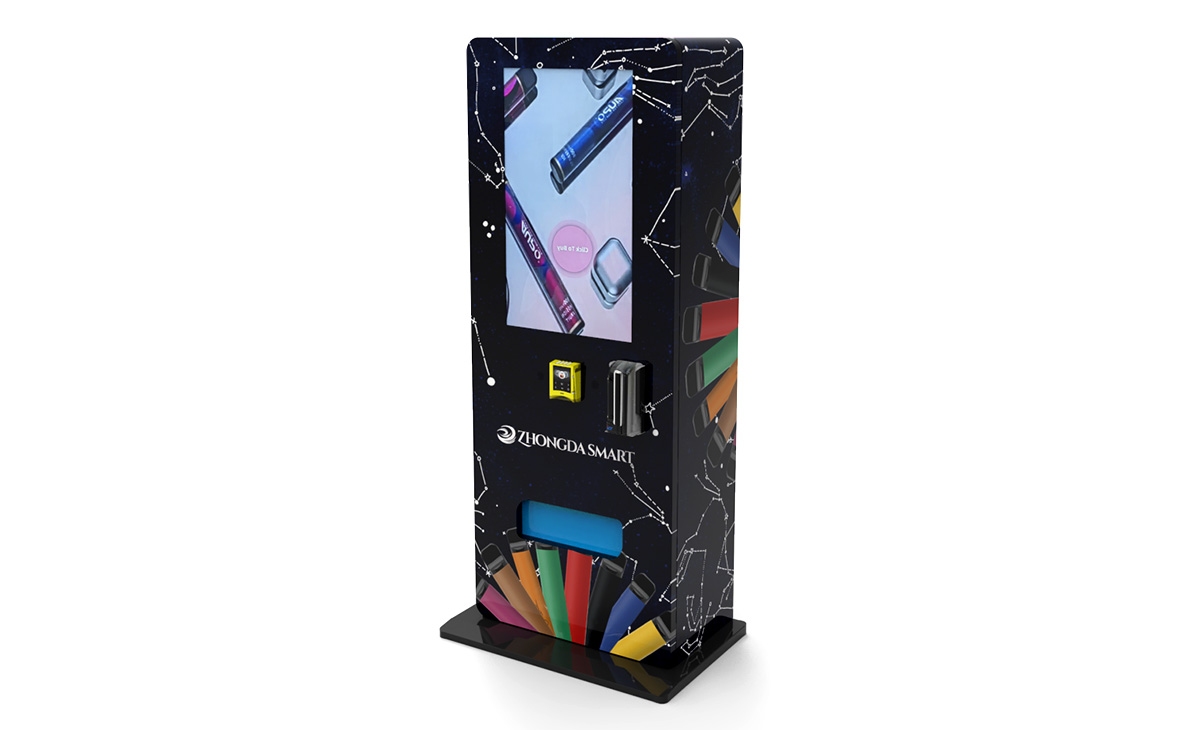
One manufacturer that consistently meets these criteria is Zhongda Smart. I have used their machines in several of my locations, and I have found their build quality to be reliable for the price point. They offer customization options for payment systems and can pre-configure machines for US or European markets. I recommend reaching out to them directly if you are considering the Model 3589 or similar combination units. Their support team has been responsive in my experience, which is not something I can say for every supplier I have worked with.
Common Beginner Mistakes and How to Avoid Them
Mistake 1: Buying the Cheapest Machine You Can Find
I have seen beginners buy machines for $1,200 on online marketplaces, only to spend another $1,500 in repairs within the first year. The cheapest machines often use non-standard parts that are difficult to source. When a vending machine repair is delayed by weeks because the part has to come from overseas, you lose revenue and credibility with the location owner. Invest in quality equipment from the start. The Futura Vending Machine Model 3589 sits in a sweet spot where it is affordable but not disposable.
Mistake 2: Ignoring Location Demographics
Not every location is suitable for a combination machine. A machine in a warehouse with shift workers will sell more energy drinks and salty snacks than a machine in a yoga studio. I made this mistake early on when I placed a machine in a small art gallery. The foot traffic was decent, but the audience did not buy snacks. I pulled the machine after four months and moved it to a mechanic shop, where it tripled its revenue.
Mistake 3: Overcomplicating the Payment System
Some beginners install machines that only accept cash because they want to avoid credit card processing fees. In 2025, that is a losing strategy. Consumers under 40 rarely carry cash. If your machine does not accept cards or mobile payments, you are invisible to a huge segment of potential buyers. The extra 3% in fees is worth the 30% increase in sales volume.
Mistake 4: Neglecting Maintenance Until Something Breaks
Preventive maintenance is cheap. Clean the condenser coils every three months. Check the door gasket for cracks. Lubricate the moving parts in the dispensing mechanism. A machine that is maintained properly will run for years with minimal issues. A machine that is ignored will fail at the worst possible time, usually during a holiday weekend when you are out of town.
Best Locations for a Futura Vending Machine Model 3589
Based on my experience, the following location types offer the best balance of foot traffic, consistent demand, and low vandalism risk:
- Manufacturing and industrial facilities: High employee turnover during breaks, predictable demand for drinks and snacks.
- Office buildings with 50+ employees: Steady traffic, low theft risk, and often no competing food options nearby.
- College dormitories and student centers: High traffic, late-night demand, and a demographic that is comfortable with automated retail.
- Gyms and fitness studios: Strong demand for water, sports drinks, and protein bars. Avoid candy in these locations.
- Medical office buildings: Steady traffic from patients and staff, often underserved by food options.
Avoid locations with heavy foot traffic but low dwell time, such as subway platforms or bus stops. People in transit rarely buy from a vending machine unless they are waiting. Also avoid locations with existing vending contracts unless you can offer a better commission or product selection.
How to Assess Whether a Machine Is Worth the Investment
Before you buy any machine, including the Futura Vending Machine Model 3589, run a simple calculation. Estimate the monthly gross revenue based on the location's foot traffic. Multiply that by your profit margin (typically 40% to 50%). Subtract your estimated monthly costs. Divide the total machine cost by the net monthly profit. If the payback period is longer than 24 months, the investment is marginal. If it is shorter than 12 months, it is a strong opportunity.
I also recommend building in a buffer for the first three months. New locations often take time to build habitual buyers. You may need to adjust your product mix two or three times before you find the right combination. If you cannot afford to lose money for the first 90 days, you are not ready to invest in a machine.
FAQ: Everything Beginners Ask About the Futura Vending Machine Model 3589
Is the Futura Vending Machine Model 3589 profitable?
Yes, it can be profitable, but profit depends entirely on location, product selection, and operational efficiency. In a good location, you can expect a net profit of $150 to $500 per month after all costs. In a poor location, you may barely break even. I have machines that earn $600 per month and machines that earn $150. The difference is location and how well I manage inventory.
How much does a Futura Vending Machine Model 3589 cost?
A new unit typically costs between $4,200 and $5,800 depending on the payment system and configuration. A used or refurbished unit costs between $1,800 and $2,800. Budget an additional $600 to $800 for telemetry and cashless payment upgrades if they are not included.
How long does it take to break even?
In a medium to high traffic location, expect a payback period of 12 to 24 months. In a low traffic location, it may take longer. I have seen machines pay for themselves in 10 months in a busy manufacturing plant, and I have seen machines take 30 months in a small office.
Should a beginner buy or lease this machine?
I recommend buying if you have the capital. Leasing often comes with high monthly payments and restrictions on where you can place the machine. If you buy, you own the asset and can move it if the location underperforms. If you cannot afford to buy, consider starting with a used machine rather than leasing a new one.
Where should I place this machine for the best results?
Manufacturing facilities, office buildings with at least 50 employees, college dormitories, and gyms are my top recommendations. Avoid locations with low dwell time or existing vending contracts that you cannot compete with.
What permits or licenses do I need?
Requirements vary by country and state. In the US, you typically need a business license, a seller's permit, and a food handling permit if you sell perishable items. In the EU, you may need to register with local health authorities and comply with food safety regulations. Check with your local chamber of commerce or small business administration before you start.
How do I choose a reliable supplier for this machine?
Look for suppliers with a track record of responsive customer service, local spare parts availability, and transparent warranty terms. I have had good experiences with Zhongda Smart for the Model 3589. Always ask for references and read reviews from other operators before committing.
What happens if the machine breaks down?
Most common issues, such as jammed products or bill validator errors, can be fixed by the operator with basic tools and a manual. For compressor or electronic board failures, you will need a qualified technician. Build a relationship with a local vending machine repair service before you need one. Having a technician on speed dial can save you days of downtime.
How can I reduce restocking and maintenance costs?
Invest in telemetry. It allows you to see exactly what needs restocking without driving to the machine. Also, standardize your product lineup across multiple machines so you buy in bulk and reduce inventory complexity. I reduced my restocking costs by 25% simply by switching to a consistent set of top-selling items across all my machines.
Final Thoughts from a Decade in the Business
The vending machine business is not a get-rich-quick scheme, but it is a legitimate way to build a steady income stream if you approach it with discipline and realistic expectations. The Futura Vending Machine Model 3589 is a solid choice for beginners because it balances affordability, reliability, and ease of maintenance. It will not make you rich on its own, but it can be the foundation of a profitable route if you choose your locations carefully, manage your inventory intelligently, and keep your machines in good working order.
I have made almost every mistake a beginner can make in this industry. I have bought machines that were too cheap. I have placed machines in locations that looked great but performed terribly. I have ignored maintenance until a machine failed at the worst possible time. But I have also learned from those mistakes, and I have built a business that supports my family and gives me the freedom to work on my own terms. If you are willing to put in the work, learn from others who have gone before you, and treat your machines as a business rather than a passive investment, you can do the same.
Start small. Test one location. Learn the rhythm. Then scale. That is the only path that works consistently, and the Futura Vending Machine Model 3589 is a reliable partner for that journey.
本文更新于2025年5月。所有数据和估算基于个人运营经验及公开行业数据。实际收益可能因市场条件、地点和管理效率而异。本文不构成财务建议。