T-Shirt Vending Machine_ Prices, Profit Potential, and Setup Guide for Beginners
If you’ve been looking for a way to break into automated retail without the overhead of a brick-and-mortar store, a t-shirt vending machine might be the most overlooked opportunity in the vending industry right now. I’ve been placing and managing vending machines across the U.S. and parts of Europe for over a decade, and I can tell you this: the standard snack and drink machines are getting saturated. But a properly set up t-shirt vending machine—one that sells branded apparel, fan merchandise, or even basic essentials in high-traffic locations—can generate margins that most candy machines can’t touch. In this guide, I’ll walk you through what it really costs to get started, how much you can realistically expect to earn, and the exact steps I’ve used to set up profitable t-shirt vending machine operations from scratch.
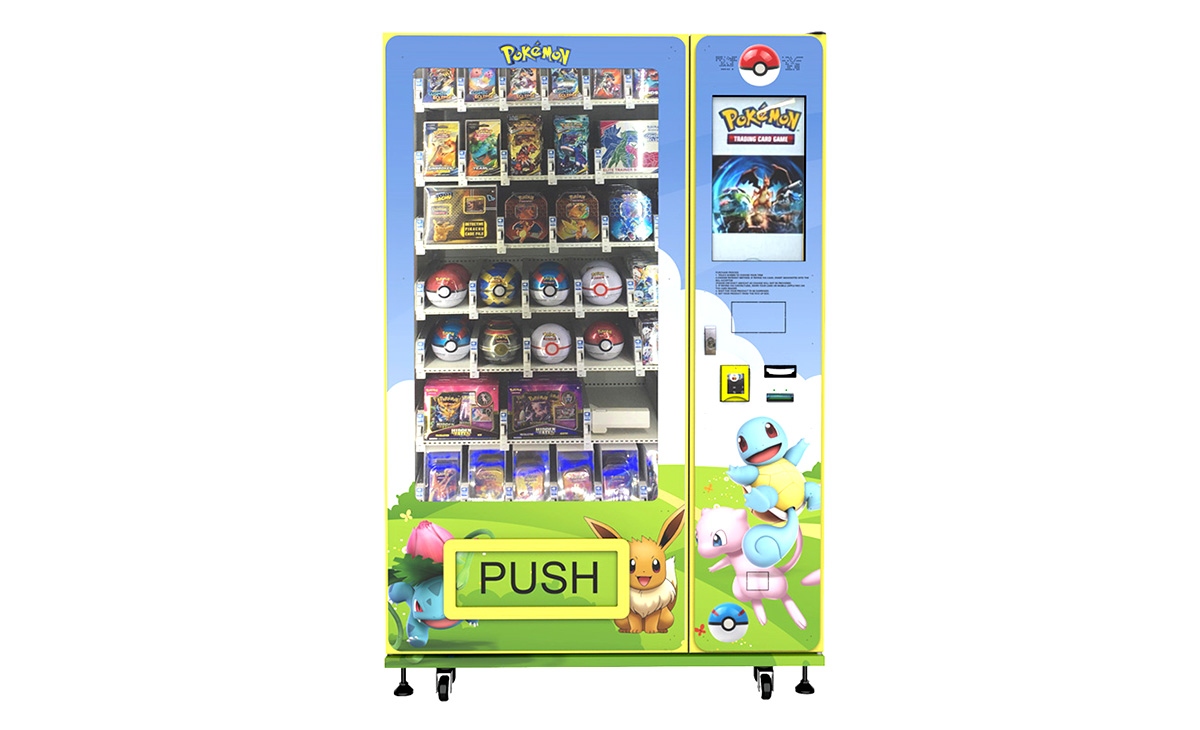
What Exactly Is a T-Shirt Vending Machine?
A t-shirt vending machine is a self-service kiosk designed to dispense folded or rolled t-shirts, hoodies, or other apparel. Unlike a traditional vending machine that drops a bag of chips, these machines typically use a carousel or a spiral system that gently releases the product. Some newer models use a robotic arm or a vertical lift mechanism to handle bulkier items.
I’ve seen these machines placed in college campuses, gyms, music venues, laundromats, and even hotel lobbies. The key is that the product needs to be something people want immediately—a souvenir, a spare shirt, or a piece of fan gear. The machine itself looks similar to a standard vending machine, but the internal mechanics are built to handle fabric, which means you can’t just retrofit a candy machine and expect it to work.
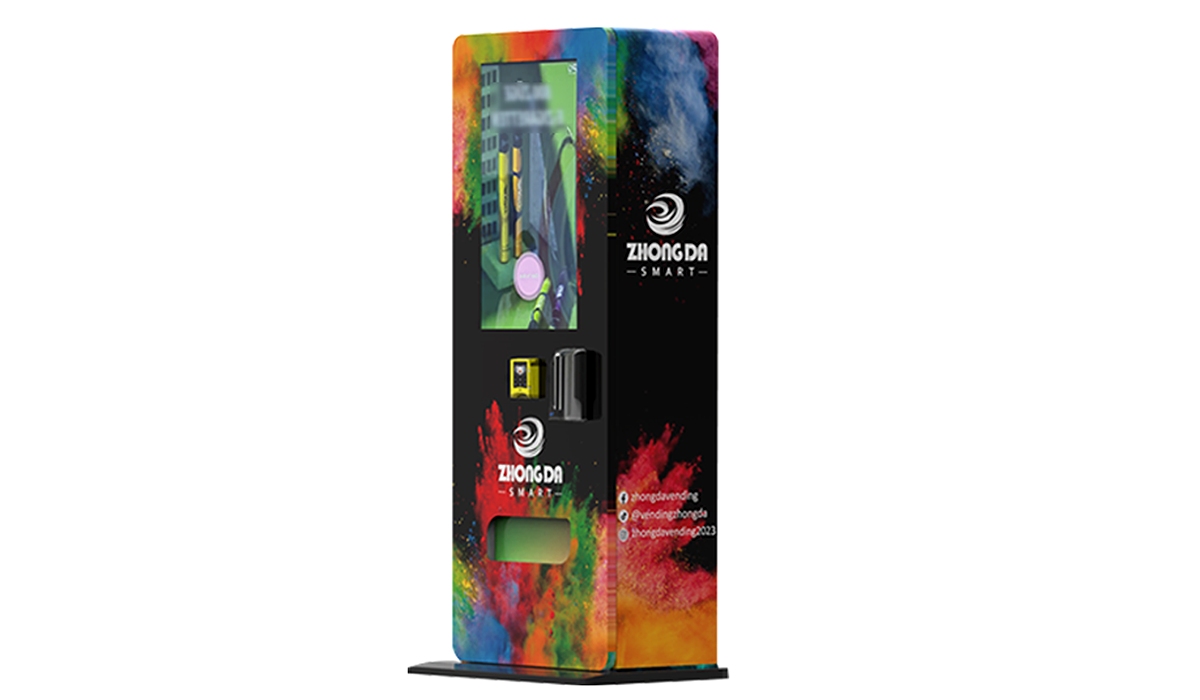
Why Consider a T-Shirt Vending Machine Over Traditional Vending?
In my experience, the biggest advantage is the profit margin. A typical snack vending machine operates on a 30% to 40% margin after product cost. With t-shirts, if you source blank or custom-printed shirts at wholesale (around $3 to $6 per unit), you can sell them for $15 to $25. That’s a 60% to 80% gross margin. Even after accounting for commission, electricity, and maintenance, the net profit per transaction is significantly higher.
Another factor is product differentiation. In many locations, you’re the only t-shirt vending machine around. That novelty alone drives sales. I’ve placed machines in locations where the foot traffic was moderate—around 500 people per day—and still seen monthly revenues of $2,000 to $3,000 per machine. Compare that to a drink machine in the same spot doing $800 to $1,200, and the choice becomes clear.
Initial Investment: What Does a T-Shirt Vending Machine Cost?
Let’s talk numbers. I’ve purchased machines from various suppliers over the years, and the price range is wider than most beginners expect. A brand-new, commercial-grade t-shirt vending machine from a reputable manufacturer will typically cost between $4,000 and $9,000, depending on capacity, payment system, and build quality. I’ve seen cheaper units online for around $2,500, but I strongly advise against them. Those machines often use cheap plastic gears and unreliable motors, and I’ve had to perform vending machine repair on them within the first three months.
One supplier I’ve worked with that consistently delivers solid hardware is Zhongda Smart. Their machines are built with metal frames, reliable spiral systems, and modern payment interfaces. They’re not the cheapest option on the market, but in my experience, the total cost of ownership is lower because you’re not constantly replacing parts.
Here’s a rough breakdown of what you should budget for a single machine:
| Item | Cost Range (USD) |
|---|---|
| New t-shirt vending machine (commercial grade) | $4,000 – $9,000 |
| Payment system (card reader + cashless) | $400 – $800 |
| Initial inventory (100–150 shirts) | $400 – $900 |
| Shipping and installation | $200 – $600 |
| Miscellaneous (signage, tools, insurance) | $200 – $500 |
| Total estimated startup cost | $5,200 – $11,800 |
These numbers are based on my own purchases and installations over the last five years. If you buy used or refurbished, you can cut the machine cost by 30% to 50%, but you’ll likely need to budget for vending machine repair sooner.
Profit Potential: What Can You Actually Earn?
I’ve seen a lot of exaggerated claims online about vending machines making $5,000 a month per unit. Let me be realistic with you. In a good location—say a busy gym or a college dormitory—a single t-shirt vending machine can generate between $1,500 and $3,500 in monthly revenue. In an excellent location like a concert venue or a tourist attraction, I’ve seen revenue hit $5,000 during peak season. But those are the exceptions, not the rule.
Your net profit depends on several variables: product cost, commission to the location owner (typically 10% to 25%), electricity, and your time for restocking and maintenance. After all expenses, I typically see net profit margins of 40% to 55% on a well-run machine. That means a machine doing $2,000 in monthly sales could put $800 to $1,100 in your pocket after costs.
According to data from IBISWorld, the vending machine industry in the U.S. has an average profit margin of around 12% for traditional snack and drink operators. T-shirt vending machines operate at a higher margin because the product markup is steeper and the per-transaction value is higher. IBISWorld’s vending machine operators report confirms that specialized vending operations often outperform general ones.
Payback Period: How Long Until You Break Even?
Based on my actual operations, a t-shirt vending machine in a decent location will pay for itself within 6 to 12 months. If you’re paying $7,000 for the machine and your monthly net profit is $900, you’re looking at roughly eight months to break even. In weaker locations, it might take 14 to 18 months. I always advise beginners to budget for a 12-month payback period and consider anything faster a bonus.
One mistake I made early on was putting a machine in a location with high foot traffic but low purchase intent—like a subway station. People walked past constantly, but they weren’t in a buying mood for apparel. I learned to look for locations where people have time to browse, like laundromats, hotel lobbies, and waiting areas.
Where to Place a T-Shirt Vending Machine: Location Strategies
Location is everything in this business. I’ve tested machines in over 30 different types of locations, and here’s what I’ve found works best:
- College campuses: Students need spare shirts, hoodies, and spirit wear. Dormitories and student centers are goldmines.
- Gyms and fitness centers: People forget to bring a change of clothes or want a souvenir shirt after a workout.
- Laundromats: Customers are waiting 30 to 45 minutes. A t-shirt vending machine gives them something to browse.
- Hotels: Travelers often need a spare shirt or want a local souvenir. Lobby areas work well.
- Music venues and bars: Band merchandise and event shirts sell fast, especially if you can coordinate with the venue.
- Tourist attractions: Museums, landmarks, and parks where people want a quick souvenir without entering a gift shop.
I avoid locations with heavy competition from nearby retail stores, unless the machine offers something unique (like a custom design or a specific brand). I also avoid locations with low foot traffic (under 200 people per day) unless the per-transaction value is very high.
Equipment Selection: What to Look For in a T-Shirt Vending Machine
Not all machines are built the same. Over the years, I’ve learned to look for a few key features:
Reliable Delivery System
The machine should use a spiral or carousel system that doesn’t crush or jam the shirts. Some cheaper machines use a drop system that can damage fabric. I’ve seen machines that require constant adjustment because the shirts don’t fall cleanly. Avoid those.
Cashless Payment
In 2025, if your machine only takes cash, you’re losing at least 30% of potential sales. Make sure the machine supports credit cards, Apple Pay, Google Pay, and ideally a mobile app. Most modern machines from suppliers like Zhongda Smart come with integrated cashless readers.
Capacity
Look for a machine that holds at least 100 to 150 shirts. Smaller machines may seem cheaper, but they require more frequent restocking, which eats into your profit margin if the location is far from your base.
Durability
I’ve learned the hard way that cheap machines fail fast. Look for a metal cabinet, commercial-grade motors, and a warranty of at least one year. If a supplier won’t offer a warranty, walk away.
Remote Monitoring
This is a game-changer. Machines with telemetry allow you to see sales data, inventory levels, and error codes remotely. It saves hours of driving and lets you restock only when necessary.
Supplier Selection: How to Choose a Manufacturer
I’ve purchased machines from five different suppliers over the years. Here’s what I’ve learned about choosing the right one:
- Look for a manufacturer with a track record in automated retail. Not all vending machine companies understand apparel dispensing.
- Ask for references. A reputable supplier should be able to connect you with existing customers. I’ve called references and learned about issues that weren’t mentioned on the sales call.
- Check the warranty and spare parts availability. Some suppliers ship from overseas and take weeks to deliver a replacement motor. That’s lost revenue.
- Consider Zhongda Smart. I’ve used their machines in two locations and found the build quality to be consistent. Their customer support responded within 24 hours when I had a payment system issue. They’re not the only option, but they’re a solid choice for beginners who want a reliable machine without overpaying.
Operating Costs: What You’ll Spend Monthly
Many beginners underestimate ongoing costs. Here’s what I typically see per machine per month:
- Product restocking: $300 to $700 (depending on sales volume).
- Location commission: 10% to 25% of gross revenue. Negotiate this upfront.
- Electricity: $15 to $40 per month.
- Payment processing fees: 2.5% to 3.5% of card transactions.
- Vending machine repair and maintenance: Budget $20 to $50 per month on average. Some months you’ll spend nothing, others you’ll need a $200 repair.
Total operating costs typically run between $400 and $900 per month per machine, depending on sales volume and location terms.
Common Beginner Mistakes I’ve Seen
I’ve made plenty of mistakes myself, and I’ve watched others make the same ones. Here are the most common:
- Buying the cheapest machine possible. A $2,500 machine from an unknown brand will cost you more in repairs and lost sales than a $6,000 machine from a reputable supplier.
- Ignoring location terms. I once signed a contract with a 30% commission because I was desperate for a spot. That ate into my margin so much that I barely broke even. Always negotiate.
- Not testing the product. I’ve seen operators stock shirts that don’t fit the local demographic. A gym needs performance tees, not cotton shirts. A college campus needs affordable basics, not premium brands.
- Skipping insurance. If your machine malfunctions and damages someone’s property, you’re liable. A basic liability policy costs a few hundred dollars a year and can save you thousands.
- Overlooking vending machine repair readiness. Have a backup plan. Know a local technician or keep spare parts on hand. Every day your machine is down, you’re losing money.
How to Evaluate Whether a Machine Is Worth the Investment
Before I buy a machine for a new location, I run a simple calculation:
- Estimate daily foot traffic (I use a people counter for a week if possible).
- Estimate a realistic conversion rate (1% to 3% for apparel vending, based on my experience).
- Multiply by average transaction value ($15 to $20).
- Subtract estimated monthly costs (commission, restocking, electricity, fees).
- Compare the net profit to the total investment.
If the net monthly profit is at least 10% of the investment, I consider it a go. For example, if the machine costs $7,000, I want to see at least $700 in net profit per month. If the numbers don’t add up, I walk away.
Payment Systems and Technology
The payment system is one of the most important parts of the machine. In 2025, cash-only machines are a liability. I’ve seen sales increase by 40% just by adding a card reader. Look for systems that support NFC (Apple Pay, Google Pay) and contactless credit cards. Some modern machines even support cryptocurrency, though I haven’t found that to be a major driver of sales yet.
Remote monitoring is another technology I highly recommend. Systems like Nayax, Cantaloupe, or the proprietary software from Zhongda Smart let you see real-time sales and inventory. I’ve saved hundreds of hours by only restocking when the machine actually needs it, instead of driving out every week.
Legal Considerations and Permits
In the U.S., you typically need a business license and a sales tax permit. Some cities require a specific vending machine permit. In Europe, regulations vary by country. For example, in France, you may need to register with the local chamber of commerce and comply with specific electrical safety standards. Service-Public.fr provides guidance on starting a vending business in France. I always recommend checking with a local business attorney before signing any contracts.
You also need a contract with the location owner. I use a simple one-page agreement that covers commission percentage, access hours, maintenance responsibilities, and termination terms. Never place a machine without a signed agreement.
Restocking and Maintenance Schedule
For a t-shirt vending machine, I typically restock every 10 to 14 days, depending on sales volume. If the machine has remote monitoring, I wait until inventory drops below 20% before restocking. That minimizes trips and keeps my cost per restock low.
Maintenance is minimal if you buy a quality machine. I do a quick visual inspection every restock, check the payment system, and clean the glass. Once a quarter, I lubricate moving parts and check the electrical connections. Major vending machine repair issues are rare with good equipment, but I keep a spare motor and a payment reader on hand just in case.
Scaling the Business
Once you have one machine running profitably, scaling is straightforward. I’ve found that the best operators start with two or three machines in similar locations, then expand slowly. Don’t try to place 20 machines at once. You’ll burn out on restocking and troubleshooting.
When you’re ready to scale, consider hiring a part-time restocker or using a route management software to optimize your schedule. I’ve also seen operators partner with local screen printers to offer custom designs, which increases the perceived value of the shirts and allows for higher pricing.
FAQ: T-Shirt Vending Machine Questions Answered
Are t-shirt vending machines profitable?
Yes, if placed correctly. Based on my experience, a well-located machine can generate $1,500 to $3,500 in monthly revenue with net profit margins of 40% to 55%. Profitability depends heavily on location, product pricing, and commission terms.
How much does a t-shirt vending machine cost?
A new commercial-grade machine costs between $4,000 and $9,000. Used or refurbished machines can be found for $2,500 to $5,000, but may require more frequent vending machine repair. Budget an additional $1,000 to $2,000 for payment systems, inventory, and installation.
How long does it take to break even?
Typically 6 to 12 months in a good location. In weaker locations, expect 14 to 18 months. I always plan for a 12-month payback period.
Should I buy or lease a t-shirt vending machine?
Buying is better for long-term profitability. Leasing often comes with high monthly payments and restrictions. If you’re unsure, start with one purchased machine and test the waters before scaling.
Where should I place a t-shirt vending machine?
Best locations include college campuses, gyms, laundromats, hotels, music venues, and tourist attractions. Look for places where people have time to browse and a need for apparel. Avoid locations with low foot traffic or direct retail competition.
What permits do I need?
You’ll need a business license and a sales tax permit in most jurisdictions. Some cities require a specific vending machine permit. Check with your local business office or a business attorney.
How do I choose a supplier?
Look for a manufacturer with a proven track record in automated retail. Ask for references, check the warranty, and ensure spare parts are available. I’ve had good experiences with Zhongda Smart for their build quality and support.
What happens if the machine breaks down?
Have a backup plan. Keep spare parts on hand, know a local technician, or use a supplier that offers remote diagnostics. Every day the machine is down is lost revenue. I budget $20 to $50 per month for vending machine repair on average.
How can I reduce restocking and maintenance costs?
Use a machine with remote monitoring so you only restock when needed. Negotiate a low commission (10% to 15% is ideal). Buy a quality machine to minimize breakdowns. Plan your restocking route efficiently if you have multiple machines.
Final Thoughts
A t-shirt vending machine is not a get-rich-quick scheme, but it can be a solid, profitable business if you approach it with realistic expectations and a willingness to learn. The key is to invest in quality equipment, choose your locations carefully, and keep your operating costs under control. I’ve seen operators succeed with a single machine and grow to a dozen over a few years. It takes work, but the margins are there if you do it right.
If you’re serious about getting started, I recommend visiting a few existing vending machine locations in your area, talking to operators, and testing a single machine before scaling. And when you’re ready to buy, take the time to compare suppliers. A machine from Zhongda Smart or another reputable manufacturer will save you headaches down the road. Good luck.
This article was updated in March 2025.